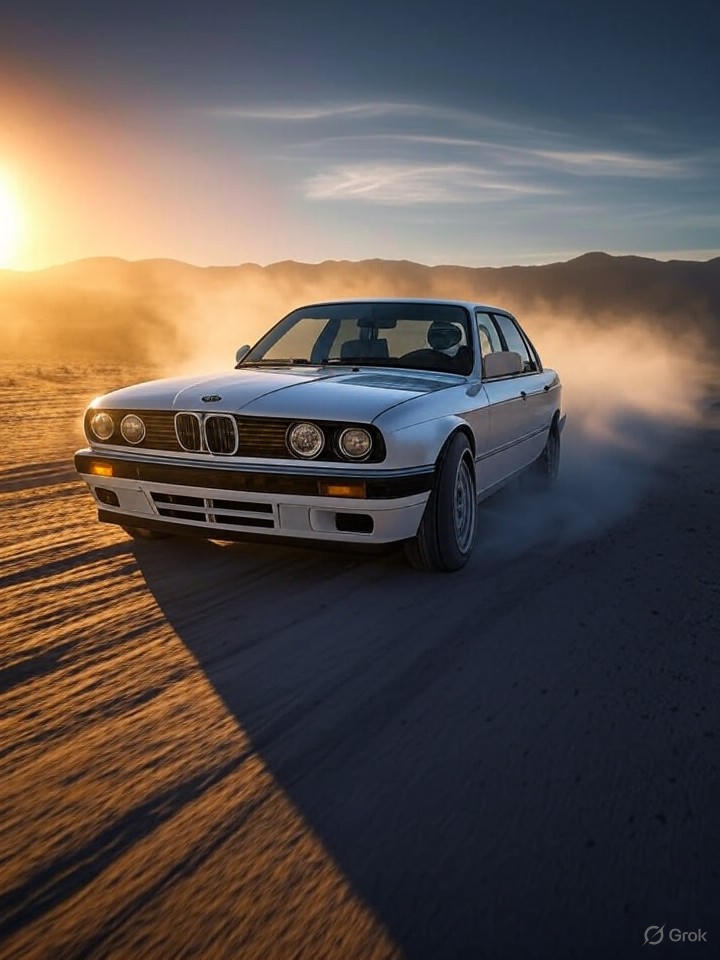
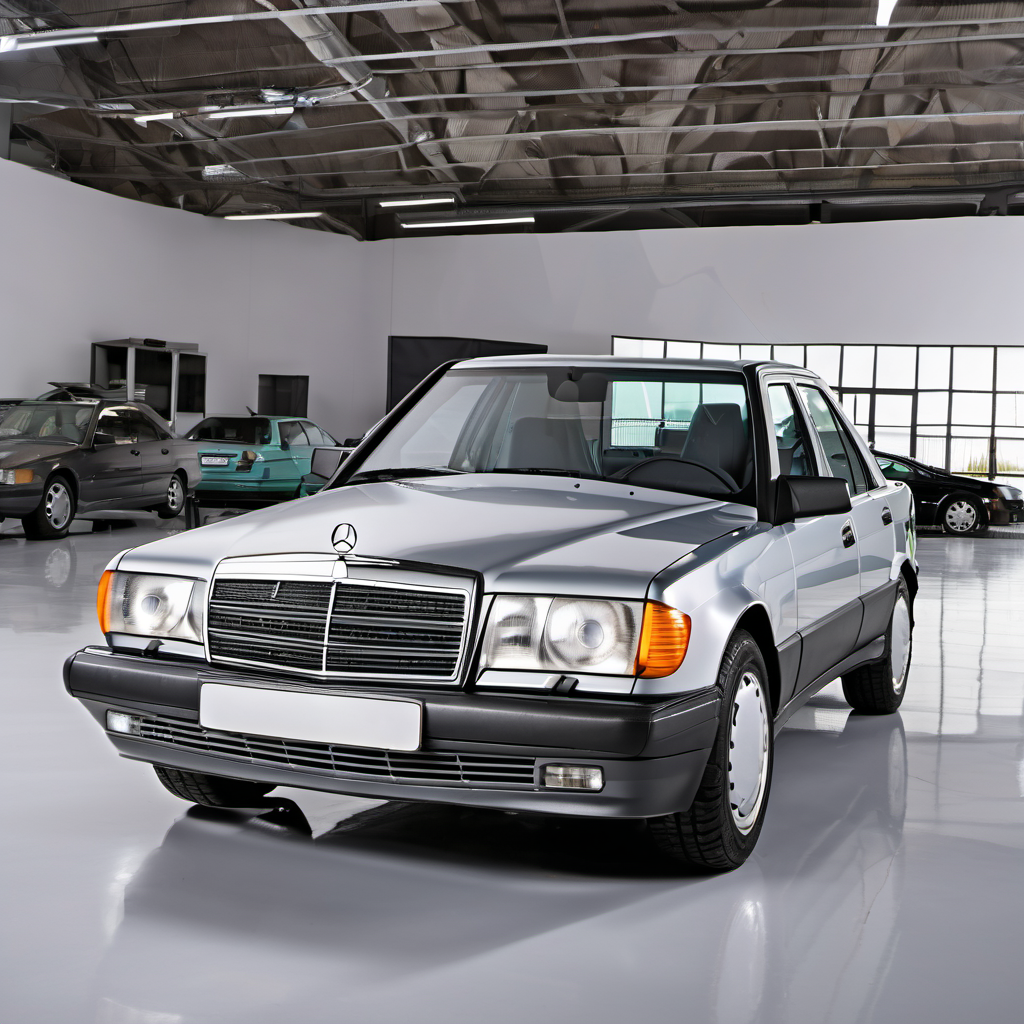
1992 BMW 3 Series Coupe

1992 BMW

3 SeriesCoupe

Coupe

The 1992 BMW 3 Series Coupe (E30/E36 transition era — this VIN places it in the early E36 generation) is a compact rear-wheel-drive sports coupe that cemented BMW's reputation for driver-focused engineering. The 318is variant with the 1.8L M42 four-cylinder is the base engine offering, delivering a rev-happy, naturally aspirated experience that rewards mechanical sympathy over outright power. It's a proper analog driving machine — no traction control, no driver assists — just a balanced chassis and a willing engine. At over 30 years old, this is firmly a classic/enthusiast car, not a daily driver for the faint of heart or light of wallet. Parts availability is good through the BMW aftermarket community, but labor costs add up quickly given the tight engine bay and European engineering. Rust is the single biggest threat to long-term survival, especially in Wisconsin. Owners who keep up with cooling system maintenance, address rust proactively, and stay on top of the small-but-frequent niggles that come with any aging European car tend to be rewarded with a genuinely satisfying car that still turns heads.

Reliability
3/5
Verified data
Specs shown for 318i Convertible — the most common configuration. Other trims may vary in engine, drivetrain, or fuel economy. Sign in to see your vehicle's exact specs.
Engine
[object Object]
Drivetrain
RWD
Fuel
Premium gasoline
MPG
18 city / 24 hwy / 20 combined
Seats
Doors
Body
Subcompact Cars

Overview

AI-curated

The 1992 BMW 3 Series Coupe (E30/E36 transition era — this VIN places it in the early E36 generation) is a compact rear-wheel-drive sports coupe that cemented BMW's reputation for driver-focused engineering. The 318is variant with the 1.8L M42 four-cylinder is the base engine offering, delivering a rev-happy, naturally aspirated experience that rewards mechanical sympathy over outright power. It's a proper analog driving machine — no traction control, no driver assists — just a balanced chassis and a willing engine. At over 30 years old, this is firmly a classic/enthusiast car, not a daily driver for the faint of heart or light of wallet. Parts availability is good through the BMW aftermarket community, but labor costs add up quickly given the tight engine bay and European engineering. Rust is the single biggest threat to long-term survival, especially in Wisconsin. Owners who keep up with cooling system maintenance, address rust proactively, and stay on top of the small-but-frequent niggles that come with any aging European car tend to be rewarded with a genuinely satisfying car that still turns heads.

Known for
  • Excellent chassis balance and driver feedback — one of the best-handling cars of its era
  • Rev-happy M42 1.8L four-cylinder engine with solid long-term reliability when maintained
  • Timeless coupe styling that has aged exceptionally well
  • Strong enthusiast and parts community support
Best for
  • Driving enthusiasts who want an analog, engaging experience
  • Weekend or fair-weather use in the Midwest
  • Owners willing to do their own maintenance or have a trusted independent BMW shop
  • Collectors looking for an entry-level classic BMW
Watch for
  • Rust — rocker panels, floor pans, and rear wheel arches are serious problem areas in salt-belt states
  • Cooling system components (water pump, radiator, hoses) are all original-age and overdue on most surviving examples
  • Deferred maintenance is common on high-mileage examples — budget for a full inspection and refresh
  • Electrical gremlins from aging wiring, connectors, and the Motronic ECU system

Common issues by mileage

6 known

Cooling system failure — water pump, radiator, hoses

high
Typically appears
Any mileage on a 30+ year old car
Estimated repair
$400 – $900

Cooling system fan clutch failure or electric fan issues

high
Typically appears
80k+ mi
Estimated repair
$150 – $400

Valve cover gasket oil leak

high
Typically appears
60k+ mi
Estimated repair
$100 – $250

Rust — rocker panels, floor pans, rear wheel arches

high
Typically appears
All mileages — age/geography driven
Estimated repair
$500 – $4,000

Oxygen sensor failure / degraded sensor heater circuit

medium
Typically appears
80k–150k mi
Estimated repair
$120 – $320

Aging Motronic wiring harness — cracked insulation, poor connections

medium
Typically appears
All mileages — age driven
Estimated repair
$200 – $1,200

Maintenance schedule

  1. 1
    Every 5,000 miles or 6 months Engine oil and filter change — use 5W-30 or 10W-40 full synthetic

    The M42 has small oil passages that are sensitive to sludge. Shorter intervals on a 30-year-old engine are cheap insurance.

  2. 2
    Immediately on any newly acquired example; every 5 years thereafter Full cooling system refresh — water pump, thermostat, radiator, all hoses and clamps

    Original plastic and rubber cooling components are well past service life. A coolant failure will strand you and can warp the cylinder head.

  3. 3
    Every 4 years or at time of purchase Inspect and replace drive belts (serpentine, accessory)

    Age-hardened belts crack without warning. Failure leaves you stranded and can damage the alternator or A/C compressor.

  4. 4
    Every spring after winter season Inspect underbody and rocker panels for rust — treat or repair any active areas

    Wisconsin road salt is the primary enemy of this car's longevity. Catching rust early is far cheaper than structural repair later.

  5. 5
    Every 30,000 miles Check and top off differential and manual transmission fluid

    Often overlooked on older BMWs. Fresh fluid protects the gearbox and rear differential from wear and reduces whine.

  6. 6
    Every 2 years Inspect brake lines and rubber brake hoses for corrosion and cracking

    Salt corrosion attacks steel brake lines. Cracked hoses can bulge under pressure and cause spongy pedal or brake failure.

  7. 7
    Every 30,000 miles Replace spark plugs and inspect ignition wires

    The M42 is sensitive to ignition misfire. Fresh plugs and wires keep it running crisply and protect the catalytic converter.

  8. 8
    Every fall Battery load test before winter

    Cold Wisconsin winters (-10°F is not unusual in Lake Geneva) demand a strong battery. A battery over 4 years old should be load-tested and replaced proactively.

Always defer to the manufacturer's service manual for warranty-mandated intervals.

Cost of ownership

Annual maintenance
$800 – $2,500
Fuel
Premium gasoline recommended. At 20 MPG combined and ~12,000 miles/year, expect roughly $1,800–$2,200/year at current upper-Midwest prices.
Insurance
Generally low to moderate — this is a low-value classic coupe. Agreed-value or collector car insurance may be worth exploring if well-preserved.

Day-to-day running costs are reasonable if the car has been properly refreshed. The danger is deferred maintenance — a neglected example can easily require $3,000–$6,000 in catch-up work (cooling system, brakes, rust treatment, wiring). Budget the higher end of the maintenance range for the first year of ownership on any newly acquired car.
Seasonal care

Lake Geneva, WI
Winter
  • Load-test the battery every fall — sub-zero Lake Geneva temps will kill a marginal battery overnight
  • Switch to a full synthetic 5W-30 oil if not already running it; cold starts below 0°F are brutal on thicker conventional oils
  • Flush and refill coolant with fresh 50/50 mix rated to at least -34°F; old coolant loses freeze protection
  • Fill washer fluid reservoir with a -20°F or colder rated fluid — summer fluid will freeze solid in the lines
  • Inspect wiper blades and consider winter-style blades to handle snow and ice without tearing
  • Rinse the undercarriage frequently after salt exposure — this car's floor pans and rockers are especially vulnerable; a $10 car wash in February is worth hundreds in rust prevention
Summer
  • Monitor coolant temperature closely — aging cooling systems on these cars are prone to running hot in stop-and-go summer traffic
  • Check tire pressure monthly; heat causes pressure to rise roughly 1 PSI per 10°F above baseline
  • Inspect A/C system — the R-12 refrigerant this car originally used has been phased out; confirm it has been properly converted to R-134a if A/C is still functional
  • Check for heat-soak starting issues (hot restart hesitation) which can point to a failing fuel pressure regulator or temp sensor on this age of Motronic system

Comparable vehicles

If you're shopping for one

Red flags
  • Any visible rust perforation on the rocker panels or floor — structural rust repair on a 30-year-old car often costs more than the car is worth
  • Overheating history or a cracked/stained coolant reservoir — suggests a neglected cooling system that may have caused head damage
  • No service records whatsoever — on a car this age, undocumented history means assuming the worst
  • Smoke on startup (blue = oil burning, white = coolant burning) — both indicate expensive engine repairs
  • Mismatched or bubbling paint on lower body panels — often a sign of hidden rust that has been cosmetically covered
  • Soft or unresponsive brake pedal — brake lines corrode badly in Wisconsin salt use; this is a safety-critical inspection point
What to inspect
  • Crawl under the car and probe the rocker panels, floor pans, and rear wheel arches with a screwdriver — soft or flaking metal is a deal-breaker in Wisconsin
  • Pull the oil filler cap and check for white milky residue (head gasket issue) and check the coolant reservoir for oily contamination
  • Check the cooling system: squeeze the hoses (should be firm, not mushy or hard/cracked), inspect the radiator for green staining, and confirm the fan operates properly at idle
  • Start the car cold and listen for ticking from the valve train — some tick is normal on cold start but should quiet within 30 seconds
  • Inspect the wiring harness near the firewall and under the hood for cracked, brittle, or taped insulation
  • Test all electrical functions — windows, locks, instrument cluster — as wiring issues are common and time-consuming to trace
  • Ask for any service records, especially cooling system work and timing belt/chain history
AI profile generated 4 days ago · claude-sonnet-4-6 · v2.