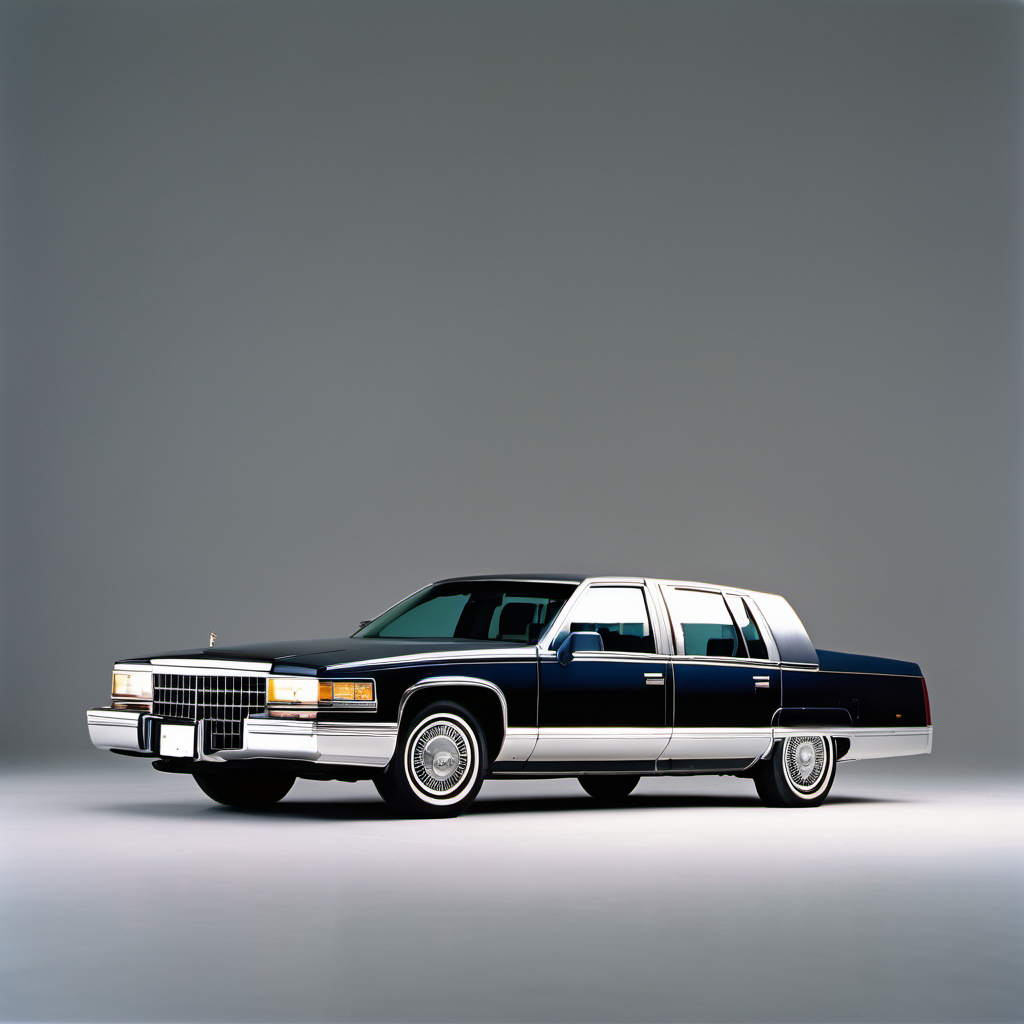
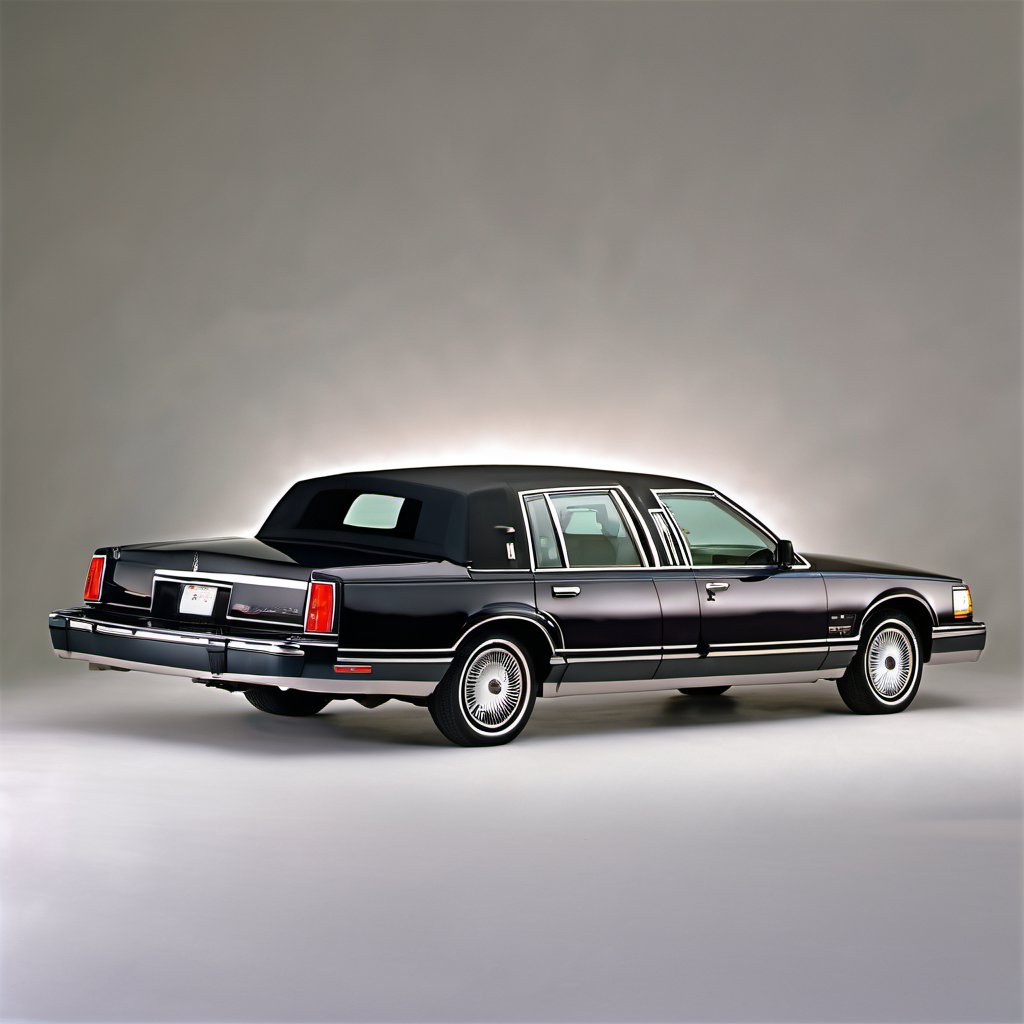
1992 Cadillac Fleetwood Sedan

1992 Cadillac

FleetwoodSedan

5.7L V8 (LT1) · Sedan

The 1992 Cadillac Fleetwood Sedan is a full-size, body-on-frame luxury car built on GM's D-body platform — the last of the traditional rear-wheel-drive Fleetwoods before the nameplate briefly moved to a front-wheel-drive platform. Powered by Cadillac's 5.7L LT1 V8 (shared with the Corvette and Caprice), it offered genuine performance alongside its traditional limousine-like comfort. Stretching over 215 inches and weighing in at nearly two tons, this is a land yacht in the most affectionate sense. In 1992, the Fleetwood was positioned as Cadillac's flagship, offering an imposing presence, a smooth highway ride, and a cabin stocked with every comfort feature available from GM at the time — including the first generation of Cadillac's digital instrument cluster and automatic climate control. Parts and mechanical know-how are relatively accessible since it shares a great deal of its underpinnings with the Chevrolet Caprice and Impala SS of the era. At 30+ years old, any surviving example is now a classic. Condition varies wildly. These cars can still be exceptional highway cruisers and are genuinely fun to own, but deferred maintenance and electrical gremlins from aging wiring are the primary risks. Budget for upkeep accordingly.

Reliability
3/5
Verified data
Engine
5.7L V8 (LT1)
Drivetrain
RWD
Fuel
Gasoline
MPG
14 city / 20 hwy / 16 combined
Seats
6
Doors
4
Body
Sedan
MSRP
$37,490

Overview

AI-curated

The 1992 Cadillac Fleetwood Sedan is a full-size, body-on-frame luxury car built on GM's D-body platform — the last of the traditional rear-wheel-drive Fleetwoods before the nameplate briefly moved to a front-wheel-drive platform. Powered by Cadillac's 5.7L LT1 V8 (shared with the Corvette and Caprice), it offered genuine performance alongside its traditional limousine-like comfort. Stretching over 215 inches and weighing in at nearly two tons, this is a land yacht in the most affectionate sense. In 1992, the Fleetwood was positioned as Cadillac's flagship, offering an imposing presence, a smooth highway ride, and a cabin stocked with every comfort feature available from GM at the time — including the first generation of Cadillac's digital instrument cluster and automatic climate control. Parts and mechanical know-how are relatively accessible since it shares a great deal of its underpinnings with the Chevrolet Caprice and Impala SS of the era. At 30+ years old, any surviving example is now a classic. Condition varies wildly. These cars can still be exceptional highway cruisers and are genuinely fun to own, but deferred maintenance and electrical gremlins from aging wiring are the primary risks. Budget for upkeep accordingly.

Known for
  • Massive, pillow-soft ride quality on the highway
  • 5.7L LT1 V8 shared with Corvette — more performance than the luxury image suggests
  • Body-on-frame construction — mechanically simpler than contemporary FWD Cadillacs
  • Premium interior with power everything and early digital climate controls
  • Long wheelbase and generous rear-seat legroom
Best for
  • Highway cruising and long-distance comfort
  • Vintage car collectors and classic Cadillac enthusiasts
  • Owners who enjoy wrench-friendly, non-transverse V8 platforms
  • Anyone wanting an imposing full-size sedan with RWD character
Watch for
  • 30+ years of electrical wiring age — connectors, insulation, and grounds degrade
  • Rust on the frame, rockers, and floor pans is common on Wisconsin-driven examples
  • Worn or collapsed air suspension components (if optioned) or sagging rear springs
  • Deferred coolant and transmission service leading to expensive downstream damage
  • Difficult-to-find trim and interior parts at reasonable prices

Common issues by mileage

6 known

Cooling system failure / LT1 reverse-flow coolant degradation

high
Typically appears
60–150k mi
Estimated repair
$300 – $1,200

4L60-E transmission wear — slipping, delayed engagement, or 3rd-gear failure

high
Typically appears
80–150k mi
Estimated repair
$800 – $2,800

Aged wiring harness — corroded connectors, failing grounds, intermittent electrical faults

high
Typically appears
Any mileage on a 30+ year old car
Estimated repair
$150 – $1,500

Rear suspension sag — worn leaf springs or failed self-leveling shock absorbers

medium
Typically appears
70–130k mi
Estimated repair
$300 – $900

Frame and rocker panel rust — especially on cars with Wisconsin/salt-belt history

high
Typically appears
Any mileage
Estimated repair
$500 – $4,000

Power window and door lock failures — aging motors, regulators, and actuators

medium
Typically appears
60k+ mi
Estimated repair
$100 – $600

Maintenance schedule

  1. 1
    Every 2 years / 30k mi Flush and replace engine coolant with correct Dex-Cool or OEM-spec coolant

    The LT1's reverse-flow cooling system is sensitive to degraded coolant. Old coolant turns acidic and corrodes the aluminum intake and water pump. This is the single most important preventive job on this engine.

  2. 2
    Every 30k mi or if fluid is dark/burned-smelling Change transmission fluid and filter (4L60-E)

    The 4L60-E is robust when kept in clean fluid. Neglected fluid is the #1 cause of 3rd-gear clutch pack failure, which is an expensive rebuild.

  3. 3
    Annually Inspect and clean all major ground straps and battery terminals

    On a 30-year-old car, corroded grounds cause a cascade of weird electrical symptoms. Cleaning grounds is cheap insurance before chasing expensive ghost faults.

  4. 4
    Every spring after winter Inspect frame rails, rocker panels, and floor pans for rust

    Wisconsin road salt is relentless on body-on-frame cars. Catching surface rust early with wire-brush and rust converter is far cheaper than structural repair.

  5. 5
    Every 4 years / 50k mi Replace serpentine belt and inspect all belt-driven accessories

    Rubber degrades with age even at low mileage. A snapped belt at highway speed leaves you stranded and can cause overheating.

  6. 6
    Every 2 years Inspect rear shocks/self-leveling system and spring condition

    Sagging rear springs and failed shocks are common and affect handling, ride quality, and tire wear on these heavy sedans.

  7. 7
    Every 2 years / 30k mi Replace fuel filter

    Older fuel tanks accumulate sediment; a clogged filter starves the LT1 at high demand and stresses the in-tank pump.

  8. 8
    Every 3–4 years or before first winter Test and load-test the battery; replace proactively

    Cold-cranking a 5.7L V8 at -10°F Lake Geneva winters demands a strong battery. A marginal battery that passes a warm-day test will fail on the coldest morning of the year.

Always defer to the manufacturer's service manual for warranty-mandated intervals.

Cost of ownership

Annual maintenance
$600 – $2,000
Fuel
At ~16 MPG combined and Wisconsin driving patterns, expect $1,800–$2,600/year at current gas prices. Premium is not required; 87 octane is fine for the LT1 in street tune.
Insurance
Typically low as a classic/collector vehicle if insured under an agreed-value policy. Standard daily-driver comprehensive coverage runs $800–$1,400/year depending on use and driving record.

Routine annual maintenance on a well-sorted example runs $600–$2,000 at an independent shop. The risk is the 'unknown deferred maintenance' scenario — a car that needs coolant flush, transmission service, new rear shocks, and wiring cleanup all at once can easily hit $3,000–$5,000 in catch-up costs. Get a pre-purchase inspection before buying. Once sorted, ongoing costs are manageable since parts are inexpensive and the mechanicals are straightforward.
Seasonal care

Lake Geneva, WI
Winter
  • Load-test the battery in October — a cold 5.7L V8 at sub-zero temps will expose any weakness instantly. Replace if it shows less than 80% CCA capacity.
  • Switch to a full-synthetic 5W-30 oil if still on conventional; it flows far better during cold starts and reduces wear during the critical first seconds of startup.
  • Flush washer fluid reservoir and fill with a -30°F or lower rated fluid. The long hood means a dirty windshield builds up fast on Wisconsin roads.
  • Inspect wiper blades and consider winter-style blades — the long blade sweep on this car means a streaking blade is a real visibility issue.
  • Apply a rust-inhibiting undercoat or wax to exposed frame and rocker areas before first salt exposure. Rinse the undercarriage at a touchless car wash every 2–3 weeks during salting season.
  • Confirm the cooling system antifreeze is rated to at least -34°F. With the LT1's aluminum components, a freeze event is catastrophic.
Summer
  • Check tire pressure monthly — large-diameter tires on a heavy car lose pressure with temperature swings and are underinflated more often than owners notice.
  • Inspect the A/C system early in the season — the R-134a system (retrofitted from original R-12 on most examples by now) should hold charge; a weak A/C in a dark-colored full-size sedan is genuinely uncomfortable in July.
  • Monitor coolant temp gauge closely on hot days in stop-and-go traffic — the LT1 can run warm with a partially blocked radiator or a failing thermostat.
  • Check the condition of the radiator and A/C condenser fins for debris (cottonwood season in Wisconsin is brutal) and gently flush with a garden hose if clogged.

Comparable vehicles

If you're shopping for one

Red flags
  • Any soft or holed floor pans — water intrusion from rust-through is structural and a safety issue.
  • Visible rust bubbling on the trunk floor, spare tire well, or rear wheel arches — these areas trap salt and moisture and are expensive to repair correctly.
  • A mismatched or repainted lower body with no collision history disclosure.
  • Transmission that slips, hunts for gears, or has a burnt fluid smell — a rebuild runs $1,500–$2,800.
  • No service records at all on a 30+ year old car — assume everything is due and price accordingly.
  • Overheating history or a cooling system that's been topped up with plain water — signs of neglect that often precede head gasket or water pump failure on the LT1.
What to inspect
  • Frame rails and rocker panels: get under the car with a flashlight and a screwdriver — poke at any suspect areas. Structural rust is a deal-breaker.
  • Transmission behavior: it should engage Drive and Reverse smoothly and without a hard clunk. Any slipping or flare between gears signals worn clutch packs.
  • Coolant condition: pull the radiator cap (cold only) and look for rust, oil contamination, or a brown sludge — any of these signals neglected service or a head gasket issue.
  • Electrical systems: cycle every power window, lock, mirror, and seat. Budget for anything that doesn't work because parts are getting harder to find.
  • Cooling fan operation: the LT1 uses an electric fan; confirm it kicks on when the A/C is engaged and when the engine reaches operating temp.
  • R-12 / R-134a A/C status: confirm whether it has been converted to R-134a. Original R-12 systems are expensive to recharge; a proper retrofit is the right answer.
  • Oil and transmission fluid condition: dark, burnt-smelling fluid on a 30-year-old car signals deferred service — price that into your offer.
AI profile generated 24 days ago · claude-sonnet-4-6 · v2.