Air Suspension Failure (compressor, bags, or height sensors)
high- Typically appears
- 80k–150k+ mi / age-related on any example
- Estimated repair
- $400 – $1,800
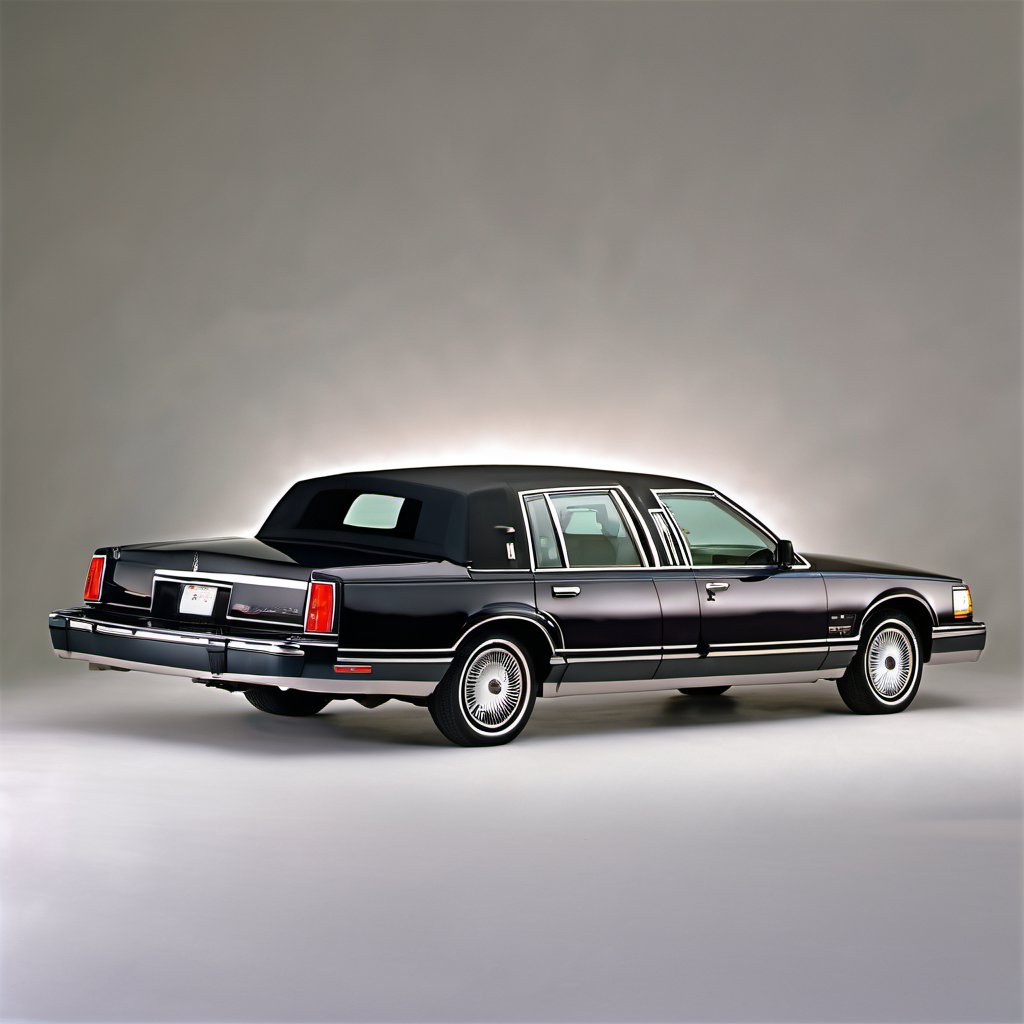
1992 Lincoln
Sedan
The 1992 Lincoln Town Car is a body-on-frame, rear-wheel-drive full-size American luxury sedan built on Ford's Panther platform. This generation (1990–1997) was a clean-sheet redesign that brought softer, more rounded styling, a brand-new 4.6L modular V8, and a significantly more refined interior compared to the boxy 1980s Town Car. It was marketed as a flagship luxury vehicle for Lincoln and was popular with both private buyers seeking quiet, plush long-distance travel and livery operators who valued its durability and ride comfort. Under the hood sits Ford's first-generation 4.6L Romeo V8, a naturally aspirated overhead-cam engine that proved to be a solid, long-lived unit when maintained properly. Paired with a 4-speed automatic and a well-tuned air suspension, the Town Car delivers a famously smooth, floaty ride that few modern vehicles replicate. Interior room is generous — especially in the rear — making it a genuine chauffeur's car. At over 30 years old, the 1992 Town Car is now firmly in classic/collector territory. Rust, deferred maintenance, and failed air suspension components are the biggest obstacles to a good example. The right car, properly cared for, can still deliver hundreds of thousands of miles on its drivetrain. Finding a well-maintained low-mileage survivor is the challenge.
The 1992 Lincoln Town Car is a body-on-frame, rear-wheel-drive full-size American luxury sedan built on Ford's Panther platform. This generation (1990–1997) was a clean-sheet redesign that brought softer, more rounded styling, a brand-new 4.6L modular V8, and a significantly more refined interior compared to the boxy 1980s Town Car. It was marketed as a flagship luxury vehicle for Lincoln and was popular with both private buyers seeking quiet, plush long-distance travel and livery operators who valued its durability and ride comfort. Under the hood sits Ford's first-generation 4.6L Romeo V8, a naturally aspirated overhead-cam engine that proved to be a solid, long-lived unit when maintained properly. Paired with a 4-speed automatic and a well-tuned air suspension, the Town Car delivers a famously smooth, floaty ride that few modern vehicles replicate. Interior room is generous — especially in the rear — making it a genuine chauffeur's car. At over 30 years old, the 1992 Town Car is now firmly in classic/collector territory. Rust, deferred maintenance, and failed air suspension components are the biggest obstacles to a good example. The right car, properly cared for, can still deliver hundreds of thousands of miles on its drivetrain. Finding a well-maintained low-mileage survivor is the challenge.
The 4.6L modular V8 is oil-sensitive; sludge buildup from extended intervals is a leading cause of premature wear on this engine. Use the manufacturer-specified viscosity — 5W-30 is typical.
The AOD-E/4R70W transmission in this car is durable but does not tolerate degraded fluid well. Many failures are directly tied to neglected fluid changes on high-mileage examples.
The air suspension is the #1 failure point on this car. Catching a weak compressor or micro-leaking air bag early prevents being stranded and avoids cascading damage to the compressor motor.
Wisconsin road salt will destroy the undercarriage of a Panther-platform car. Annual inspection and rust-inhibitor treatment is essential on a car this age in this climate.
The 4.6L Romeo uses coil-on-plug or distributor setup depending on year; plug wires and plugs degrade with age. Misfires on an aging V8 are commonly traced to plugs and wires on high-mileage examples.
The plastic coolant crossover tube on early 4.6L engines is a known failure point. Fresh coolant maintains proper pH and slows internal corrosion that accelerates crossover tube and intake seal degradation.
Cold Wisconsin winters are hard on aging batteries. A 30-year-old car with original or unknown-age battery cables is a reliability risk. Clean terminals and a load-tested battery prevent no-start situations in sub-zero temps.
Brake line rust is common on salt-belt cars of this era. Brake fluid also absorbs moisture over time, lowering its boiling point. On a car this age, brake line inspection is non-negotiable before winter.
Always defer to the manufacturer's service manual for warranty-mandated intervals.
Day-to-day running costs on a healthy 1992 Town Car are modest — the 4.6L V8 doesn't need exotic parts or expensive fluids, and the mechanicals are well-understood by any shop familiar with Panther-platform Fords. The wildcard is deferred repairs on a car this old: a single air suspension overhaul or rust repair job can easily exceed $1,500. Budget generously in year one for a thorough inspection and catch-up maintenance.
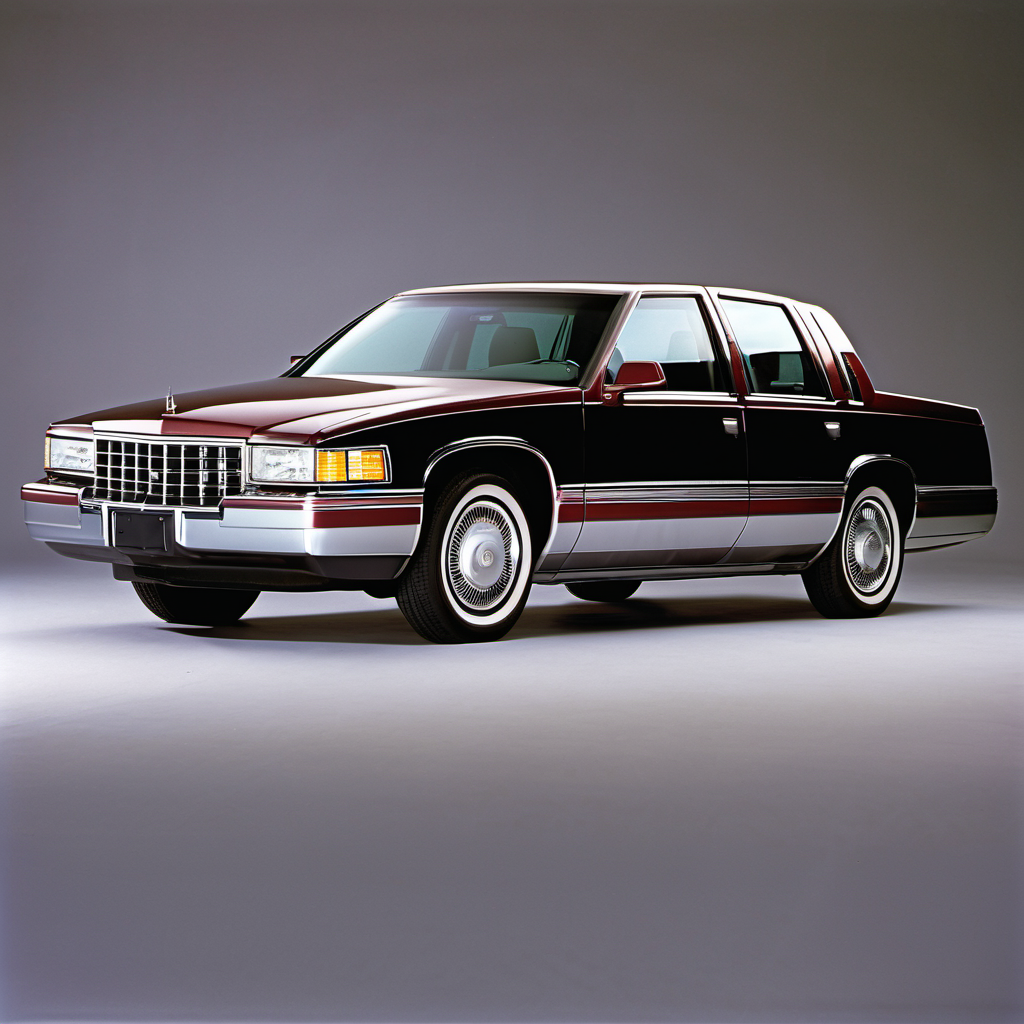
The direct domestic luxury rival — similar price, similar full-size sedan mission, and similar era. FWD vs. the Town Car's RWD is the key mechanical difference. DeVille has its own age-related issues but serves the same buyer.
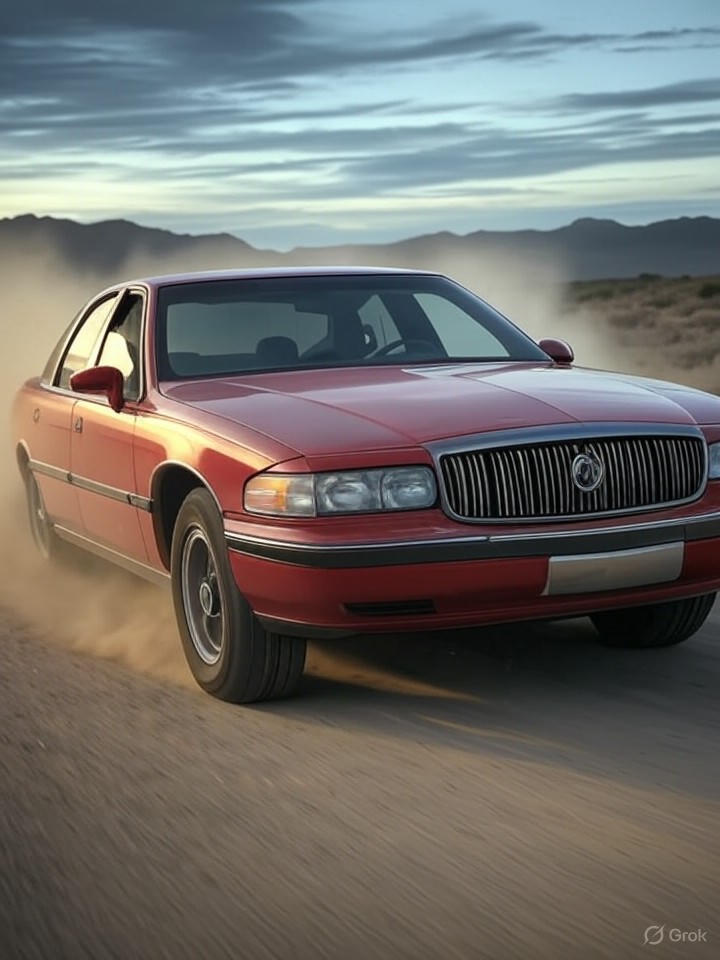
A step down in price but overlapping in mission — full-size, plush, highway-oriented American luxury. FWD, smaller engine, but strong build quality and similarly durable drivetrain.
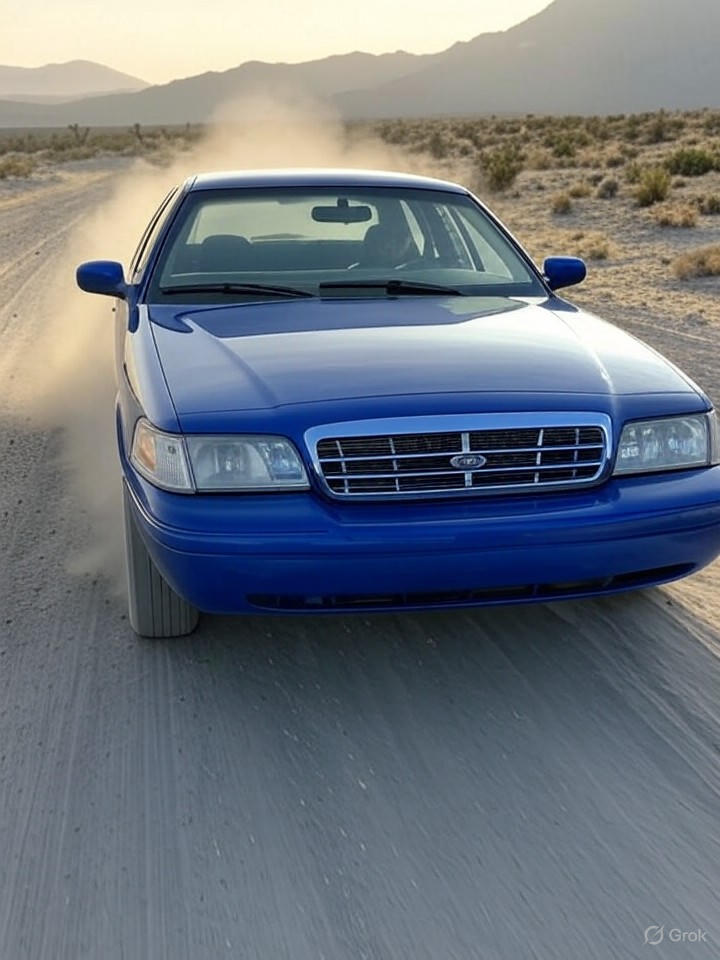
The Town Car's mechanical sibling on the same Panther platform. Stripped of luxury appointments but essentially identical underneath. Easier to find well-maintained examples (fleet/police) and parts are interchangeable.
Another Panther-platform stablemate, slotting between the Crown Vic and Town Car in trim level. Shares nearly all drivetrain and suspension components, making it a practical alternative if a clean Town Car is hard to find.