Throttle Body Injection (TBI) fuel injector wear and fuel pressure regulator failure
high- Typically appears
- 80k–150k+ mi
- Estimated repair
- $150 – $450
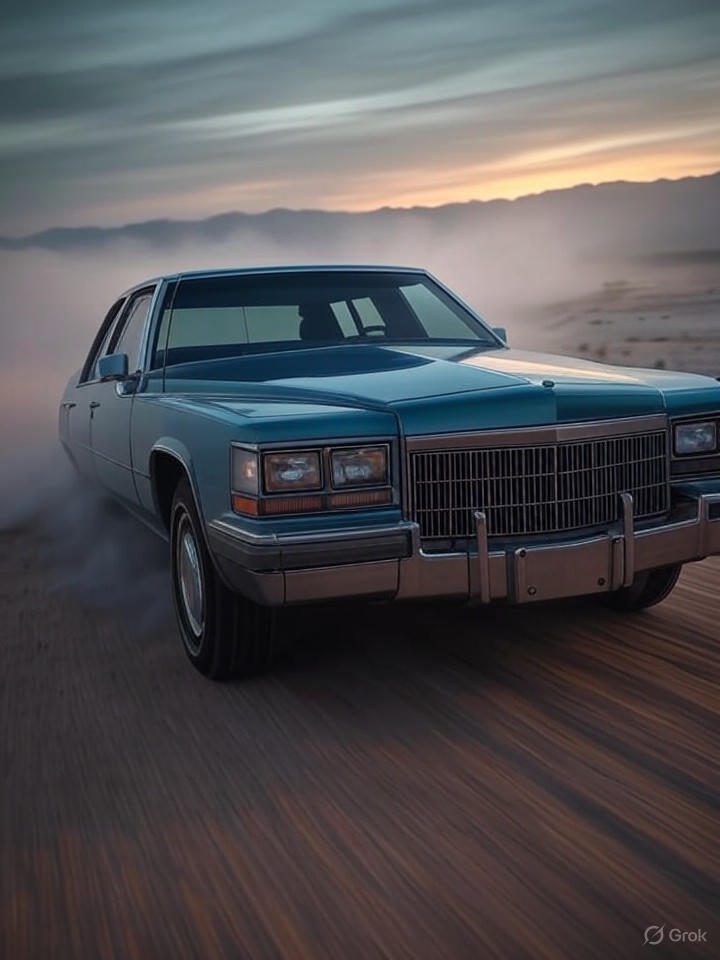
1992 Cadillac
Sedan
The 1992 Cadillac Brougham is the final expression of GM's classic rear-wheel-drive, body-on-frame full-size luxury sedan — a platform that traces its roots back to the 1977 downsizing. By 1992, Cadillac was winding down this generation before its retirement after the model year, so this is essentially the last of the old-school American land yachts. It rides on a 121.5-inch wheelbase with a 5.0L or 5.7L V8 up front, backed by a 4-speed automatic, and offers limousine-level rear passenger room with a smooth, isolating ride quality that modern luxury sedans rarely replicate. The Brougham earned its loyal following through sheer mechanical simplicity. The LO3 5.0L V8 (or optional LT1-predecessor 5.7L) is a pushrod, throttle-body-injected engine that any competent mechanic can work on without exotic tools. Parts availability from the GM fullsize truck and Caprice ecosystem means this car is not expensive to keep running. What it is not is sporty, fuel-efficient, or modern — it's a boulevard cruiser that rewards patient, steady drivers. Today these cars appeal strongly to collectors, livery enthusiasts, and buyers who want maximum interior space and a quiet highway ride. Well-maintained examples with documented service history are increasingly hard to find; rust is the number-one killer of surviving Broughams in the upper Midwest.
The 1992 Cadillac Brougham is the final expression of GM's classic rear-wheel-drive, body-on-frame full-size luxury sedan — a platform that traces its roots back to the 1977 downsizing. By 1992, Cadillac was winding down this generation before its retirement after the model year, so this is essentially the last of the old-school American land yachts. It rides on a 121.5-inch wheelbase with a 5.0L or 5.7L V8 up front, backed by a 4-speed automatic, and offers limousine-level rear passenger room with a smooth, isolating ride quality that modern luxury sedans rarely replicate. The Brougham earned its loyal following through sheer mechanical simplicity. The LO3 5.0L V8 (or optional LT1-predecessor 5.7L) is a pushrod, throttle-body-injected engine that any competent mechanic can work on without exotic tools. Parts availability from the GM fullsize truck and Caprice ecosystem means this car is not expensive to keep running. What it is not is sporty, fuel-efficient, or modern — it's a boulevard cruiser that rewards patient, steady drivers. Today these cars appeal strongly to collectors, livery enthusiasts, and buyers who want maximum interior space and a quiet highway ride. Well-maintained examples with documented service history are increasingly hard to find; rust is the number-one killer of surviving Broughams in the upper Midwest.
The LO3 TBI V8 has relatively loose tolerances compared to modern engines; fresh oil keeps lifters and the timing chain well lubricated
30-year-old rubber brake lines are a safety item; moisture-saturated fluid lowers boiling point and corrodes calipers from the inside
Old coolant turns acidic and attacks the aluminum intake manifold gaskets and the radiator; a cheap flush prevents a costly repair
Wisconsin road salt is the primary killer of surviving Broughams; catching surface rust early is far cheaper than structural repair later
The 4L60 depends on clean fluid to maintain proper hydraulic pressure in its servo bores; neglected fluid is the leading cause of slipping
Vacuum hoses on a 30+ year old car harden and crack invisibly; a collapsed hose can cause a lean condition that damages the engine over time
Cold Wisconsin winters are hard on batteries; the Brougham's electrical load (rear defrost, blower, lights) will strand you fast with a marginal battery at -10°F
The R-134a retrofit (if done) or original R-12 system will be 30+ years old; a working A/C is critical for occupant comfort in a large dark-colored luxury sedan in summer heat
Always defer to the manufacturer's service manual for warranty-mandated intervals.
Routine maintenance costs on this car are modest because parts are cheap and labor is straightforward — no specialty tools, no timing chains buried behind the engine, no exotic electronics. The big cost risks are rust remediation, a transmission rebuild, and any major body or trim restoration. A rust-free car with a clean service record is genuinely inexpensive to keep on the road; a neglected Midwest car can become a money pit quickly.
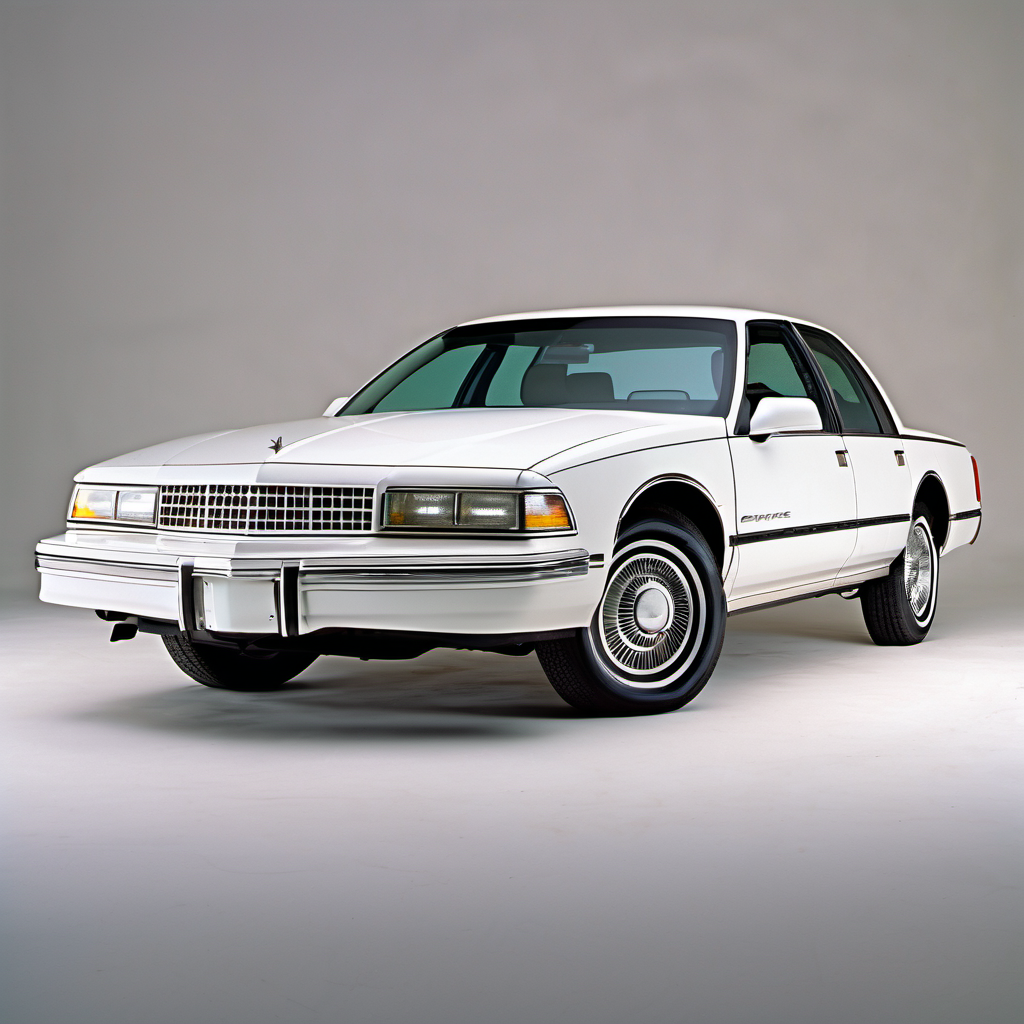
Shares the same B-body platform, 5.0L LO3 V8, and 4L60 transmission. Less prestige but identical mechanicals and much easier to find rust-free examples priced affordably.
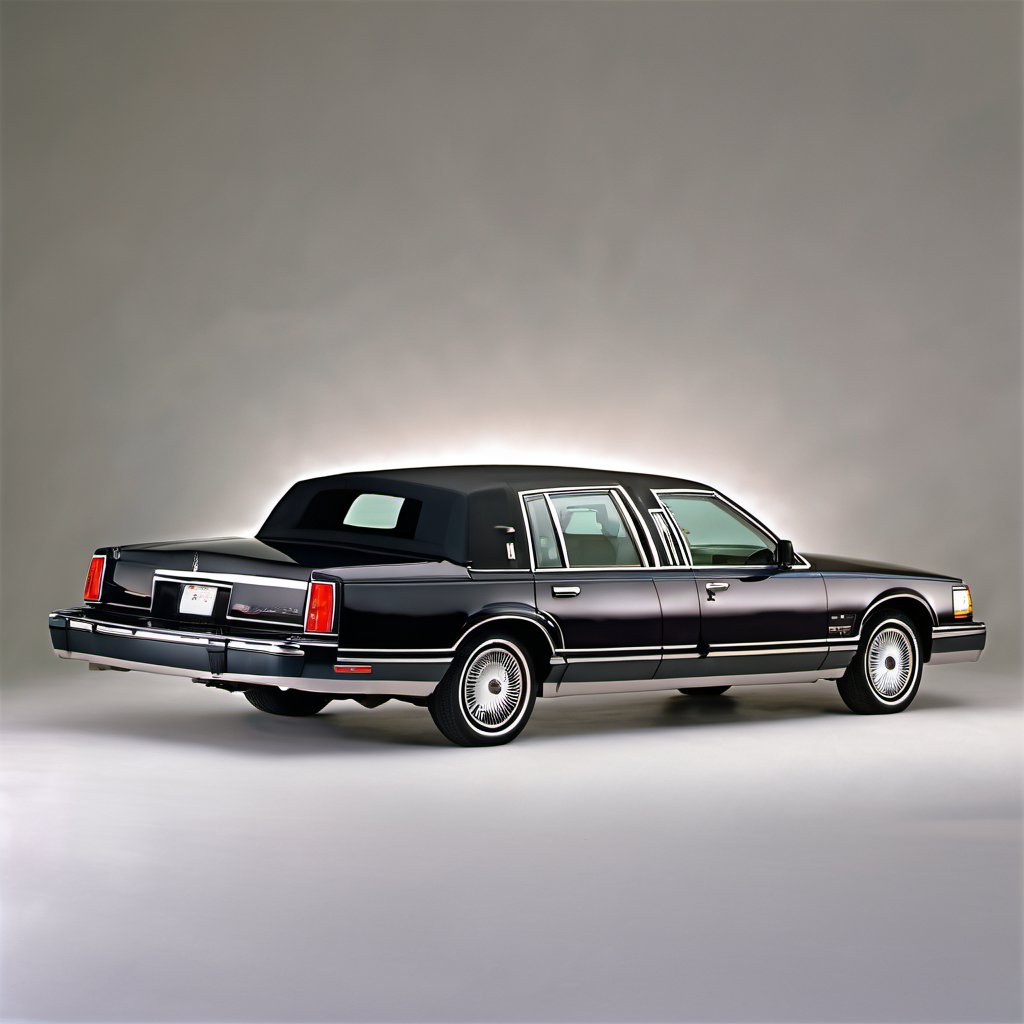
The direct American luxury competitor — also RWD, body-on-frame, V8, six-passenger. Ford's 4.6L SOHC is more modern but slightly harder to find independent shop support for versus the GM V8.
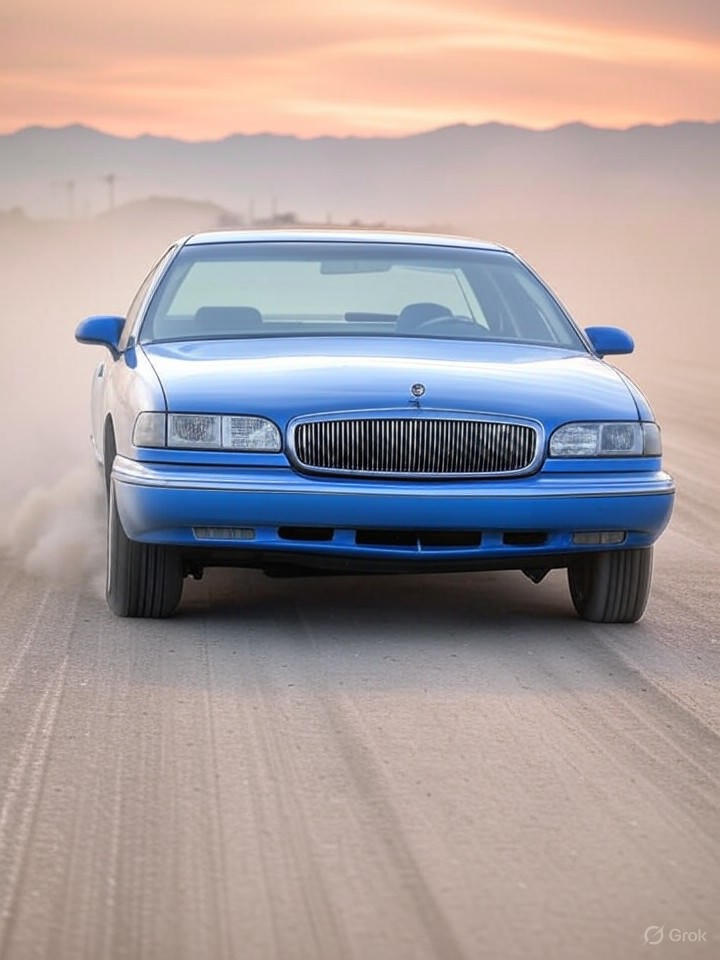
Also built on GM's B-body platform, shares nearly all drivetrain components with the Brougham, and was offered as a wagon — easier to find clean examples and priced similarly.
Panther-platform Ford counterpart — similarly simple RWD V8 architecture, comparable ride comfort and size, and strong parts availability. A practical alternative if Brougham pricing is high.