12V Auxiliary Battery Drain
high- Typically appears
- 0–20k mi
- Estimated repair
- $150 – $300
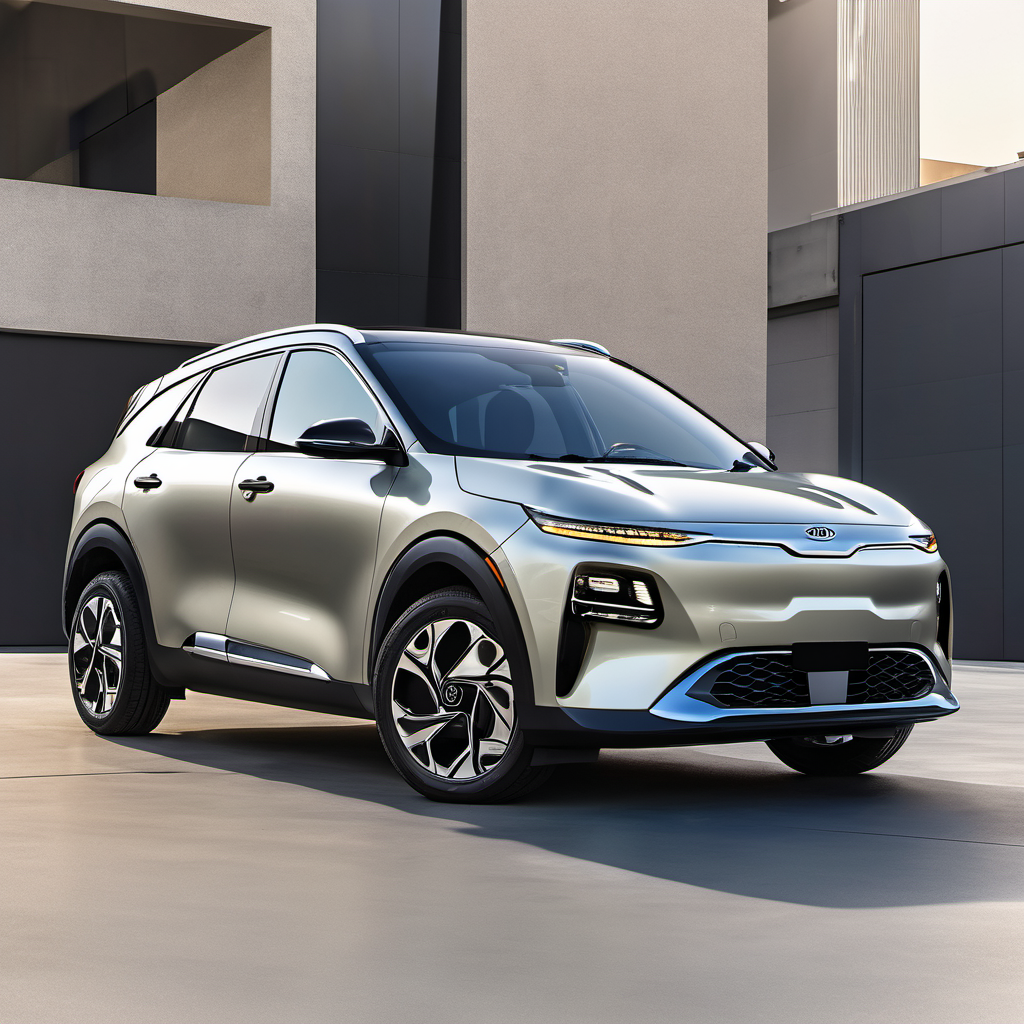
2024 Kia
Dual Permanent-Magnet Synchronous Motors
The 2024 Kia EV6 is a purpose-built electric crossover riding on Hyundai Motor Group's 800-volt E-GMP platform — the same architecture under the Genesis GV60 and Hyundai IONIQ 6. That 800V backbone is the headline: it supports ultra-fast DC charging (up to 350 kW capable, though real-world rates depend on the charger), meaning a 10–80% charge in roughly 18 minutes under ideal conditions. The EV6 is offered in Standard Range RWD, Long Range RWD, and Long Range AWD configurations; the GT-Line and GT trims add aggressive styling and, in the GT's case, a dual-motor 576-hp punch. Daily living with the EV6 is genuinely easy. The interior is roomy for the car's footprint, the 12.3-inch dual-screen layout works intuitively, and over-the-air updates keep software current without a dealership trip. Cargo space is generous for the class, and the frunk adds a small but useful extra storage compartment. For Lake Geneva-area owners, the main adjustment is range planning in winter. Cold battery chemistry and cabin heating load can cut EPA-rated range by 20–35% on the coldest days. The flip side: operating costs are low, brake wear is minimal thanks to strong regenerative braking, and there's no oil to change, no timing belt, no spark plugs.
The 2024 Kia EV6 is a purpose-built electric crossover riding on Hyundai Motor Group's 800-volt E-GMP platform — the same architecture under the Genesis GV60 and Hyundai IONIQ 6. That 800V backbone is the headline: it supports ultra-fast DC charging (up to 350 kW capable, though real-world rates depend on the charger), meaning a 10–80% charge in roughly 18 minutes under ideal conditions. The EV6 is offered in Standard Range RWD, Long Range RWD, and Long Range AWD configurations; the GT-Line and GT trims add aggressive styling and, in the GT's case, a dual-motor 576-hp punch. Daily living with the EV6 is genuinely easy. The interior is roomy for the car's footprint, the 12.3-inch dual-screen layout works intuitively, and over-the-air updates keep software current without a dealership trip. Cargo space is generous for the class, and the frunk adds a small but useful extra storage compartment. For Lake Geneva-area owners, the main adjustment is range planning in winter. Cold battery chemistry and cabin heating load can cut EPA-rated range by 20–35% on the coldest days. The flip side: operating costs are low, brake wear is minimal thanks to strong regenerative braking, and there's no oil to change, no timing belt, no spark plugs.
EVs are heavy and use strong regenerative braking, but tires still wear — often faster on the front due to weight distribution. Rotation preserves even wear and maximizes tire life.
The EV6 relies heavily on its HVAC for battery thermal management as well as passenger comfort. A clogged cabin filter makes the system work harder and can affect heating efficiency — especially important in Wisconsin winters.
Brake fluid is hygroscopic and degrades over time. Because regenerative braking does most of the work, the hydraulic brakes see infrequent use — meaning fluid can go long periods without heat cycling. A time-based flush prevents corrosion and maintains ABS/ESC reliability.
Rear calipers on EVs with strong regen can sit inactive long enough to partially seize. Annual inspection and slider lubrication prevents a costly caliper replacement.
The EV6's range is directly tied to rolling resistance. Even 4–5 PSI low cuts range noticeably. Pressure drops roughly 1 PSI per 10°F of temperature loss — critical in Wisconsin winters.
The 12V battery powers all control modules and is needed to wake the high-voltage system. Early failure is the top complaint on this platform. Proactive replacement before it strands you is cheap insurance.
Standard silicone or beam-style blades handle Wisconsin ice and snow better than traditional framed blades. Replace in fall before freeze-thaw cycles begin.
Kia has addressed multiple known issues — including 12V drain and charging faults — through software updates. Confirm the vehicle is on the latest firmware before pursuing hardware repairs.
Always defer to the manufacturer's service manual for warranty-mandated intervals.
The EV6's running costs are genuinely low. No oil changes, no spark plugs, no exhaust system, minimal brake wear. Annual maintenance is largely tires, brake fluid, cabin filter, and 12V battery attention. The wildcard is any out-of-warranty high-voltage battery or charging system repair, which can run $5,000–$15,000+. Kia's 10-year/100,000-mile high-voltage battery warranty provides strong protection for the first owner.
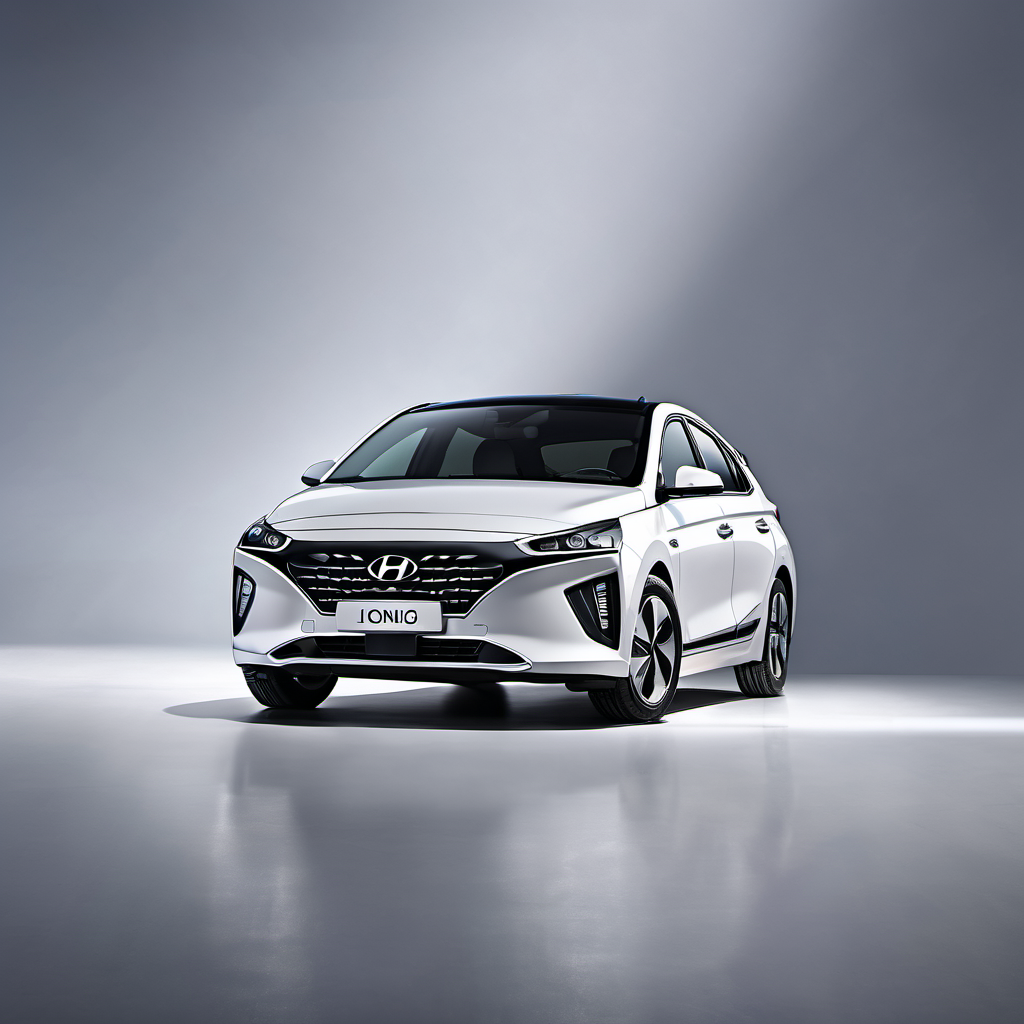
Shares the same E-GMP 800V platform and battery options as the EV6. Sedan body is more aerodynamic (better range), but less cargo space. Essentially a sibling — useful if you want to compare real-world range and dealer network coverage.
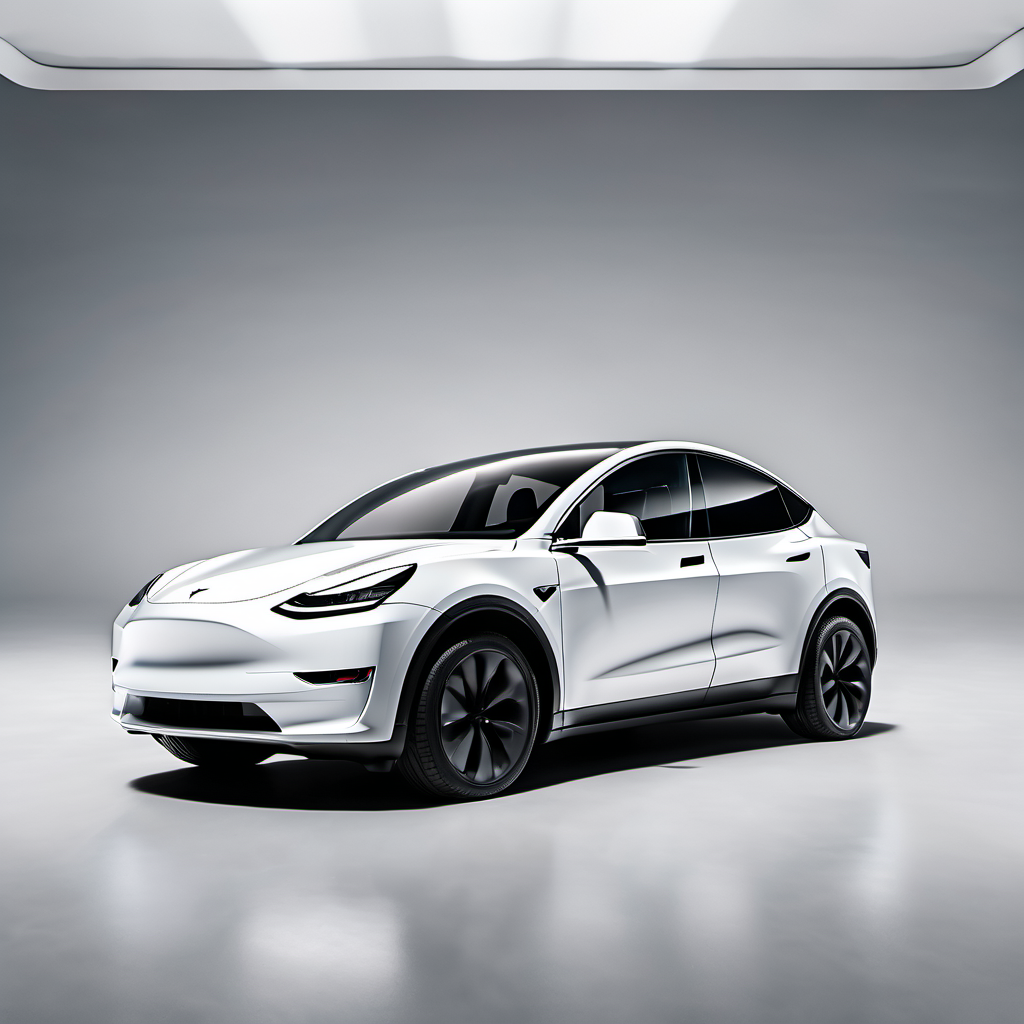
The segment benchmark by volume. Supercharger network is more mature in Wisconsin, but the EV6 matches or beats it on charging speed at capable DCFC stations. Compare total cost of ownership closely — they're often within $2,000 of each other.
Similar crossover footprint and price range. The ID.4 uses a 400V architecture with slower peak charging, but benefits from access to Tesla Superchargers (with adapter). Worth a side-by-side if charging speed is less of a priority.
No catalog match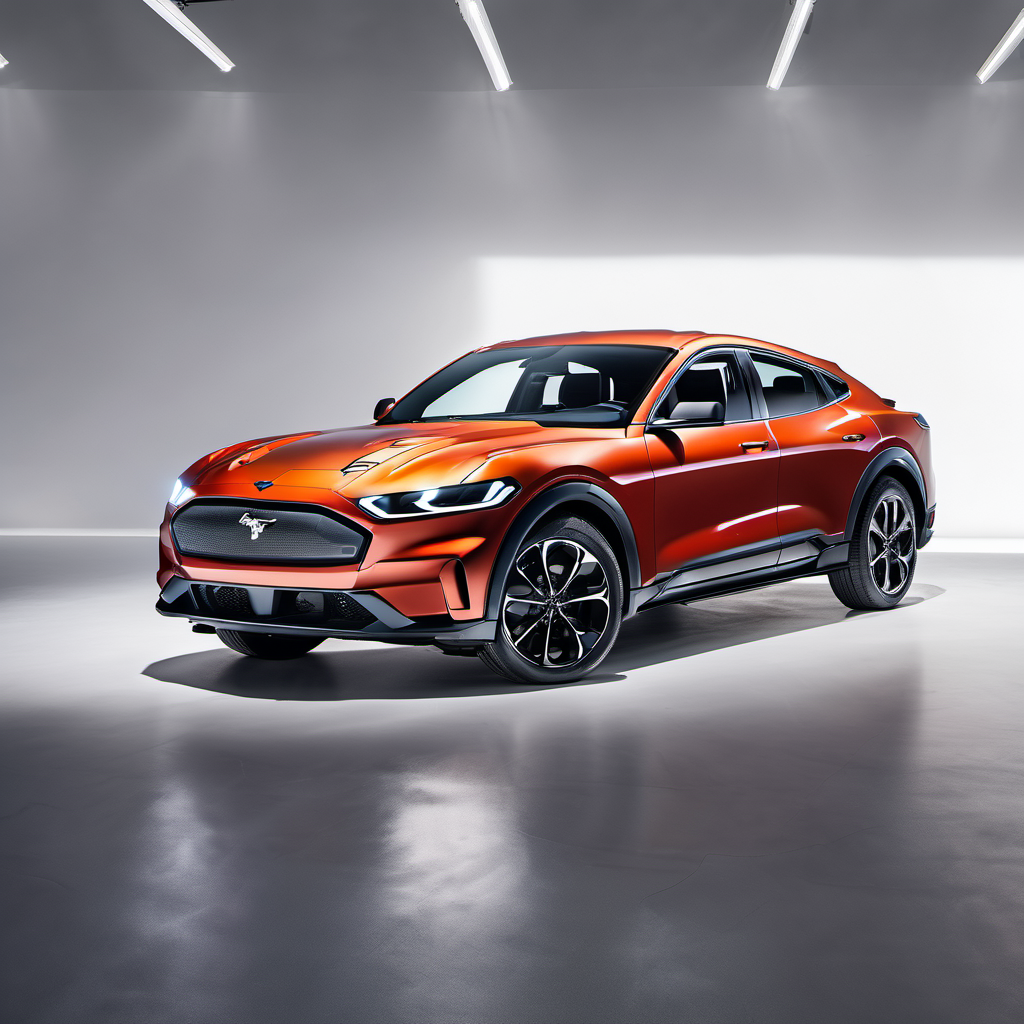
Competing electric crossover at a similar price point. Ford's dealer network is strong in the Midwest, and the Mach-E has a larger established ownership community. Check real-world range reports for winter performance before deciding.