2024 Hyundai IONIQ 6

2024 Hyundai

IONIQ 6

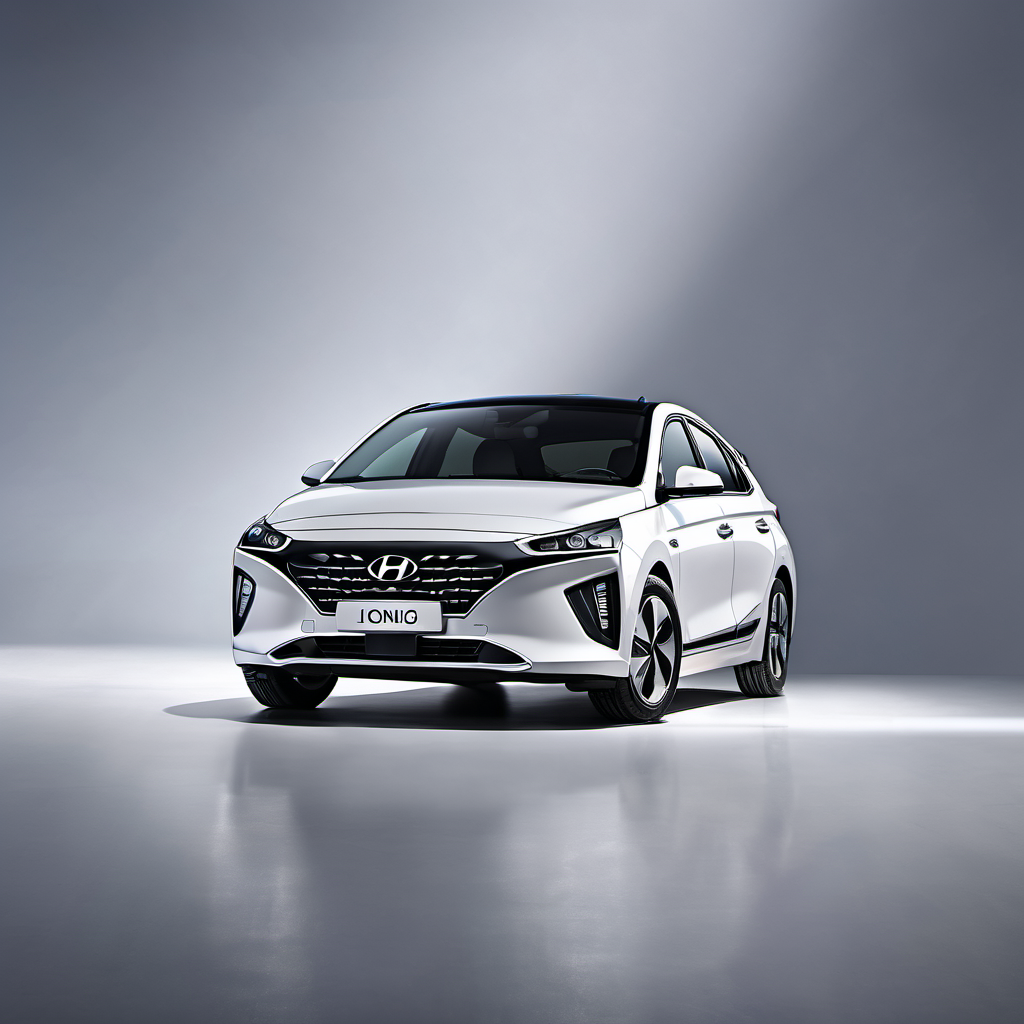
The 2024 Hyundai IONIQ 6 is a sleek, aerodynamic all-electric fastback sedan built on Hyundai's 800V E-GMP platform. It earns some of the best EPA efficiency ratings in its class — the AWD dual-motor version delivers 320 hp and a combined MPGe figure that beats many competitors. The streamlined body isn't just for looks; a 0.21 Cd drag coefficient directly contributes to its impressive range and highway efficiency. Inside, the IONIQ 6 is driver-focused with a minimalist cockpit, dual curved displays, and a flat floor thanks to the dedicated EV architecture. It seats five comfortably, offers a usable frunk, and supports both 400V and 800V DC fast charging — meaning it can accept up to 350 kW at compatible stations and add roughly 70 miles of range in about 5 minutes under ideal conditions. For a Lake Geneva driver, the AWD version is the clear pick for Wisconsin winters — it adds traction on snow and ice while keeping nearly identical efficiency to the RWD model. Cold-weather range loss is real and requires planning, but the car's pre-conditioning system helps manage both battery temp and cabin comfort before you unplug.

Reliability
3/5
Verified data
Specs shown for Ioniq 6 Long range AWD (18 inch Wheels) — the most common configuration. Other trims may vary in engine, drivetrain, or fuel economy. Sign in to see your vehicle's exact specs.
Engine
[object Object]
Drivetrain
AWD
Fuel
Electric
MPG
130 city / 111 hwy / 121 combined
Seats
Doors
Body
Midsize Cars

Overview

AI-curated

The 2024 Hyundai IONIQ 6 is a sleek, aerodynamic all-electric fastback sedan built on Hyundai's 800V E-GMP platform. It earns some of the best EPA efficiency ratings in its class — the AWD dual-motor version delivers 320 hp and a combined MPGe figure that beats many competitors. The streamlined body isn't just for looks; a 0.21 Cd drag coefficient directly contributes to its impressive range and highway efficiency. Inside, the IONIQ 6 is driver-focused with a minimalist cockpit, dual curved displays, and a flat floor thanks to the dedicated EV architecture. It seats five comfortably, offers a usable frunk, and supports both 400V and 800V DC fast charging — meaning it can accept up to 350 kW at compatible stations and add roughly 70 miles of range in about 5 minutes under ideal conditions. For a Lake Geneva driver, the AWD version is the clear pick for Wisconsin winters — it adds traction on snow and ice while keeping nearly identical efficiency to the RWD model. Cold-weather range loss is real and requires planning, but the car's pre-conditioning system helps manage both battery temp and cabin comfort before you unplug.

Known for
  • Top-tier EPA efficiency (up to 140 MPGe city on RWD)
  • 800V multi-charge technology for rapid DC fast charging
  • Award-winning aerodynamic fastback design (Cd 0.21)
  • Generous standard safety tech (SmartSense suite)
  • Flat-floor cabin with dedicated EV architecture
Best for
  • Daily commuters wanting low running costs
  • Drivers who do most charging at home overnight
  • Those wanting a stylish, tech-forward sedan
  • Wisconsin AWD buyers who want EV efficiency without sacrificing winter traction
Watch for
  • 12V auxiliary battery drain — a known early-ownership issue
  • Real-world range drops 20–30% in sustained sub-zero Wisconsin temperatures
  • DC fast-charge network gaps outside major corridors
  • Software OTA updates occasionally introduce new bugs
  • Charging port fitment complaints require dealer diagnosis

Common issues by mileage

6 known

12V Auxiliary Battery Excessive Drain

high
Typically appears
0–30k mi
Estimated repair
$200 – $400

Lost Communication with ECM/PCM (U0100) — Triggered by 12V Drop

medium
Typically appears
0–30k mi
Estimated repair
$150 – $350

Charging Port Fitment / Locking Failures

medium
Typically appears
0–40k mi
Estimated repair
$200 – $600

Cold-Weather Range Reduction

high
Typically appears
All mileage (seasonal)
Estimated repair
$0

Software / OTA Update Glitches (Infotainment, ADAS Resets)

medium
Typically appears
0–50k mi
Estimated repair
$0 – $200

Brake Caliper Corrosion (Rear, Low-Use on Regen-Heavy EV)

medium
Typically appears
30–80k mi
Estimated repair
$150 – $450

Maintenance schedule

  1. 1
    Every 6 months or when leaving the car parked more than 2 weeks Check and charge the 12V auxiliary battery

    The IONIQ 6's 12V battery is a documented weak point. A depleted 12V can trigger U0100 communication faults and leave the car unable to start or wake up. In Wisconsin winters, cold accelerates self-discharge — keep a smart trickle charger on hand if the car will sit.

  2. 2
    Every 7,500 miles or 9 months Tire rotation

    EVs are heavy and apply torque instantly; AWD models wear tires faster than ICE equivalents. Rotating on schedule protects your investment — EV-rated tires are expensive to replace prematurely.

  3. 3
    Every 12 months (before winter) Inspect and clean rear brake calipers

    Regenerative braking handles most stopping on an EV, so the friction brakes see light use. Low-use calipers in Wisconsin's salt and moisture environment can seize. Annual inspection and anti-seize service keeps them functional.

  4. 4
    Every 2 years or 30,000 miles Cabin air filter replacement

    Filters HVAC air for the heat pump system. A clogged filter reduces heating and cooling efficiency, which directly cuts range in extreme temperatures.

  5. 5
    Every 2 years Brake fluid flush

    Hygroscopic DOT fluid absorbs moisture over time even with light brake use. In an EV, degraded fluid may go unnoticed longer because the friction brakes are used less — don't skip this service.

  6. 6
    Before each Wisconsin winter season Switch to winter tires and verify tire pressure weekly

    EV torque on slippery roads demands proper winter rubber. Cold air drops tire pressure roughly 1 PSI per 10°F — under-inflated tires reduce range and handling. Check pressure when cold, not after driving.

  7. 7
    Every 5 years or per Hyundai schedule High-voltage battery coolant (thermal management system) flush

    The E-GMP battery uses an active liquid cooling system. Degraded coolant reduces thermal management efficiency, which affects charging speed and battery longevity — especially relevant in Wisconsin temperature extremes.

  8. 8
    As needed / at each service visit Verify all pending OTA software updates are installed

    Hyundai has pushed multiple updates addressing 12V drain, charging behavior, and ADAS calibration. Staying current can resolve known issues before they become shop visits.

Always defer to the manufacturer's service manual for warranty-mandated intervals.

Cost of ownership

Annual maintenance
$200 – $600
Fuel
At Wisconsin's average residential electric rate (~$0.15/kWh), expect roughly $500–$700/year for 12,000 miles of mixed driving. DC fast-charging exclusively would roughly double that figure.
Insurance
Expect modestly higher premiums than a comparable ICE midsize sedan — typically $1,400–$2,000/year for full coverage in Wisconsin — due to higher repair costs for EV components and the vehicle's purchase price.

The IONIQ 6 has very low routine maintenance costs — no oil changes, no exhaust, no spark plugs. Most annual spend goes to tires (heavier vehicle, instant torque), brake service (corrosion prevention), and the occasional 12V battery. Electricity costs are a fraction of gasoline for equivalent miles. The big financial unknown remains high-voltage battery long-term health, but Hyundai's 10-year/100k-mile battery warranty provides meaningful protection for the ownership window most buyers occupy.
Seasonal care

Lake Geneva, WI
Winter
  • Pre-condition the battery and cabin while still plugged in — this warms the pack to optimal temperature without drawing down your driving range, and is the single most effective way to offset Wisconsin cold-weather range loss.
  • Install dedicated winter tires before temps drop below 45°F. The IONIQ 6's OEM tires are not winter-rated; AWD does not compensate for all-season rubber on ice.
  • Check tire pressure weekly — cold air shrinks it fast and low pressure cuts range and handling on an already heavy vehicle.
  • Top off windshield washer fluid with -30°F rated fluid. The IONIQ 6 has a standard reservoir; Wisconsin salt spray will burn through it quickly.
  • Keep the 12V auxiliary battery healthy — cold is the enemy of any lead-acid or AGM battery, and this car is already known for 12V drain issues. If the car sits more than a few days in a cold garage, attach a smart maintainer.
  • After driving on salted roads, rinse the underbody when temps allow. The E-GMP platform has good underbody protection, but exposed brake components and connectors benefit from regular rinsing.
Summer
  • Park in shade or a garage when possible — heat soak degrades battery performance and increases the energy cost of cabin cooling before driving.
  • Let the car pre-condition on the charger in hot weather, not just cold — the heat pump works in reverse to cool the cabin and keep the battery in its ideal temp range.
  • Check tire pressure as temps rise — pressure increases with heat, and overinflated tires on a heavy EV reduce grip and cause uneven wear.
  • Inspect the A/C and heat pump refrigerant system annually; the IONIQ 6 uses the heat pump for both heating and cooling efficiency, and any refrigerant leak hurts both range and comfort.
  • After Wisconsin road-trip season, inspect brake rotors for surface rust from sitting — light rust is normal after rain, but seized calipers from underuse need attention before fall.

Comparable vehicles

If you're shopping for one

Red flags
  • Any U0100 or U0101 codes in history without a documented 12V battery replacement — could indicate recurring electrical gremlins.
  • Charging history showing exclusively DC fast charging with no Level 2 home charging — high-rate-only charging accelerates battery degradation over time.
  • CarFax or service records showing dealer visits for charging port issues without a clear resolution — these can be repeat problems.
  • Significant range reduction reported by owner (more than 15% below EPA at moderate temps) — may indicate early high-voltage battery capacity loss.
  • Any flood or hail damage history — water intrusion into the E-GMP battery pack or underbody electronics is a serious concern.
What to inspect
  • Pull the 12V auxiliary battery voltage reading — anything below 12.4V at rest is a warning sign, especially on cars under 30k miles.
  • Test all charge port functions: cable lock/unlock, J1772 Level 2, and CCS DC fast charge if possible. Charging port issues have been reported and can be expensive to resolve.
  • Check for any pending or recently applied OTA software updates in the vehicle's settings menu — a car that hasn't been updated may have known 12V or charging bugs still present.
  • Inspect rear brake rotors for unusual rust pitting or caliper slide pin seizing — low-use brakes on EVs corrode faster than expected in Wisconsin conditions.
  • Verify the high-voltage battery state of health via the Hyundai app or dealer scan — check that it reads above 95% on any car under 30k miles.
  • Test pre-conditioning (climate scheduling) to confirm it activates properly while plugged in — a non-functioning pre-condition system is a significant cold-weather liability in Lake Geneva winters.
AI profile generated 4 days ago · claude-sonnet-4-6 · v2.