12V Auxiliary Battery Drain
high- Typically appears
- 10–30k mi
- Estimated repair
- $200 – $400
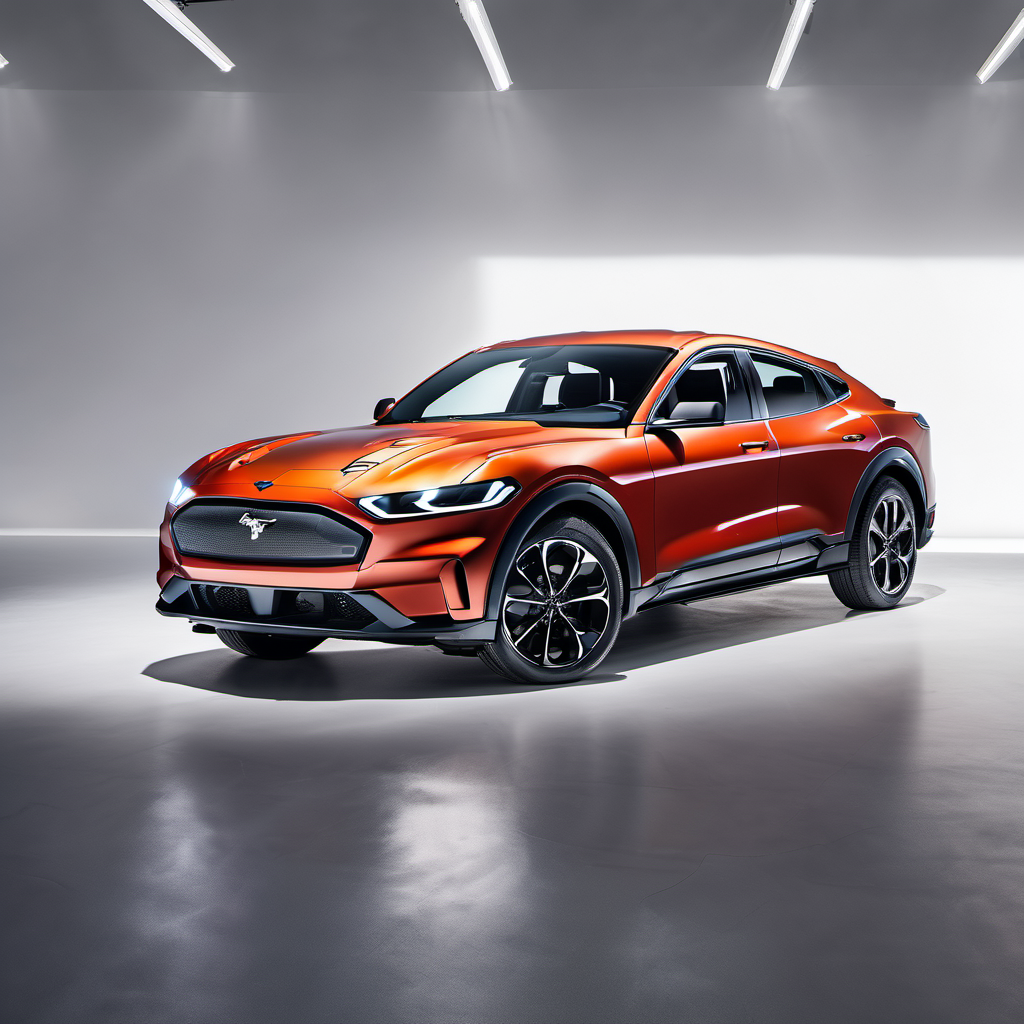
2024 Ford
The 2024 Ford Mustang Mach-E is a fully electric compact SUV that borrows the Mustang name but is built from the ground up as an EV. It offers a well-rounded blend of sporty styling, a spacious interior, and competitive all-electric range. Ford has been refining the platform since the 2021 launch, and the 2024 model year brings improved software stability and charging speeds compared to early examples. The Mach-E competes squarely with the Tesla Model Y and Volkswagen ID.4 in the electric crossover space. It stands out for its recognizable design, the built-in Ford Power-Up over-the-air update system, and an established dealer network — an advantage over some EV-only brands. The Sync 4A infotainment system with a large portrait touchscreen is central to the ownership experience. For Lake Geneva area owners, range planning matters year-round. Cold Wisconsin winters will meaningfully reduce the rated range, and the 12V auxiliary battery — a known weak spot across all Mach-E model years — deserves close attention as temperatures drop. Pre-conditioning the battery before driving is not optional here; it's a daily habit.
The 2024 Ford Mustang Mach-E is a fully electric compact SUV that borrows the Mustang name but is built from the ground up as an EV. It offers a well-rounded blend of sporty styling, a spacious interior, and competitive all-electric range. Ford has been refining the platform since the 2021 launch, and the 2024 model year brings improved software stability and charging speeds compared to early examples. The Mach-E competes squarely with the Tesla Model Y and Volkswagen ID.4 in the electric crossover space. It stands out for its recognizable design, the built-in Ford Power-Up over-the-air update system, and an established dealer network — an advantage over some EV-only brands. The Sync 4A infotainment system with a large portrait touchscreen is central to the ownership experience. For Lake Geneva area owners, range planning matters year-round. Cold Wisconsin winters will meaningfully reduce the rated range, and the 12V auxiliary battery — a known weak spot across all Mach-E model years — deserves close attention as temperatures drop. Pre-conditioning the battery before driving is not optional here; it's a daily habit.
The Mach-E's rear motor puts significant torque through the rear tires. Rotation extends tire life noticeably, and EV weight (4,400+ lbs) accelerates wear. Don't skip this — tires are your biggest routine cost on this vehicle.
The Mach-E relies heavily on its HVAC system for battery thermal management in Wisconsin winters. A clogged cabin filter stresses the system. Ford's published interval is 15k — stick to it or go shorter in dusty/high-pollen seasons.
This is the Mach-E's most common failure point. The 12V battery powers the low-voltage systems that wake the main battery. A weak 12V battery in January will leave you stranded. Load-test it every fall — replace proactively if it's more than 3 years old.
Regenerative braking reduces how often the physical brakes activate, so mileage is a misleading trigger. Brake fluid absorbs moisture over time regardless of use. Flush on a calendar basis — 2 years is Ford's recommendation.
Cold air reduces tire pressure roughly 1 PSI per 10°F drop. Underinflated tires on a heavy EV reduce range and cause uneven wear. Check manually in fall — TPMS alerts lag behind reality.
The liquid-cooled battery pack uses a dedicated coolant loop. Degraded coolant reduces thermal management efficiency, which is especially critical during Wisconsin winters and summer fast-charging sessions. Have it inspected per Ford's schedule.
Standard rubber wiper blades harden in sub-zero temps and streak badly. Swap to beam-style winter blades before the first freeze. The large windshield on the Mach-E means streaking significantly hurts visibility.
Ford's Power-Up OTA updates frequently address the HVAC, charging, and 12V battery management issues known to affect this vehicle. Staying current is one of the most cost-effective things you can do. Confirm updates complete successfully — failed installs can leave modules in a degraded state.
Always defer to the manufacturer's service manual for warranty-mandated intervals.
The Mach-E has one of the lowest routine maintenance costs of any vehicle in its class — no oil changes, no spark plugs, no exhaust work. Tire rotation, brake fluid, cabin filter, and the 12V battery are your primary recurring expenses. The big financial wildcard is the high-voltage battery pack; it's covered under Ford's 8-year/100,000-mile EV warranty, but any out-of-warranty pack work will be expensive. Keep the vehicle current on OTA updates and pre-condition the battery in winter to protect long-term battery health.
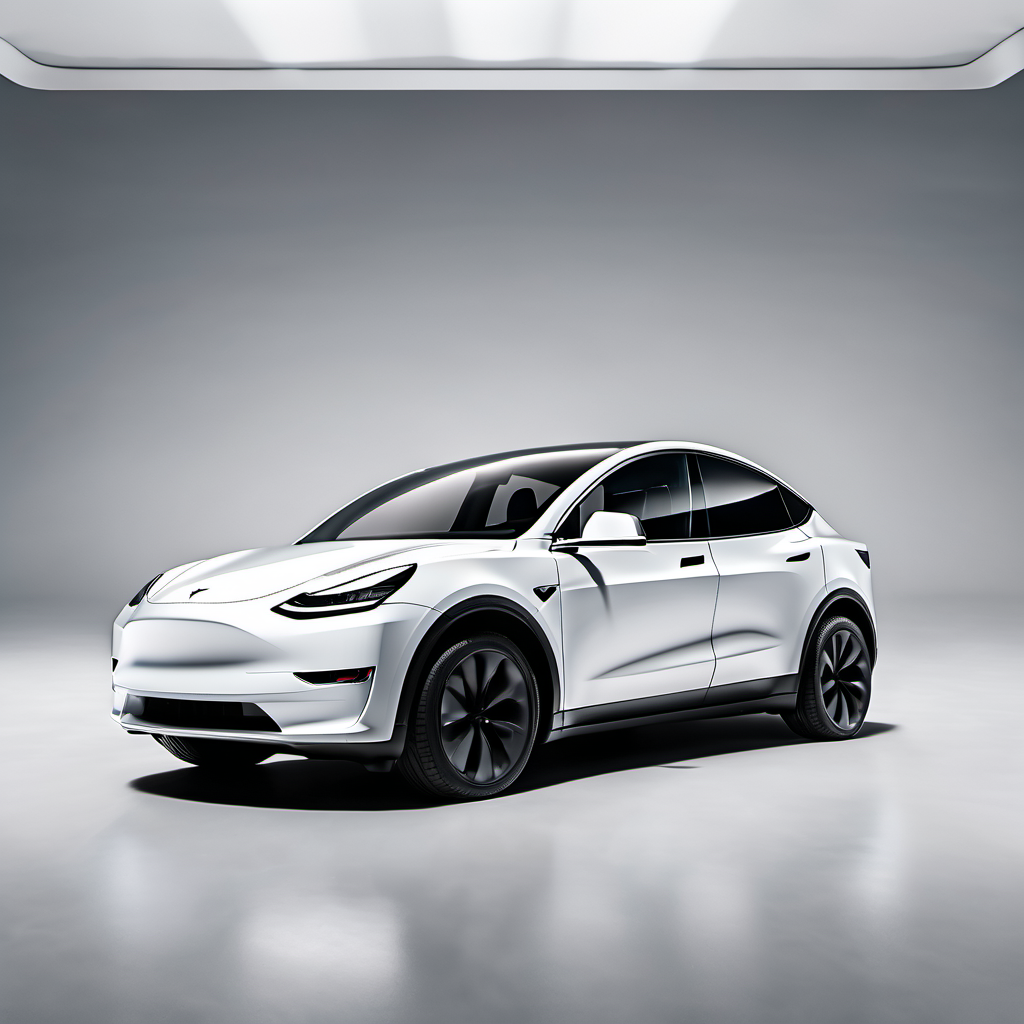
The closest direct competitor — similar range, similar price, compact electric SUV. Model Y has a more mature software platform and larger Supercharger network, but Ford's dealer service network is a real advantage for Lake Geneva-area owners.
Similar size, price, and mission. The ID.4 has a slightly more traditional SUV feel and also offers AWD. Worth cross-shopping if you want a more subdued driving character versus the Mach-E's sportier tuning.
No catalog match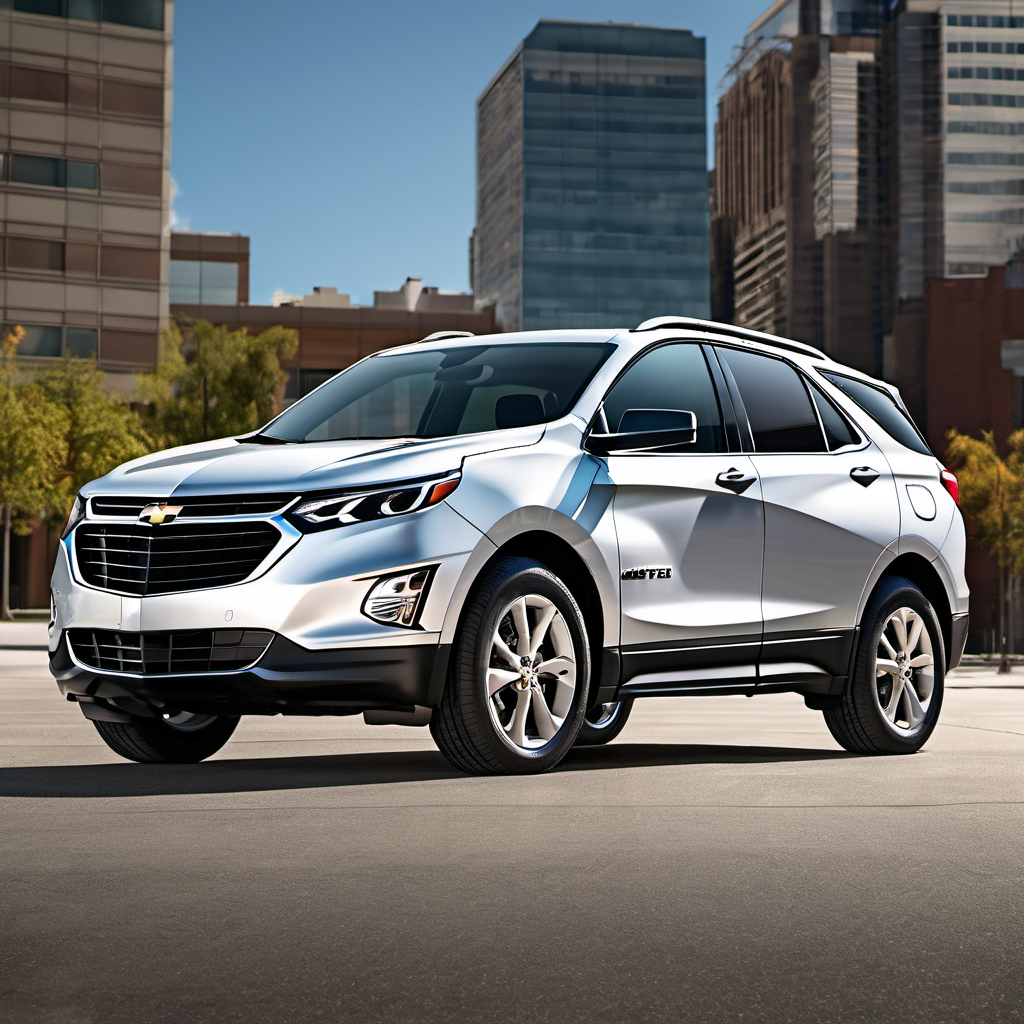
GM's entry into the affordable electric compact SUV space. The Equinox EV undercuts the Mach-E on base price and offers solid GM dealer coverage, though it arrived later and has less long-term ownership data available.
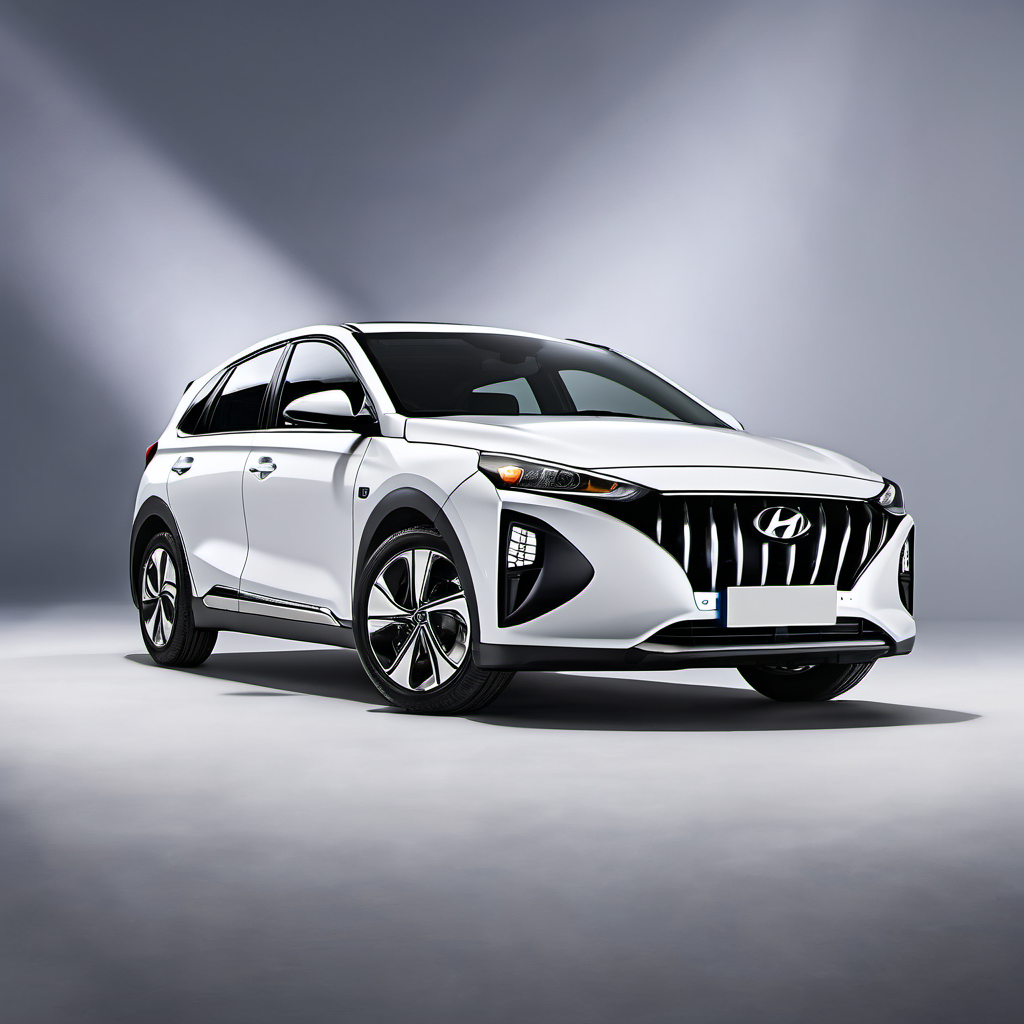
Strong range, ultra-fast 800V charging architecture, and well-regarded reliability for an EV. Slightly different body style (more hatchback-proportioned) but competes directly on price and mission.