Infotainment System Freezing / Random Reboots
medium- Typically appears
- 15–40k mi
- Estimated repair
- $0 – $300
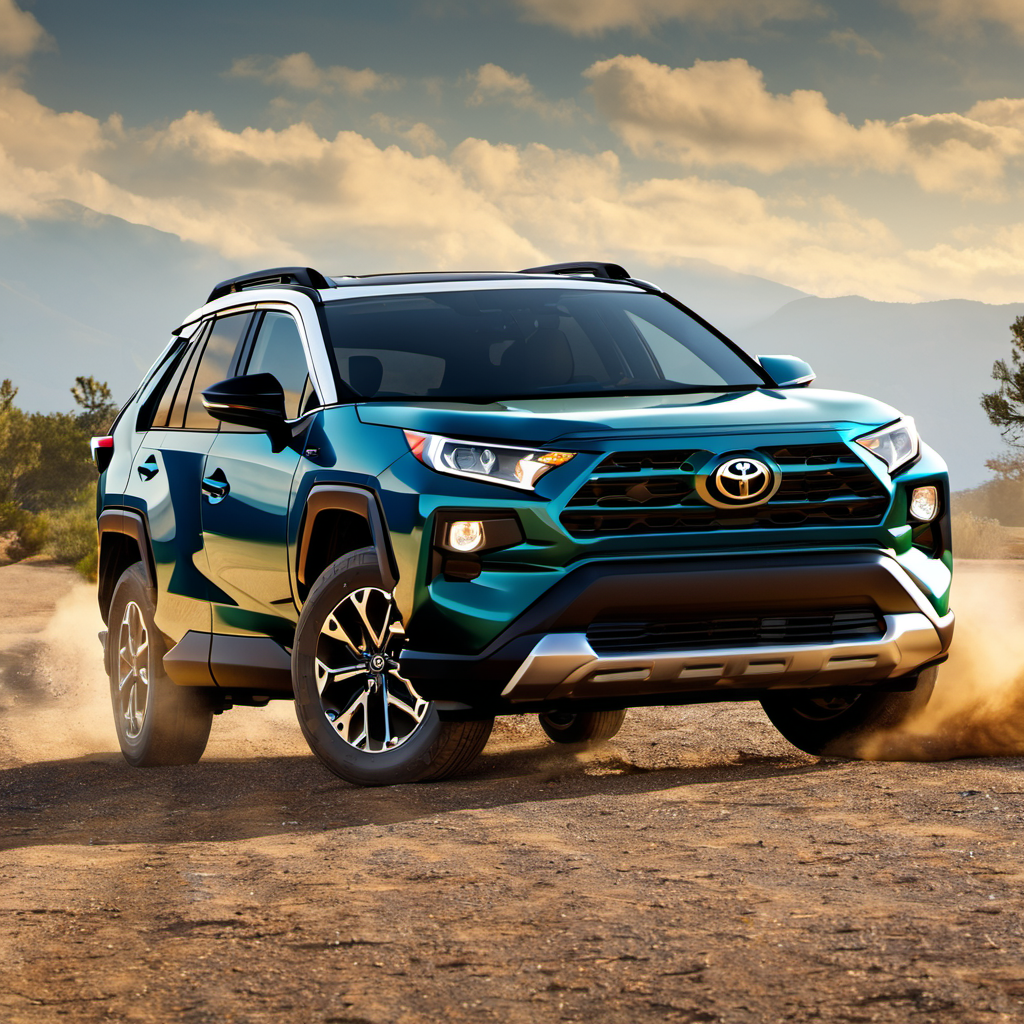
2022 Toyota
SUV
The 2022 Toyota RAV4 is the fifth-generation version of America's best-selling SUV, and it's earned that title through a straightforward formula: a proven 2.5L four-cylinder, a roomy cabin, genuine cargo space, and Toyota's long-standing reputation for durability. This generation (2019–present) brought a bolder exterior, a more rigid platform, and the addition of Toyota Safety Sense 2.0 as standard equipment across all trims. For daily drivers in the Lake Geneva area, the RAV4 ticks most boxes. AWD is available and well-regarded for light winter duty. Fuel economy is solid at 30 mpg combined, and operating costs are low compared to most competitors. It's not sporty — the transmission can feel sluggish from a stop — but it's predictable, practical, and holds its value exceptionally well. The main gripes owners raise are a somewhat dated infotainment interface that can freeze or reboot, occasional transmission hesitation at low speeds, and a ride that leans toward firm. None of these are deal-breakers, and none involve expensive repairs. Overall, the 2022 RAV4 is one of the safest used-vehicle purchases in its segment.
The 2022 Toyota RAV4 is the fifth-generation version of America's best-selling SUV, and it's earned that title through a straightforward formula: a proven 2.5L four-cylinder, a roomy cabin, genuine cargo space, and Toyota's long-standing reputation for durability. This generation (2019–present) brought a bolder exterior, a more rigid platform, and the addition of Toyota Safety Sense 2.0 as standard equipment across all trims. For daily drivers in the Lake Geneva area, the RAV4 ticks most boxes. AWD is available and well-regarded for light winter duty. Fuel economy is solid at 30 mpg combined, and operating costs are low compared to most competitors. It's not sporty — the transmission can feel sluggish from a stop — but it's predictable, practical, and holds its value exceptionally well. The main gripes owners raise are a somewhat dated infotainment interface that can freeze or reboot, occasional transmission hesitation at low speeds, and a ride that leans toward firm. None of these are deal-breakers, and none involve expensive repairs. Overall, the 2022 RAV4 is one of the safest used-vehicle purchases in its segment.
Toyota extended the OCI to 10k miles specifically for 0W-16 full synthetic. Using the wrong viscosity (e.g., 5W-30) or conventional oil shortens VVT component life and can trigger camshaft timing codes at higher mileage.
The RAV4's front tires carry more load and wear faster, especially on FWD trims. Regular rotation maximizes tire life and keeps handling predictable in Wisconsin winter conditions.
Wisconsin road conditions — salt, sand, and spring grit — can load up the air filter faster than the interval suggests. Inspect at 20k and replace no later than 30k.
Keeps airflow strong for the HVAC system and prevents musty odors that build up during wet Wisconsin seasons. Easy DIY job.
Brake fluid absorbs moisture over time, lowering its boiling point. This matters especially for hilly or stop-and-go driving in variable temps. Two-year intervals are standard for Toyota.
Toyota rates the WS fluid as 'lifetime,' but real-world experience shows fluid degradation by 60–80k miles, especially with stop-and-go use. Freshening the fluid often reduces the low-speed hesitation complaint.
Toyota SLLC is rated to 100k for the first change, then every 50k after. Do not mix with green or orange coolant — it causes gel buildup in the cooling passages.
The RAV4's battery is a known weak point in sub-zero temperatures. A battery that tests weak in October will likely fail in January. Lake Geneva regularly sees sub-zero wind chills.
Always defer to the manufacturer's service manual for warranty-mandated intervals.
The RAV4 is one of the least expensive compact SUVs to own over time. Routine service is straightforward — no timing belt, no complex turbo system, widely available parts. The biggest cost wildcard is the infotainment system, which may require a dealer software update (often covered under warranty if under 3 years/36k miles). Beyond that, expect few surprises before 100k miles with consistent maintenance.
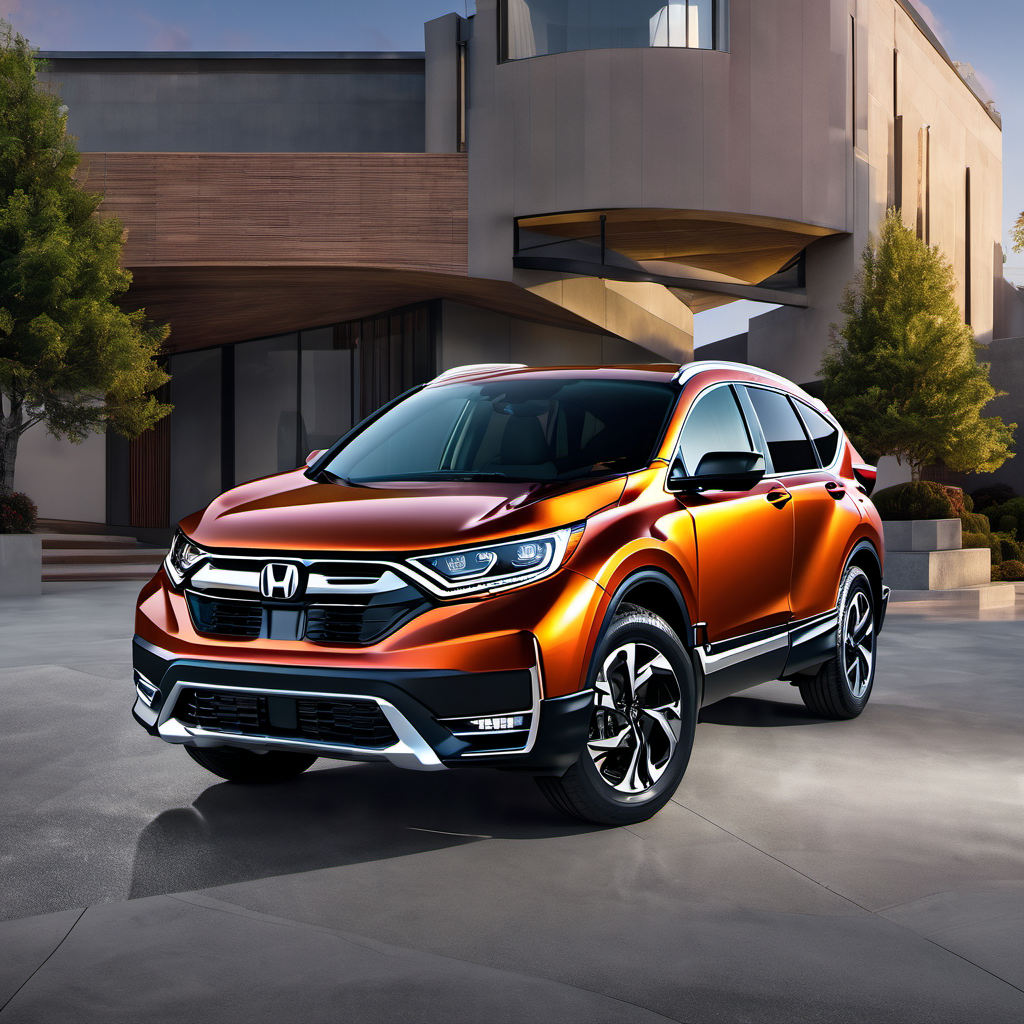
Direct segment rival. Turbocharged 1.5L offers a bit more low-end pull, slightly larger cargo area, and competitive reliability. However, the turbo adds a layer of long-term maintenance complexity the RAV4 avoids.
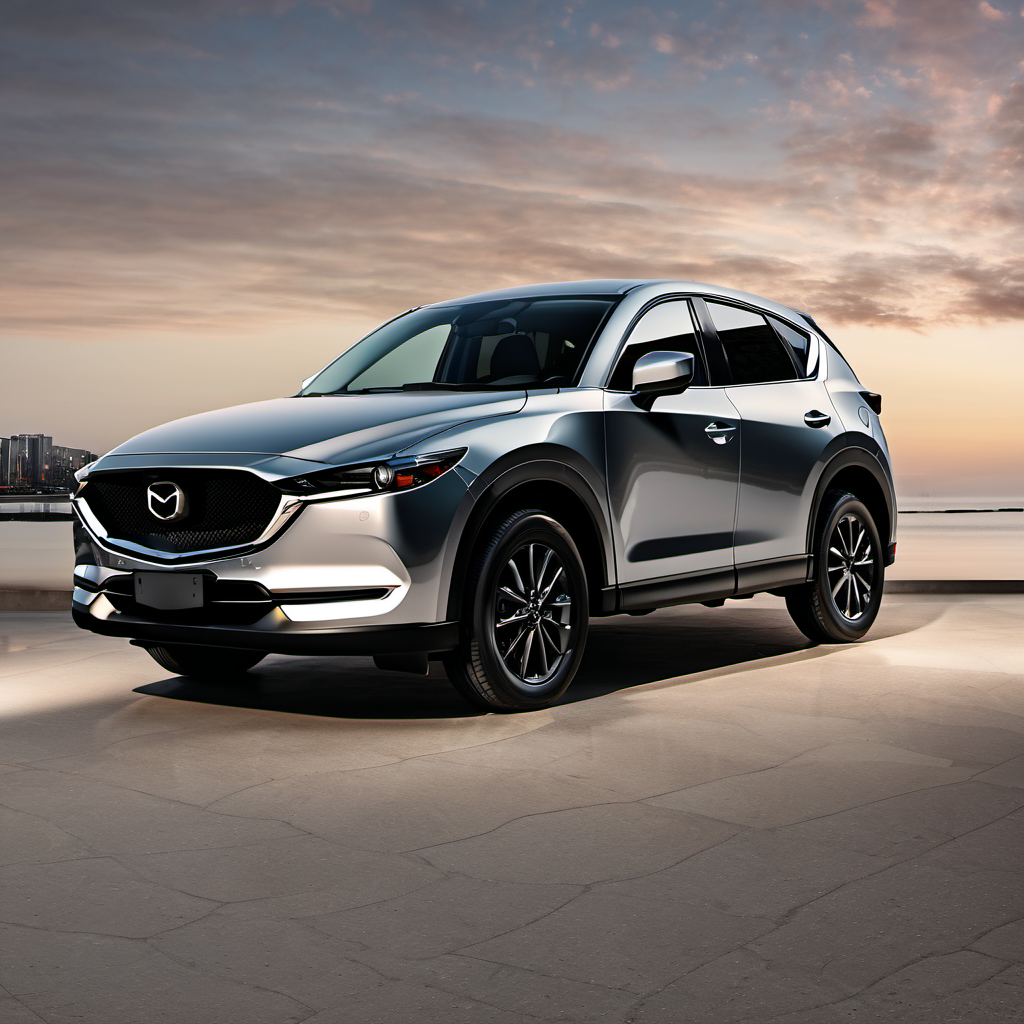
More refined interior and sharper handling than the RAV4. Available AWD, similar pricing. Slightly smaller cargo space and a smaller dealer/service network in the upper Midwest.
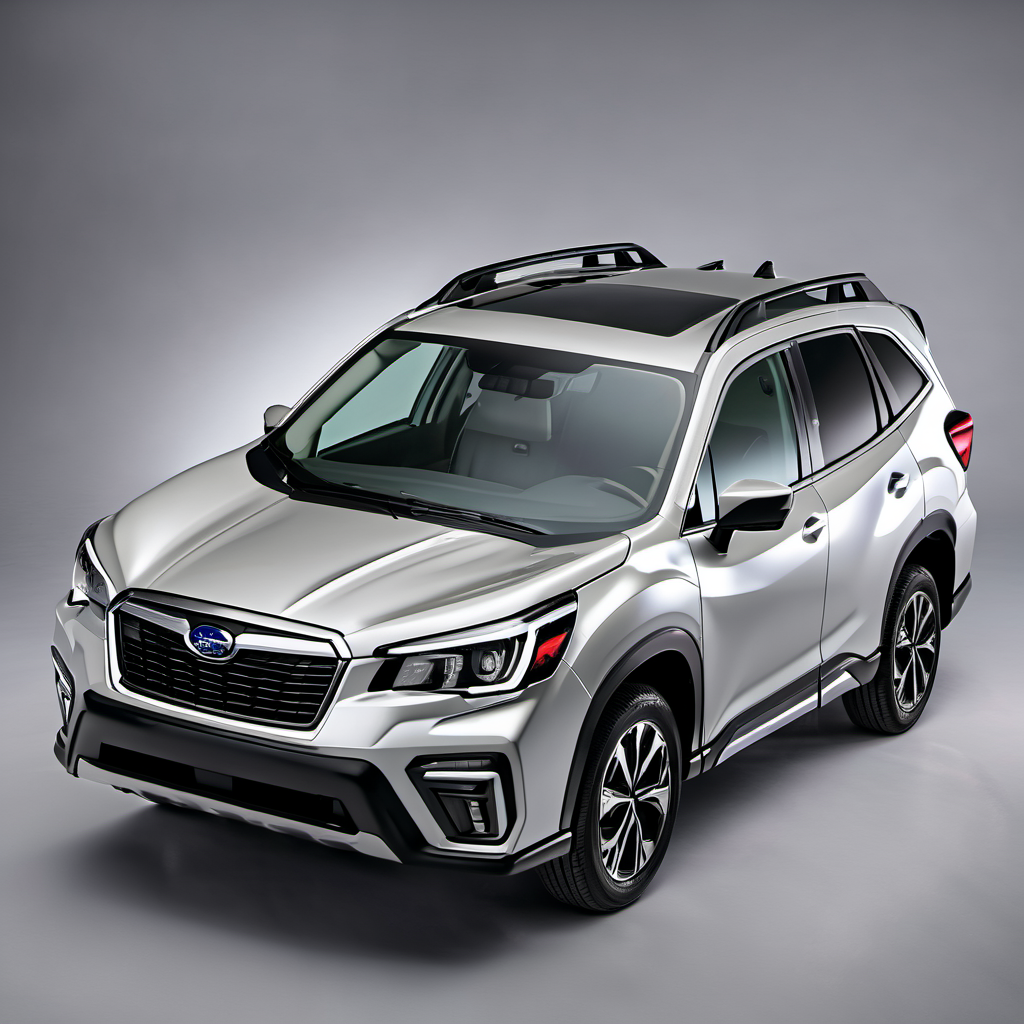
Standard symmetrical AWD on every trim makes it a strong Wisconsin winter choice. Comparable cargo space and visibility. Subaru's long-term reliability is solid but generally a step below Toyota's.
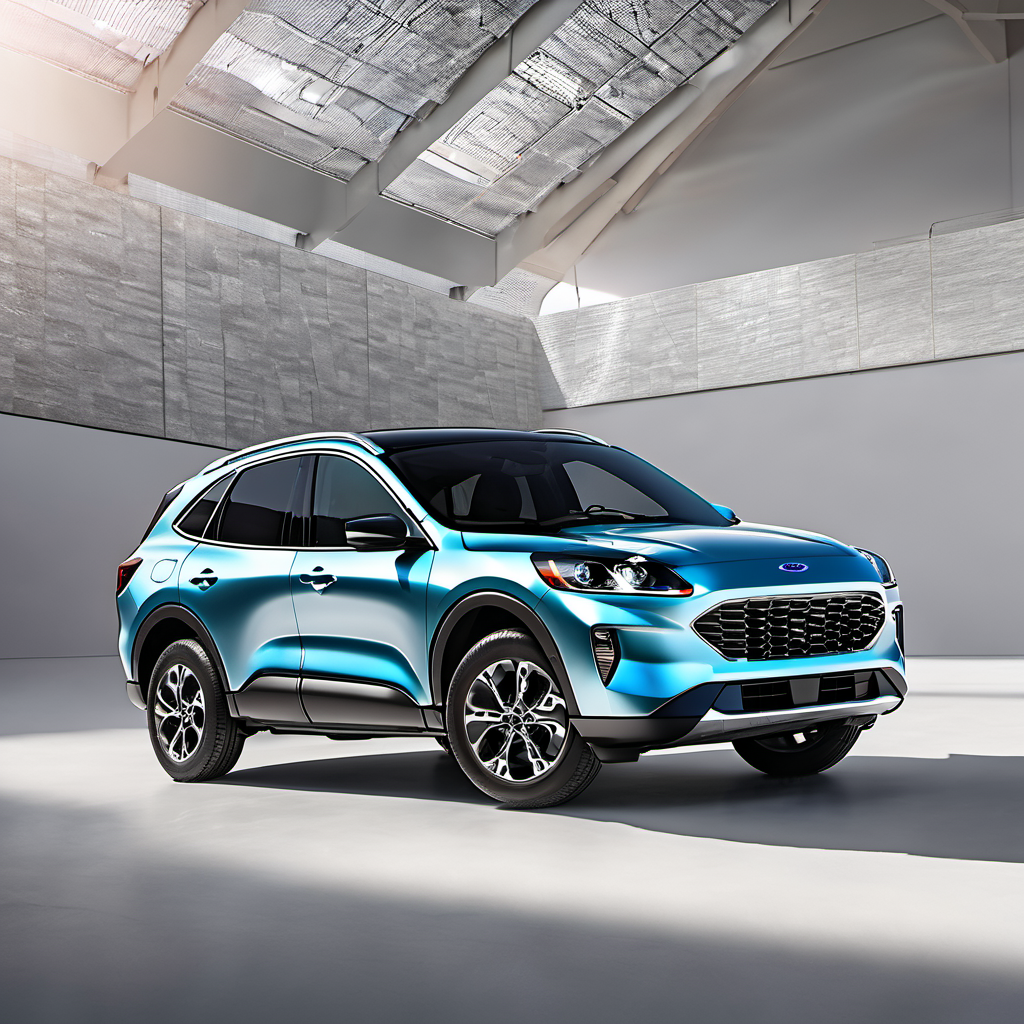
Lower entry price and available AWD. Turbocharged engines offer better performance feel but historically more reliability variance than Toyota's naturally aspirated 2.5L. Worth cross-shopping on price.