Infotainment System Freeze / Reboot
high- Typically appears
- 10–50k mi
- Estimated repair
- $0 – $350
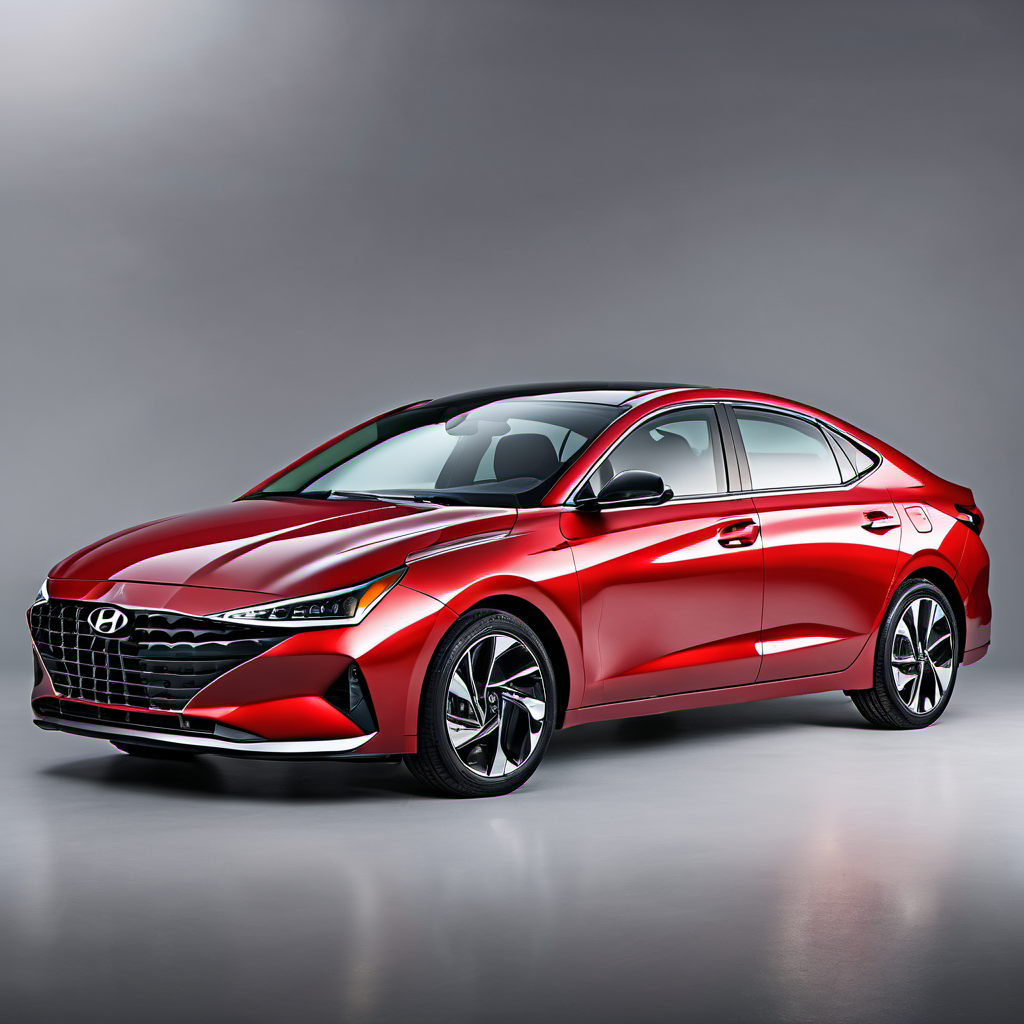
2021 Hyundai
Sedan
The 2021 Hyundai Elantra represents the seventh generation of Hyundai's long-running compact sedan, introduced with a bold new design and meaningful mechanical updates. It rides on an all-new platform that stretches the wheelbase and improves interior room while keeping the car's footprint competitive with the Civic and Corolla. The standard engine is a 2.0L naturally aspirated four-cylinder paired with a CVT, delivering a genuine 35 MPG combined — one of the best figures in the non-hybrid compact class. Hyundai repositioned the Elantra upmarket for 2021, adding standard safety tech (automatic emergency braking, lane-keep assist, blind-spot monitoring on higher trims) and a much-improved interior. Build quality feels a step above the previous generation, and the ride is composed for a car at this price point. A separate 1.6L turbocharged N Line variant exists, but the 2.0L base engine is by far the most common configuration. For a Lake Geneva commuter or college-town daily driver, this car makes a lot of sense: low running costs, genuine fuel economy, and a warranty backbone (5-year/60k bumper-to-bumper, 10-year/100k powertrain) that provides real peace of mind. The weak spots are a so-so infotainment system and a CVT that some drivers find unnatural, particularly in stop-and-go traffic.
The 2021 Hyundai Elantra represents the seventh generation of Hyundai's long-running compact sedan, introduced with a bold new design and meaningful mechanical updates. It rides on an all-new platform that stretches the wheelbase and improves interior room while keeping the car's footprint competitive with the Civic and Corolla. The standard engine is a 2.0L naturally aspirated four-cylinder paired with a CVT, delivering a genuine 35 MPG combined — one of the best figures in the non-hybrid compact class. Hyundai repositioned the Elantra upmarket for 2021, adding standard safety tech (automatic emergency braking, lane-keep assist, blind-spot monitoring on higher trims) and a much-improved interior. Build quality feels a step above the previous generation, and the ride is composed for a car at this price point. A separate 1.6L turbocharged N Line variant exists, but the 2.0L base engine is by far the most common configuration. For a Lake Geneva commuter or college-town daily driver, this car makes a lot of sense: low running costs, genuine fuel economy, and a warranty backbone (5-year/60k bumper-to-bumper, 10-year/100k powertrain) that provides real peace of mind. The weak spots are a so-so infotainment system and a CVT that some drivers find unnatural, particularly in stop-and-go traffic.
The 2.0L D-CVVT engine uses variable valve timing actuators that are sensitive to oil viscosity and cleanliness. Skipping or stretching oil changes is the leading cause of timing chain noise and VVT solenoid faults on this engine. Use 0W-20 full synthetic — do not substitute a heavier weight.
FWD cars wear front tires significantly faster than rears. Rotating on schedule evens wear and protects the tires through Wisconsin's pothole season.
Hyundai lists CVT fluid as 'lifetime' in some markets, but real-world experience — especially with cold-climate driving and stop-and-go use — shows degraded fluid contributes to the jerkiness complaints. Use only SP-IV; the wrong fluid can damage the CVT.
Dirty air filters on direct-injection engines accelerate carbon buildup on intake valves. Staying on schedule here is cheap insurance.
A clogged cabin filter reduces defrost effectiveness — a real safety issue in Wisconsin winters. Check it annually before cold season.
The 2021 Elantra's electronics put a steady parasitic draw on the battery. Wisconsin winters accelerate battery aging. A $0 load test at most shops catches a weak battery before you're stranded.
DOT 4 absorbs moisture over time, lowering its boiling point. In Wisconsin's freeze-thaw cycles this matters — water-contaminated brake fluid can contribute to corrosion in the ABS modulator.
Hyundai specifies blue Long Life Coolant. Do not mix coolant colors or types — this engine's aluminum components are sensitive to improper coolant chemistry. Check concentration before winter to ensure freeze protection to at least -34°F.
Always defer to the manufacturer's service manual for warranty-mandated intervals.
The Elantra is a genuinely low-cost vehicle to own. Routine maintenance (oil, tires, filters) runs $350–$650/year at an independent shop. The biggest wildcard is CVT repair — if it fails outside warranty it can run $3,000–$5,000, which is why keeping fluid fresh and documenting oil changes for warranty purposes matters. Fuel and insurance costs are both below segment average.

Direct segment rival with a stronger long-term reliability track record and similar fuel economy. The Corolla's CVT has more years of data behind it; trade-off is a less exciting interior and less standard safety tech at base trim.

The class benchmark. Slightly more engaging to drive, more cargo room, and a traditional CVT with better real-world reputation. Costs a bit more new but holds resale value better.
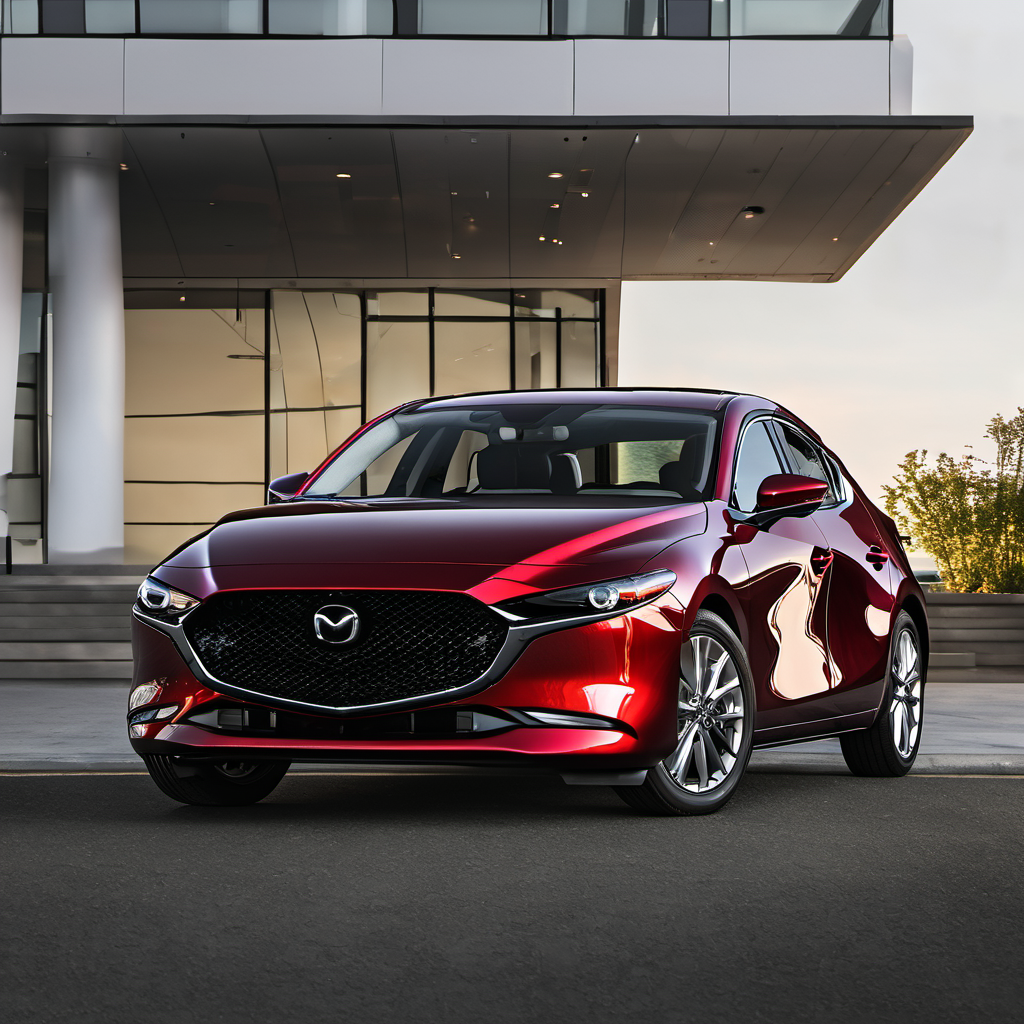
Premium feel, the best driving dynamics in the segment, and a proven 2.5L naturally aspirated engine with a traditional automatic — no CVT concerns. Slightly pricier and lower MPG than the Elantra.
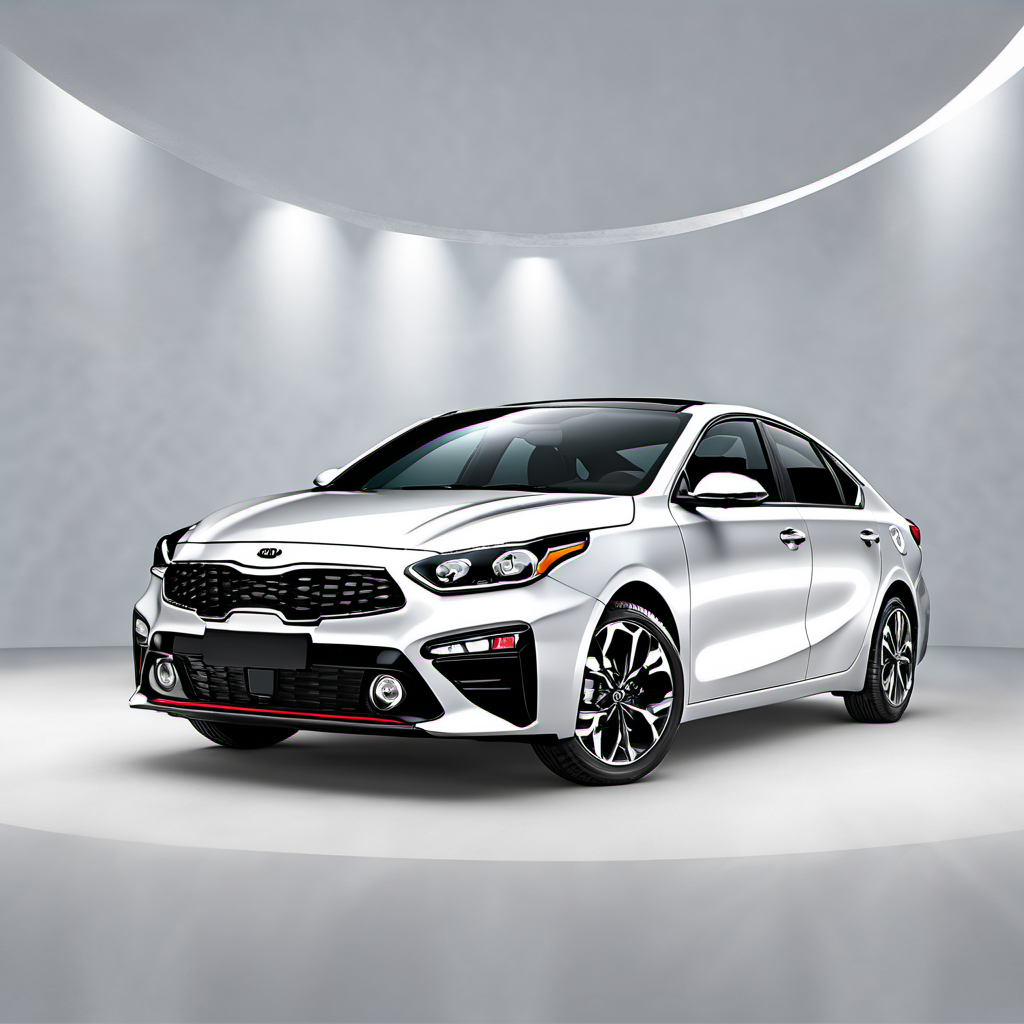
Shares the Elantra's platform, powertrain, and warranty structure — essentially a rebadged sibling. Slightly more conservative styling; choose whichever has the better deal or service center near you.