CVT Transmission Shudder / Premature Failure
medium- Typically appears
- 50–80k mi
- Estimated repair
- $800 – $4,000

2021 Honda
Sedan
The 2021 Honda Civic Sedan is the tenth-generation Civic, a compact car that has long been one of the best-selling vehicles in the United States. This model year sits near the end of the 10th-gen run and benefits from years of refinement — it's a practical, fuel-efficient daily driver with a solid safety suite and decent resale value. Under the hood, the most common configuration is the 1.5L turbocharged inline-4 paired with a CVT. The turbo engine delivers a noticeable step up in power and highway efficiency over the base naturally aspirated motor. Most drivers find the ride comfortable and the interior well-appointed for the price point. That said, this generation has documented weaknesses: the CVT transmission has a known shuddering and premature-failure history, the 1.5T engine is susceptible to oil dilution in short-trip/cold-climate use, and the infotainment system frustrates many owners. These aren't universal failures, but they are real enough to warrant close attention — especially in a cold-weather market like Lake Geneva.
The 2021 Honda Civic Sedan is the tenth-generation Civic, a compact car that has long been one of the best-selling vehicles in the United States. This model year sits near the end of the 10th-gen run and benefits from years of refinement — it's a practical, fuel-efficient daily driver with a solid safety suite and decent resale value. Under the hood, the most common configuration is the 1.5L turbocharged inline-4 paired with a CVT. The turbo engine delivers a noticeable step up in power and highway efficiency over the base naturally aspirated motor. Most drivers find the ride comfortable and the interior well-appointed for the price point. That said, this generation has documented weaknesses: the CVT transmission has a known shuddering and premature-failure history, the 1.5T engine is susceptible to oil dilution in short-trip/cold-climate use, and the infotainment system frustrates many owners. These aren't universal failures, but they are real enough to warrant close attention — especially in a cold-weather market like Lake Geneva.
The 1.5T is prone to oil dilution in cold, short-trip driving. Don't stretch intervals. If oil level is rising between changes or smells like gasoline, shorten the interval and have it diagnosed immediately.
FWD cars wear front tires faster, and this Civic has a documented alignment-related premature front wear pattern. Regular rotation and an alignment check once a year catch problems early.
A clogged air filter on a turbocharged engine stresses the turbo and can contribute to lean conditions (P0171). Wisconsin's dusty summers make this interval non-negotiable.
Keeps the HVAC system flowing freely. A clogged cabin filter strains the blower motor and reduces defrost effectiveness — critical for Wisconsin winters.
Brake fluid absorbs moisture over time, lowering its boiling point. In Wisconsin's salted, wet winters, brake system corrosion is a real concern and fresh fluid helps.
Using the wrong coolant type causes corrosion in Honda's aluminum engine. Stick to Honda-specified fluid or a compatible full-OAT alternative.
Given the known CVT issues in this generation, proactive fluid changes at 60–90k miles — using only Honda-spec CVT fluid — is the single best preventive measure against early transmission failure.
The Civic's 12V battery is known to struggle in cold climates. A battery that tests marginal in October will likely fail in January. Replace proactively if it's 4+ years old.
Always defer to the manufacturer's service manual for warranty-mandated intervals.
The Civic is a genuinely affordable car to own day-to-day. Oil changes, tires, and filters are cheap and widely available. The risk to your wallet lives in two places: CVT replacement ($2,500–$4,000 at an independent shop) and the infotainment system, which Honda has historically addressed under warranty or TSB. Keep up with CVT fluid and oil changes and you'll likely avoid the big-ticket items.

Direct segment rival. More conservative styling but the 2.0L naturally aspirated engine sidesteps the oil dilution concern entirely. Slightly less power but Toyota's reliability reputation is a touch stronger in this generation.
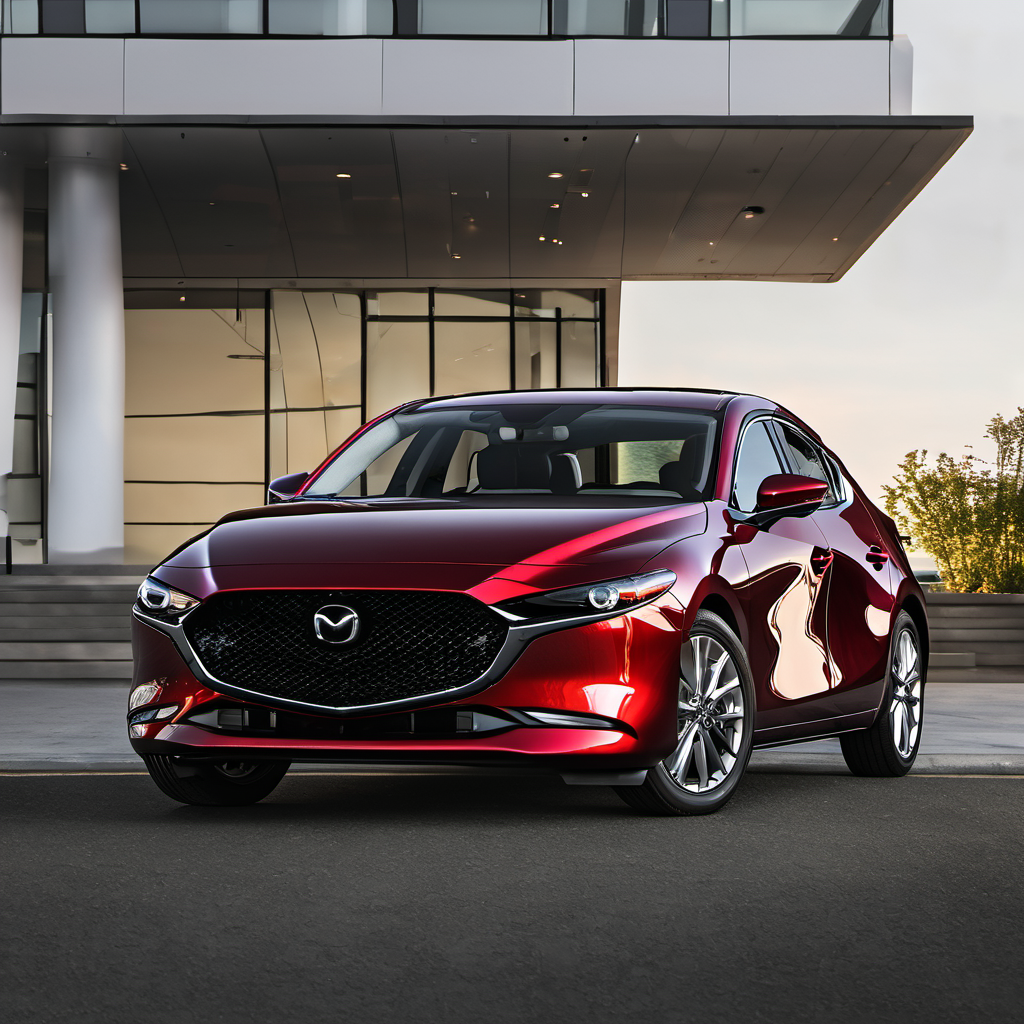
Matches the Civic on practicality and fuel economy, adds noticeably better driving dynamics and interior quality. The Skyactiv-G 2.5L is naturally aspirated and avoids turbo-related maintenance concerns.
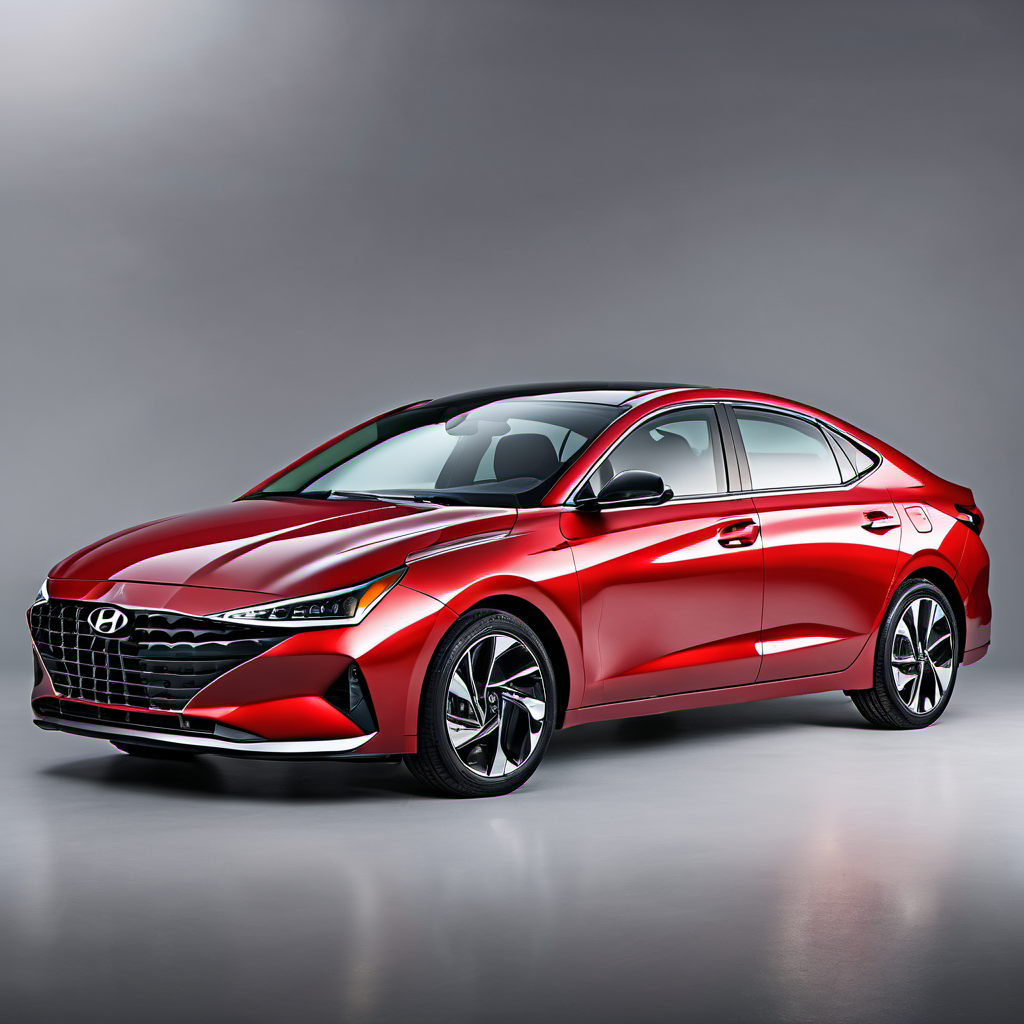
Freshly redesigned in 2021, the Elantra undercuts the Civic on price and offers comparable features. Warranty coverage is stronger (10yr/100k powertrain), though long-term reliability data is still accumulating on the 6th gen.
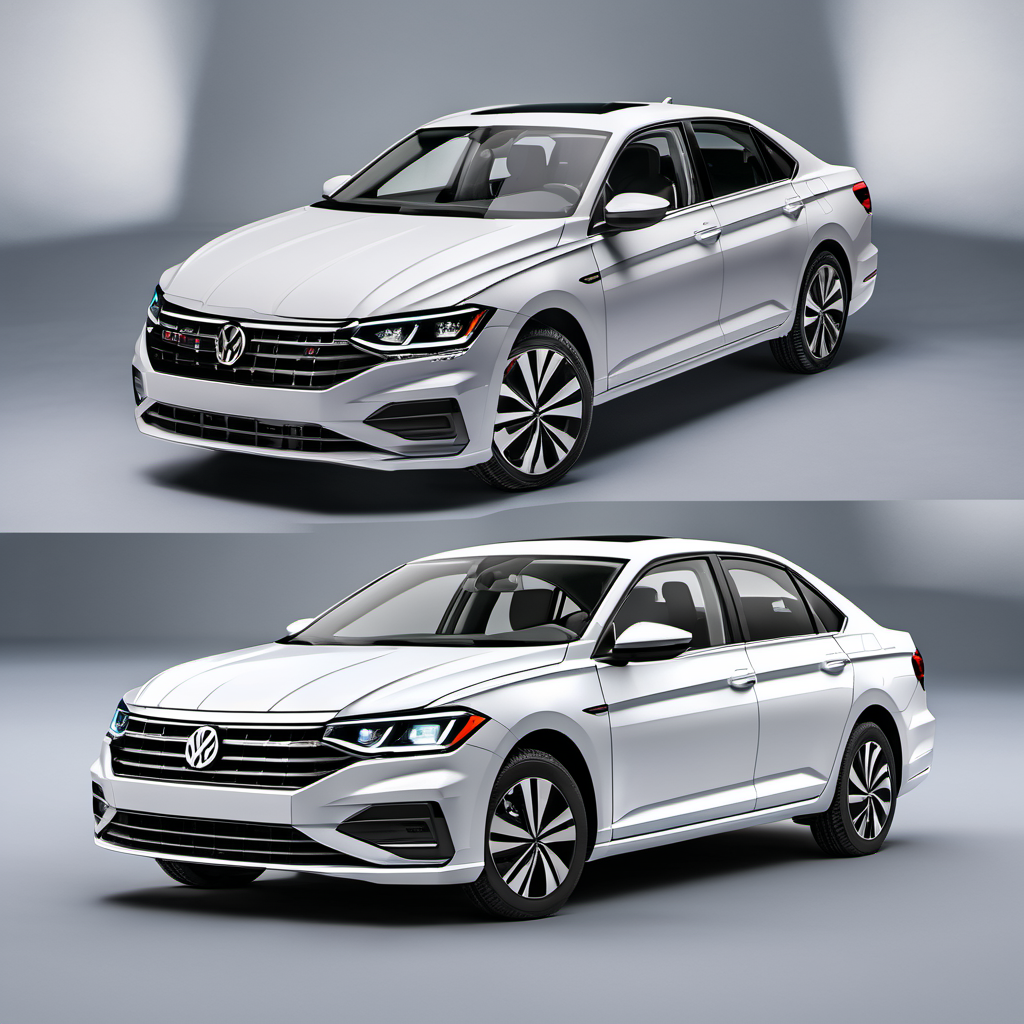
Similar footprint and price range. Offers a more European ride feel and standard 6-speed automatic (avoiding CVT concerns). Higher ownership costs than the Civic, but a genuine alternative for buyers who want a traditional transmission.