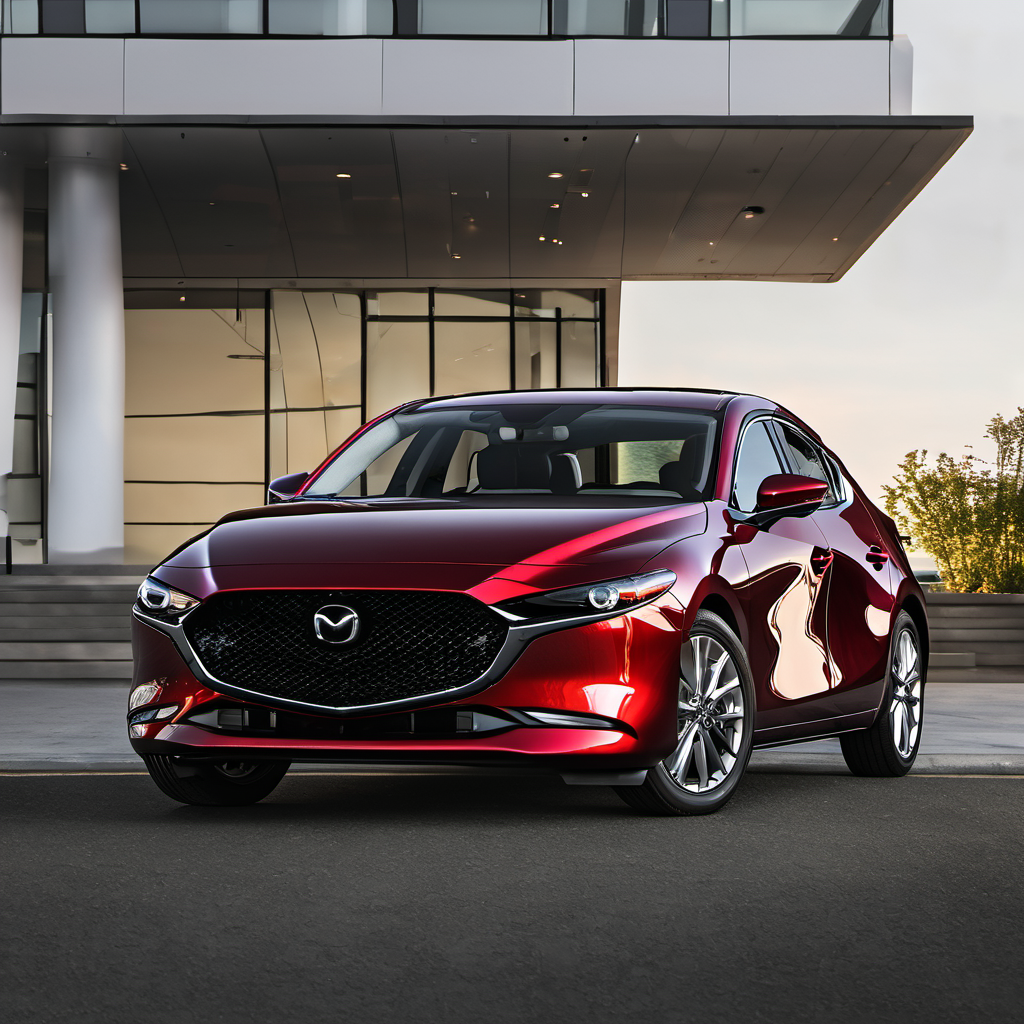
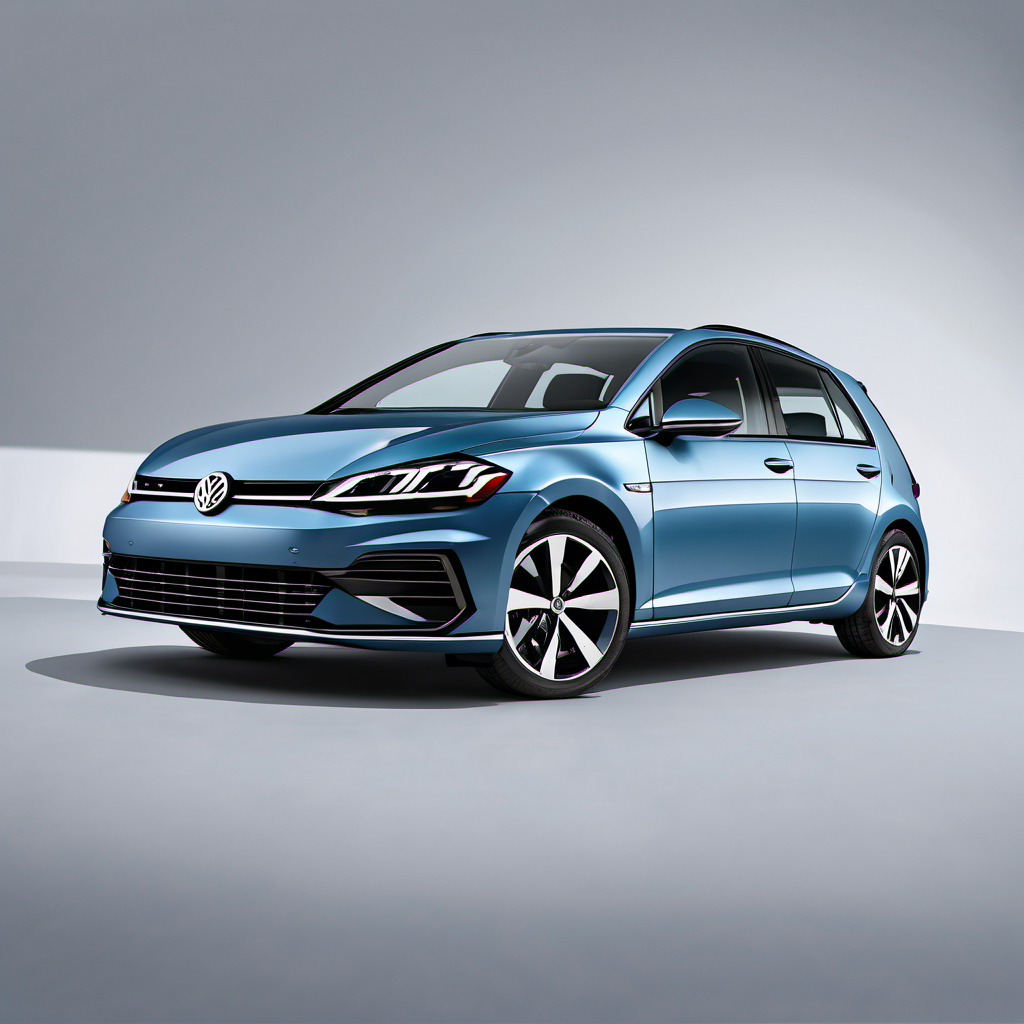
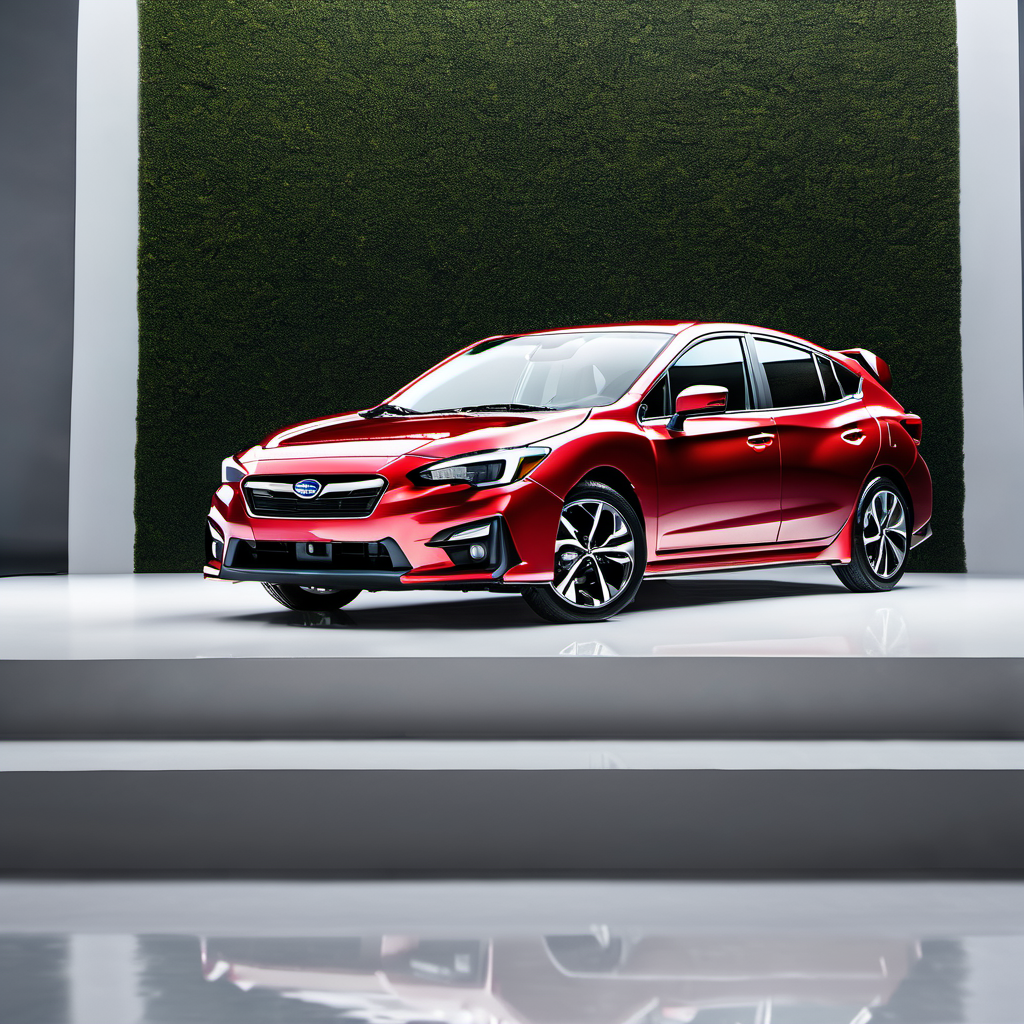
2021 MAZDA MAZDA3 Hatchback

2021 MAZDA

MAZDA3Hatchback

2.5L I4 Skyactiv-G · Hatchback

The 2021 Mazda3 Hatchback is Mazda's premium compact — styled more like a European sport hatch than a typical economy car. It sits on the same platform as the previous generation but received significant refinements in 2019 that carried through to 2021, including a sharper interior, available AWD, and the 2.5L Skyactiv-G engine that gives it genuine punch without a turbo penalty on most trims. Mazda built this car for drivers who want something engaging without paying a luxury tax. The suspension tuning, steering feel, and chassis balance put it a class above most compact cars. Interior materials and NVH (noise/vibration/harshness) are noticeably better than the Honda Civic or Toyota Corolla at similar prices. The hatchback body adds everyday practicality — the liftgate and rear cargo area are genuinely useful — while keeping the car's tight, sporty proportions. For a daily driver in the upper Midwest, it's a solid choice with relatively low ownership costs, provided you stay on top of the scheduled maintenance.

Reliability
4/5
Verified data
Engine
[object Object]
Drivetrain
FWD
Fuel
Gasoline
MPG
26 city / 35 hwy / 29 combined
Seats
5
Doors
4
Body
Hatchback
MSRP
$23,550

Overview

AI-curated

The 2021 Mazda3 Hatchback is Mazda's premium compact — styled more like a European sport hatch than a typical economy car. It sits on the same platform as the previous generation but received significant refinements in 2019 that carried through to 2021, including a sharper interior, available AWD, and the 2.5L Skyactiv-G engine that gives it genuine punch without a turbo penalty on most trims. Mazda built this car for drivers who want something engaging without paying a luxury tax. The suspension tuning, steering feel, and chassis balance put it a class above most compact cars. Interior materials and NVH (noise/vibration/harshness) are noticeably better than the Honda Civic or Toyota Corolla at similar prices. The hatchback body adds everyday practicality — the liftgate and rear cargo area are genuinely useful — while keeping the car's tight, sporty proportions. For a daily driver in the upper Midwest, it's a solid choice with relatively low ownership costs, provided you stay on top of the scheduled maintenance.

Known for
  • Best-in-class driving dynamics and steering feel for the compact segment
  • Premium interior quality that punches above its price point
  • Efficient and durable Skyactiv-G 2.5L engine
  • Strong resale value relative to competitors
Best for
  • Daily commuters who enjoy driving and want a refined ride
  • Buyers wanting near-luxury feel at compact car pricing
  • Drivers who want an engaging manual transmission option
  • Small families or individuals who need practical hatchback cargo space
Watch for
  • Mazda Connect infotainment known to freeze or crash — check for latest software update
  • The 2.5L naturally aspirated engine is adequate but not quick; turbo (2.5T) is a separate trim
  • Rear seat headroom is tight for taller passengers due to the sloped roofline
  • Wisconsin road salt will attack underbody and wheel well areas — rinse regularly

Common issues by mileage

6 known

Mazda Connect Infotainment Freezing / System Crashes

high
Typically appears
20–50k mi
Estimated repair
$0 – $350

Catalyst System Efficiency Below Threshold (Bank 1)

medium
Typically appears
60–100k mi
Estimated repair
$800 – $1,400

Clutch Pedal Squeak (Manual Transmission Models)

medium
Typically appears
15–40k mi
Estimated repair
$75 – $200

Battery Drain in Cold Climates

medium
Typically appears
0–80k mi
Estimated repair
$150 – $300

Rear Differential Fluid Degradation (AWD Models)

low
Typically appears
30–60k mi
Estimated repair
$80 – $150

Maintenance schedule

  1. 1
    Every 7,500 miles or 6 months Engine oil and filter change — 0W-20 Full Synthetic, 4.8 qts with filter

    The Skyactiv-G's high 13.0:1 compression ratio and VVT system depend heavily on clean, low-viscosity oil. Stretching intervals degrades VVT solenoid performance and accelerates cam timing wear, which leads to expensive P0012/P0015-type faults.

  2. 2
    Every 15,000 miles or 12 months Tire rotation

    FWD models put all drive and most steering load on the front tires. Rotating keeps wear even and preserves handling balance, which matters on icy Wisconsin roads.

  3. 3
    Every 20,000 miles or 24 months Cabin air filter replacement

    Wisconsin road salt dust and winter debris clog cabin filters faster than in dry climates. A clogged filter strains the blower motor and reduces defroster effectiveness — critical in winter.

  4. 4
    Every 30,000 miles or 30 months Engine air filter replacement

    Maintains combustion efficiency and protects the MAF sensor. The Skyactiv high-compression engine is sensitive to air delivery quality.

  5. 5
    Every 30,000 miles or 3 years Brake fluid flush — DOT 3

    Brake fluid absorbs moisture over time, lowering its boiling point. In Wisconsin winters with repeated hard stops on icy roads, degraded fluid increases fade risk.

  6. 6
    Every 45,000 miles or 3 years Transmission fluid service — Mazda Genuine ATF M-V only

    The 6-speed automatic requires Mazda's specific ATF formulation. Using a generic substitute causes shift shudder and accelerated clutch pack wear. Do not substitute.

  7. 7
    Every 60,000 miles or 72 months Spark plug replacement

    High compression combustion wears plugs faster than typical engines. Worn plugs cause misfires that can trip catalytic converter efficiency codes and reduce fuel economy.

  8. 8
    Every 50,000 miles or 5 years Coolant flush — Mazda FL-22 Blue coolant

    FL-22 is a long-life coolant but not indefinite. Degraded coolant loses freeze protection and corrosion inhibitors — both critical for a Wisconsin vehicle.

Always defer to the manufacturer's service manual for warranty-mandated intervals.

Cost of ownership

Annual maintenance
$400 – $700
Fuel
At 29 MPG combined and ~15,000 miles/year, expect roughly $1,500–$1,800/year at $3.00–$3.50/gallon for regular unleaded.
Insurance
Typically $1,100–$1,600/year for full coverage in the Lake Geneva area for a driver with a clean record. The Mazda3's strong safety ratings help keep rates moderate.

The Mazda3 Hatchback is inexpensive to maintain for a near-premium compact. Oil changes, filters, and tire rotations cover most years. The big-ticket risks — catalytic converter, infotainment module — are relatively uncommon before 60k miles. Using Mazda-spec fluids (especially ATF M-V and FL-22 coolant) avoids the most preventable repair bills. Total annual cost of ownership (fuel + insurance + maintenance) typically runs $3,200–$4,100 for most owners.

Seasonal care

Lake Geneva, WI
Winter
  • Test battery load before November — the Mazda3's electrical system (infotainment, heated seats, defrosters) draws heavily in cold weather and a marginal battery will fail. Consider a battery warmer if parking outdoors below 0°F.
  • Switch to dedicated winter tires. The Mazda3's sporty suspension tuning rewards good tires; all-season tires become dangerously slick below 32°F on Lake Geneva's roads.
  • Fill the washer fluid reservoir with a -20°F or colder rated fluid. The front camera (if equipped with i-Activsense) sits low and gets coated in road salt spray — keep washer fluid topped off and the camera lens clear.
  • Rinse the undercarriage at least every 2–3 weeks during salt season. The Mazda3's lower sill and rear wheel arches trap salt and accelerate rust, especially on older examples.
  • Check tire pressure every 2–3 weeks. Pressure drops roughly 1 PSI per 10°F temperature drop — underinflated tires hurt fuel economy and handling.
  • Warm up the engine briefly (60–90 seconds) before driving hard on sub-zero mornings to allow oil to circulate through the VVT system before high-load operation.
Summer
  • Check tire pressure in the morning before the car heats up. Hot pavement plus overinflated tires increases center-tread wear and reduces wet grip.
  • Inspect the A/C system in spring — the Mazda3's cabin heats up quickly with its large glass area. If cooling feels weak, have refrigerant level and compressor checked before July.
  • Inspect brake pads after winter. Road salt and freeze-thaw cycles accelerate brake rotor surface rust and can cause uneven pad wear.
  • Check coolant concentration — FL-22 should be mixed for both freeze and boil-over protection. Verify it's holding at least a 50/50 mix going into summer heat.

Comparable vehicles

If you're shopping for one

Red flags
  • Infotainment that won't boot or constantly restarts — module replacement can run $300+ and is not a simple DIY fix.
  • Any sign of transmission shudder on light throttle acceleration — indicates potential ATF contamination from wrong fluid type.
  • Rust on the rear subframe or underbody bracing — this is a structural concern, not just cosmetic, on a FWD unibody.
  • Check engine light with VVT-related codes (P0012, P0015) — often means oil changes were skipped and VVT solenoids are clogged or failing.
  • Accident history combined with a sloped roofline hatchback — even minor rear impacts can cause hatch seal and water intrusion issues that are expensive to repair.
What to inspect
  • Pull up the infotainment system and cycle through all menus — check for lag, freezing, or reboot loops. Ask for the current software version and verify it matches the latest TSB 09-036-20 update.
  • On manual transmission cars, listen for clutch pedal squeak on slow engage/disengage. Minor lubrication fix, but confirms maintenance attention.
  • Check the oil dipstick for dark, sludgy oil — this engine's VVT system is oil-condition sensitive. If oil looks neglected, budget for a VVT solenoid inspection.
  • Inspect all four wheel wells and the lower door sills for rust or bubbling paint. Wisconsin salt exposure is the number one long-term value killer on this car.
  • Verify brake fluid isn't dark brown/black — indicates it's never been flushed. Fresh fluid is nearly clear to pale yellow.
  • Confirm the FL-22 coolant is the correct blue color and hasn't been mixed with generic green coolant, which causes corrosion in Mazda's aluminum cooling system.
AI profile generated 13 days ago · claude-sonnet-4-6 · v2.