VVT Camshaft Phaser / Timing Issues (3.6L & 5.7L)
high- Typically appears
- 60–120k mi
- Estimated repair
- $600 – $2,000
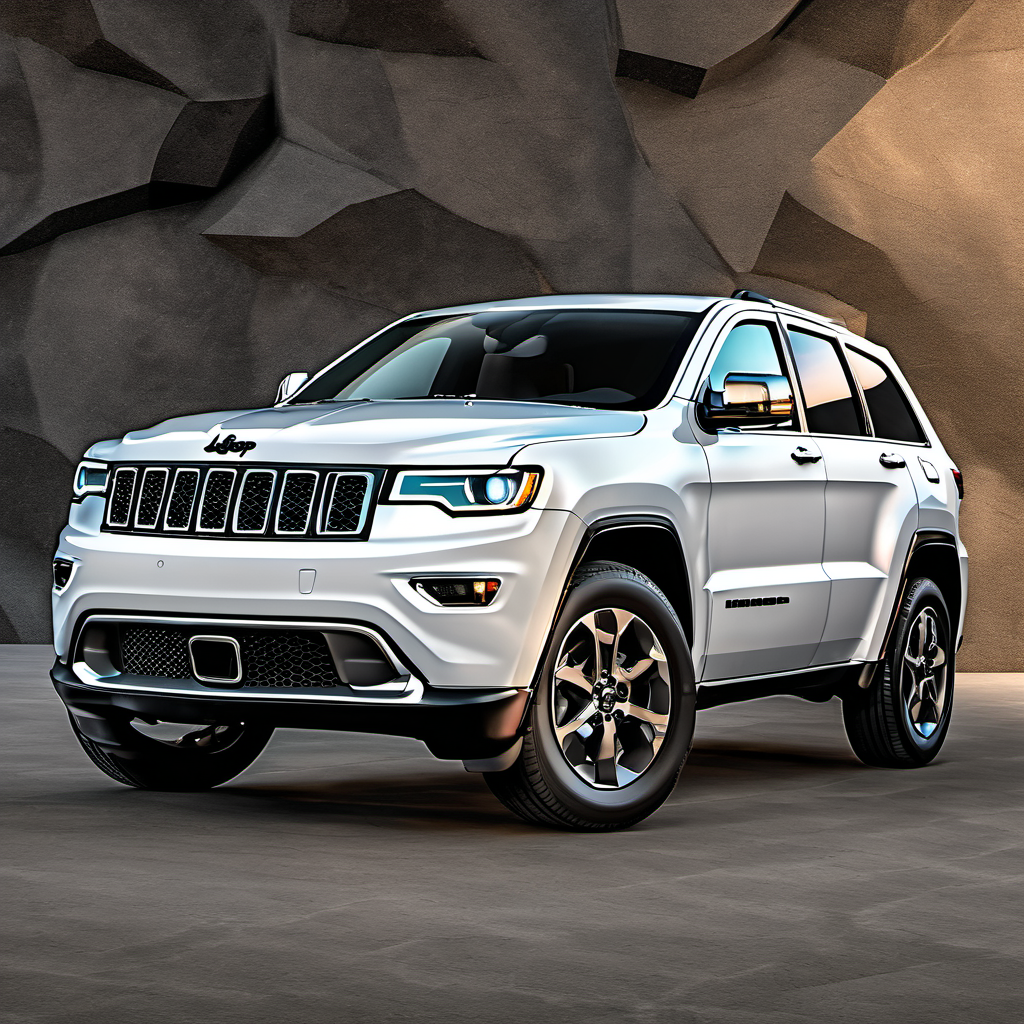
2019 Jeep
3.6L V6 Pentastar · SUV
The 2019 Jeep Grand Cherokee is a mid-size SUV that has been a staple of the segment for decades. This generation (WK2, 2011–2021) is well-aged and sorted by 2019, offering a wide range of trims from the everyday Laredo all the way to the performance-oriented Trackhawk. It strikes a balance between genuine off-road capability and on-road comfort that few competitors can match. The 3.6L Pentastar V6 is the workhorse engine for most buyers and is generally dependable, though it has known quirks around oil consumption and VVT components as mileage climbs. The 5.7L Hemi V8 is a popular upgrade that adds real traction and towing muscle. Both engines pair with an 8-speed automatic that shifts smoothly but can develop quirks if fluid maintenance is skipped. Owners love the Grand Cherokee for its comfortable interior, capable 4WD systems, and strong resale value. The trade-off is above-average ownership cost relative to Japanese competitors — electrical gremlins, air suspension issues (on equipped trims), and the occasional transmission or VVT hiccup keep independent shops busy. Go in with eyes open and it rewards you with a versatile, capable daily driver.
The 2019 Jeep Grand Cherokee is a mid-size SUV that has been a staple of the segment for decades. This generation (WK2, 2011–2021) is well-aged and sorted by 2019, offering a wide range of trims from the everyday Laredo all the way to the performance-oriented Trackhawk. It strikes a balance between genuine off-road capability and on-road comfort that few competitors can match. The 3.6L Pentastar V6 is the workhorse engine for most buyers and is generally dependable, though it has known quirks around oil consumption and VVT components as mileage climbs. The 5.7L Hemi V8 is a popular upgrade that adds real traction and towing muscle. Both engines pair with an 8-speed automatic that shifts smoothly but can develop quirks if fluid maintenance is skipped. Owners love the Grand Cherokee for its comfortable interior, capable 4WD systems, and strong resale value. The trade-off is above-average ownership cost relative to Japanese competitors — electrical gremlins, air suspension issues (on equipped trims), and the occasional transmission or VVT hiccup keep independent shops busy. Go in with eyes open and it rewards you with a versatile, capable daily driver.
The 3.6L Pentastar is prone to oil consumption and sludge if intervals stretch. Full synthetic and a quality filter help protect VVT phasers that are oil-pressure dependent.
Jeep lists this fluid as 'lifetime' but it is not. Fresh fluid at 30k–60k intervals prevents the shudder and harsh-shift complaints that are common at higher mileage.
Critical for Quadra-Trac and Quadra-Drive systems. Neglected fluid leads to expensive transfer case and axle work, especially after heavy snow/off-road use.
Wisconsin road salt accelerates corrosion in brake lines and calipers. Fresh fluid also maintains proper boiling point for safety.
Cold temps stress the compressor and air springs. A leak that's barely noticeable in summer will cause a system fault and ride-height failure in January.
Worn plugs contribute to rough idle and can stress ignition coils. On the 5.7L, coil-on-plug failures are common and often misdiagnosed.
The Grand Cherokee has significant electrical demands. A weak battery causes cascading TIPM and module communication faults, especially in sub-zero Wisconsin temps.
Salt exposure is the biggest long-term threat to WK2 Grand Cherokees in the Midwest. Catching early corrosion on brake lines, frame, and suspension components prevents costly failures.
Always defer to the manufacturer's service manual for warranty-mandated intervals.
The Grand Cherokee costs noticeably more to own than a comparable Toyota or Honda SUV, but is competitive within the domestic/Stellantis segment. Budget an extra cushion — air suspension repairs, VVT work, and transmission service are 'when, not if' items above 80k miles. Keeping up with fluid services is the single best way to hold down costs.
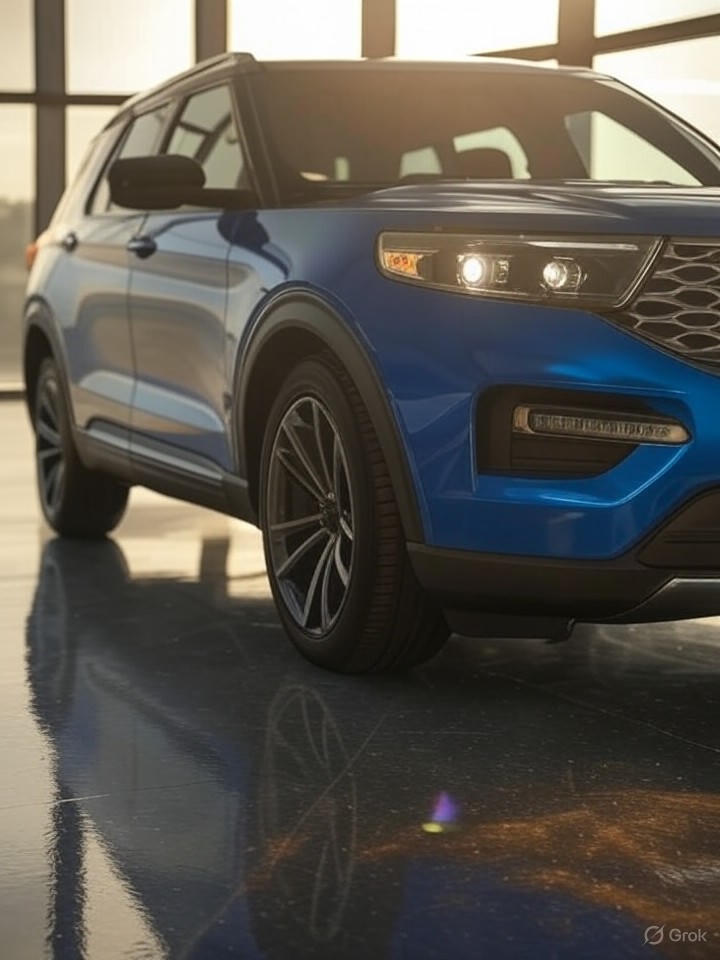
Similar mid-size SUV footprint and price range, more car-like driving dynamics, but less off-road capability and a known 3.5L EcoBoost oil dilution issue to watch.
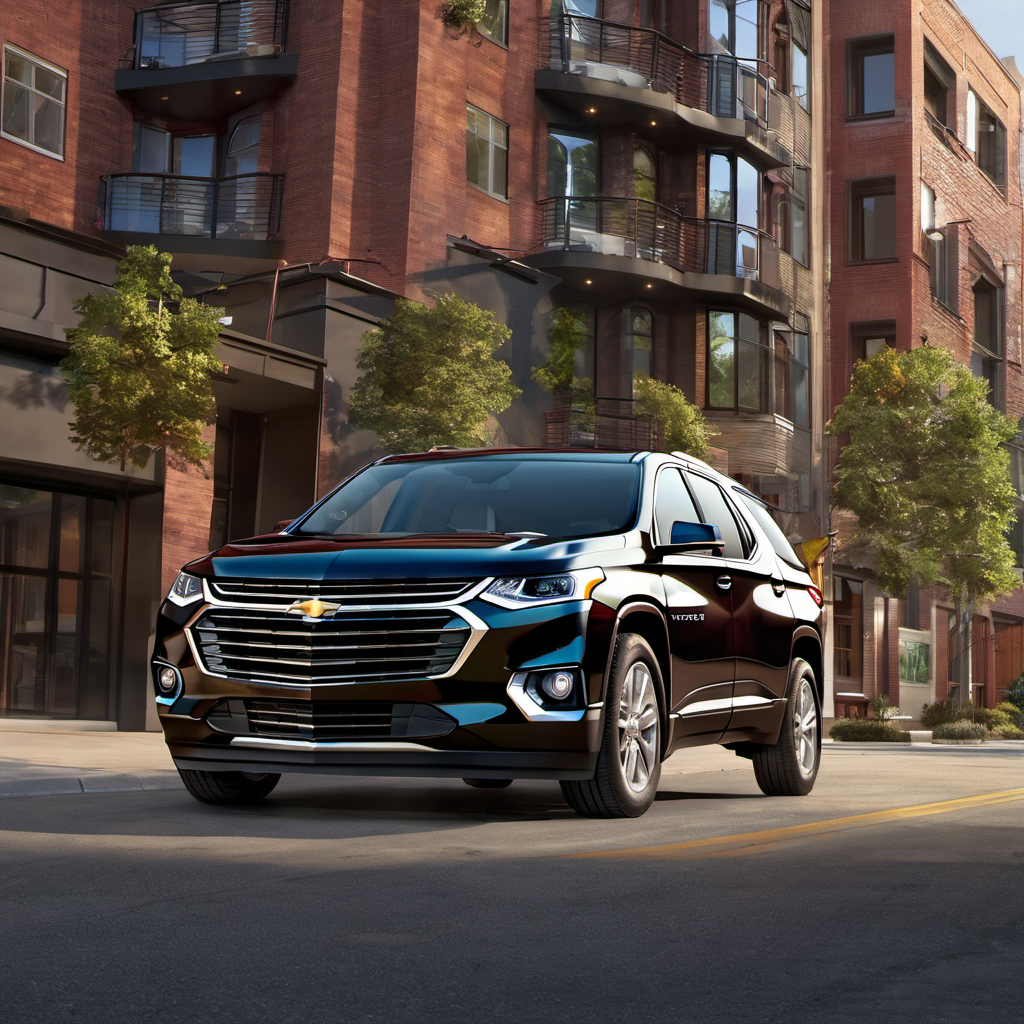
More passenger and cargo space, standard 3-row seating, lower towing capacity, and a smoother ownership cost curve — good alternative for family-first buyers.
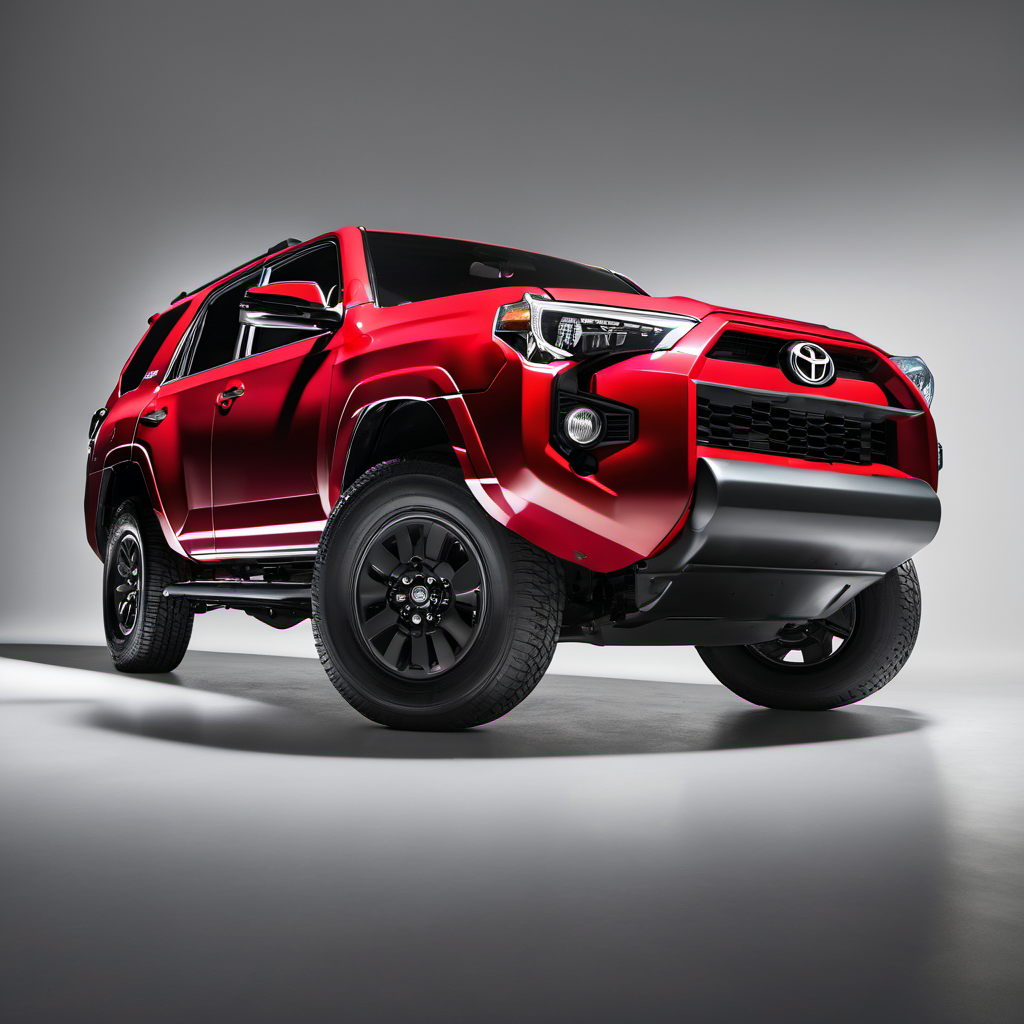
Body-on-frame construction gives it a real off-road edge and legendary long-term reliability, but the ride is truck-like and fuel economy is worse.
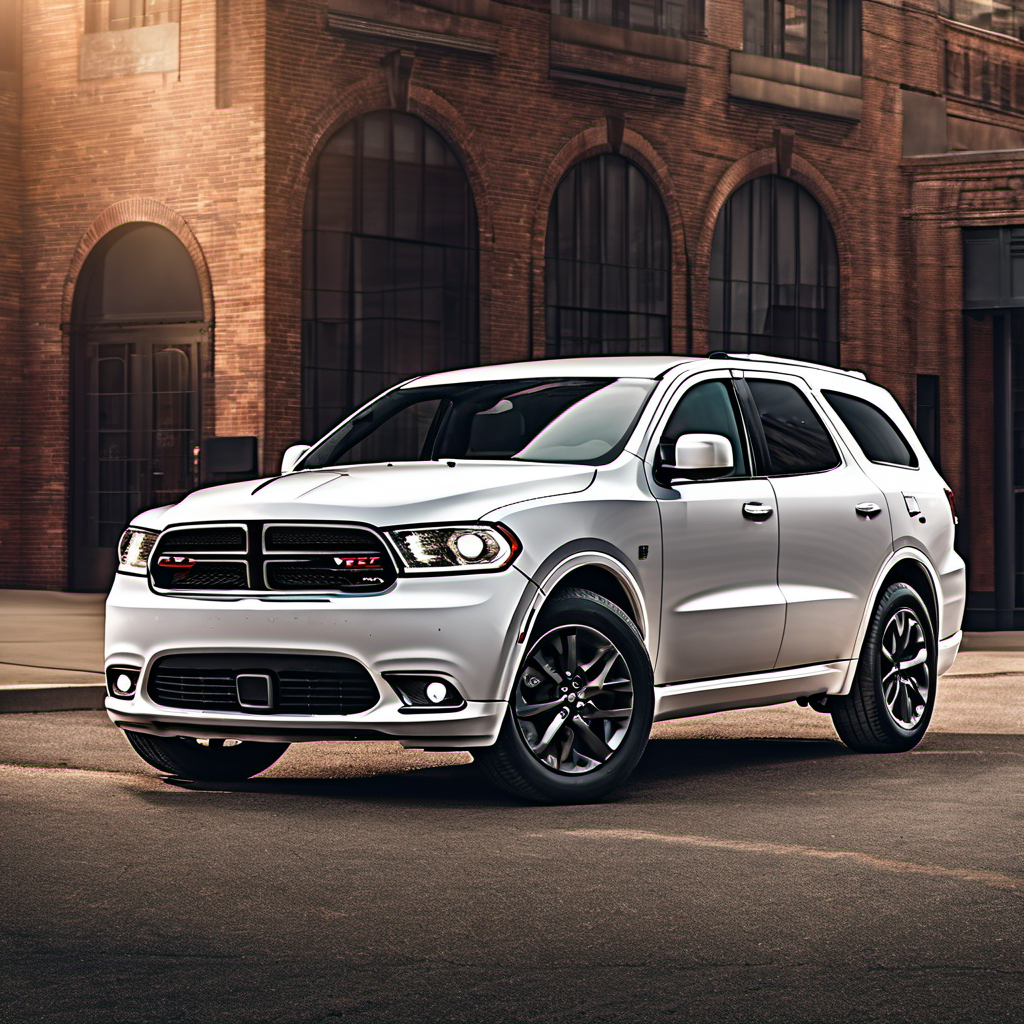
Shares the WK2 platform and powertrains — adds a genuine 3-row option and more towing capacity, with essentially identical maintenance and reliability profile.