Secondary Air Injection Pump Failure
high- Typically appears
- 60–90k mi
- Estimated repair
- $900 – $1,400
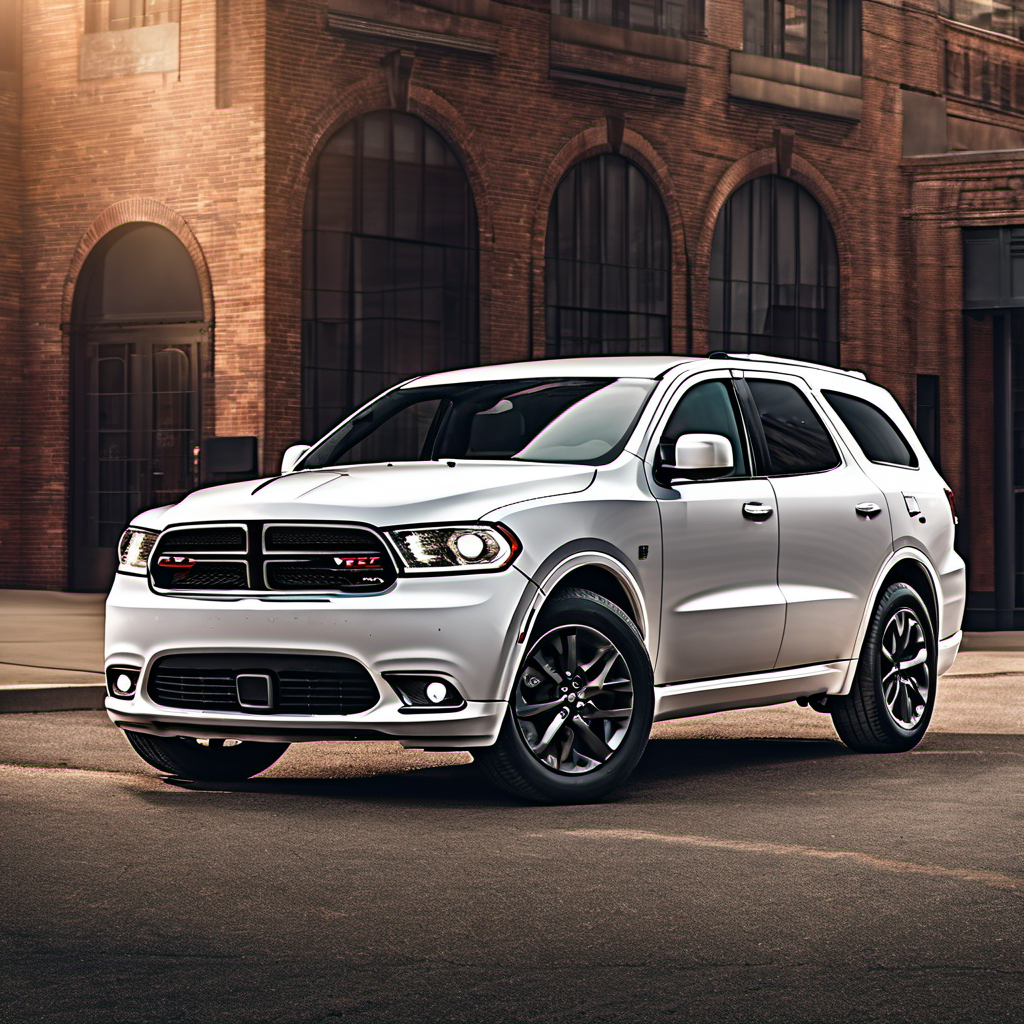
2019 Dodge
SUV
The 2019 Dodge Durango is a three-row body-on-frame-inspired unibody SUV built on FCA's LX platform, sharing underpinnings with the Jeep Grand Cherokee. It's one of the few SUVs in its class that still offers a V8 engine option — the 5.7L HEMI — alongside the standard 3.6L Pentastar V6. That V8 gives the Durango genuine truck-like towing credentials (up to 7,400 lbs) while still seating up to seven passengers. For families who need real towing capability without buying a pickup truck, the Durango fills a niche almost nothing else does at this price point. The interior is comfortable and reasonably well-appointed for the segment, and the HEMI-powered variants are genuinely fun to drive. The trade-off is fuel economy — the 5.7L returns modest numbers — and a handful of known issues, particularly around the secondary air injection system and transmission shudder. Rust is a legitimate concern in Wisconsin's salt-heavy winters, and electrical gremlins appear often enough to warrant a pre-purchase inspection on used examples.
The 2019 Dodge Durango is a three-row body-on-frame-inspired unibody SUV built on FCA's LX platform, sharing underpinnings with the Jeep Grand Cherokee. It's one of the few SUVs in its class that still offers a V8 engine option — the 5.7L HEMI — alongside the standard 3.6L Pentastar V6. That V8 gives the Durango genuine truck-like towing credentials (up to 7,400 lbs) while still seating up to seven passengers. For families who need real towing capability without buying a pickup truck, the Durango fills a niche almost nothing else does at this price point. The interior is comfortable and reasonably well-appointed for the segment, and the HEMI-powered variants are genuinely fun to drive. The trade-off is fuel economy — the 5.7L returns modest numbers — and a handful of known issues, particularly around the secondary air injection system and transmission shudder. Rust is a legitimate concern in Wisconsin's salt-heavy winters, and electrical gremlins appear often enough to warrant a pre-purchase inspection on used examples.
The 5.7L HEMI uses MDS (cylinder deactivation), which puts extra stress on oil. Clean 5W-20 oil at this interval prevents VVT sludge buildup — the root cause of many camshaft timing codes on high-mileage HEMIs.
Towing, cold starts, and stop-and-go driving degrade ATF+4 faster than the factory interval assumes. Fresh fluid at 40–60k intervals is the single best way to prevent the known shudder issue and extend 8-speed transmission life.
The orange OAT coolant loses its corrosion inhibitors over time. A neglected cooling system accelerates water pump and thermostat wear — and sub-zero Wisconsin winters are unforgiving if the coolant is weak.
The 5.7L HEMI has 16 plugs (two per cylinder). Worn plugs cause misfires and can trigger MDS-related codes. This is DIY-accessible but plan for a few hours of labor.
Wisconsin gravel roads and winter grit load up air filters faster than the maintenance schedule assumes. A restricted filter hurts fuel economy noticeably on the HEMI.
DOT 3 fluid is hygroscopic — it absorbs moisture. In Wisconsin's freeze-thaw cycles, water-contaminated brake fluid can cause internal corrosion and reduced braking performance.
Lake Geneva roads are heavily salted. The Durango's rocker panels and rear wheel wells are known rust initiation points. Regular undercarriage flushing is cheap insurance against expensive body work.
The 75W-85 GL-5 differential fluid thickens in sub-zero temps if degraded. Fresh fluid keeps the AWD system operating smoothly during cold Wisconsin starts.
Always defer to the manufacturer's service manual for warranty-mandated intervals.
The HEMI Durango is not a cheap vehicle to own, but it's not unreasonable either. Routine maintenance runs $900–$1,800/year. The big budget risks are an air injection pump replacement (~$1,000+), a transmission service need, and rust remediation if undercarriage care is neglected. Budget a separate $500–$1,500 repair fund annually on used examples past 70,000 miles.

Same three-row mid-size SUV segment and price band. The Explorer is lighter and more fuel-efficient but can't match the Durango's V8 towing capacity. Better reliability scores in this generation.
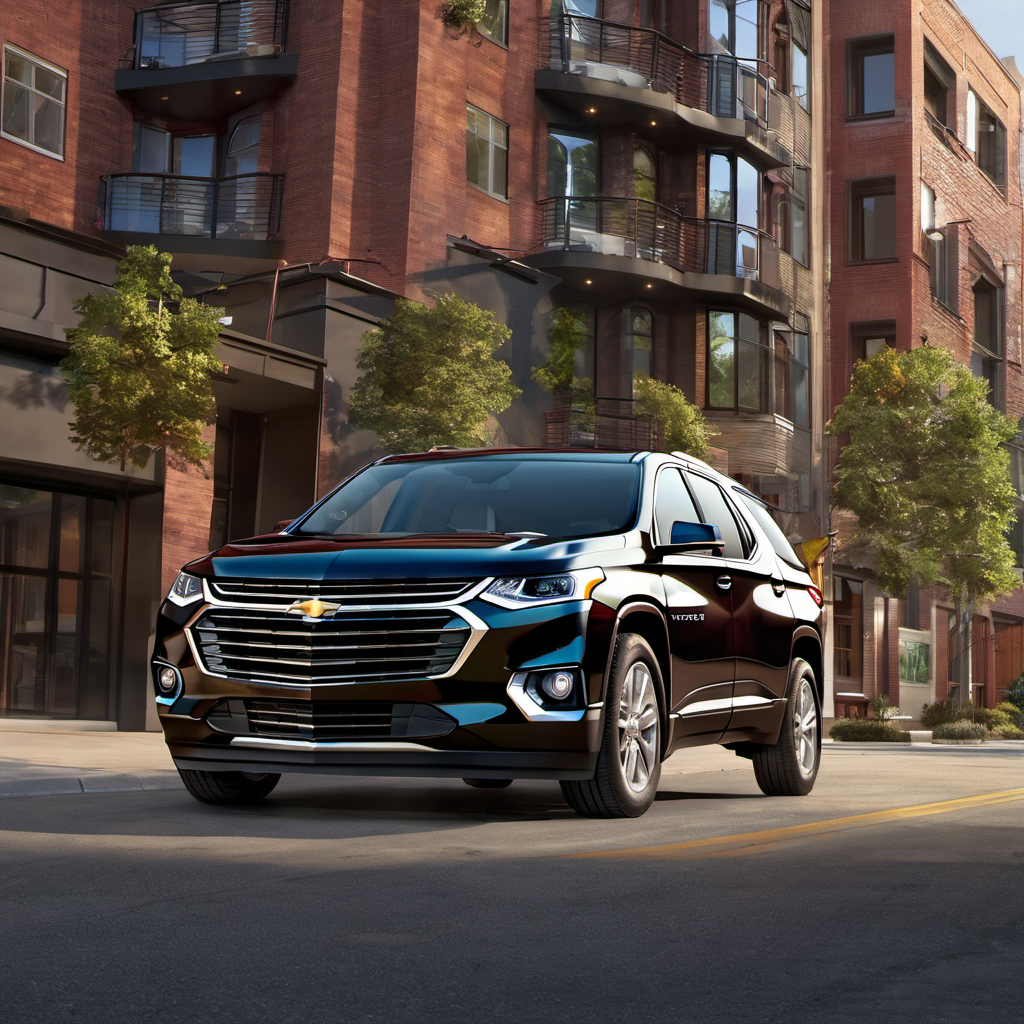
Three-row family hauler at a similar price. More interior room and better fuel economy, but no V8 option and a lower tow rating (5,000 lbs). Stronger reliability record for this generation.
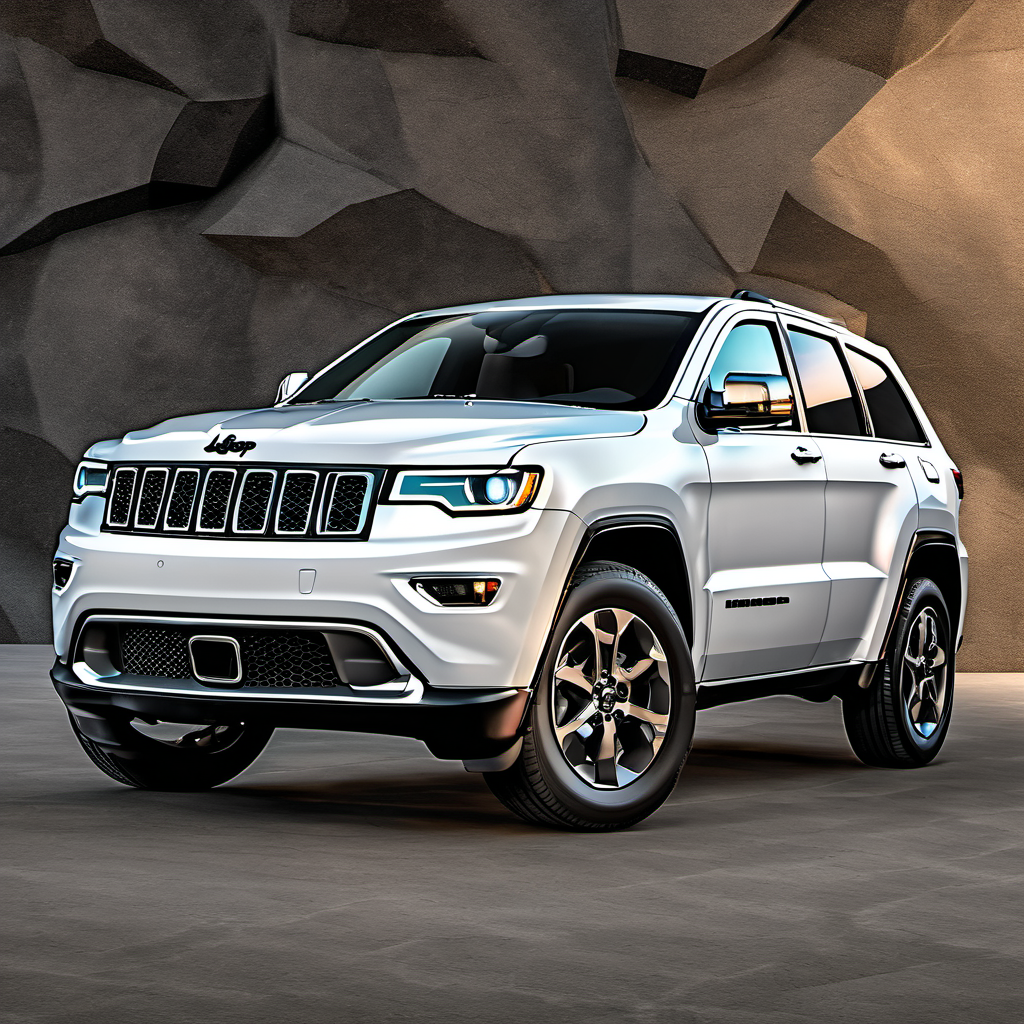
Same LX platform, same HEMI engine option, and similar ownership costs. Two rows only, but better off-road capability and slightly better reliability ratings. A natural comparison if the third row isn't needed.
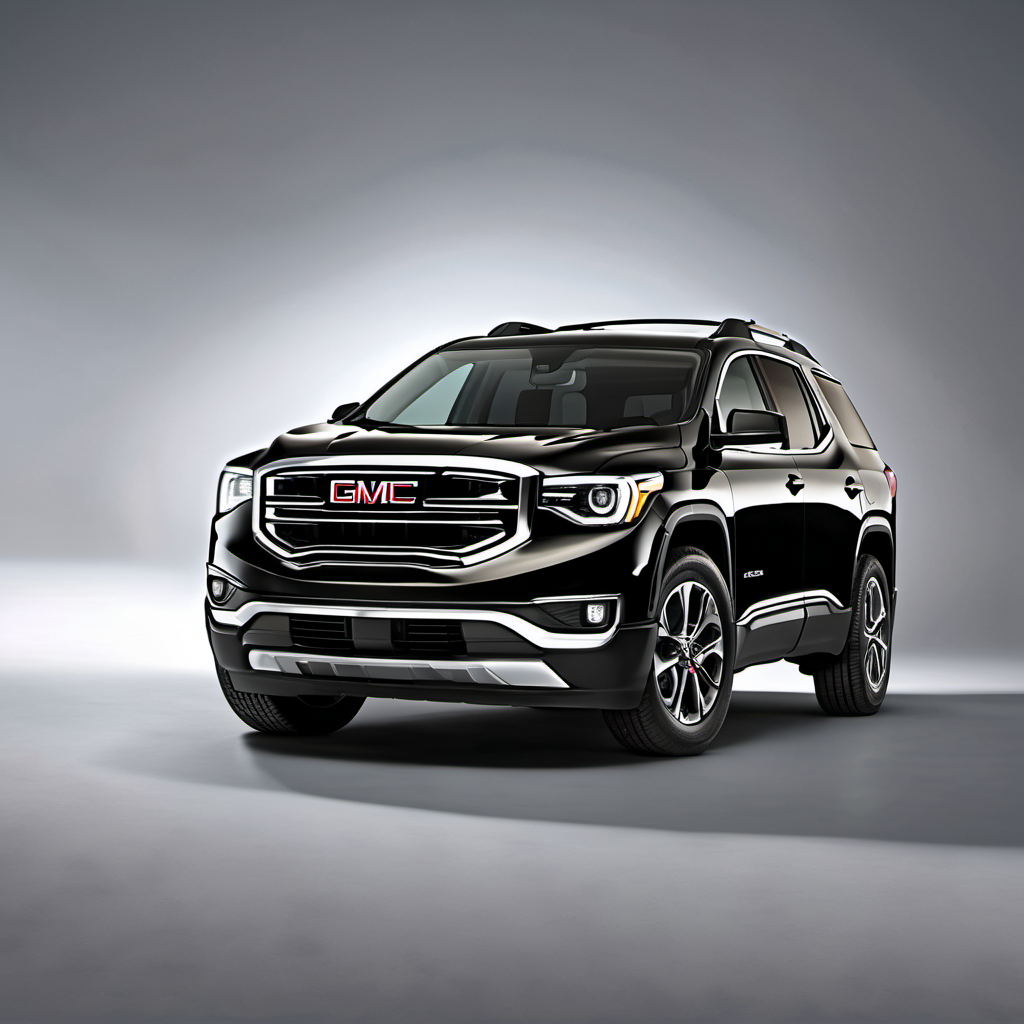
Competes in the same price range with three-row seating. More fuel-efficient and easier to park, but significantly lower tow rating and no V8 option. Good choice if towing isn't a priority.