Secondary Air Injection Pump Failure
high- Typically appears
- 70–100k mi
- Estimated repair
- $900 – $1,800
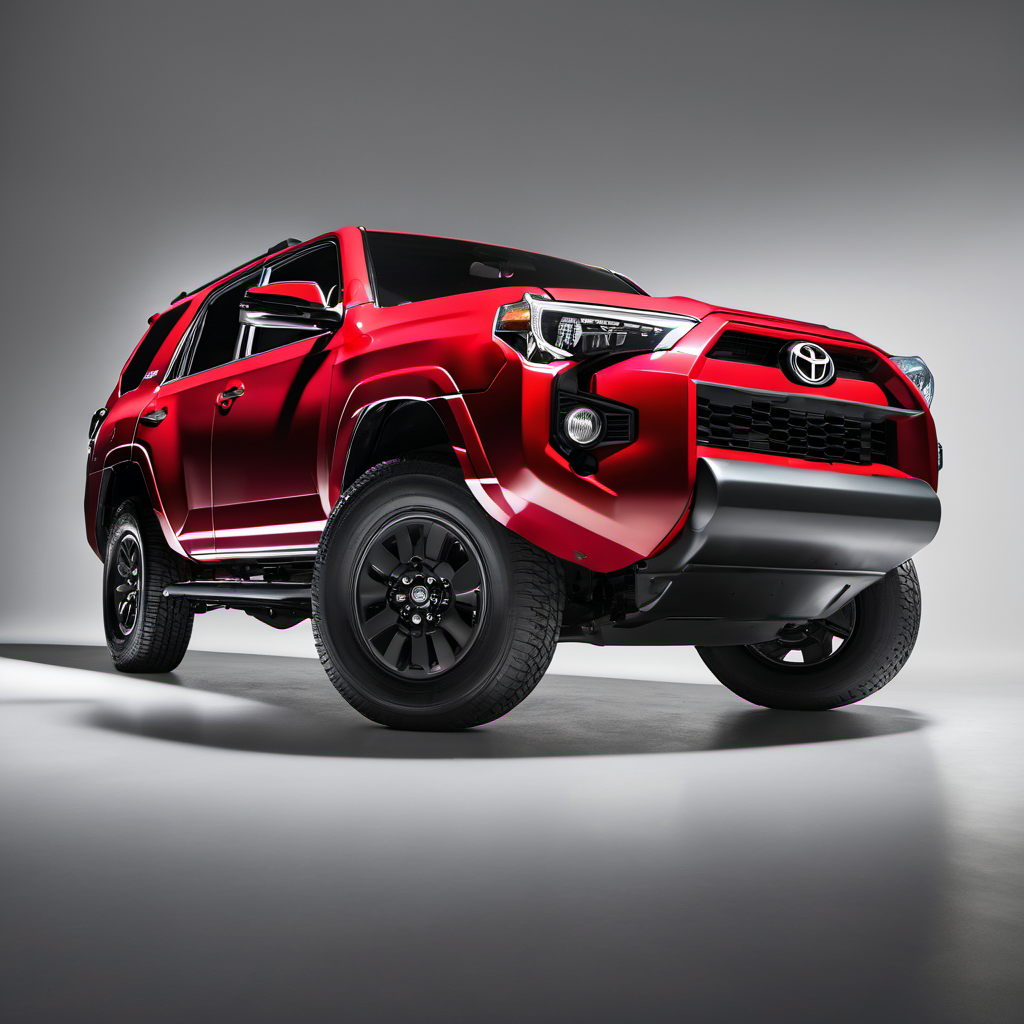
2019 Toyota
SUV
The 2019 Toyota 4Runner is a fifth-generation body-on-frame SUV that has barely changed since 2010 — and that's mostly a feature, not a bug. It runs the same proven 4.0L V6 that enthusiasts have trusted for years, pairs it with a proper transfer case and low-range gearing, and delivers the kind of off-road capability you genuinely can't get from most crossovers. It is not trying to be a car-like family hauler; it rides firmly, gets mediocre fuel economy, and the interior tech feels a generation behind — but owners consistently drive these past 200,000 miles without major drivetrain drama. For Lake Geneva-area buyers, the 4Runner's high ground clearance (9.6 in), available 4WD, and robust drivetrain make it a confident year-round vehicle. The frame-on-body construction means rust prevention is non-negotiable in the Wisconsin salt belt — undercoating and regular washing are a must, not optional. The trade-off for all that durability is at the pump: expect to fill up more often than in a modern crossover. Resale value on the 4Runner is exceptional. These trucks hold their value better than almost any other SUV in this segment, which means you pay a premium buying one used — but you also recover most of that when it's time to sell. For buyers who want a capable, long-lasting SUV and can live with older tech and thirstier fuel bills, the 4Runner is hard to beat.
The 2019 Toyota 4Runner is a fifth-generation body-on-frame SUV that has barely changed since 2010 — and that's mostly a feature, not a bug. It runs the same proven 4.0L V6 that enthusiasts have trusted for years, pairs it with a proper transfer case and low-range gearing, and delivers the kind of off-road capability you genuinely can't get from most crossovers. It is not trying to be a car-like family hauler; it rides firmly, gets mediocre fuel economy, and the interior tech feels a generation behind — but owners consistently drive these past 200,000 miles without major drivetrain drama. For Lake Geneva-area buyers, the 4Runner's high ground clearance (9.6 in), available 4WD, and robust drivetrain make it a confident year-round vehicle. The frame-on-body construction means rust prevention is non-negotiable in the Wisconsin salt belt — undercoating and regular washing are a must, not optional. The trade-off for all that durability is at the pump: expect to fill up more often than in a modern crossover. Resale value on the 4Runner is exceptional. These trucks hold their value better than almost any other SUV in this segment, which means you pay a premium buying one used — but you also recover most of that when it's time to sell. For buyers who want a capable, long-lasting SUV and can live with older tech and thirstier fuel bills, the 4Runner is hard to beat.
Toyota specifies 0W-20 full synthetic at 6.6 qts with filter. The VVT-i system is sensitive to dirty oil — stretched intervals are the leading cause of timing and solenoid codes on this engine. Don't push past 5k in Wisconsin winters.
Use Toyota WS ATF only — 11.3 qts total capacity. The 5-speed automatic is robust but benefits from fresh fluid. Using non-spec fluid can cause shift quality issues and premature wear.
75W-85 GL-5 is the spec. This is the single most effective step to prevent the common rear differential whine/grinding issue. Off-road use or water crossings can contaminate fluid faster — change sooner if you wheel it.
Transfer case takes 75W GL-4; front diff takes 75W-85 GL-5. Often overlooked but critical on a 4WD vehicle. Contaminated fluids here lead to expensive drivetrain repairs.
A clogged air filter hurts fuel economy and throttle response. In dusty or off-road conditions, inspect more frequently.
Wisconsin pollen seasons and dusty summer roads clog cabin filters faster than the interval suggests. Check annually — a dirty filter strains the A/C blower and reduces air quality.
This vehicle uses DOT 3 fluid. Brake fluid absorbs moisture over time, lowering its boiling point. In Wisconsin winters, water-contaminated fluid can cause corrosion in brake lines — a bigger risk on a truck used in salt conditions.
Toyota Super Long Life Coolant (pink) has an extended first-service interval but must be replaced with the same type. Mixing coolant types can cause silicate deposits and water pump wear. Capacity is 11.6 qts.
Always defer to the manufacturer's service manual for warranty-mandated intervals.
The 4Runner is inexpensive to maintain relative to its price point — the drivetrain rarely needs expensive unplanned work when serviced properly. Annual maintenance costs at an independent shop run $600–$1,200 in normal years. The big wildcard is the secondary air injection pump (~$900–$1,800 when it goes), and frame rust remediation on a neglected used example can run $500–$3,000+. Fuel is the biggest ongoing cost — this truck drinks more than a modern crossover. Overall, the low repair frequency and outstanding resale value make the total cost of ownership very competitive over a 10-year horizon.
No comparable vehicles documented yet.