Rearview Camera Failure (Blue/Black Screen)
medium- Typically appears
- 40–70k mi
- Estimated repair
- $300 – $500
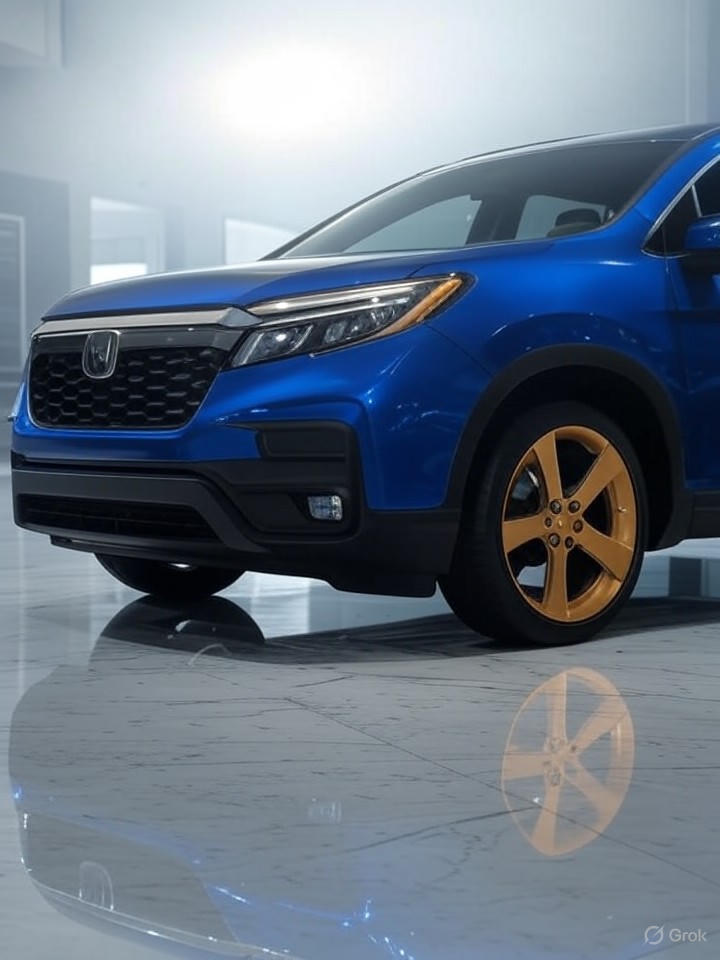
2019 Honda
Pickup
The 2019 Honda Ridgeline is a midsize pickup built on a unibody platform — the same basic architecture as the Honda Pilot — rather than the traditional body-on-frame design used by most trucks. That choice defines everything about it: you get a notably smoother, car-like ride, a quieter cabin, and confident handling that outclasses every traditional midsize rival, but you give up heavy-duty towing, off-road capability, and the rugged feel some truck buyers expect. For 2019, the Ridgeline carries over Honda's proven 3.5L i-VTEC V6 paired with a 6-speed automatic and standard all-wheel drive. Standout features include a lockable in-bed trunk (a genuine game-changer for secure storage), a dual-action tailgate that swings both down and sideways, and a refined interior that matches Honda's Pilot and Passport in quality. The bed is shorter than most rivals at 64 inches, but daily usability is excellent. The Ridgeline suits buyers who want a truck for weekend projects and family hauling — not those who regularly tow over 5,000 lbs or wheel through serious mud. If your truck spends 80% of its time on pavement and 20% in light-duty work, this is one of the most practical and comfortable midsize trucks on the market.
The 2019 Honda Ridgeline is a midsize pickup built on a unibody platform — the same basic architecture as the Honda Pilot — rather than the traditional body-on-frame design used by most trucks. That choice defines everything about it: you get a notably smoother, car-like ride, a quieter cabin, and confident handling that outclasses every traditional midsize rival, but you give up heavy-duty towing, off-road capability, and the rugged feel some truck buyers expect. For 2019, the Ridgeline carries over Honda's proven 3.5L i-VTEC V6 paired with a 6-speed automatic and standard all-wheel drive. Standout features include a lockable in-bed trunk (a genuine game-changer for secure storage), a dual-action tailgate that swings both down and sideways, and a refined interior that matches Honda's Pilot and Passport in quality. The bed is shorter than most rivals at 64 inches, but daily usability is excellent. The Ridgeline suits buyers who want a truck for weekend projects and family hauling — not those who regularly tow over 5,000 lbs or wheel through serious mud. If your truck spends 80% of its time on pavement and 20% in light-duty work, this is one of the most practical and comfortable midsize trucks on the market.
Honda's i-VTEC system relies on clean oil for camshaft timing actuators. Dirty oil is the leading cause of VTC rattle on cold starts and camshaft timing codes. Don't stretch this interval.
The AWD system works best when all four tires wear evenly. Uneven wear can stress the rear differential coupling. In Wisconsin winters, also confirm tread depth is above 4/32" before the first snowfall.
Wisconsin road dust and pollen load filters faster than many other regions. A clogged filter hurts fuel economy noticeably on the already-modest 22 mpg combined.
Humid Wisconsin summers promote mold growth in clogged cabin filters. A musty smell from the vents is the first sign — don't wait.
Brake fluid absorbs moisture over time, lowering its boiling point. This matters especially in hilly or stop-and-go conditions. Wisconsin salt seasons also accelerate corrosion in brake lines.
Use only Honda DW-1. Off-brand ATF is a documented cause of the transmission shudder issue on this generation. A fluid change with the correct fluid often resolves early shudder complaints without further parts.
Mixing coolant types or running degraded coolant can damage the aluminum heads and water pump. Capacity is 7.5 qts — make sure the system is fully bled after service.
The Ridgeline's stock battery is sized for moderate climates. Lake Geneva winters regularly hit sub-zero temps that drop cold-cranking amps dramatically. A battery approaching 4–5 years old should be tested, not assumed good.
Always defer to the manufacturer's service manual for warranty-mandated intervals.
The Ridgeline is one of the cheaper midsize trucks to maintain annually. Honda's service intervals are reasonable, parts are widely available, and nothing about this truck requires specialized labor. The biggest wildcard costs are a rearview camera replacement (~$300–500) and catalytic converter if it eventually goes (~$900–1,400). Avoid dealer ATF up-sells for the transmission — just make sure DW-1 fluid is used and you'll likely avoid the shudder issue entirely.
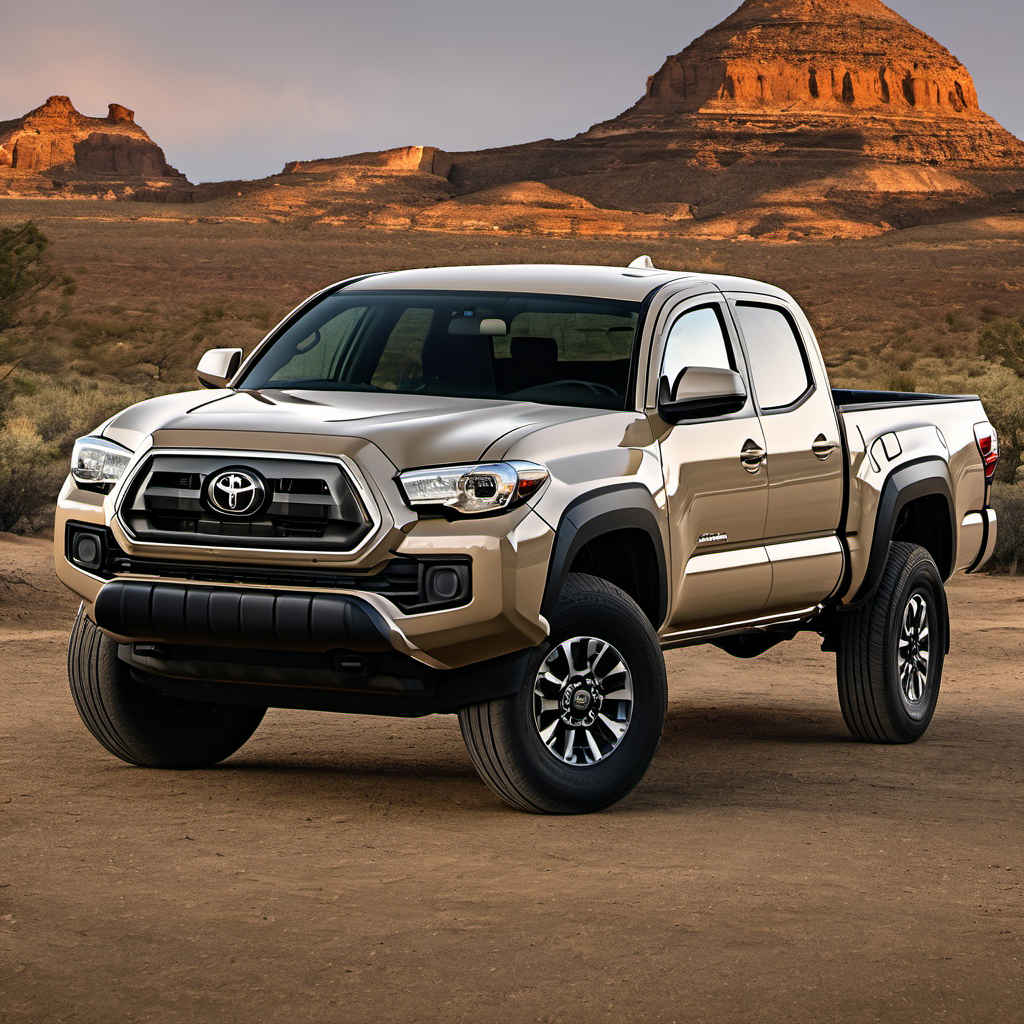
The benchmark midsize truck for resale value and off-road credibility. More capable on dirt, but a rougher ride, smaller cabin, and lower tow rating than many expect. Better choice if you go off-road regularly.

Body-on-frame midsize with higher tow ratings (up to 7,700 lbs with the diesel). More traditional truck feel, but a noticeably less refined cabin and rougher daily ride than the Ridgeline.
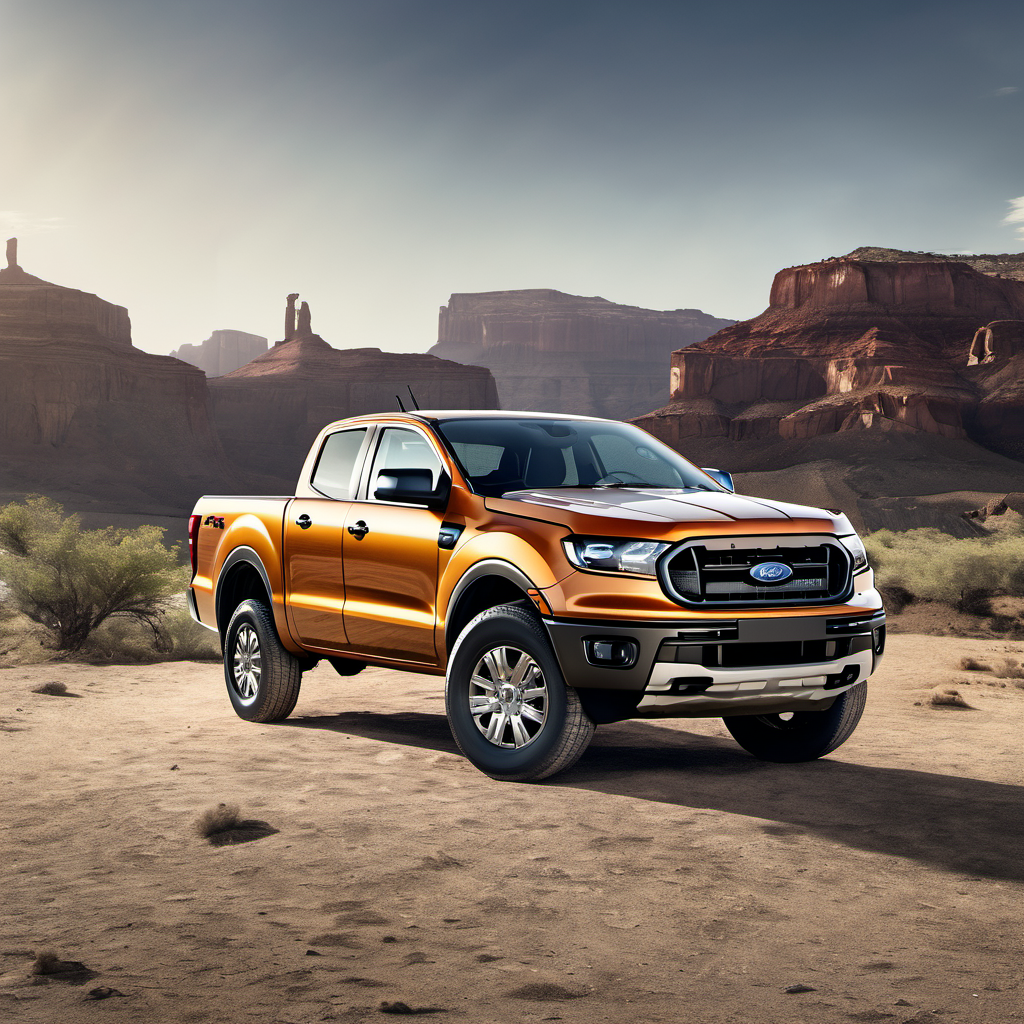
Returned to the US market in 2019 after a long absence. Capable body-on-frame design with a turbocharged 2.3L four-cylinder. More off-road ready than the Ridgeline, but the cabin and feature set lag behind.
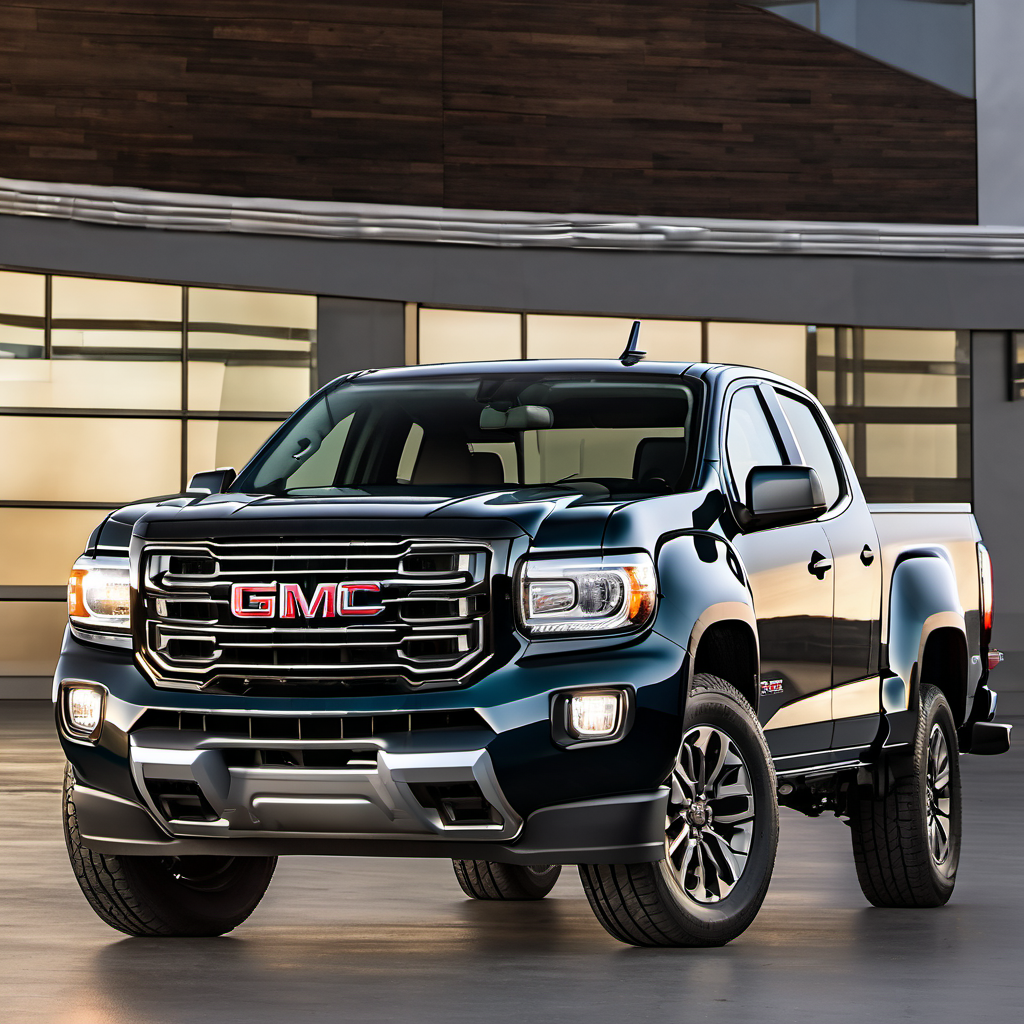
Colorado's premium twin with slightly nicer interior touches. Same capability story — better towing on paper, but the Ridgeline wins on daily comfort, storage cleverness, and long-term reliability data.