Transmission Shudder / Vibration at 20–40 mph
high- Typically appears
- 15–50k mi
- Estimated repair
- $150 – $400
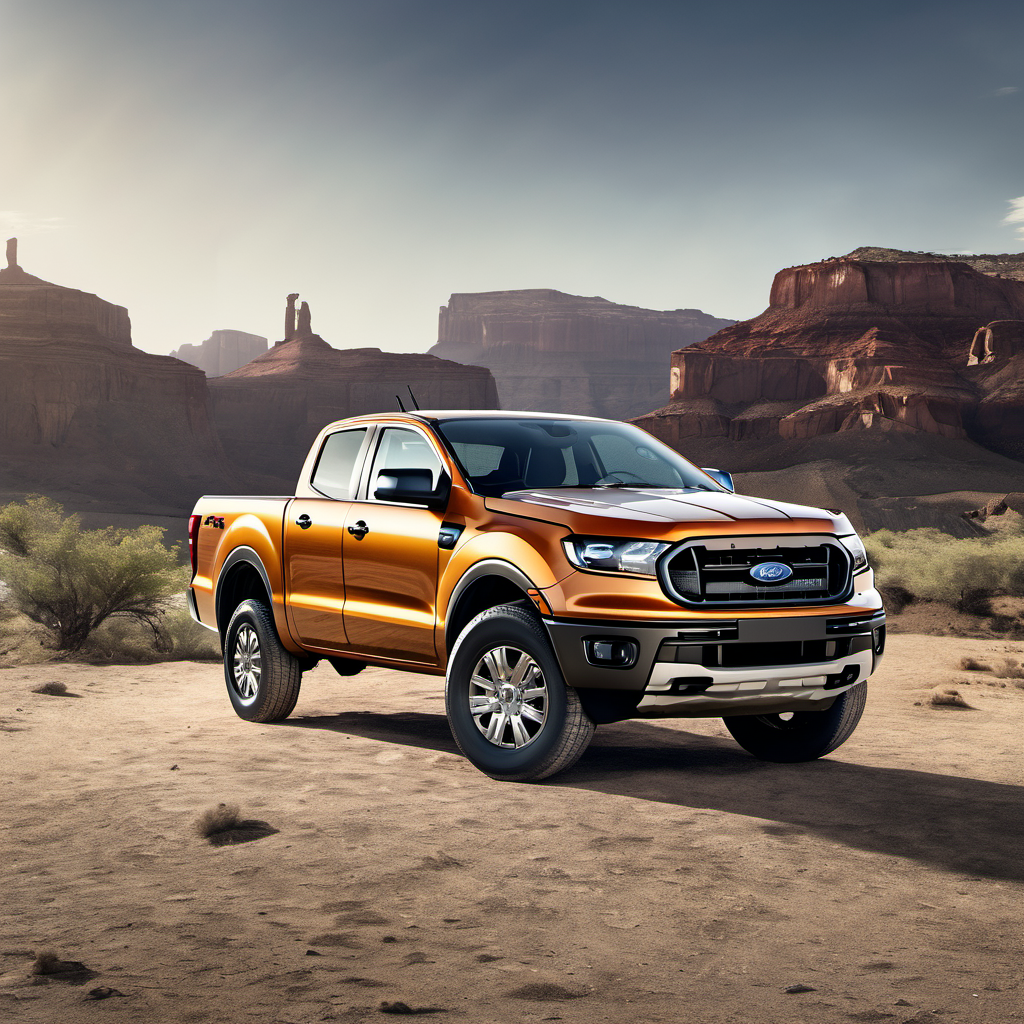
2019 Ford
2.3L I4 EcoBoost Turbocharged · Pickup
The 2019 Ford Ranger marked the nameplate's return to North America after a seven-year absence. Ford brought it back as a mid-size pickup built around a turbocharged 2.3L EcoBoost four-cylinder, a 10-speed automatic, and an available 4x4 system — slotting squarely between compact cars and the full-size F-150. The SuperCab adds rear-hinged half-doors and modest rear seating, making it a practical choice when you need occasional back-seat access without the full footprint of a SuperCrew. On paper the Ranger punches above its class: 270 hp, 7,500-lb tow rating, and 8.4 inches of ground clearance are legitimate truck numbers. Fuel economy is competitive for a mid-size, and the ride quality is notably composed for a body-on-frame pickup. The interior was considered solid for its segment when new, if not class-leading. The 2019 model year was a relaunch year, which means early production quirks showed up quickly in owner reports. Transmission shudder and infotainment glitches were the most talked-about complaints. Most of the mechanical issues have TSBs or software fixes available, so a well-maintained example with documented service history is generally a solid used buy — just verify the transmission concern has been addressed.
The 2019 Ford Ranger marked the nameplate's return to North America after a seven-year absence. Ford brought it back as a mid-size pickup built around a turbocharged 2.3L EcoBoost four-cylinder, a 10-speed automatic, and an available 4x4 system — slotting squarely between compact cars and the full-size F-150. The SuperCab adds rear-hinged half-doors and modest rear seating, making it a practical choice when you need occasional back-seat access without the full footprint of a SuperCrew. On paper the Ranger punches above its class: 270 hp, 7,500-lb tow rating, and 8.4 inches of ground clearance are legitimate truck numbers. Fuel economy is competitive for a mid-size, and the ride quality is notably composed for a body-on-frame pickup. The interior was considered solid for its segment when new, if not class-leading. The 2019 model year was a relaunch year, which means early production quirks showed up quickly in owner reports. Transmission shudder and infotainment glitches were the most talked-about complaints. Most of the mechanical issues have TSBs or software fixes available, so a well-maintained example with documented service history is generally a solid used buy — just verify the transmission concern has been addressed.
The 2.3L EcoBoost turbo runs hot and depends on clean oil for VCT solenoid function. Stretching oil changes is the fastest way to invite camshaft timing codes and turbo wear. Don't skip this one.
The 4x4 drivetrain and the truck's weight distribution cause uneven wear if tires aren't rotated consistently. Regular rotation also lets you catch brake wear early.
A restricted air filter hurts turbo response and fuel economy. Wisconsin's gravel roads and dusty summers accelerate contamination.
Keeps the HVAC system moving enough air to defog windows quickly — critical for Wisconsin winters. A clogged filter also strains the blower motor.
If the transmission shudder TSB hasn't been applied, a fresh Mercon LV fill is step one of the fix. Even on healthy trucks, fresh fluid at this interval protects the 10-speed's clutch packs.
The orange OAT coolant has a different service life than older green coolants. Mixing types causes silicate dropout and can clog the small passages in the EcoBoost's intercooler circuit.
Lake Geneva winters regularly hit single digits and below. The Ranger's electronics are sensitive to a weak battery — a marginal battery that starts fine in October will fail in January.
The Ti-VCT system uses small oil passages that clog when oil changes are delayed. P0012/P0015 codes often trace back to a dirty solenoid screen, which is a cheap fix if caught early.
Always defer to the manufacturer's service manual for warranty-mandated intervals.
The Ranger is reasonably affordable to own compared to full-size trucks. Routine maintenance is the biggest annual cost driver — oil changes every 10k miles plus tire rotations add up but are straightforward. The main financial risk is a transmission or turbocharger repair; both can exceed $1,500 at a shop. Keeping up with oil changes and addressing any TSBs early keeps those risks low. Budget for a battery replacement around the 4–5 year mark if the truck lives outside in Wisconsin winters.

Direct mid-size competitor. Available V6 and diesel options give more powertrain choice; similarly priced, with a longer post-relaunch refinement period by 2019.
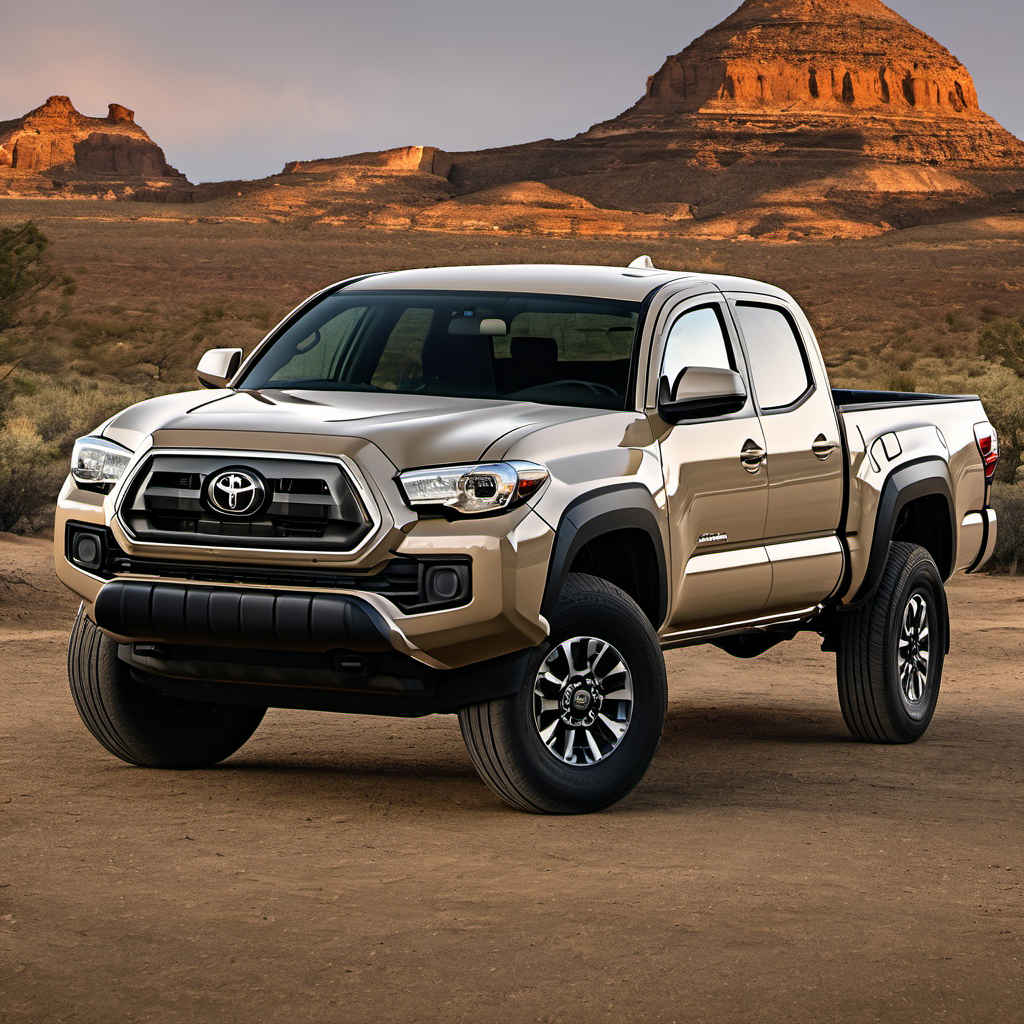
Strongest resale value in the segment and a legendary long-term reliability reputation. Less powerful and rougher on-road but holds value far better than the Ranger.
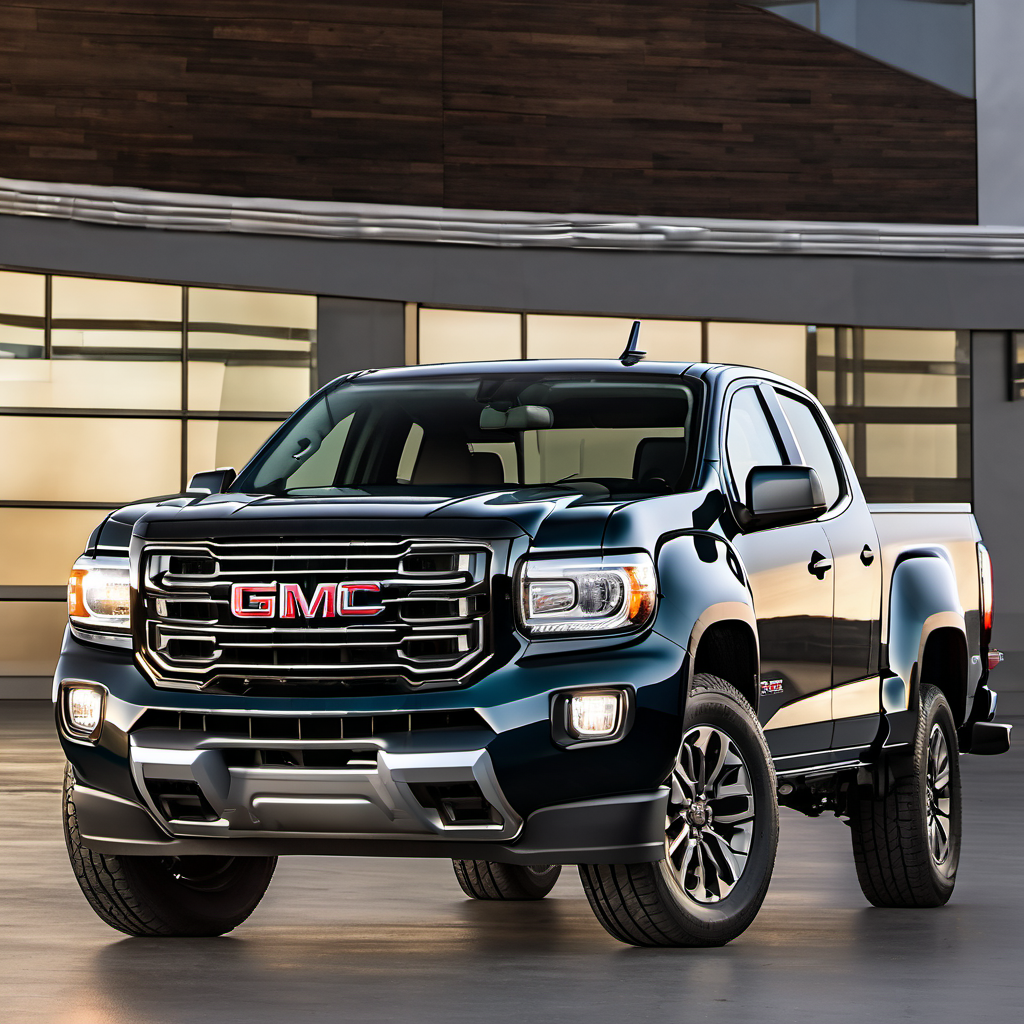
Badge-twin to the Colorado with slightly more premium trim options. Same drivetrain strengths and similar ownership costs in the mid-size truck space.
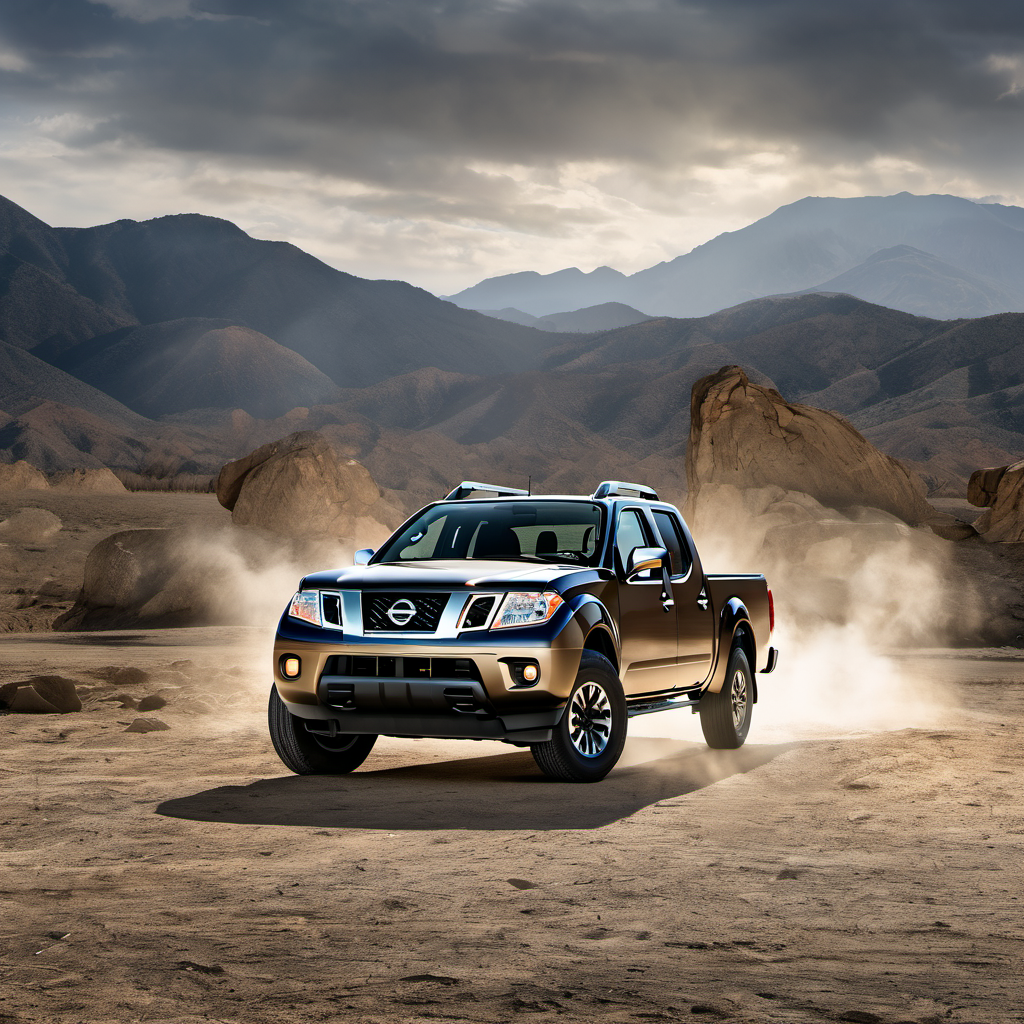
Older platform but proven and inexpensive to repair; lower tow rating than the Ranger but simpler mechanically and typically cheaper to maintain.