Transmission Shifting Issues (Rough/Delayed Shifts)
high- Typically appears
- 50–80k mi
- Estimated repair
- $150 – $3,000
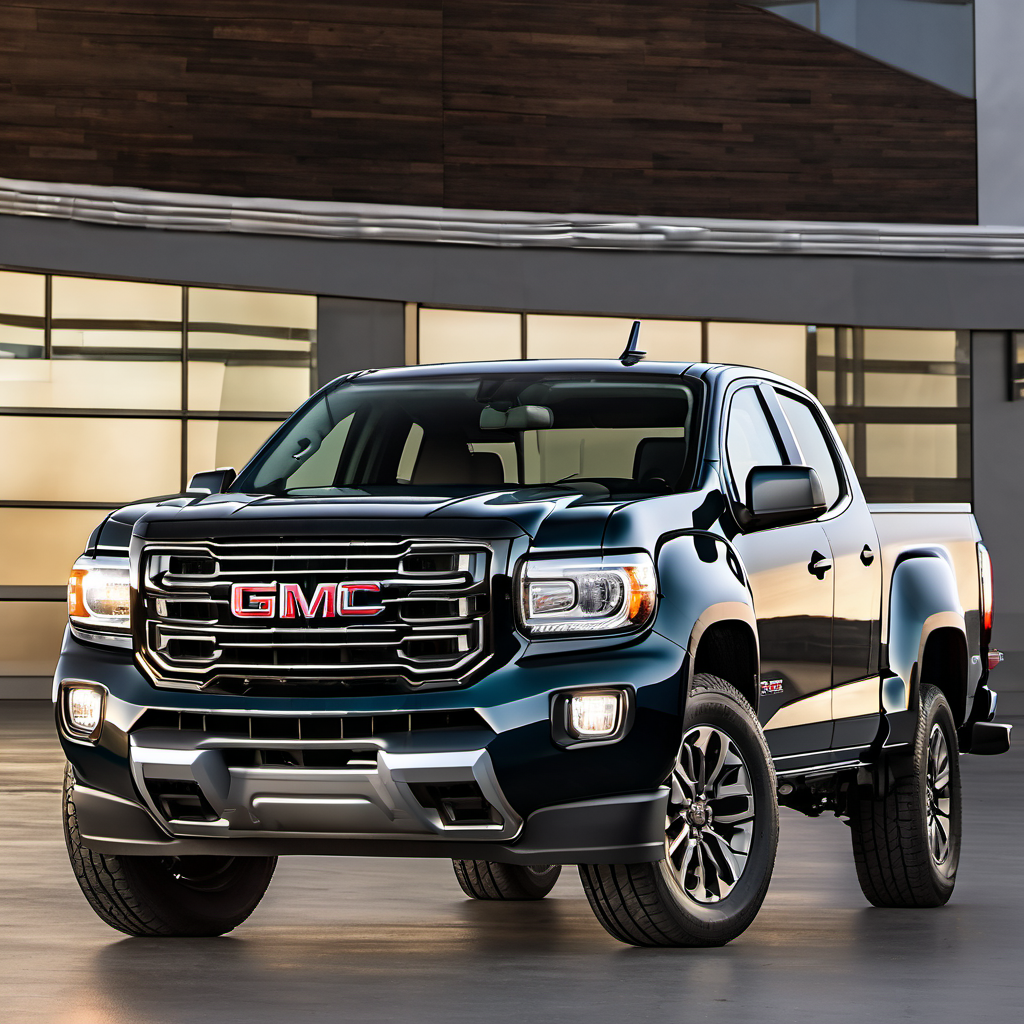
2019 GMC
2.5L I4 DOHC · Pickup
The 2019 GMC Canyon Extended Cab is GMC's mid-size pickup, slotting below the full-size Sierra and competing directly with the Chevy Colorado (its platform twin), Ford Ranger, and Toyota Tacoma. It rides on GM's Global Mid-Size Truck (GMT 31XX) platform and offers a useful combination of daily-driver manners and legitimate truck capability — towing up to 7,000 lbs with the available diesel. The Extended Cab configuration gives you a 128.3-inch wheelbase and small rear-access doors, making it more maneuverable than a crew cab in tight spots while still offering occasional rear-seat use. The base 2.5L I4 is the everyday workhorse — adequate but not exciting. Most buyers who need serious towing gravitate toward the 3.6L V6 or the 2.8L Duramax diesel. For Wisconsin owners, the Canyon's 8.4-inch ground clearance is a genuine plus in winter conditions, and the 4WD system is well-regarded. The flip side: this is a salt-belt truck, and frame/underbody rust is a real concern that demands consistent maintenance attention.
The 2019 GMC Canyon Extended Cab is GMC's mid-size pickup, slotting below the full-size Sierra and competing directly with the Chevy Colorado (its platform twin), Ford Ranger, and Toyota Tacoma. It rides on GM's Global Mid-Size Truck (GMT 31XX) platform and offers a useful combination of daily-driver manners and legitimate truck capability — towing up to 7,000 lbs with the available diesel. The Extended Cab configuration gives you a 128.3-inch wheelbase and small rear-access doors, making it more maneuverable than a crew cab in tight spots while still offering occasional rear-seat use. The base 2.5L I4 is the everyday workhorse — adequate but not exciting. Most buyers who need serious towing gravitate toward the 3.6L V6 or the 2.8L Duramax diesel. For Wisconsin owners, the Canyon's 8.4-inch ground clearance is a genuine plus in winter conditions, and the 4WD system is well-regarded. The flip side: this is a salt-belt truck, and frame/underbody rust is a real concern that demands consistent maintenance attention.
GM recommends 7,500-mile intervals with synthetic blend. In Wisconsin winter conditions with lots of cold starts, staying at or below this interval protects the VVT system and reduces sludge risk.
Wisconsin roads kick up road salt and debris year-round. A clogged cabin filter reduces heat and defrost effectiveness in winter — exactly when you need it most. Easy DIY swap.
Dusty summer and salty winter air accelerates filter clogging. A clean air filter supports fuel economy and protects the direct-injection system's sensitive fuel pressure balance.
GM's extended interval is based on ideal conditions. Given the reported shifting issues on 2017–2019 Canyons, fresh fluid at or before this interval helps and is cheap insurance against a costly rebuild.
Brake fluid absorbs moisture over time, lowering its boiling point. Wisconsin's freeze-thaw cycling accelerates moisture intrusion. Fresh fluid keeps brake feel firm and prevents caliper corrosion.
DEX-COOL has a long service life but does degrade. Neglected coolant becomes acidic and attacks the aluminum components and water pump. Stick to orange DEX-COOL when refilling — do not mix with green conventional coolant.
Salt-belt frame rust is the Canyon's most serious long-term threat in Wisconsin. A pre-winter inspection lets you catch surface rust before it goes structural and apply protective coating while temps are still workable.
Salt accumulates all winter in frame crevices, suspension components, and brake lines. A thorough spring flush — including wheel wells and behind skid plates — dramatically slows corrosion progress.
Always defer to the manufacturer's service manual for warranty-mandated intervals.
The Canyon sits in the middle of the pack for mid-size truck ownership costs. Routine maintenance is straightforward and reasonably priced. The big wildcard is transmission work — a software flash is inexpensive, but a mechanical repair or rebuild can hit $2,500–$3,500. Rust remediation is a recurring cost for Wisconsin owners that full-size truck buyers face equally. Fuel costs are better than a V8 full-size but not dramatically so versus a V6 mid-sizer.

Platform-identical twin to the Canyon built on the same GMT 31XX frame. Nearly every spec, issue, and maintenance item is shared. The Colorado typically comes in slightly cheaper and has the same powertrain options, making it the most direct price comparison when shopping used.
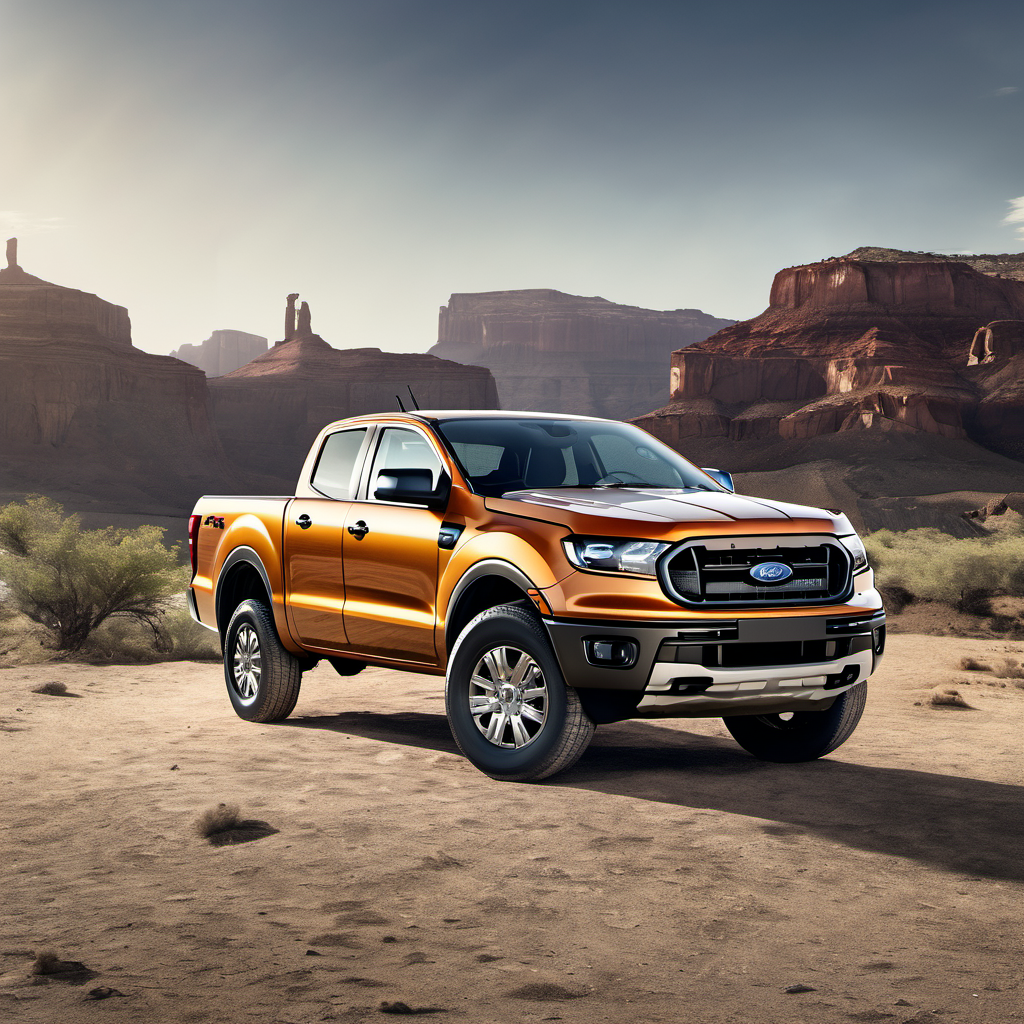
Ford's re-entry into the mid-size segment for 2019. The Ranger SuperCab matches the Canyon's footprint and competes on towing. The 2.3L EcoBoost feels punchier than the Canyon's 2.5L I4, and Ford's dealer network is larger — worth cross-shopping if independent repair access matters.
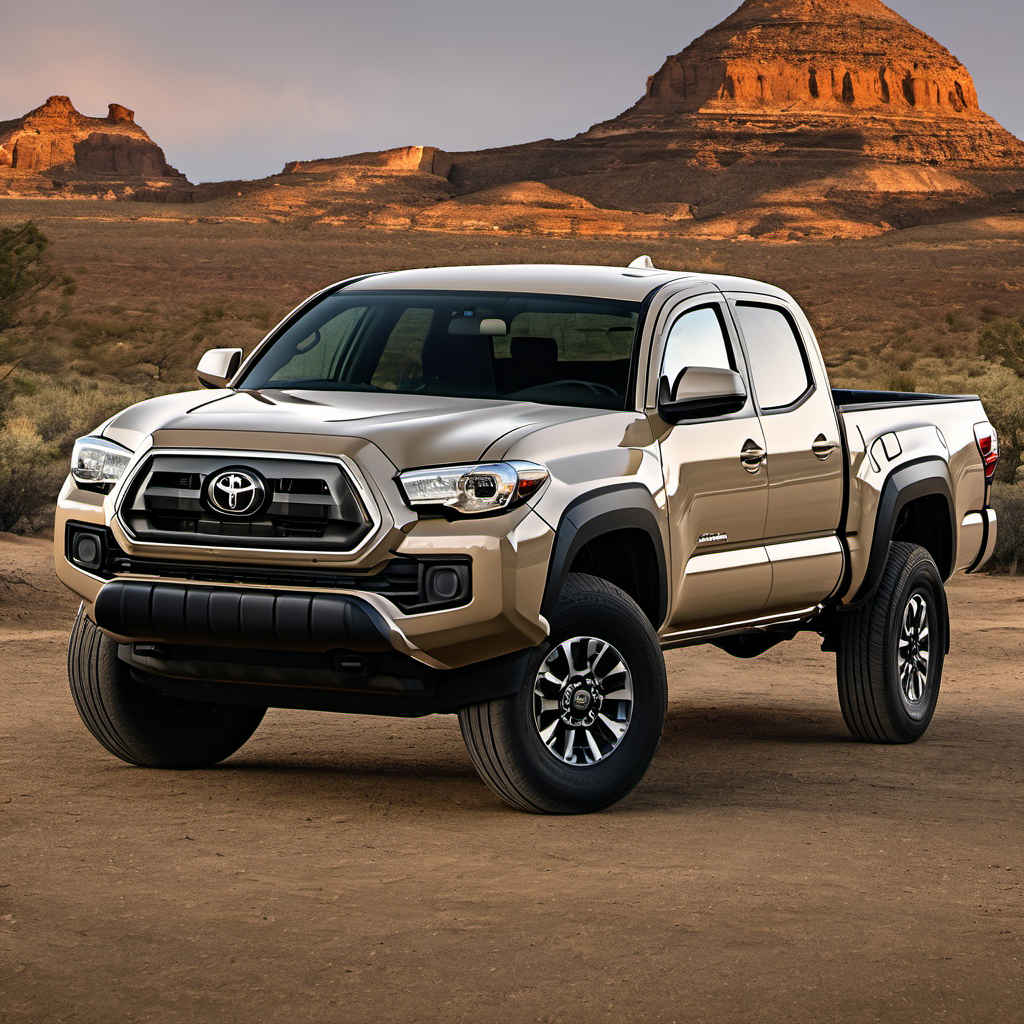
The Tacoma has a stronger long-term reliability reputation and significantly higher resale value, though it gives up ride quality and interior refinement versus the Canyon. If 200k-mile longevity is the priority over features, the Tacoma is the benchmark comparison.
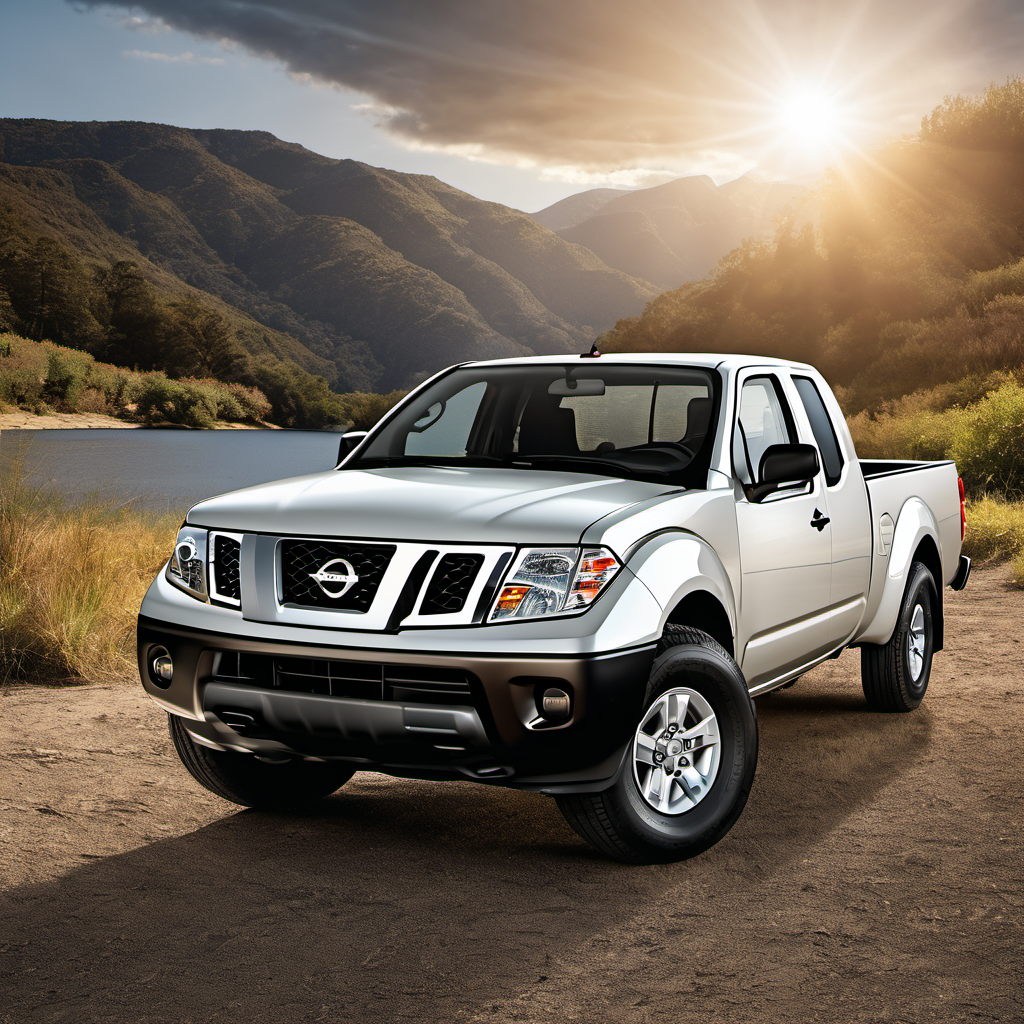
The 2019 Frontier is an older design with a proven, simple 4.0L V6, making it easy and cheap to maintain. Lower MSRP and lower resale. If budget-conscious ownership with minimal electronics complexity is the goal, the Frontier is worth a look — just don't expect modern features.