Transmission Shudder / Rough Shifting
medium- Typically appears
- 20–60k mi
- Estimated repair
- $200 – $3,500
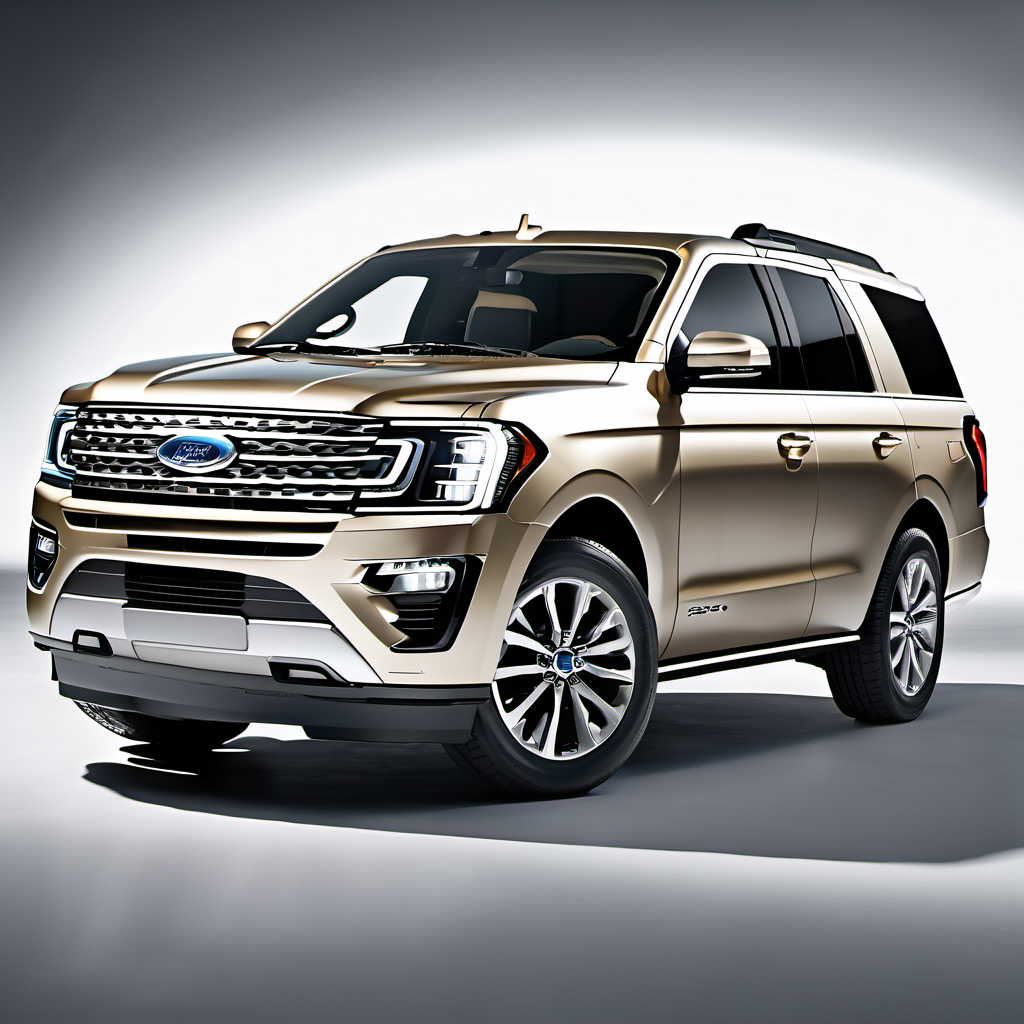
2019 Ford
3.5L V6 EcoBoost Twin-Turbo · SUV
The 2019 Ford Expedition is a full-size, body-on-frame SUV built on Ford's aluminum-intensive T3 platform, sharing its underpinnings with the F-150. It seats up to eight and offers best-in-class towing among traditional full-size SUVs thanks to the twin-turbocharged 3.5L EcoBoost V6. This generation, launched for 2018, was a significant leap over its predecessor — shedding hundreds of pounds through aluminum body panels and gaining a much more capable independent rear suspension. For families who need genuine hauling and towing capability without stepping into a pickup truck, the Expedition delivers. Third-row access is easy, cargo space behind the third row is usable, and the Max wheelbase version stretches things even further. The EcoBoost engine pulls hard and gets reasonable fuel economy for the class. That said, 2018–2019 models came out of the gate with some growing pains — transmission shudder, rear suspension noise, and infotainment glitches were reported early on. These aren't dealbreakers, but they're worth knowing before you buy or budget for ownership.
The 2019 Ford Expedition is a full-size, body-on-frame SUV built on Ford's aluminum-intensive T3 platform, sharing its underpinnings with the F-150. It seats up to eight and offers best-in-class towing among traditional full-size SUVs thanks to the twin-turbocharged 3.5L EcoBoost V6. This generation, launched for 2018, was a significant leap over its predecessor — shedding hundreds of pounds through aluminum body panels and gaining a much more capable independent rear suspension. For families who need genuine hauling and towing capability without stepping into a pickup truck, the Expedition delivers. Third-row access is easy, cargo space behind the third row is usable, and the Max wheelbase version stretches things even further. The EcoBoost engine pulls hard and gets reasonable fuel economy for the class. That said, 2018–2019 models came out of the gate with some growing pains — transmission shudder, rear suspension noise, and infotainment glitches were reported early on. These aren't dealbreakers, but they're worth knowing before you buy or budget for ownership.
The EcoBoost twin-turbo runs hot and puts more stress on oil than a naturally aspirated engine. Fresh 5W-30 synthetic blend on schedule is the single best thing you can do for long-term engine health. Don't stretch this — dirty oil accelerates cam phaser and VVT wear.
Ford's 150k maintenance interval is for ideal conditions. The 10-speed in the 2018–2019 Expedition has known shudder issues. Proactive fluid changes with correct Mercon LV fluid can prevent or reduce shudder and extend transmission life significantly.
Turbocharged engines are especially sensitive to restricted airflow. A dirty filter hurts boost efficiency and fuel economy.
Wisconsin road dust and pollen load up cabin filters quickly. A clogged filter strains the HVAC blower motor and reduces defroster effectiveness — critical in winter.
Worn plugs on a turbocharged V6 can trigger misfires under boost. Ford recommends 60k for this engine. Don't push it further — removal gets harder as plugs seize with age.
DOT 3 is hygroscopic — it absorbs moisture over time, lowering the boiling point. On a 5,400-lb SUV doing Wisconsin downhill winter drives, degraded brake fluid is a real risk.
This generation uses aluminum body panels, but the frame and suspension components are steel. Lake Geneva roads are heavily salted. Frame rust is already a documented issue on this vehicle — prevention is far cheaper than repair.
17.5-quart capacity means leaks or low coolant can develop slowly and unnoticed. The EcoBoost twin-turbo puts significant thermal load on the cooling system. Use Motorcraft Orange (OAT) coolant only — mixing types can cause gelling.
Always defer to the manufacturer's service manual for warranty-mandated intervals.
The Expedition is not a cheap vehicle to own. Routine maintenance is manageable, but when something goes wrong — transmission, turbochargers, infotainment, or catalytic converters — repair bills climb fast. Budget $900–$1,800/year for normal maintenance (oil, filters, brakes, tires) and keep a reserve for the known issues above. Towing regularly or driving in heavy salt conditions will push costs toward the top of that range.
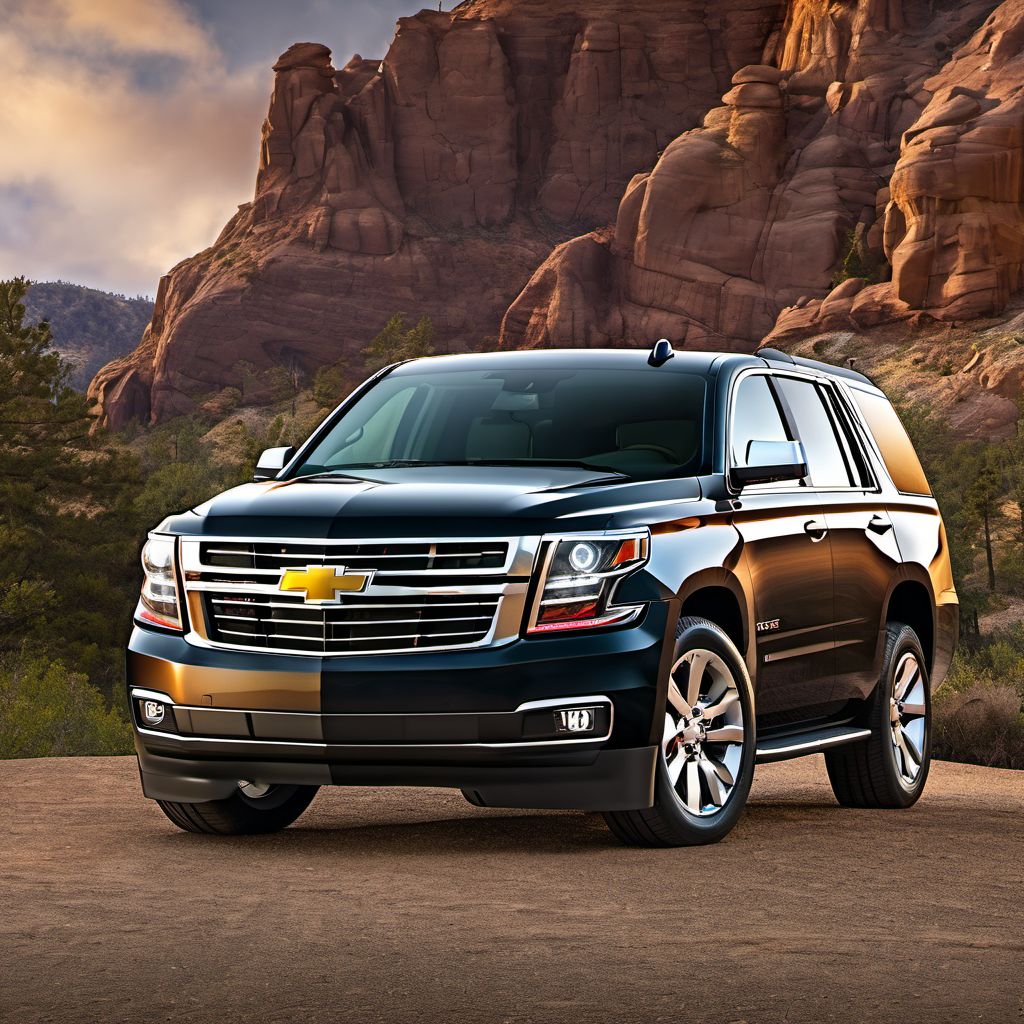
Same segment, similar three-row capacity, traditional body-on-frame construction. The Tahoe uses a naturally aspirated V8 — simpler to maintain but thirstier and less torque than the EcoBoost. More proven transmission at this mileage range.
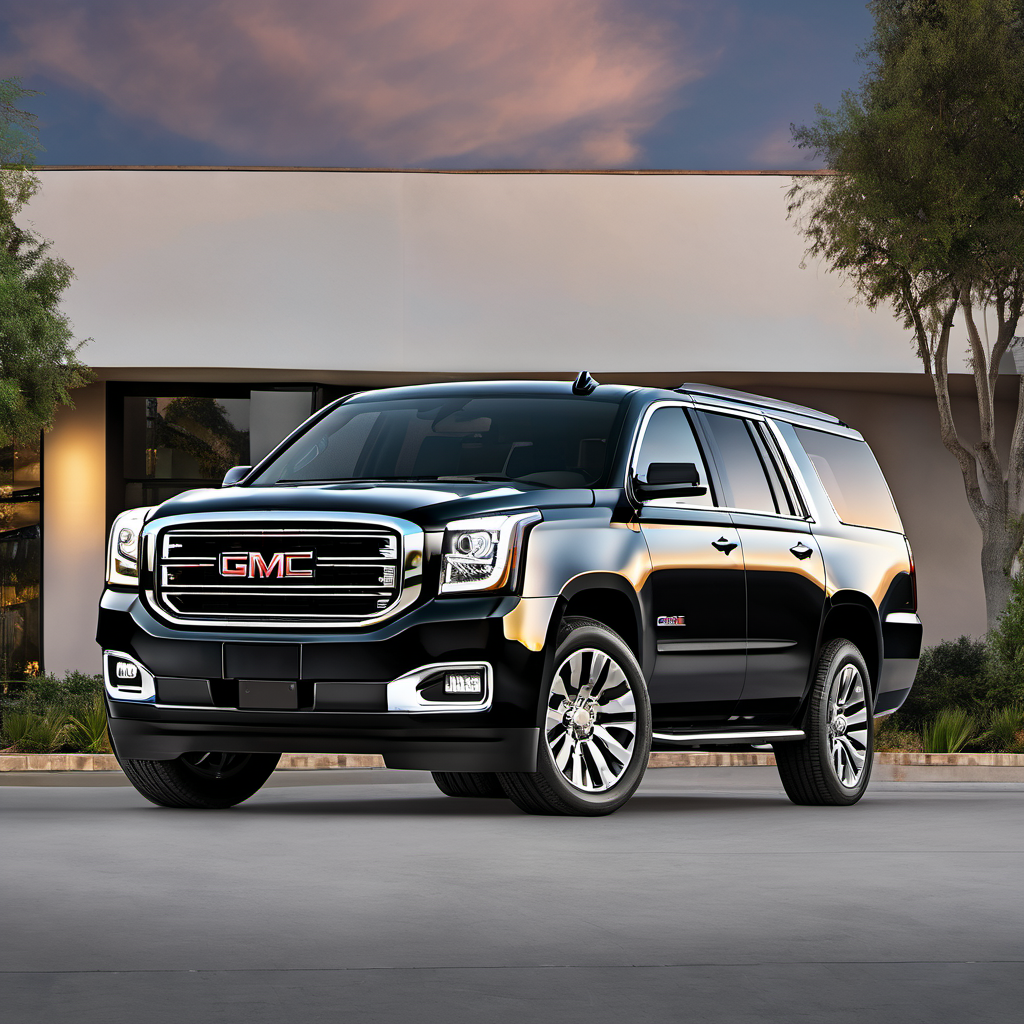
Mechanically identical to the Tahoe with slightly different styling and trim levels. Often priced similarly to the Expedition. Good alternative if EcoBoost turbo complexity is a concern.
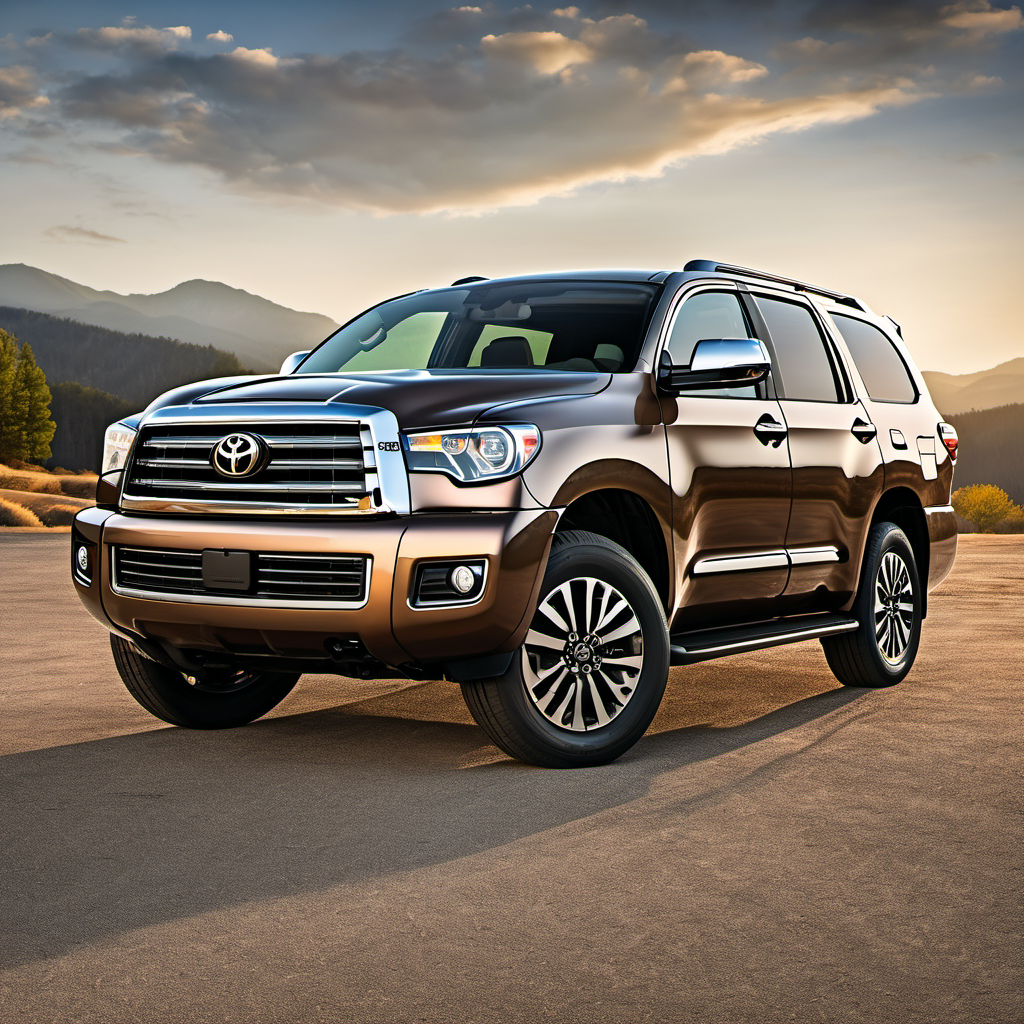
The Sequoia's 5.7L V8 is less powerful and much thirstier, but Toyota's legendary drivetrain reliability is hard to beat. Lower towing capacity than the Expedition, but arguably a more bulletproof long-term ownership proposition.
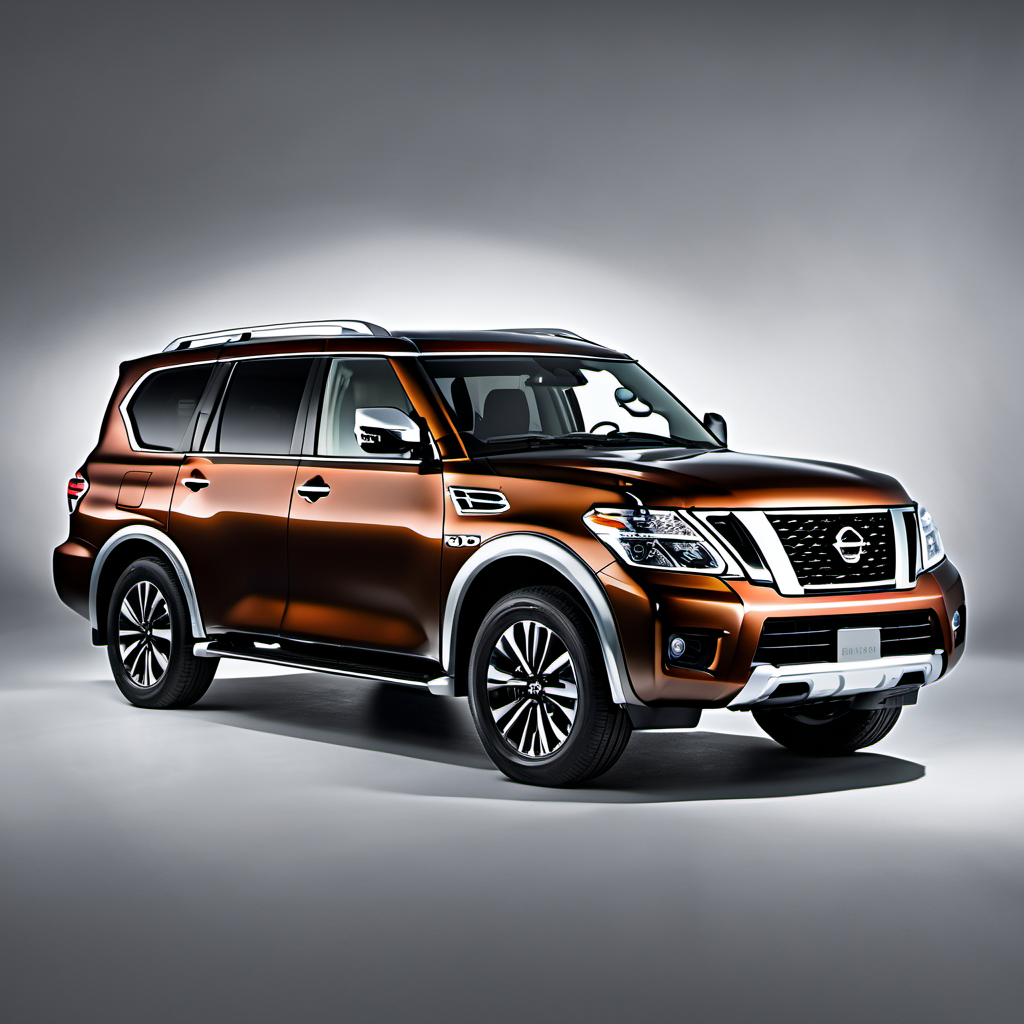
Similar full-size three-row footprint at a lower price point. The 5.6L V8 is straightforward to maintain. Towing capacity is lower (8,500 lbs) and interior tech lags behind, but it's a solid alternative with fewer known early-production issues.