Active Fuel Management (AFM) Lifter Failure
high- Typically appears
- 60–120k mi
- Estimated repair
- $2,500 – $5,000
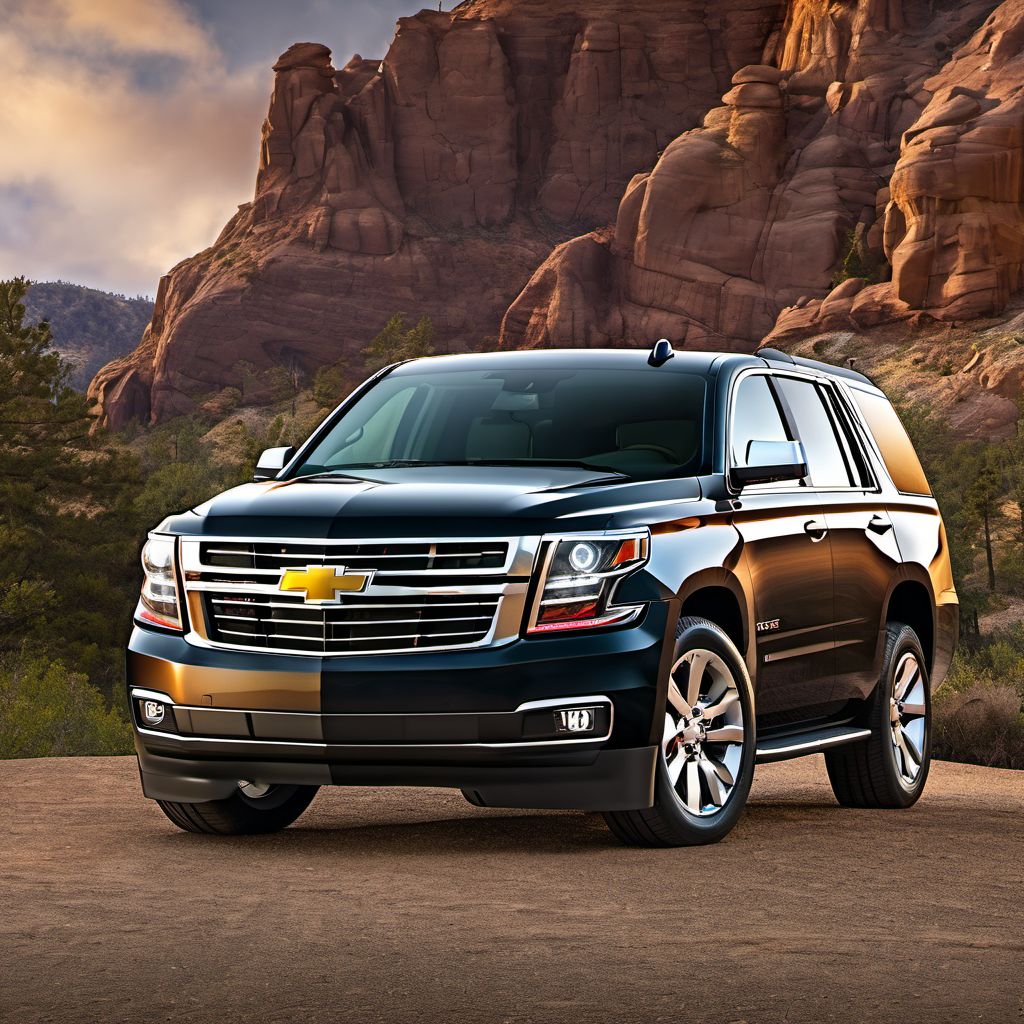
2019 Chevrolet
SUV
The 2019 Chevrolet Tahoe is a full-size, body-on-frame SUV built on GM's K2 platform. It seats up to 9 passengers, hauls up to 8,600 lbs, and is powered by a proven 5.3L V8 that owners routinely drive past 200,000 miles with proper care. It's a practical choice for large families, towers, and anyone who needs genuine passenger capacity alongside serious utility. This generation (2015–2020) brought a few meaningful refinements — magnetic ride control availability, updated infotainment, and a revised interior — but it still rides on a platform that traces its roots back to the mid-2000s. That's a two-edged sword: the mechanicals are well-understood and parts are everywhere, but the interior and technology feel dated compared to some rivals by 2019. For Lake Geneva-area owners, the Tahoe's high ground clearance and available 4WD make it a capable winter truck. The steel body and frame do accumulate road-salt damage over time, so undercarriage maintenance is not optional in Wisconsin.
The 2019 Chevrolet Tahoe is a full-size, body-on-frame SUV built on GM's K2 platform. It seats up to 9 passengers, hauls up to 8,600 lbs, and is powered by a proven 5.3L V8 that owners routinely drive past 200,000 miles with proper care. It's a practical choice for large families, towers, and anyone who needs genuine passenger capacity alongside serious utility. This generation (2015–2020) brought a few meaningful refinements — magnetic ride control availability, updated infotainment, and a revised interior — but it still rides on a platform that traces its roots back to the mid-2000s. That's a two-edged sword: the mechanicals are well-understood and parts are everywhere, but the interior and technology feel dated compared to some rivals by 2019. For Lake Geneva-area owners, the Tahoe's high ground clearance and available 4WD make it a capable winter truck. The steel body and frame do accumulate road-salt damage over time, so undercarriage maintenance is not optional in Wisconsin.
The AFM system passes extra oil through the lifter deactivation mechanism. Old, dirty oil accelerates lifter wear — the most expensive failure point on this engine. Don't stretch intervals.
Fresh fluid is the best defense against torque converter shudder. Many owners on the 2015–2019 Tahoe report shudder disappearing after a fluid flush at the first sign of symptoms.
Towing at or near 8,600 lbs heats differential fluid quickly. Degraded fluid accelerates ring-and-pinion wear.
DEX-COOL becomes acidic when mixed with air or low coolant levels. An acidic system eats intake gaskets and water pump seals — both expensive repairs.
DOT 3 absorbs moisture over time, lowering the boiling point and corroding ABS components internally.
A clogged air filter stresses the MAF sensor and reduces direct-injection combustion efficiency.
A blocked cabin filter strains the HVAC blower motor and reduces defrost effectiveness — a real safety concern on Wisconsin winter mornings.
Body-on-frame SUVs trap road salt in frame rails and around brake lines. Wisconsin salt-belt rust is the number one silent killer of otherwise healthy Tahoes.
Always defer to the manufacturer's service manual for warranty-mandated intervals.
The Tahoe is a moderately expensive vehicle to maintain — not because parts are scarce, but because it's a large V8 truck with high fluid capacities and components sized for heavy use. Routine annual maintenance (oil, filters, brakes) runs $800–$1,200 in a normal year. Budget an additional $500–$600 every other year for transmission fluid, differentials, and coolant. A major repair like AFM lifters or a torque converter can cost $2,500–$5,000 — having a repair fund matters. Fuel is the biggest ongoing cost for most owners.
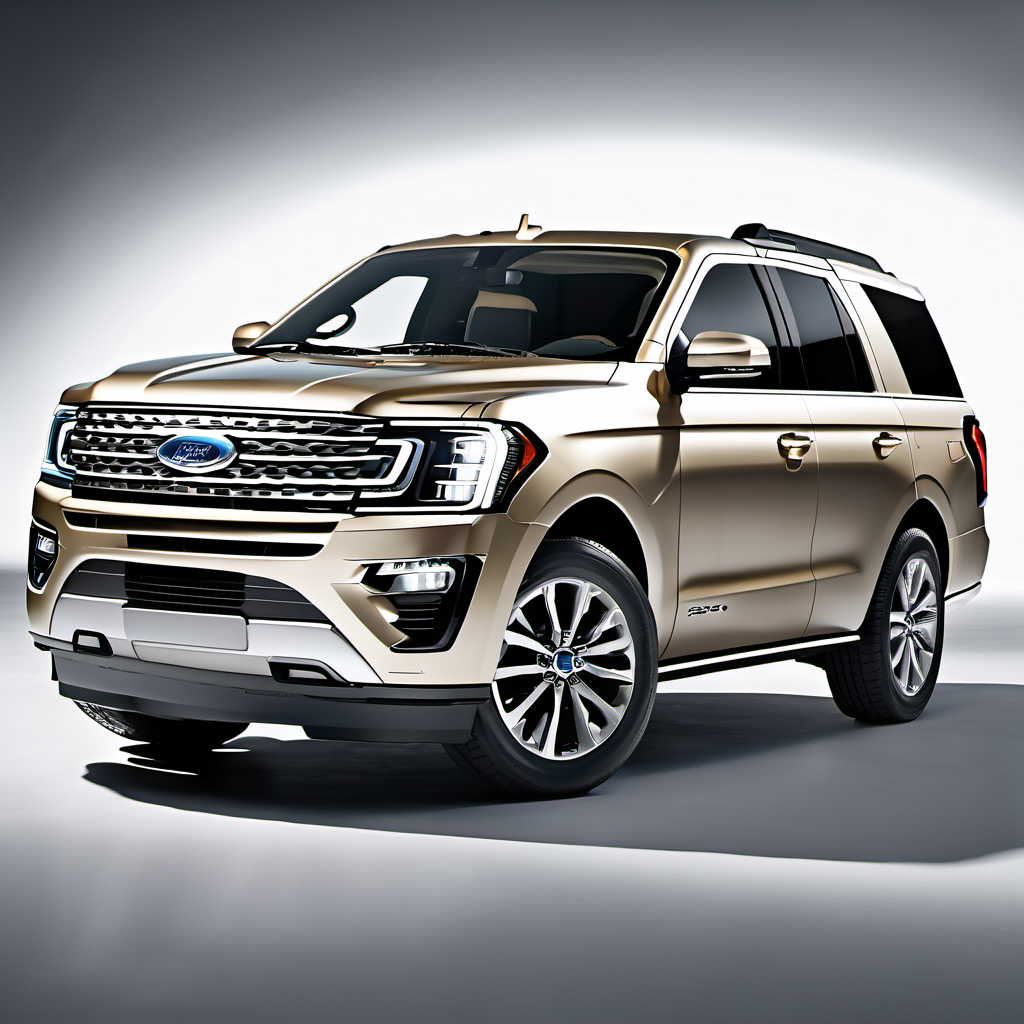
Identical mission — full-size three-row family hauler with strong towing. The 3.5L EcoBoost V6 gets better MPG but adds turbocharged complexity. More modern independent rear suspension gives a smoother ride than the Tahoe's solid axle.
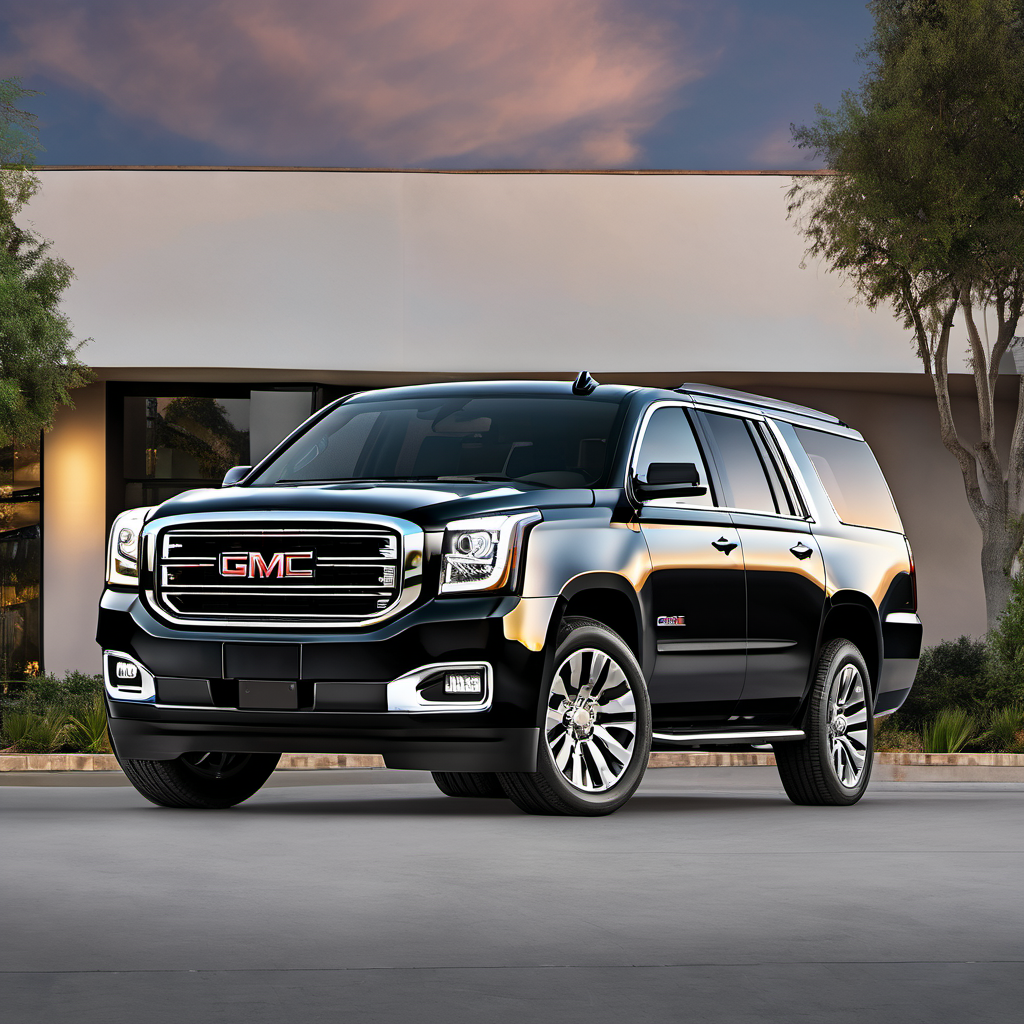
Shares the exact same platform, engine, and drivetrain as the Tahoe. The Yukon typically commands a slight price premium for perceived trim upgrades. If you find a well-maintained Yukon at a better price, it's mechanically identical.
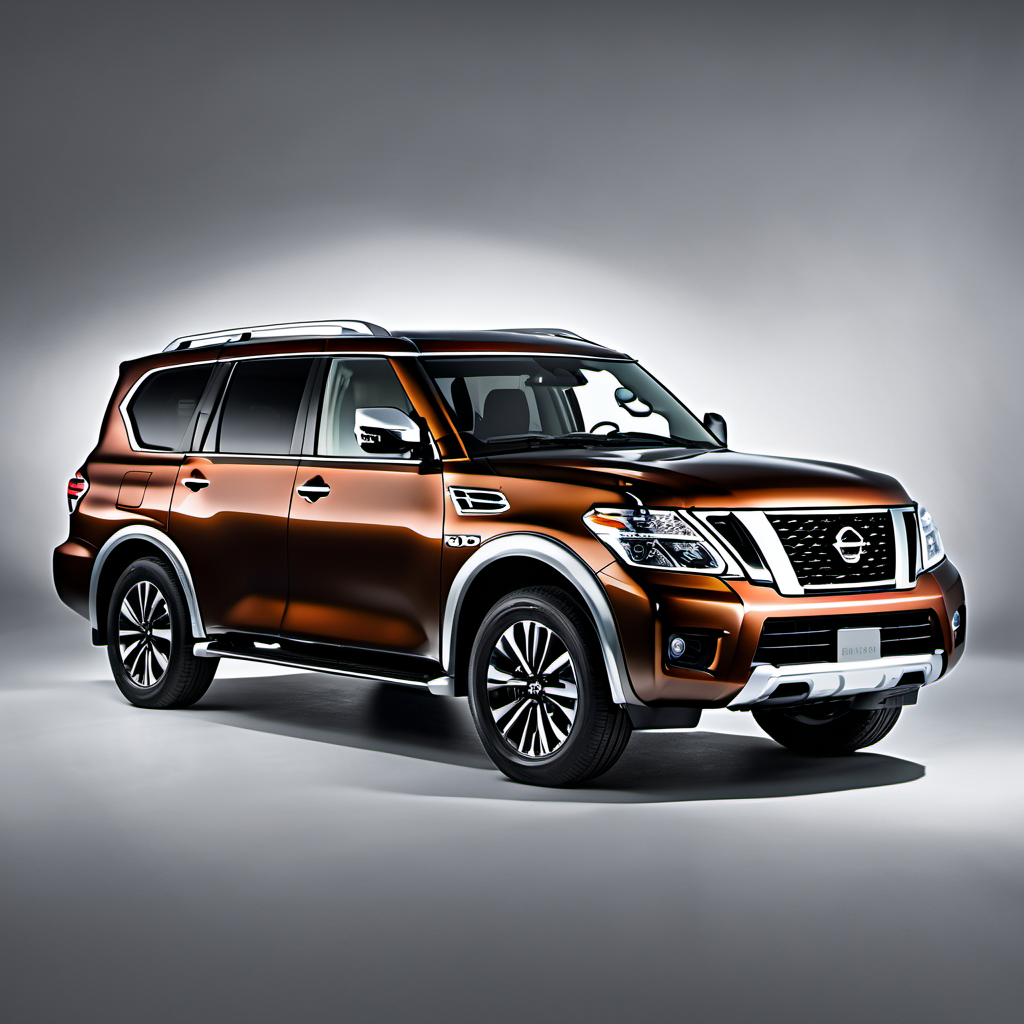
Body-on-frame full-size SUV with a 5.6L V8 and similar three-row layout. Slightly lower tow rating (8,500 lbs) but a more refined interior for the money. Less common in the Midwest, which can mean fewer local mechanics familiar with it.
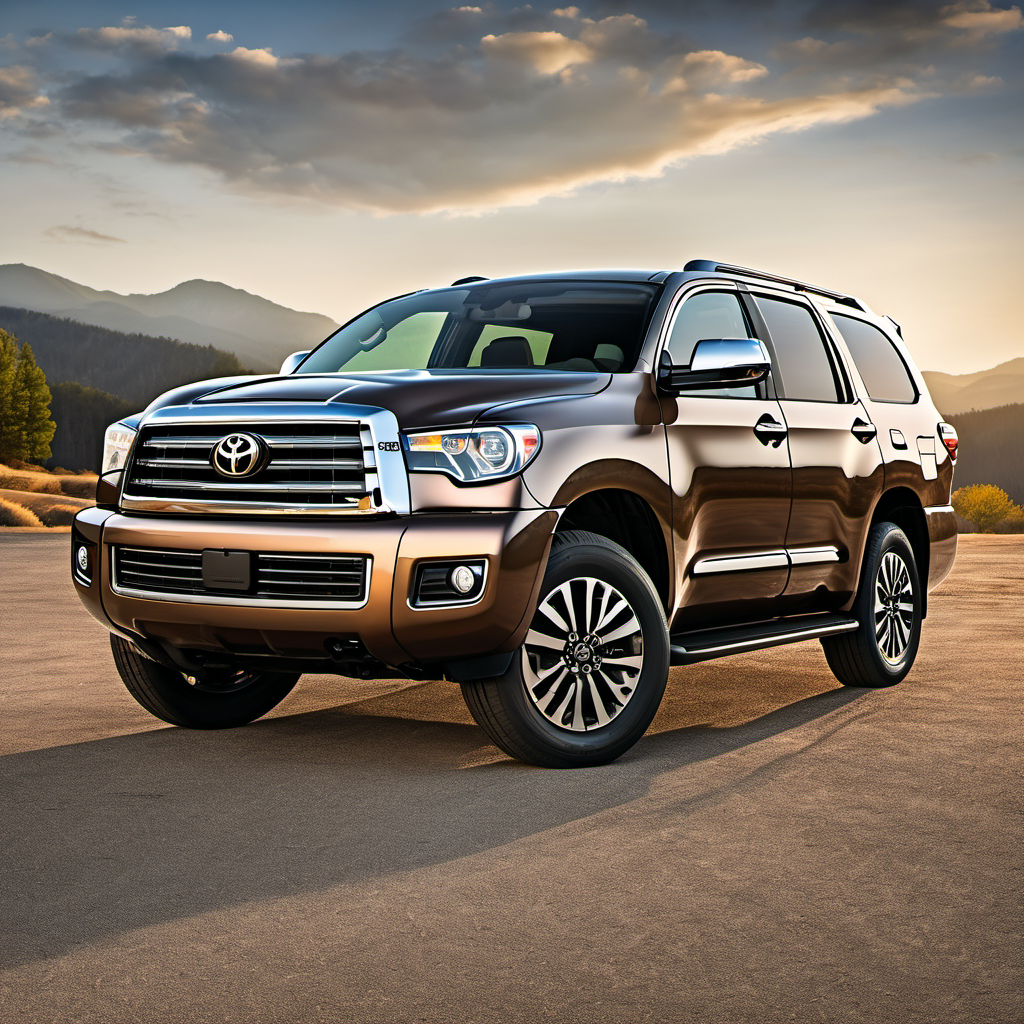
The Sequoia's 5.7L V8 is widely regarded as more bulletproof than GM's AFM-equipped 5.3L. Lower tow rating (7,400 lbs) and worse fuel economy, but Toyota's long-term reliability advantage is real and documented.