VVT/Camshaft Timing Issues from Oil Sludge
medium- Typically appears
- 60–120k mi
- Estimated repair
- $300 – $900
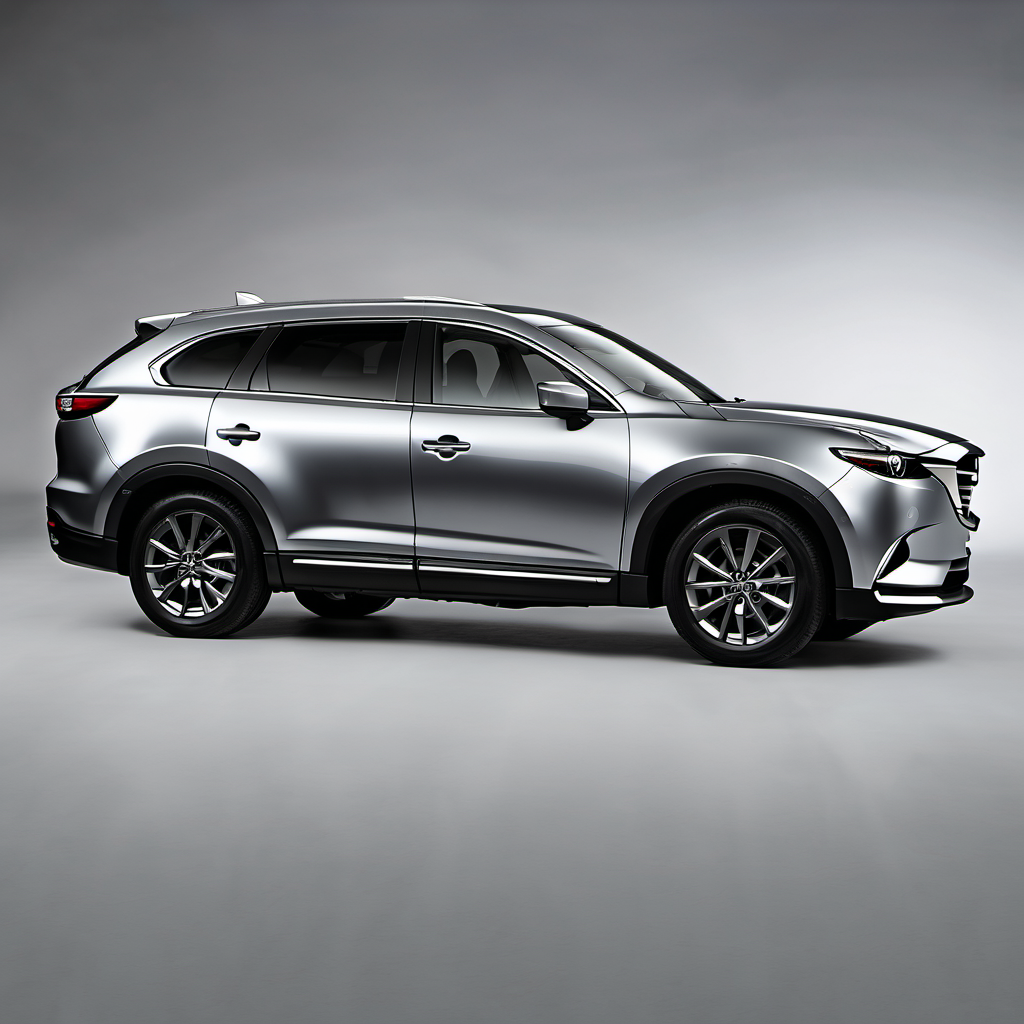
2018 MAZDA
SUV
The 2018 Mazda CX-9 is Mazda's flagship three-row crossover SUV, offering seating for up to seven passengers in a package that punches well above its price class in refinement and driving dynamics. Powered by a turbocharged 2.5L four-cylinder — the same SKYACTIV-G engine family found across the Mazda lineup — it delivers confident power while returning respectable fuel economy for the segment. Mazda designed the CX-9 around a 'Jinba Ittai' (horse and rider as one) philosophy, meaning the driving feel is noticeably more engaging than typical family haulers. Interior quality rivals near-luxury brands, with premium materials, a well-laid-out cabin, and an intuitive infotainment system. It's a smart choice for families that don't want to fully sacrifice driving enjoyment. The 2018 model year sits in the second generation (launched 2016) and is considered a sweet spot — the early kinks had been addressed but the platform was still fresh. AWD is available as an option over the base FWD configuration. Safety scores are strong, and the overall ownership experience tends to be positive for buyers who keep up with maintenance.
The 2018 Mazda CX-9 is Mazda's flagship three-row crossover SUV, offering seating for up to seven passengers in a package that punches well above its price class in refinement and driving dynamics. Powered by a turbocharged 2.5L four-cylinder — the same SKYACTIV-G engine family found across the Mazda lineup — it delivers confident power while returning respectable fuel economy for the segment. Mazda designed the CX-9 around a 'Jinba Ittai' (horse and rider as one) philosophy, meaning the driving feel is noticeably more engaging than typical family haulers. Interior quality rivals near-luxury brands, with premium materials, a well-laid-out cabin, and an intuitive infotainment system. It's a smart choice for families that don't want to fully sacrifice driving enjoyment. The 2018 model year sits in the second generation (launched 2016) and is considered a sweet spot — the early kinks had been addressed but the platform was still fresh. AWD is available as an option over the base FWD configuration. Safety scores are strong, and the overall ownership experience tends to be positive for buyers who keep up with maintenance.
The 2.5T's VVT system is oil-pressure dependent. Cold starts, short trips, and turbo heat cycles degrade oil faster than the monitor assumes. Sludge from extended intervals is the #1 cause of expensive camshaft and VVT repairs on this engine.
Mazda lists this fluid as 'long-life' but independent shops consistently see smoother shifts and longer transmission life when fluid is changed on this schedule, especially in Wisconsin's temperature extremes.
SKYACTIV engines run warm and the turbo adds heat stress. Fresh coolant maintains proper pH to prevent internal corrosion.
Brake fluid absorbs moisture over time, lowering boiling point. Wisconsin winters with repeated freeze-thaw cycles accelerate this. Also helps prevent rear caliper sticking.
Wisconsin road salt and spring pollen can clog filters faster than in milder climates. A restricted intake filter hurts turbo response and fuel economy.
FWD trims put extra wear on front tires. Frequent rotation equalizes wear and maximizes tire life, which matters especially if you're running a separate winter tire set.
Turbocharged engines are harder on plugs than naturally aspirated engines. Worn plugs cause misfires and can stress the ignition coils.
Lake Geneva road salt is extremely corrosive. Brake lines, fuel lines, and suspension components are all vulnerable. Catching rust early is far cheaper than replacing corroded lines or control arms.
Always defer to the manufacturer's service manual for warranty-mandated intervals.
The CX-9 sits in a sweet spot for ownership costs. It's cheaper to maintain than German or American near-luxury competitors and holds its value better than average in the three-row segment. The main financial risk is neglected oil changes leading to VVT or engine repairs — stay on top of service and this vehicle is quite affordable to own.
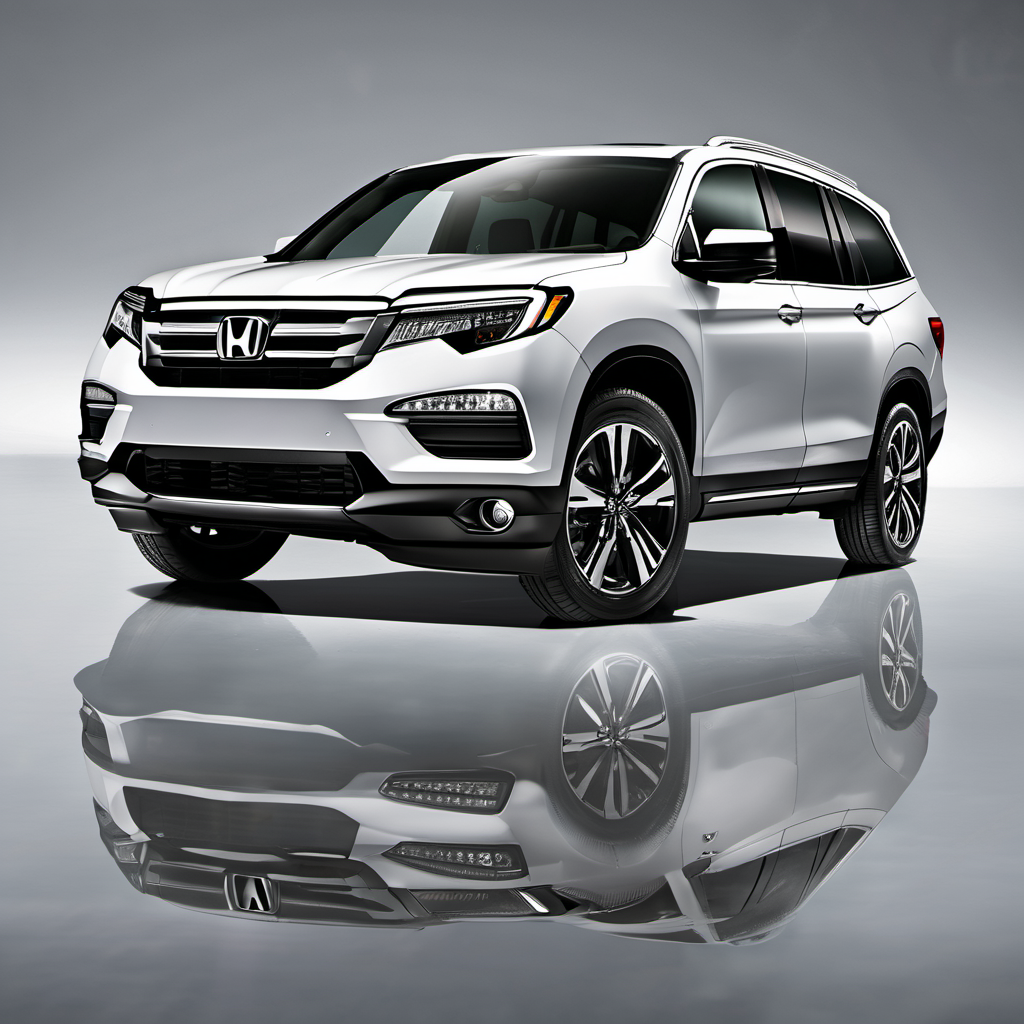
Similar 3-row family crossover at a comparable price point. More interior space and a smoother third row, but less engaging to drive and a less premium-feeling interior than the CX-9.
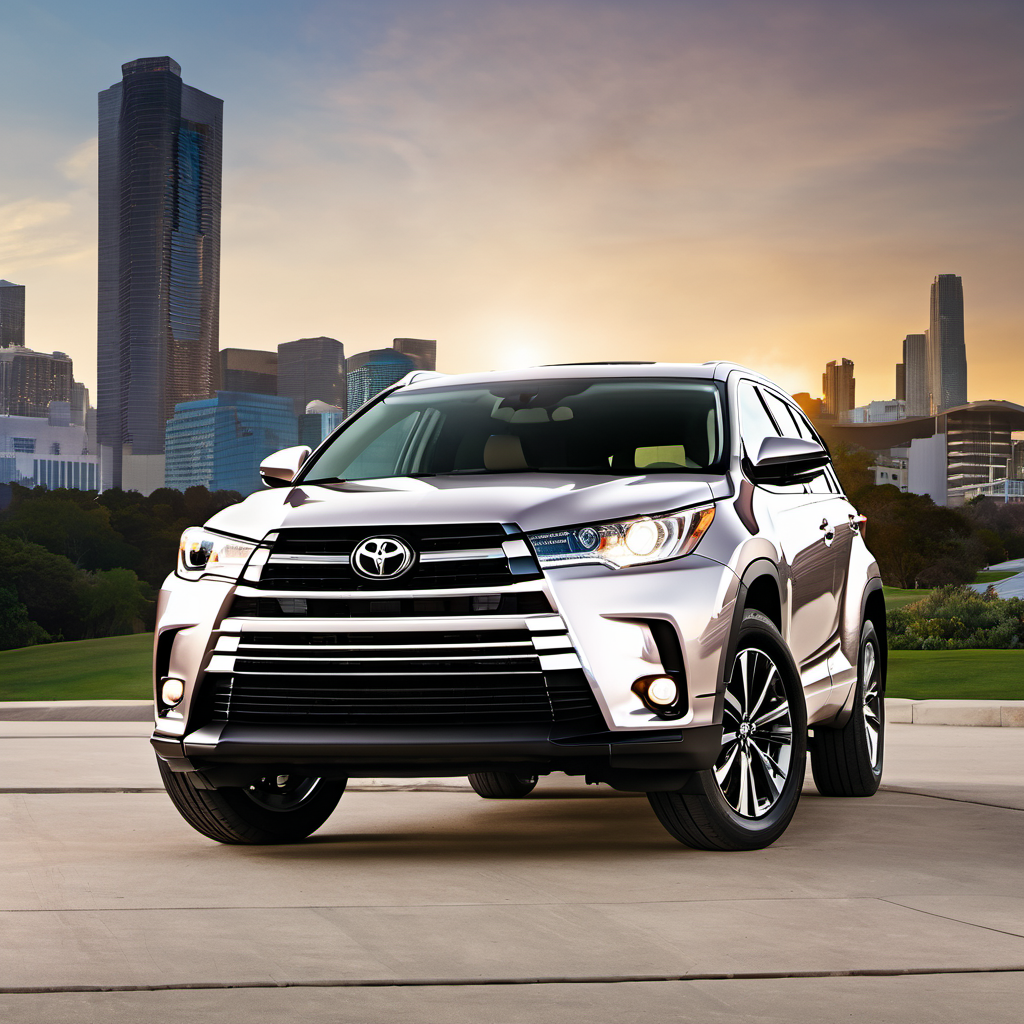
Strong reliability reputation, comparable pricing, and three-row seating. V6 power is smooth but fuel economy is similar. More conservative styling and driving dynamics versus the CX-9.
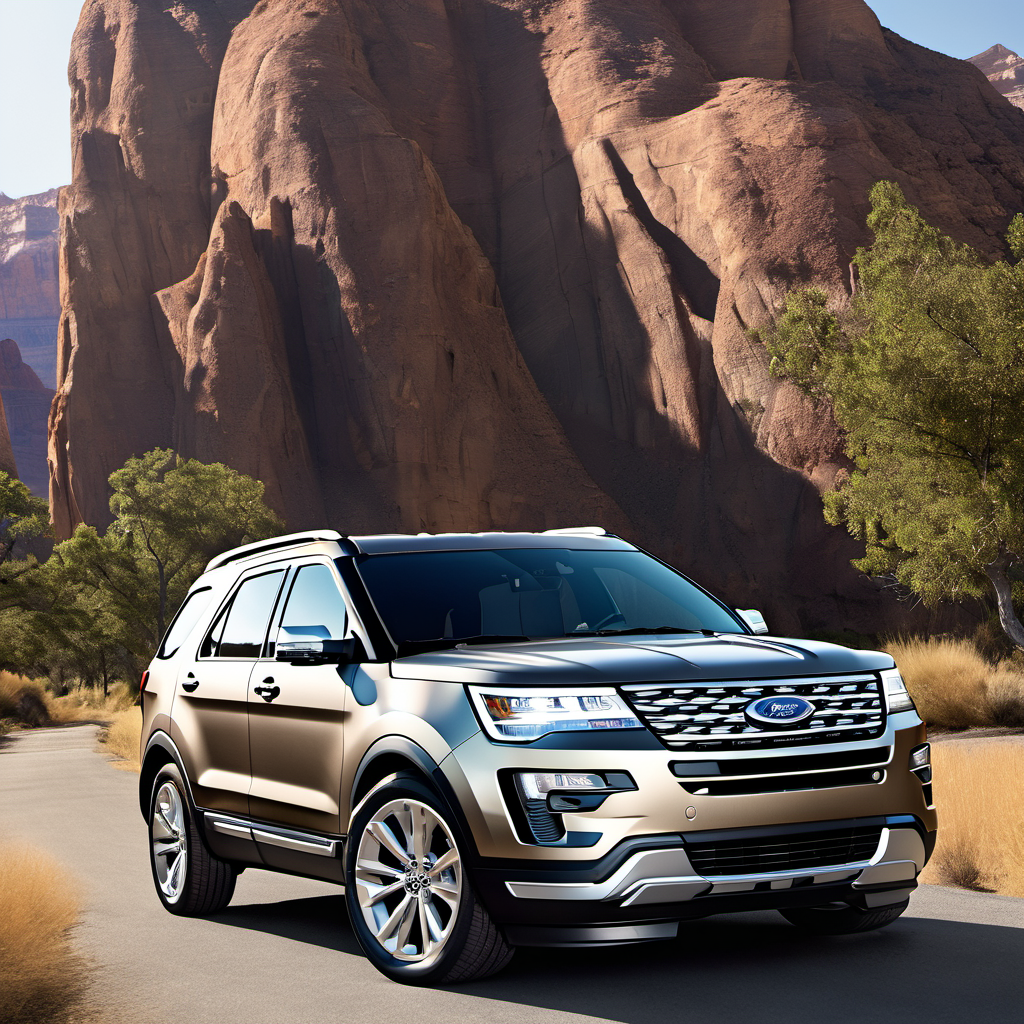
Larger footprint, more towing capacity (up to 5,000 lbs), and wide dealer network. Less refined interior and notably lower reliability scores than the CX-9 for this generation.
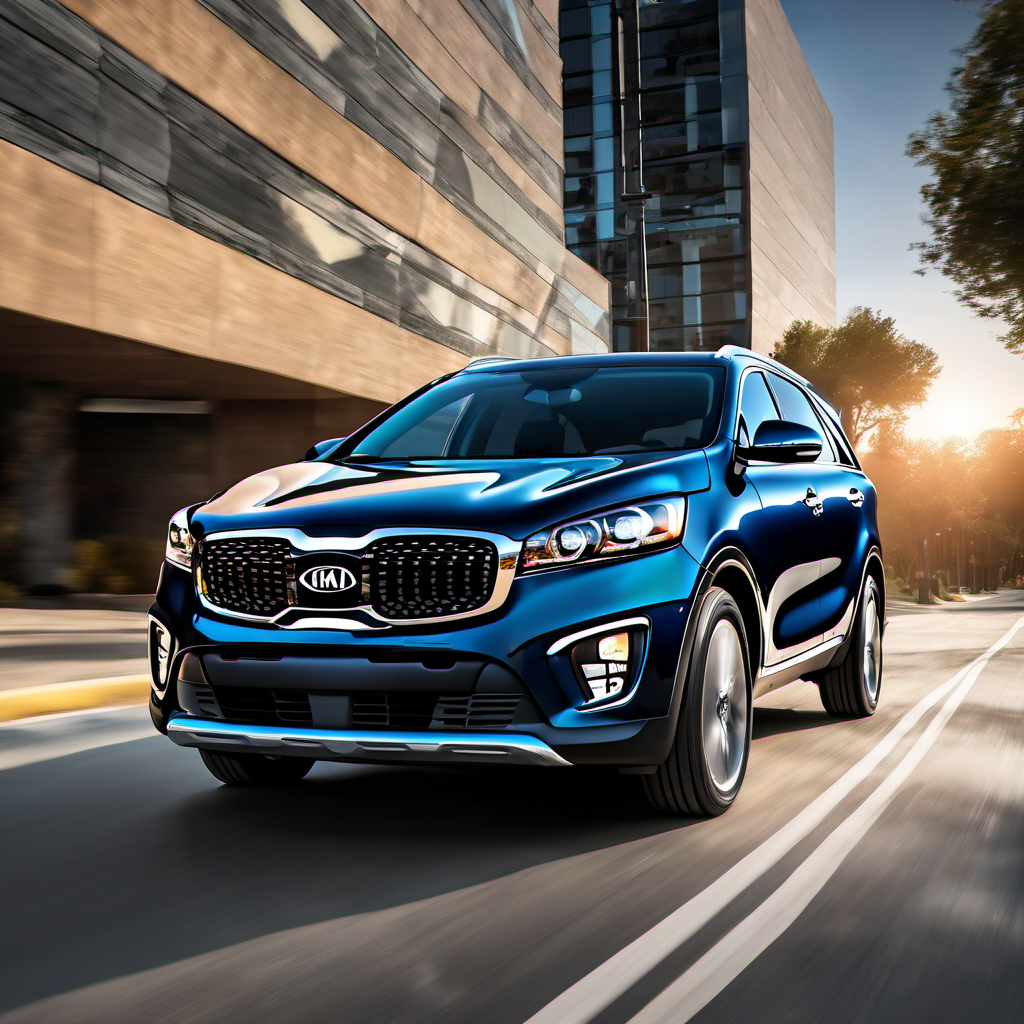
Lower entry price in the 3-row segment with strong warranty coverage. Slightly smaller than the CX-9 with a tighter third row, but competitive features and improving reliability.