VCT System / Camshaft Timing Faults
high- Typically appears
- 60–120k mi
- Estimated repair
- $400 – $1,200
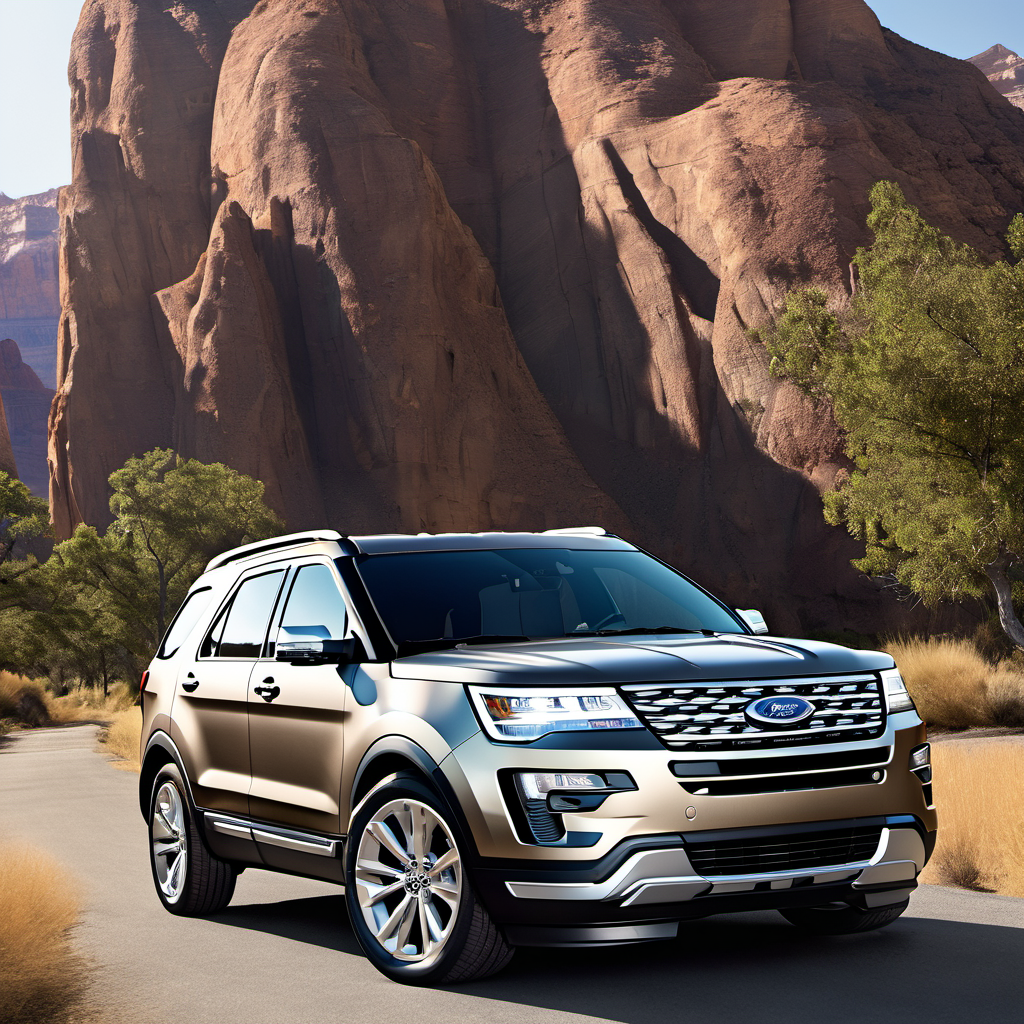
2018 Ford
2.3L I4 EcoBoost Turbocharged · SUV
The 2018 Ford Explorer is a three-row, mid-size SUV that has been a best-seller in its class for years. Built on a unibody platform, it seats up to seven and targets families who want SUV versatility without full-size truck bulk. The 2018 model year sits in the fifth generation (2011–2019) and received Ford's updated SYNC 3 infotainment system and a refreshed interior versus earlier years. Power comes standard from a 2.3L turbocharged EcoBoost four-cylinder, with an optional 3.5L V6 EcoBoost on Sport and Platinum trims. Both engines pair with a six-speed automatic. All-wheel drive is widely available and popular in Wisconsin, where winter traction matters. Towing capacity reaches up to 5,000 lbs with the base engine and up to 5,600 lbs with the 3.5L. The Explorer's strengths are interior space, a comfortable ride, and a wide range of available safety tech. Its weaknesses are well-documented: the 2.3L EcoBoost has a history of oil dilution and VCT system trouble, and the 6F55 six-speed transmission has been a recurring pain point across this generation. Go in with realistic expectations and it's a capable family hauler; skip the pre-purchase inspection and it can become expensive.
The 2018 Ford Explorer is a three-row, mid-size SUV that has been a best-seller in its class for years. Built on a unibody platform, it seats up to seven and targets families who want SUV versatility without full-size truck bulk. The 2018 model year sits in the fifth generation (2011–2019) and received Ford's updated SYNC 3 infotainment system and a refreshed interior versus earlier years. Power comes standard from a 2.3L turbocharged EcoBoost four-cylinder, with an optional 3.5L V6 EcoBoost on Sport and Platinum trims. Both engines pair with a six-speed automatic. All-wheel drive is widely available and popular in Wisconsin, where winter traction matters. Towing capacity reaches up to 5,000 lbs with the base engine and up to 5,600 lbs with the 3.5L. The Explorer's strengths are interior space, a comfortable ride, and a wide range of available safety tech. Its weaknesses are well-documented: the 2.3L EcoBoost has a history of oil dilution and VCT system trouble, and the 6F55 six-speed transmission has been a recurring pain point across this generation. Go in with realistic expectations and it's a capable family hauler; skip the pre-purchase inspection and it can become expensive.
The 2.3L EcoBoost is prone to oil dilution. Shorter intervals flush contaminated oil before it damages the VCT system and bearings. Use full synthetic 5W-30.
Ford lists the 6F55 fluid as 'lifetime,' but ownership data strongly disagrees. Fresh Mercon LV fluid at 60k is the single best thing you can do to prevent torque converter shudder and extend transmission life.
Worn plugs increase the combustion misfire that contributes to oil dilution. OEM-spec plugs are preferred — do not install non-OEM heat range plugs in a turbocharged engine.
A clogged air filter forces the turbo to work harder, increasing intake temperatures and fuel trim errors. Wisconsin gravel and road dust accelerate fouling.
EcoBoost engines run hot under load. Degraded coolant loses corrosion inhibitors, leading to water pump and thermostat failures. Check freeze protection annually before winter — should be rated to at least -34°F.
Moisture absorption in brake fluid lowers its boiling point. In Wisconsin winters, water in the lines can also contribute to ABS modulator corrosion.
Lake Geneva road salt is brutal on brake lines, fuel lines, and suspension components. Pay attention to the rear subframe area, which is a known rust accumulation point on this platform.
The Explorer's electrical load (AWD, heated seats, SYNC, backup cameras) is high. A marginal battery that seems fine in September will fail at -10°F. Battery life in cold climates averages 4–5 years.
Always defer to the manufacturer's service manual for warranty-mandated intervals.
A well-maintained 2018 Explorer is a manageable ownership cost — until it isn't. Routine years (oil changes, tires, brakes) average $700–$1,000. Years where VCT work, a transmission service, or a major repair lands can push $2,000–$4,000 out of pocket. Budget for surprises, especially in the 80k–130k mi window where multiple systems tend to surface issues simultaneously.
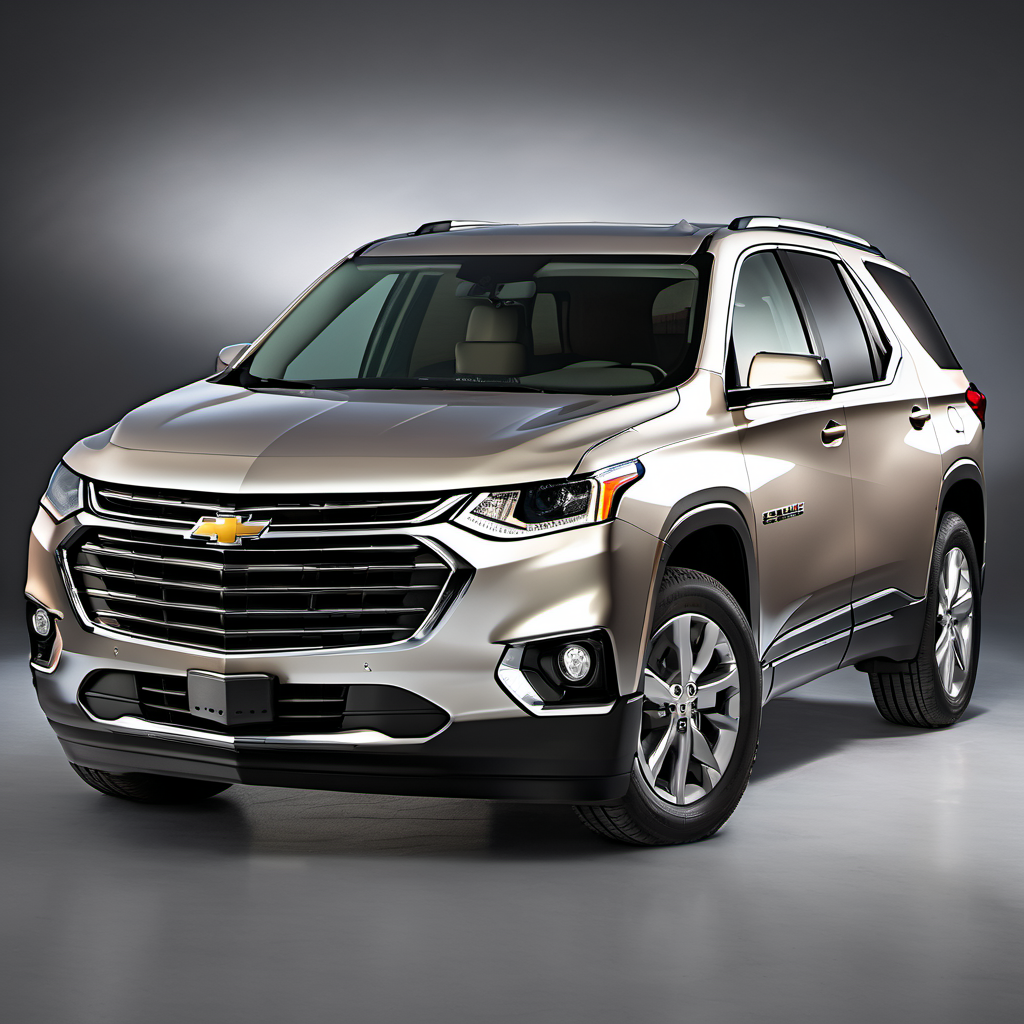
More interior volume and better third-row usability, naturally aspirated V6 avoids turbo oil dilution concerns, similar price range.
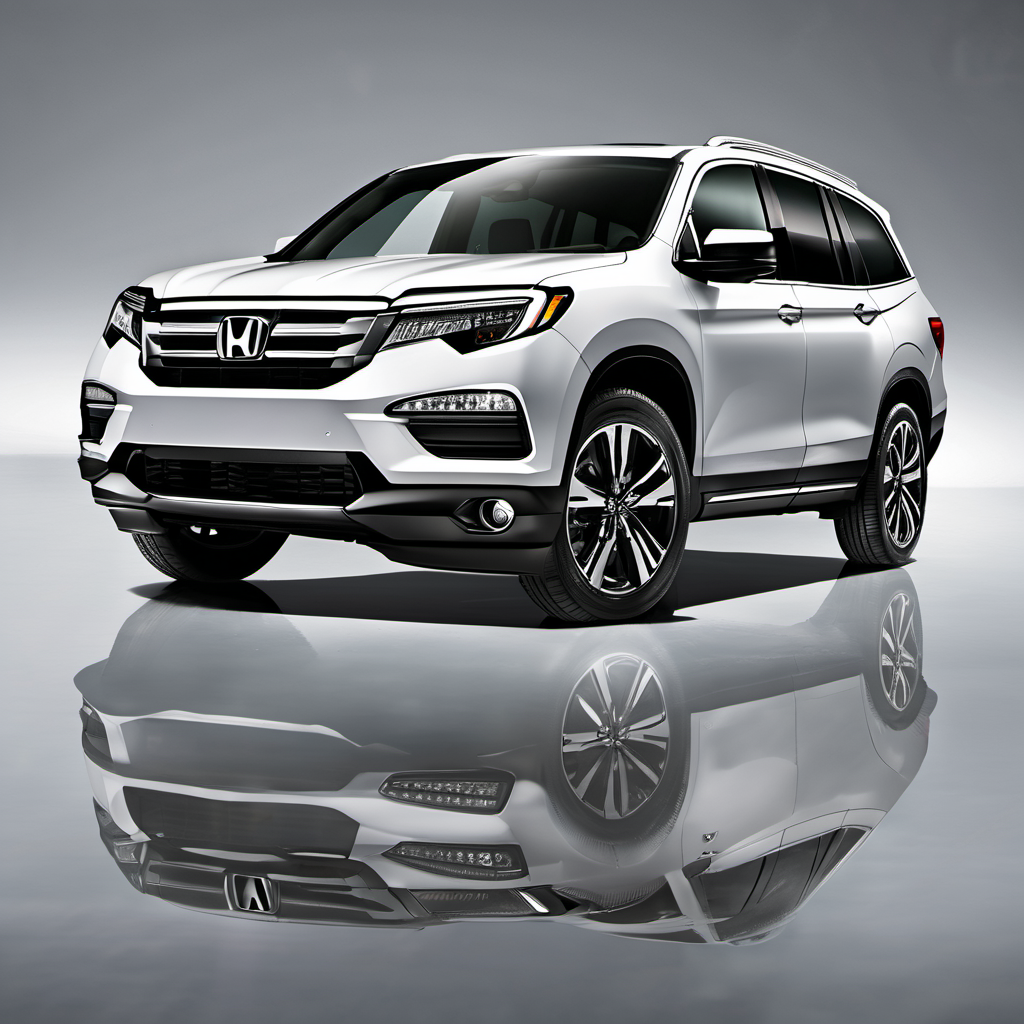
Class-leading reliability scores, practical three-row layout, AWD available, and a simpler powertrain with fewer known failure modes.
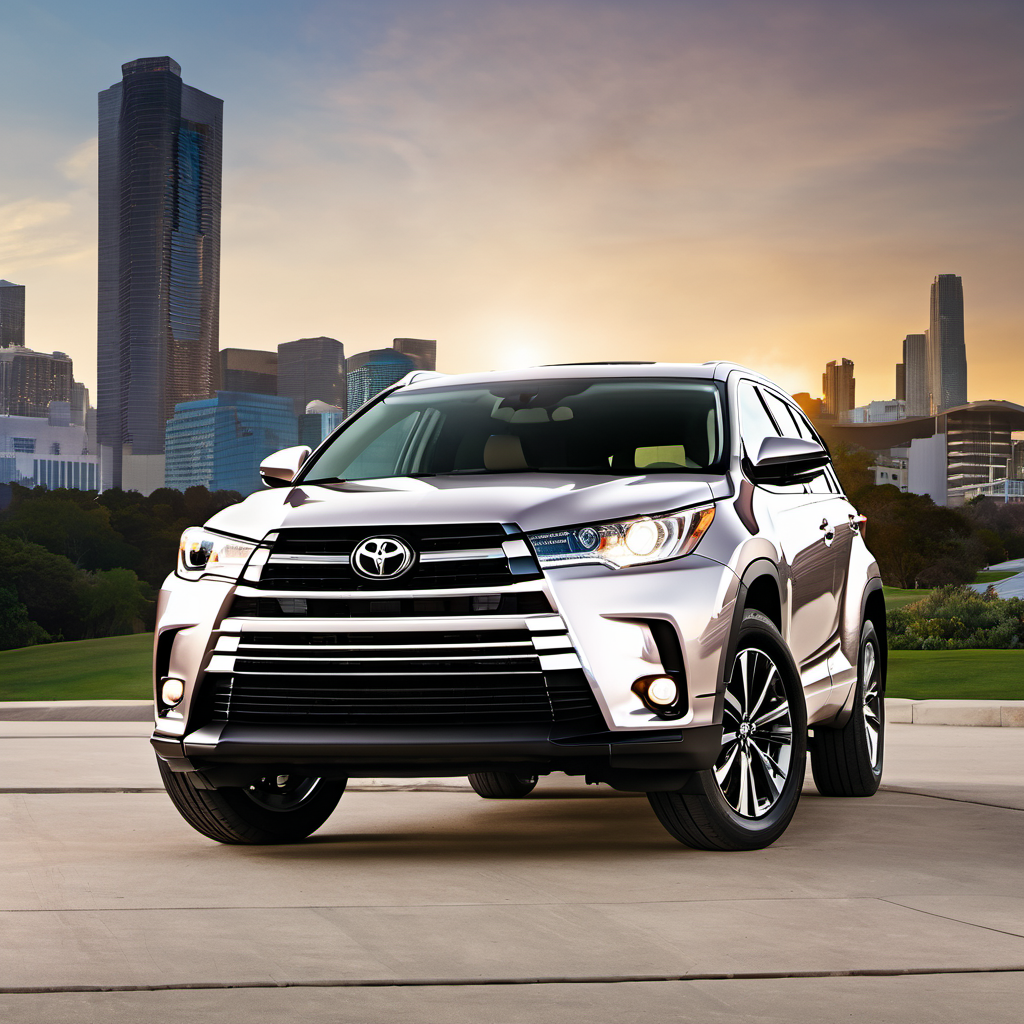
Strong long-term reliability reputation, proven V6, wide dealer/independent shop support across Wisconsin, and holds resale value well.
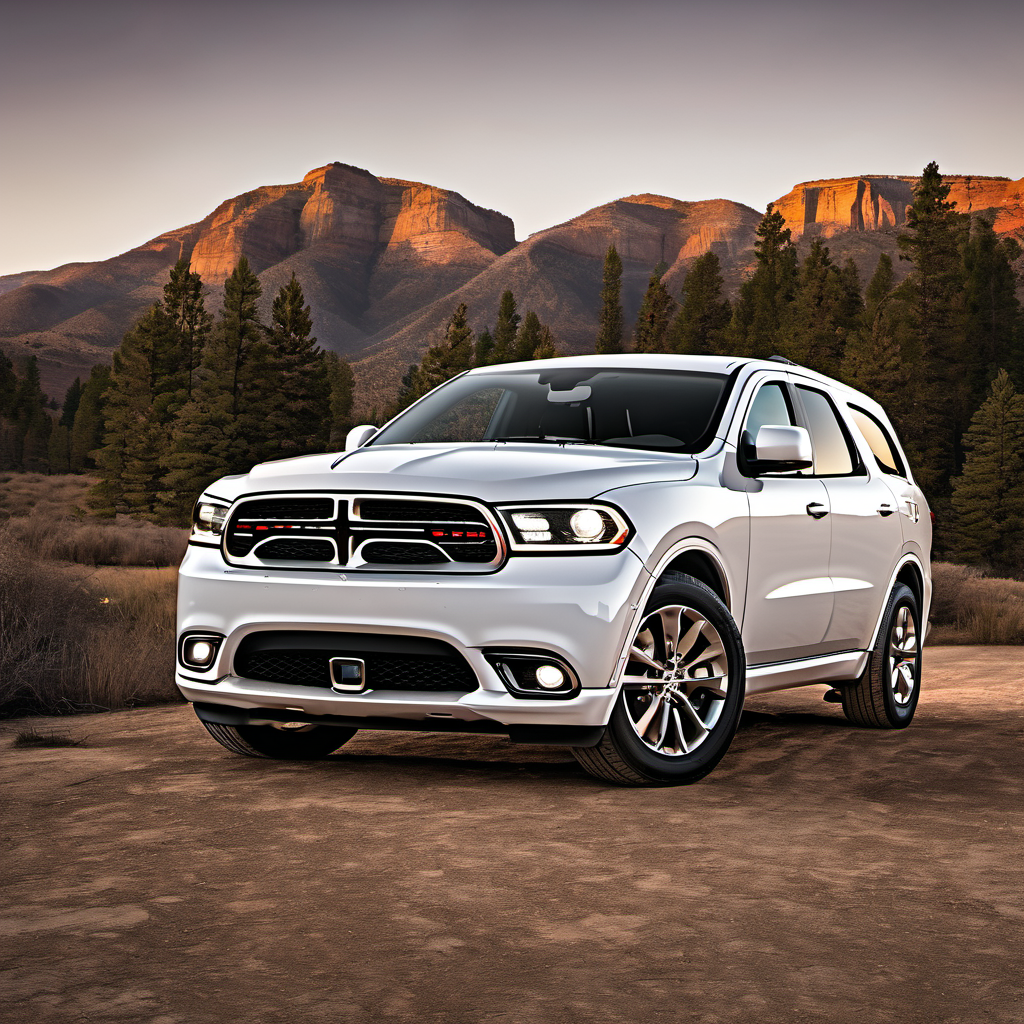
RWD/AWD platform with available V8, higher towing capacity, and three rows — appeals to buyers who want more power and aren't concerned about fuel economy.