9-Speed Automatic Transmission Shudder / Gear Hunting (AWD models)
high- Typically appears
- 10–80k mi
- Estimated repair
- $150 – $1,200
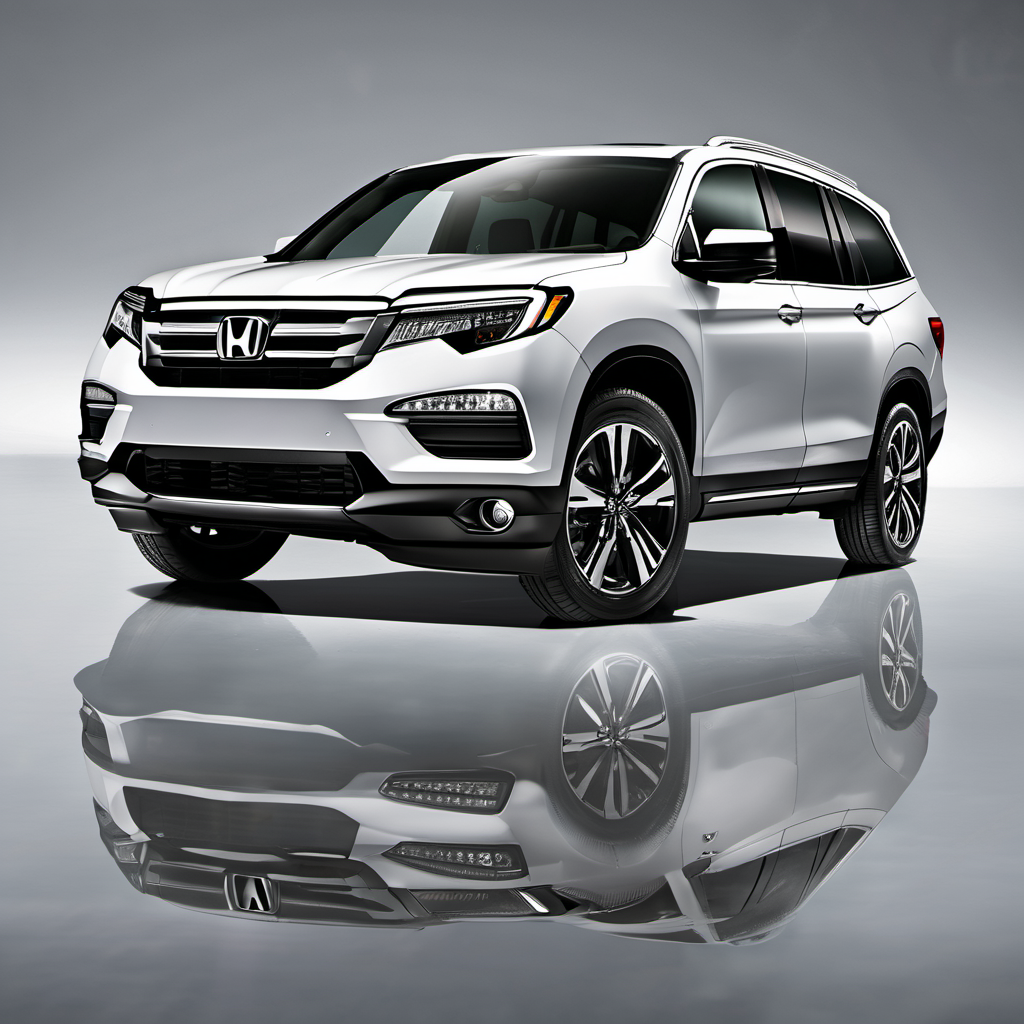
2018 Honda
SUV
The 2018 Honda Pilot is a three-row, midsize SUV built on Honda's unibody platform and powered by a 3.5L V6 paired with a 6-speed automatic (FWD) or 9-speed automatic (AWD). It seats up to eight and targets families who want commuter-car comfort with genuine hauling and passenger capacity. Honda substantially revised the Pilot for 2016 — the third generation brought a sleeker body, a roomier cabin, and Honda Sensing safety tech — so the 2018 sits in a mature, relatively debugged model year within that generation. On the road it drives more like a large car than a truck-based SUV. Handling is composed, the V6 has strong low-end pull, and the third row is actually usable for adults in a pinch — a real differentiator at this price point. Fuel economy is competitive for the segment at 23 mpg combined. The Pilot's main Achilles' heel is its 9-speed automatic transmission (AWD models), which drew significant complaints in early third-gen examples. By 2018, Honda had issued software updates that helped, but some owners still report hesitation and hunting. FWD models use the proven 6-speed and largely sidestep this headache. Keep oil changes timely — the VCM (Variable Cylinder Management) system's cylinder deactivation is linked to oil-related cam phaser issues if intervals are stretched.
The 2018 Honda Pilot is a three-row, midsize SUV built on Honda's unibody platform and powered by a 3.5L V6 paired with a 6-speed automatic (FWD) or 9-speed automatic (AWD). It seats up to eight and targets families who want commuter-car comfort with genuine hauling and passenger capacity. Honda substantially revised the Pilot for 2016 — the third generation brought a sleeker body, a roomier cabin, and Honda Sensing safety tech — so the 2018 sits in a mature, relatively debugged model year within that generation. On the road it drives more like a large car than a truck-based SUV. Handling is composed, the V6 has strong low-end pull, and the third row is actually usable for adults in a pinch — a real differentiator at this price point. Fuel economy is competitive for the segment at 23 mpg combined. The Pilot's main Achilles' heel is its 9-speed automatic transmission (AWD models), which drew significant complaints in early third-gen examples. By 2018, Honda had issued software updates that helped, but some owners still report hesitation and hunting. FWD models use the proven 6-speed and largely sidestep this headache. Keep oil changes timely — the VCM (Variable Cylinder Management) system's cylinder deactivation is linked to oil-related cam phaser issues if intervals are stretched.
The VCM system's oil pressure passages are tight. Degraded or low oil accelerates cam phaser wear and triggers P0012/P0015/P0022/P0025 codes. Don't stretch this interval.
Honda's 'lifetime fluid' claim is optimistic in real-world driving. Fresh fluid is the cheapest fix for the 9-speed's hesitation complaints and helps prevent solenoid wear.
The 3.5L V6's rear bank plugs are awkward to access — ignoring the interval makes them seize. Plan for roughly 2–3 hours of labor when the time comes.
Wisconsin road conditions (dust, leaves, debris) clog air filters faster than the factory schedule assumes.
Glycol-based brake fluid is hygroscopic. Three Wisconsin winters add up; moisture-saturated fluid raises boiling point risk and corrodes ABS modulators.
Pollen, road salt dust, and mold from snowmelt make this more important than the manual suggests. A clogged filter also strains the A/C blower motor.
Honda's blue long-life coolant is genuinely long-lasting, but at this mileage band the water pump seal and hoses deserve a look regardless.
Lake Geneva roads are heavily salted. Inspect brake lines, fuel lines, exhaust hangers, and suspension bolts each spring. Address surface rust before it eats into structural components.
Always defer to the manufacturer's service manual for warranty-mandated intervals.
The Pilot sits in a sweet spot for operating costs. Routine maintenance is moderately priced at an independent shop, parts are widely available and competitively priced, and the 3.5L V6 doesn't require premium fuel. The main cost wildcard is the 9-speed transmission on AWD models — a full rebuild or replacement can run $3,500–$5,500 if neglected. FWD/6-speed owners typically see much lower surprise repair bills. Resale value stays strong, which offsets the slightly higher initial price versus domestic competitors.
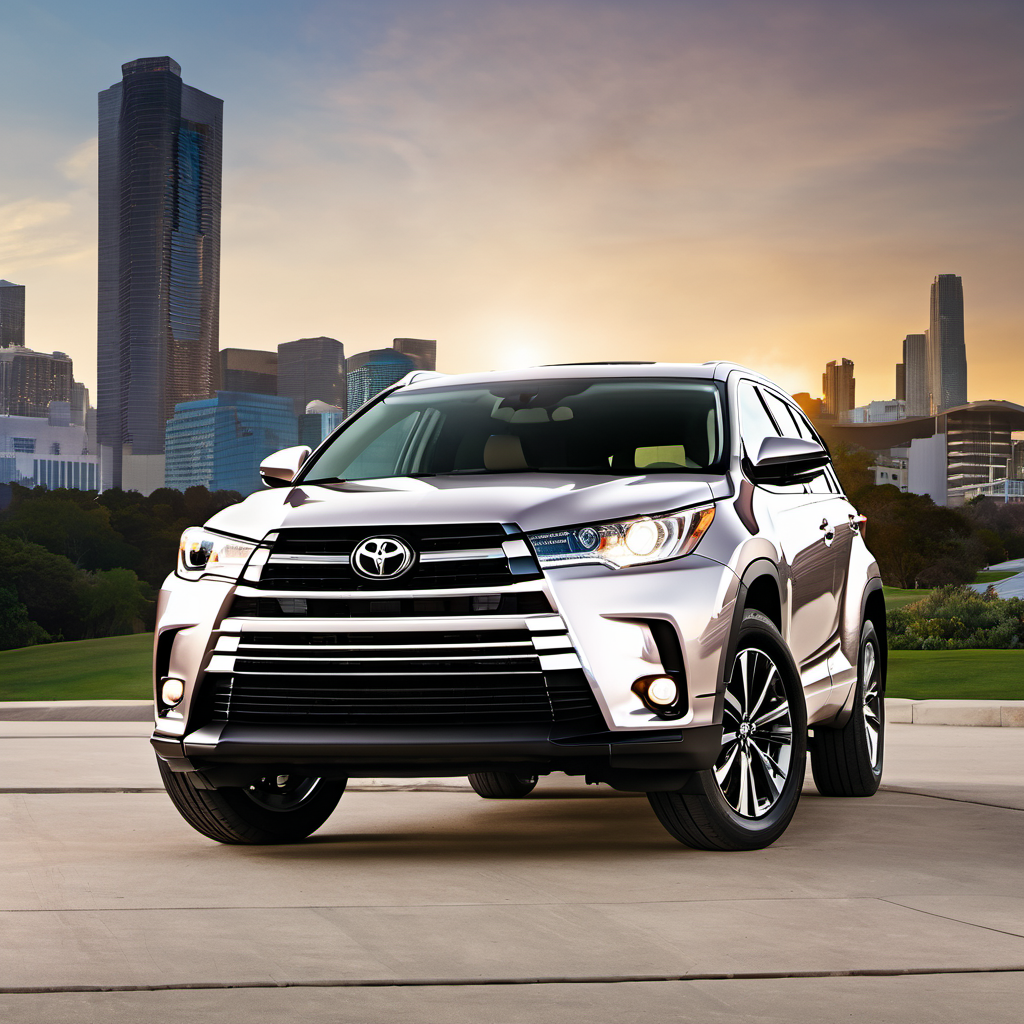
The closest direct rival — three rows, similar price, V6 power, strong reliability. The Highlander's 8-speed is generally smoother than the Pilot's 9-speed AWD unit, but the Pilot offers more third-row legroom.
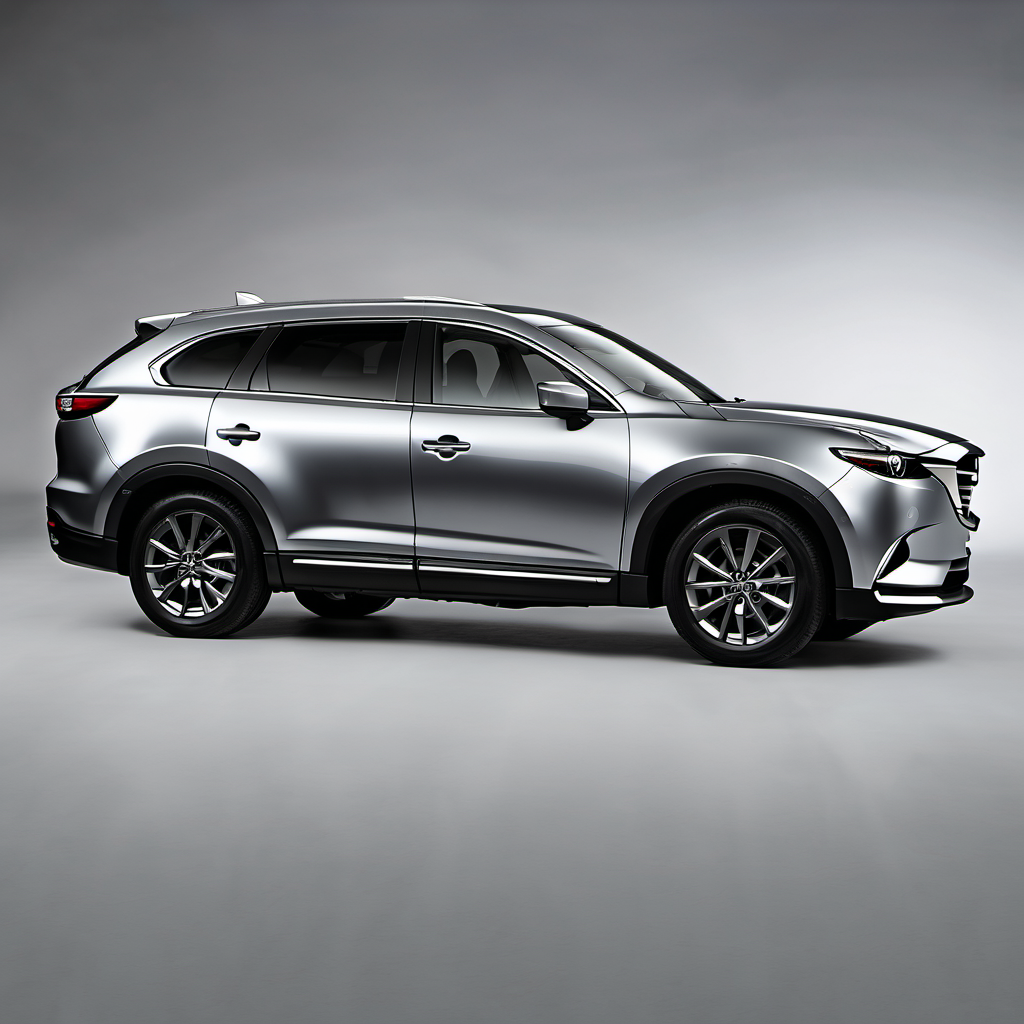
Three-row crossover with a turbocharged 2.5L and a more driver-focused feel. Slightly less third-row space than the Pilot but excellent build quality and a more premium interior. Lower tow rating.
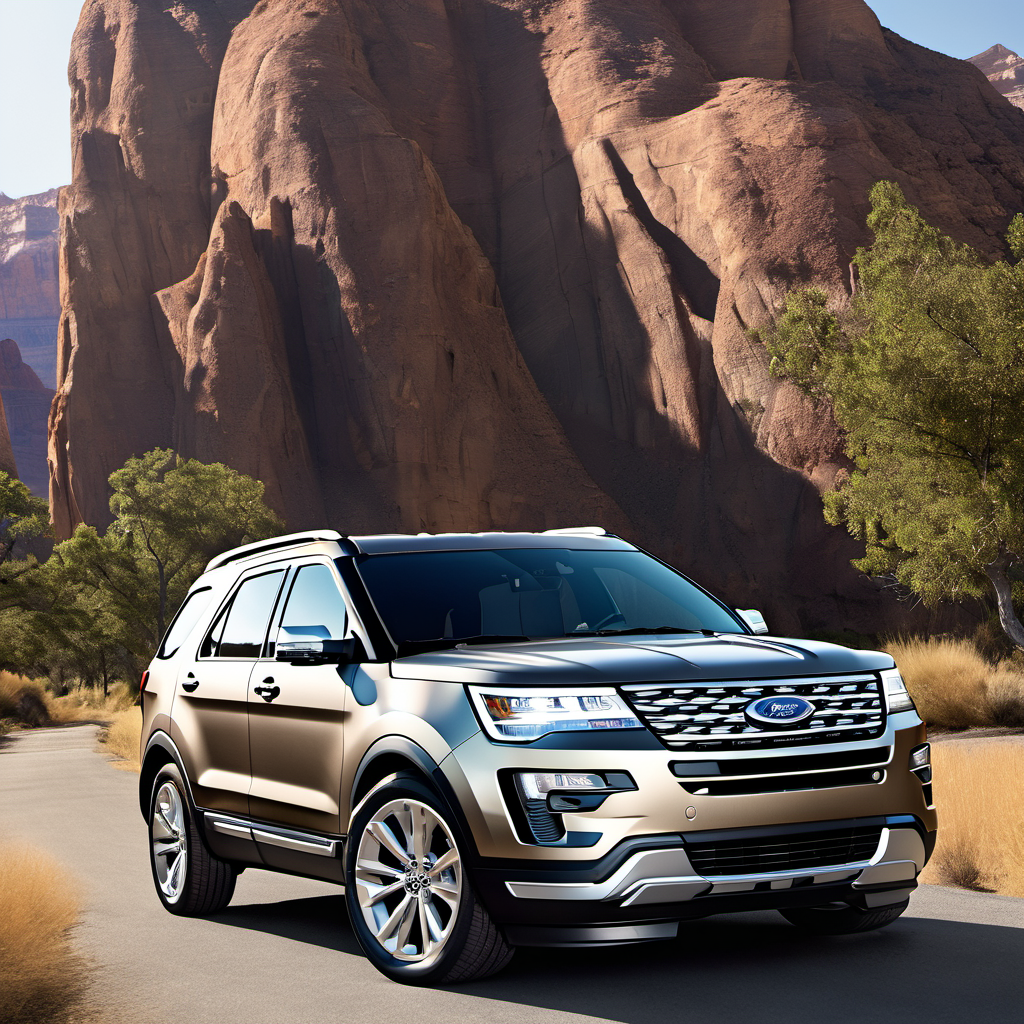
Three-row SUV at similar price points. The Explorer offers more towing capacity (5,000 lbs vs. 3,500 lbs) and a wider powertrain selection, but trails the Pilot in long-term reliability and cabin refinement.
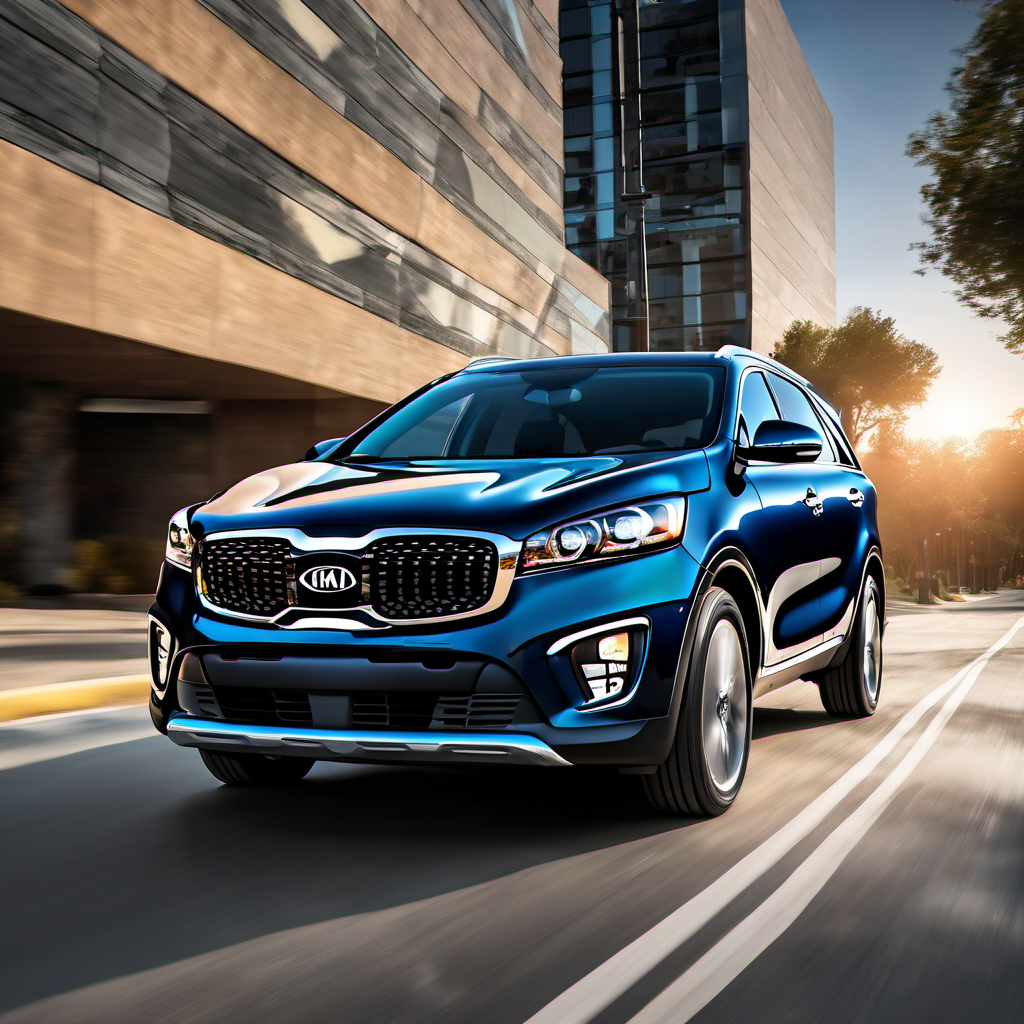
Two-or-three-row option at a lower price. Smaller than the Pilot with a tighter third row, but strong warranty coverage and improving reliability make it a credible budget alternative for smaller families.