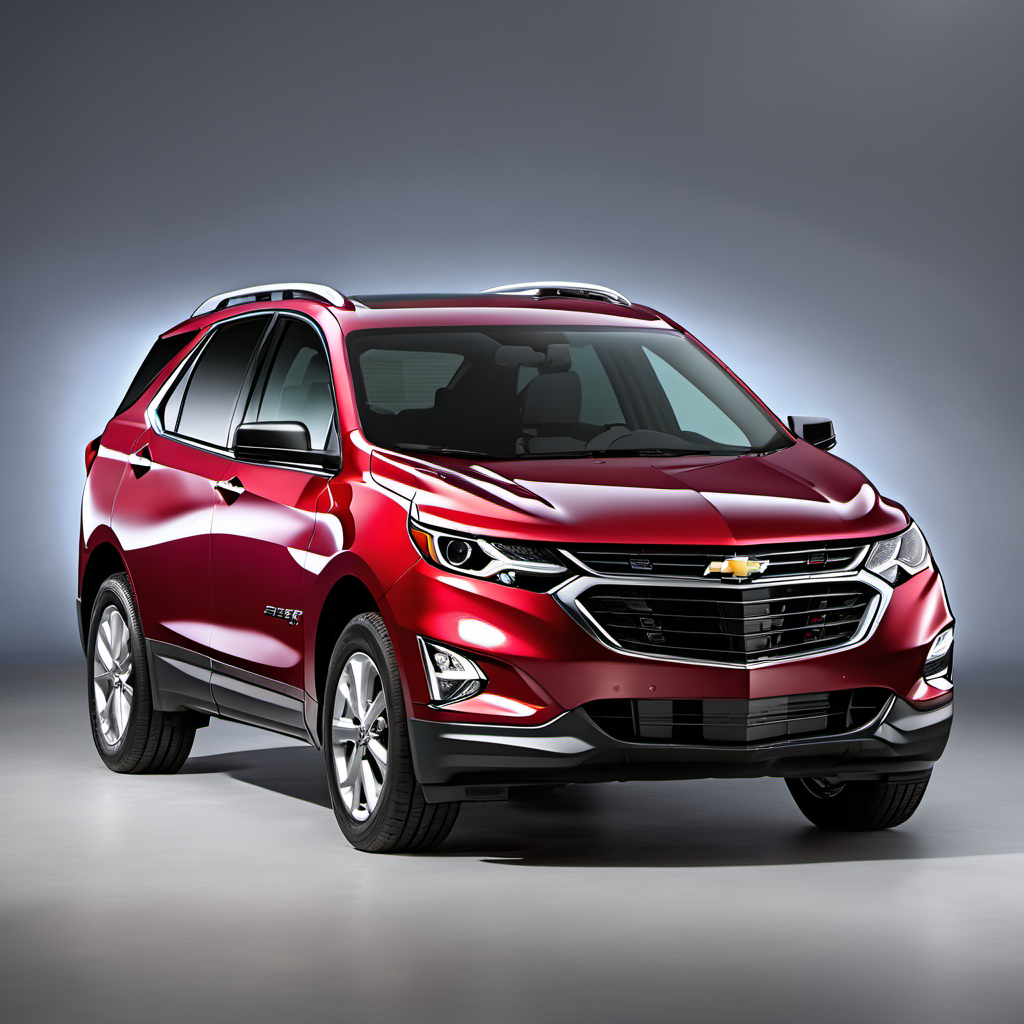
2018 Chevrolet Equinox SUV

2018 Chevrolet

EquinoxSUV

1.5L I4 Turbo · SUV

The 2018 Chevrolet Equinox is a complete ground-up redesign — lighter, more fuel-efficient, and better-equipped than its predecessor. GM shed roughly 400 lbs from the previous generation and introduced a new turbocharged engine lineup, making this one of the more pleasant small crossovers to drive in its class. Standard features, interior quality, and cargo space are all competitive. The big story on the 2018 is the turbocharged 1.5L four-cylinder that replaced the old naturally aspirated engines. It's thriftier at the pump but has generated oil consumption and timing system complaints that owners should be aware of. The optional 2.0T and 1.6L diesel round out the lineup for those who want more punch or maximum efficiency. For a Lake Geneva family looking for a daily driver and weekend hauler that handles Wisconsin winters with FWD or available AWD, the Equinox is a practical, right-sized choice — as long as you stay on top of oil changes and watch for the known turbo engine gremlins early.

Reliability
3/5
Verified data
Specs shown for Equinox FWD — the most common configuration. Other trims may vary in engine, drivetrain, or fuel economy. Sign in to see your vehicle's exact specs.
Engine
[object Object]
Drivetrain
FWD
Fuel
Gasoline
MPG
26 city / 32 hwy / 28 combined
Seats
5
Doors
4
Body
SUV
MSRP
$23,580

Overview

AI-curated

The 2018 Chevrolet Equinox is a complete ground-up redesign — lighter, more fuel-efficient, and better-equipped than its predecessor. GM shed roughly 400 lbs from the previous generation and introduced a new turbocharged engine lineup, making this one of the more pleasant small crossovers to drive in its class. Standard features, interior quality, and cargo space are all competitive. The big story on the 2018 is the turbocharged 1.5L four-cylinder that replaced the old naturally aspirated engines. It's thriftier at the pump but has generated oil consumption and timing system complaints that owners should be aware of. The optional 2.0T and 1.6L diesel round out the lineup for those who want more punch or maximum efficiency. For a Lake Geneva family looking for a daily driver and weekend hauler that handles Wisconsin winters with FWD or available AWD, the Equinox is a practical, right-sized choice — as long as you stay on top of oil changes and watch for the known turbo engine gremlins early.

Known for
  • Significantly lighter and more fuel-efficient than the previous generation
  • Turbocharged 1.5L engine as standard — EPA-rated over 30 mpg highway
  • Roomy rear seat and flexible cargo area for its class
  • Available AWD on all trims
  • Strong suite of active safety tech (Forward Collision Alert, Lane Keep Assist standard)
Best for
  • Families needing a practical, fuel-efficient small SUV
  • Wisconsin commuters who want available AWD without truck-SUV fuel costs
  • Shoppers wanting a well-equipped crossover at a mid-market price
  • Light road trips and suburban use
Watch for
  • 1.5T engine oil consumption — some owners report needing to add oil between changes
  • Timing chain and VVT system issues on the 1.5T, especially without strict oil change intervals
  • Turbocharger bypass valve codes (P0033–P0035) appearing on the 1.5T
  • Infotainment connectivity glitches on early 2018 builds
  • Premature rear brake wear relative to fronts

Common issues by mileage

6 known

1.5T Engine Oil Consumption

high
Typically appears
20–80k mi
Estimated repair
$0 – $200

VVT / Timing Chain System — Camshaft Timing Over-Retarded

high
Typically appears
40–100k mi
Estimated repair
$400 – $1,800

Intake/Exhaust Valve Control Solenoid Failure (VVT Actuator)

medium
Typically appears
50–100k mi
Estimated repair
$250 – $900

Turbocharger Bypass Valve Fault

medium
Typically appears
30–90k mi
Estimated repair
$150 – $600

Oxygen Sensor / Heater Circuit Fault

medium
Typically appears
60–120k mi
Estimated repair
$150 – $400

Premature Rear Brake Wear

medium
Typically appears
25–60k mi
Estimated repair
$180 – $380

Maintenance schedule

  1. 1
    Every 5,000 miles — do NOT stretch to the OLM's maximum 7,500 mi on a 1.5T Full synthetic oil change (0W-20)

    The 1.5T's documented oil consumption and timing chain sensitivity make shorter intervals the single most important thing you can do. Low oil accelerates timing chain wear and triggers P0012/P0015 codes.

  2. 2
    Every fill-up or at minimum monthly Engine oil level check

    Known oil consumption means you can drop a quart between changes without a visible leak. Catching it early prevents timing chain and bearing damage.

  3. 3
    Every 15,000–20,000 miles or annually Cabin air filter replacement

    Road salt and sand from Wisconsin winters accelerate clogging. A blocked cabin filter strains the HVAC blower motor.

  4. 4
    Every 30,000 miles Engine air filter replacement

    Turbocharged engines are more sensitive to restricted airflow than naturally aspirated engines. A clogged filter adds stress to the turbo.

  5. 5
    Every 2 years regardless of mileage Brake fluid flush

    Wisconsin's humidity causes brake fluid to absorb moisture faster than in dry climates, lowering its boiling point and accelerating caliper corrosion.

  6. 6
    Every 60,000 miles Spark plug replacement

    Turbocharged engines work plugs harder. Worn plugs cause misfires that can also mask as timing or sensor codes.

  7. 7
    Every 45,000 miles under Wisconsin driving conditions Transmission fluid change

    GM classifies this as 'lifetime' fluid, but the 6-speed automatic lives longer with a fluid change at 45k, especially with cold-start cycling in sub-zero temps.

  8. 8
    Every 45,000 miles AWD rear differential fluid (if AWD equipped)

    The AWD coupling on the Equinox can develop shudder or binding if fluid is neglected. Easy, inexpensive service that prevents a costly coupling replacement.

Always defer to the manufacturer's service manual for warranty-mandated intervals.

Cost of ownership

Annual maintenance
$500 – $950
Fuel
At 28 mpg combined and ~15,000 miles/year, expect roughly $1,500–$1,900/year at $3.00–$3.50/gallon. AWD models average slightly less than EPA combined in Wisconsin winter conditions.
Insurance
Typically $1,100–$1,500/year for a 2018 model in southern Wisconsin depending on driver profile and coverage level — close to the class average for small crossovers.

The Equinox is a below-average-cost vehicle to maintain when the engine is healthy. The wildcard is the 1.5T timing system — if oil changes are skipped or oil consumption goes unnoticed, a timing chain job at 80–100k can run $1,200–$2,500 at an independent shop and changes the math significantly. Budget conservatively and stay ahead of oil intervals.
Seasonal care

Lake Geneva, WI
Winter
  • Switch to full synthetic 0W-20 if not already — it flows faster at cold starts and reduces the wear window when the 1.5T timing chain is oil-pressure-dependent during startup.
  • Test the battery before November. Cold cranking amps drop sharply below 20°F; the Equinox's start-stop system puts extra cycles on the battery.
  • Fill washer fluid with a -20°F or -30°F rated fluid. The low washer fluid warning on this generation is not always reliable — check the reservoir visually.
  • Inspect wiper blades before first snow and consider winter-specific beam blades to handle ice buildup on the curved Equinox windshield.
  • Flush the cooling system if it hasn't been done in 5 years — confirm antifreeze protection to at least -34°F for Lake Geneva temps.
  • Rinse the undercarriage at a touchless car wash every 2–3 weeks during salt season to protect the brake lines, fuel lines, and subframe from accelerated corrosion.
Summer
  • Check tire pressure in the morning — for every 10°F increase in temperature, tires gain roughly 1 PSI. The Equinox calls for 32–35 PSI; over-inflation from summer heat increases center-tread wear.
  • Test the A/C system in May before the heat arrives. The Equinox's 1.5T can be prone to heat soak at idle in traffic — a low refrigerant charge makes it noticeably worse.
  • Inspect the serpentine belt and belt tensioner — heat accelerates cracking, and the turbo engine runs hotter under sustained load.
  • Check engine coolant level when cold — the 1.5T can develop slow coolant loss that's harder to notice in winter but becomes a heat-related issue in summer.

Comparable vehicles

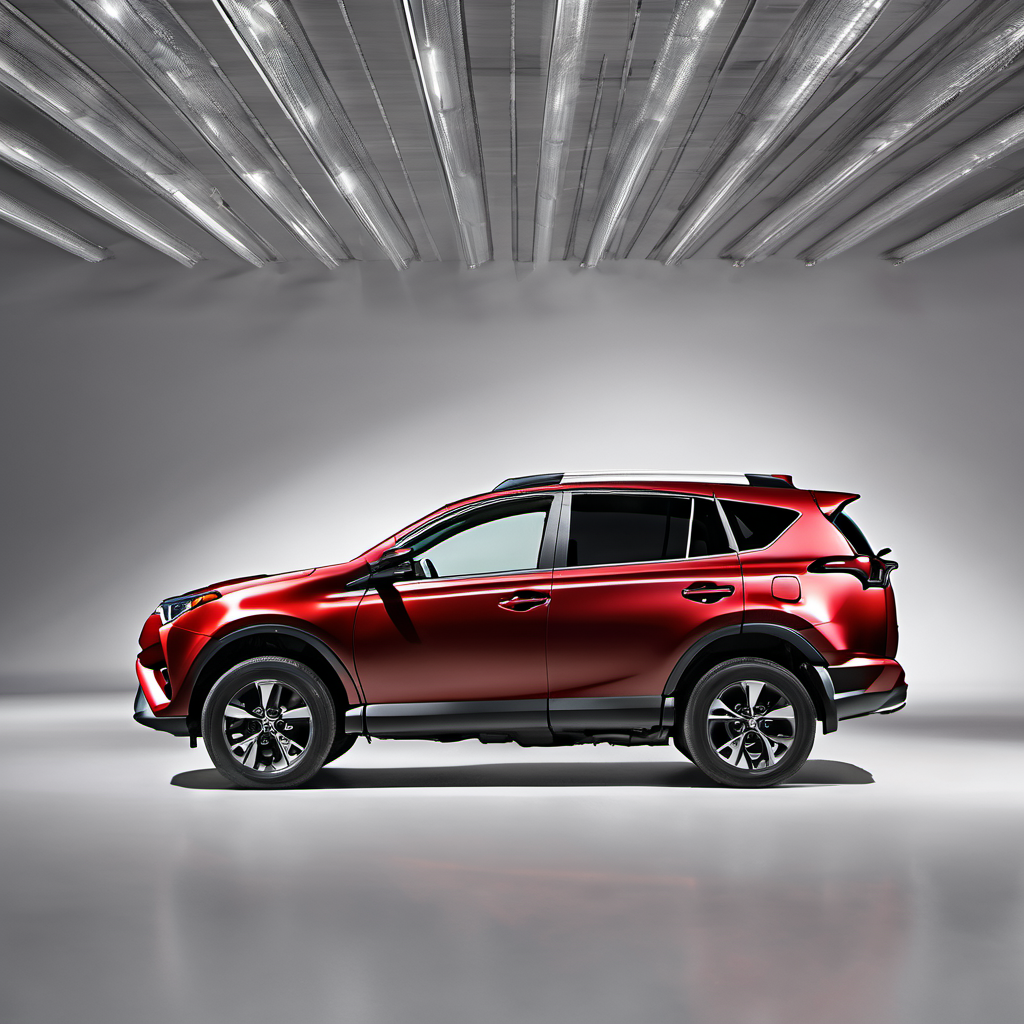
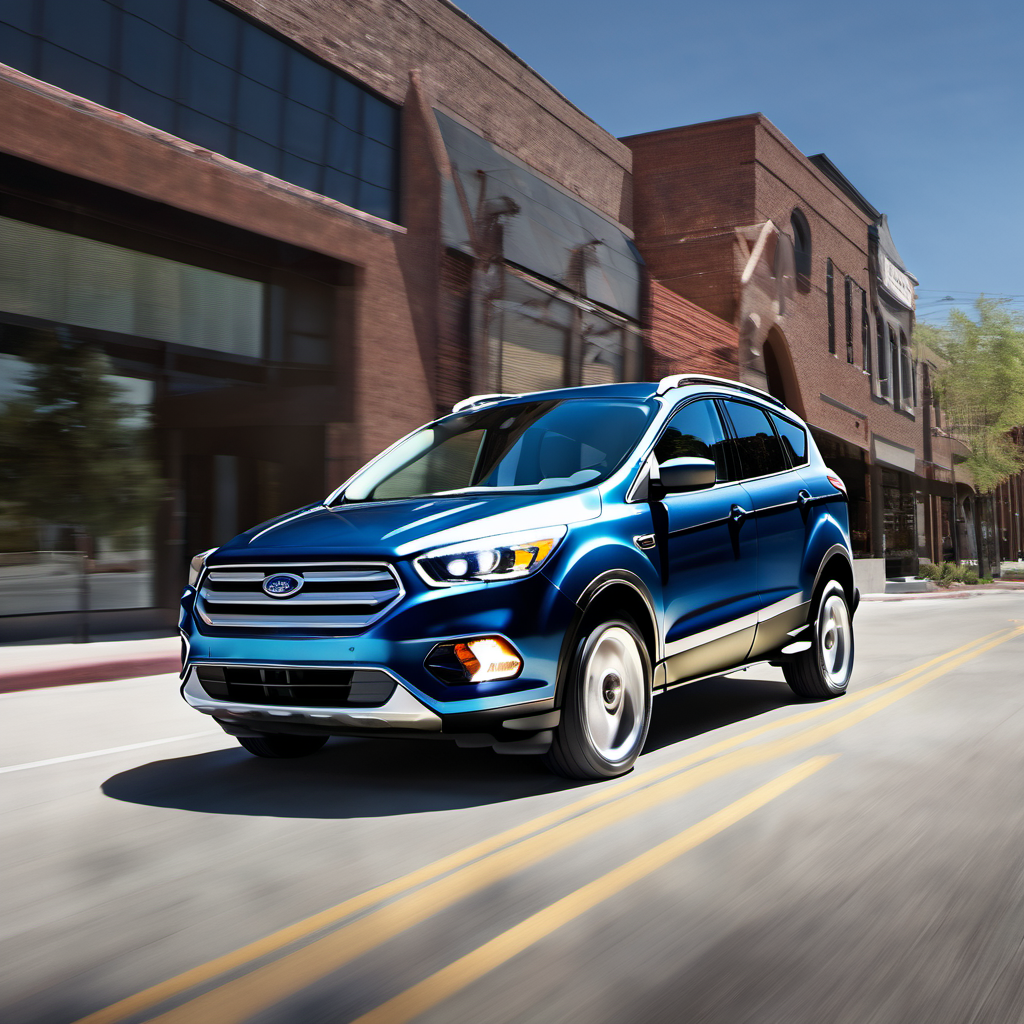
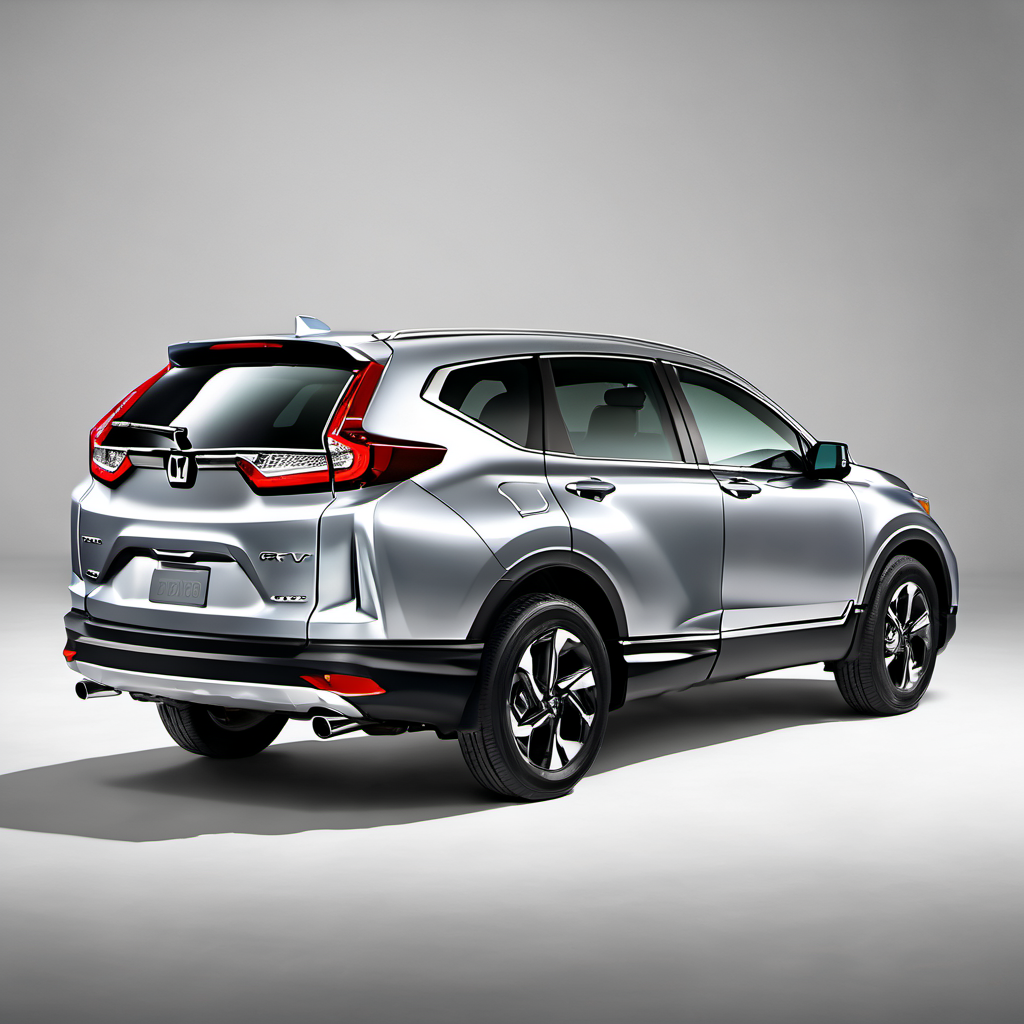
If you're shopping for one

Red flags
  • Service records showing oil changes beyond 6,000 miles or gaps in maintenance — the 1.5T does not forgive neglect
  • Any evidence of oil consumption complaint (multiple quarts added between changes noted in records)
  • P0012, P0015, P0022, or P0025 codes in scan history — timing system work may be imminent or already overdue
  • Turbo bypass valve codes (P0033–P0035) combined with reported power loss under load
  • Heavy rust on brake hardware, calipers, or undercarriage typical of a high-salt-exposure vehicle
  • Infotainment or cluster warning lights that the seller cannot explain — U0100–U0104 network codes can signal deeper electrical issues
What to inspect
  • Pull oil dipstick cold — look for milky or foamy oil (coolant intrusion) or oil level well below full on a recent change
  • Warm up the engine fully and listen for timing chain rattle on cold start (first 10–30 seconds); any ticking or rattling from the top of the engine is a red flag
  • Scan for active or pending DTCs before purchase, particularly P0012, P0015, P0026, P0027 — these point directly to the known VVT/timing issues
  • Check for any open TSBs or recall history via the VIN; multiple GM TSBs exist specifically for 2018 1.5T oil consumption and timing
  • Test the AWD system if equipped — slow-speed tight turns should be smooth, not shuddering or binding
  • Inspect the undercarriage for rust on brake lines, fuel lines, and the rear subframe — Wisconsin salt damage is real on any crossover this age
AI profile generated 22 days ago · claude-sonnet-4-6 · v2.