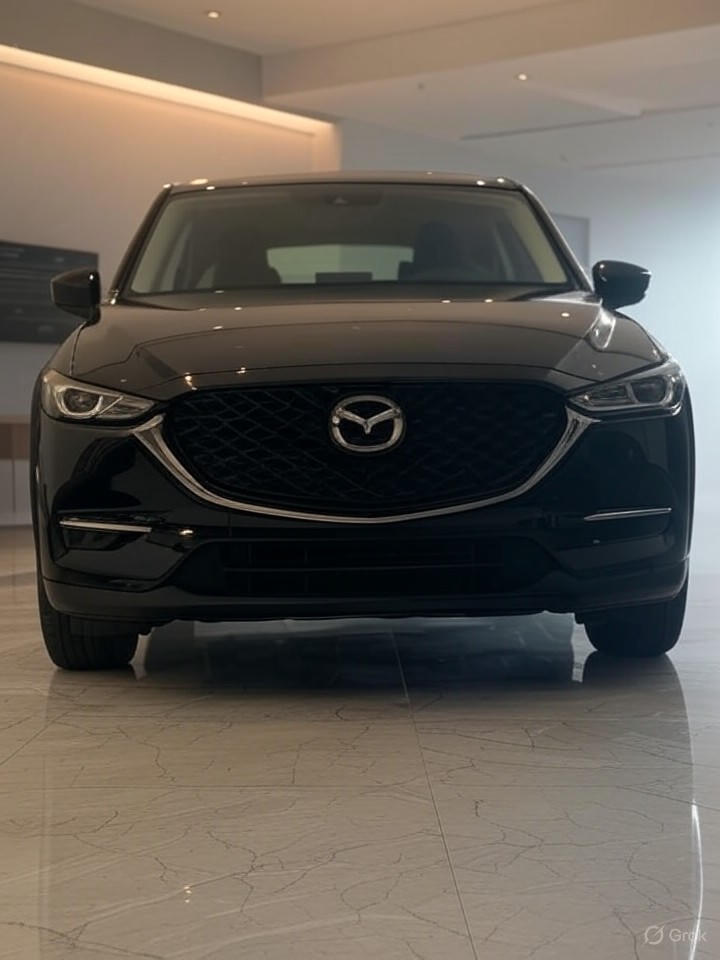
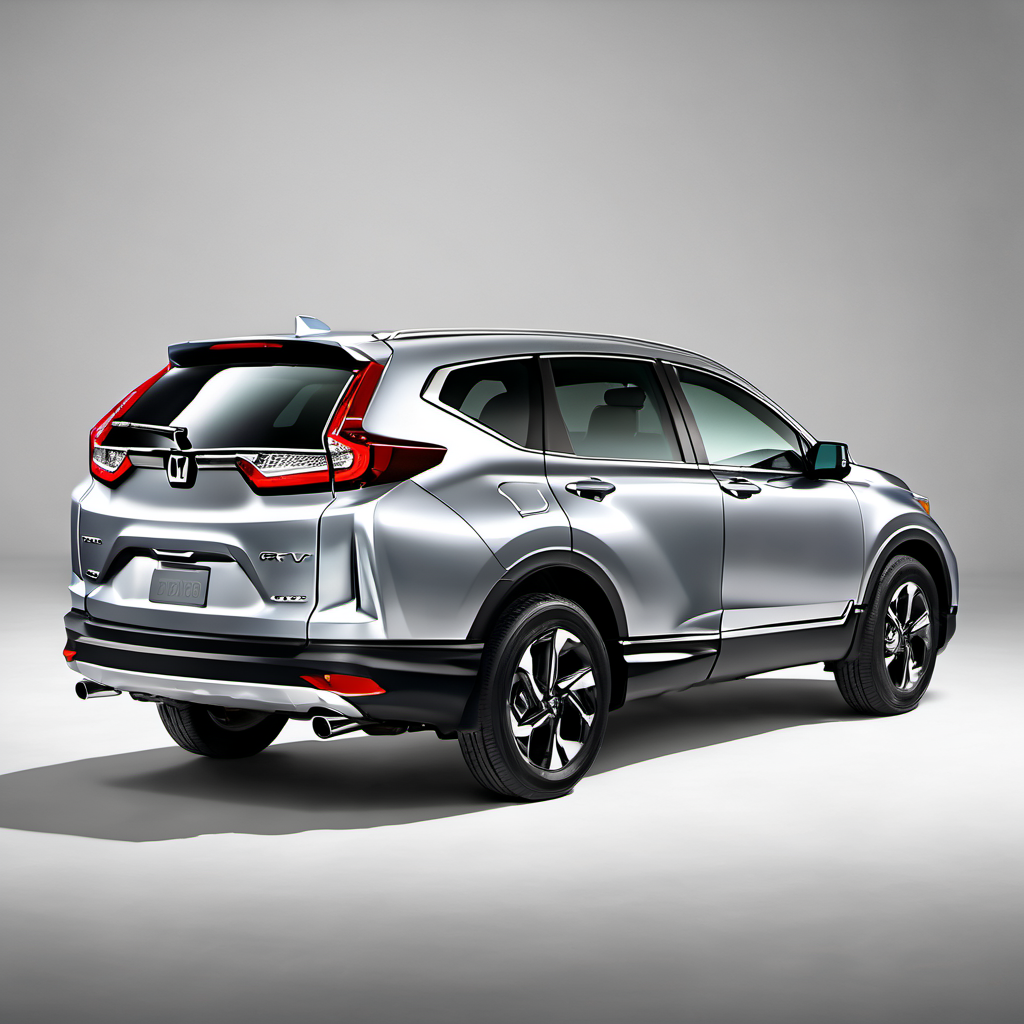
2018 MAZDA CX-5 SUV

2018 MAZDA

CX-5SUV

SUV

The 2018 Mazda CX-5 is the second-generation version of Mazda's best-selling compact crossover, representing a significant step up in refinement, interior quality, and driving dynamics over its predecessor. It earned strong praise from automotive press and owners alike for feeling more premium than its price tag suggests — the cabin materials, driving feel, and standard safety tech all punch above the compact SUV class average. Under the hood, the standard engine is Mazda's 2.5L Skyactiv-G four-cylinder producing 187 hp, paired with a 6-speed automatic and available in either FWD or AWD. It's not the quickest in class, but it's smooth, fuel-efficient, and durable. A turbocharged 2.5T variant was added for 2019, so 2018 models are naturally-aspirated only. For a Lake Geneva driver, the CX-5 makes a lot of sense: it's relatively light, well-balanced, and available with i-ACTIV AWD that genuinely earns its keep in Wisconsin winters. Rust from road salt is the main long-term concern to watch on used examples.

Reliability
4/5
Verified data
Specs shown for CX-5 2WD — the most common configuration. Other trims may vary in engine, drivetrain, or fuel economy. Sign in to see your vehicle's exact specs.
Engine
[object Object]
Drivetrain
FWD
Fuel
Gasoline
MPG
25 city / 31 hwy / 28 combined
Seats
Doors
Body
Small Sport Utility Vehicle 2WD

Overview

AI-curated

The 2018 Mazda CX-5 is the second-generation version of Mazda's best-selling compact crossover, representing a significant step up in refinement, interior quality, and driving dynamics over its predecessor. It earned strong praise from automotive press and owners alike for feeling more premium than its price tag suggests — the cabin materials, driving feel, and standard safety tech all punch above the compact SUV class average. Under the hood, the standard engine is Mazda's 2.5L Skyactiv-G four-cylinder producing 187 hp, paired with a 6-speed automatic and available in either FWD or AWD. It's not the quickest in class, but it's smooth, fuel-efficient, and durable. A turbocharged 2.5T variant was added for 2019, so 2018 models are naturally-aspirated only. For a Lake Geneva driver, the CX-5 makes a lot of sense: it's relatively light, well-balanced, and available with i-ACTIV AWD that genuinely earns its keep in Wisconsin winters. Rust from road salt is the main long-term concern to watch on used examples.

Known for
  • Best-in-class interior quality and driving dynamics for the segment
  • Efficient and proven 2.5L Skyactiv-G engine
  • Strong standard safety tech (Mazda i-Activsense suite)
  • Nimble, car-like handling for a crossover
  • Solid long-term reliability when maintained
Best for
  • Daily commuters wanting a premium feel without a premium price
  • Small families needing a practical but fun-to-drive crossover
  • Wisconsin winters (especially with AWD trim)
  • Fuel-conscious drivers who still want a crossover
Watch for
  • Underbody rust on used examples exposed to Wisconsin road salt
  • Oil consumption on higher-mileage Skyactiv-G engines if oil changes were stretched
  • FWD-only trims are less capable in deep snow — confirm drivetrain before buying used
  • Infotainment rotary controller can feel dated vs. touchscreen competitors

Common issues by mileage

6 known

Variable Valve Timing (VVT) solenoid / oil control valve failure

medium
Typically appears
60–120k mi
Estimated repair
$150 – $450

Excessive engine oil consumption (Skyactiv-G 2.5L)

medium
Typically appears
80–150k mi
Estimated repair
$0 – $2,500

Intake or exhaust valve control solenoid circuit faults

low
Typically appears
60–100k mi
Estimated repair
$200 – $600

Oxygen sensor / heater circuit fault (upstream sensor)

low
Typically appears
80–130k mi
Estimated repair
$150 – $350

Underbody and subframe rust (road-salt exposure)

high
Typically appears
50k+ mi (age/salt dependent)
Estimated repair
$200 – $2,000

CAN bus / module communication faults (U-codes)

low
Typically appears
Any mileage
Estimated repair
$100 – $800

Maintenance schedule

  1. 1
    Every 5,000 miles or 6 months (use 0W-20 full synthetic) Engine oil and filter change

    The Skyactiv-G engine's tight tolerances and VVT system depend on clean, low-viscosity oil. Stretching intervals is the single biggest driver of oil consumption and VVT solenoid fouling on these engines.

  2. 2
    Every 15,000–20,000 miles or annually Cabin air filter replacement

    Wisconsin roads kick up a lot of debris; a clogged cabin filter strains the HVAC blower and reduces defrost effectiveness — critical in winter.

  3. 3
    Every 30,000 miles Engine air filter inspection/replacement

    Dirty air filter reduces Skyactiv-G efficiency and can affect MAF sensor readings.

  4. 4
    Every 2 years regardless of mileage Brake fluid flush

    Mazda specifies a 2-year interval. Brake fluid absorbs moisture over time, lowering boiling point — a concern during hard braking on Wisconsin hilly terrain or highway driving.

  5. 5
    Every 45,000–60,000 miles Transmission fluid change (automatic)

    Mazda often lists this as 'lifetime,' but independent shop experience shows fluid degradation by 60k mi. A fresh fill extends the 6-speed automatic's life significantly.

  6. 6
    Every 30,000–45,000 miles AWD rear differential fluid change (AWD models)

    The rear coupling on i-ACTIV AWD units can shudder or wear prematurely if fluid is neglected, especially after hard winter use.

  7. 7
    Annually, before winter Underbody inspection and rustproofing

    Lake Geneva roads are heavily salted. Annual undercoating or rust-inhibitor treatment on exposed frame rails, subframe, and brake lines is the best insurance against expensive corrosion repairs.

  8. 8
    Every 5,000–7,500 miles; pressure check monthly in winter Tire rotation and pressure check

    Cold Wisconsin temps drop tire pressure roughly 1 PSI per 10°F — under-inflated tires wear unevenly and reduce handling and fuel economy.

Always defer to the manufacturer's service manual for warranty-mandated intervals.

Cost of ownership

Annual maintenance
$500 – $900
Fuel
At 28 mpg combined and ~15,000 mi/yr, expect roughly $1,500–$1,900/yr at current Midwest gas prices (~$3.20–$3.80/gal for regular unleaded).
Insurance
Typically $1,100–$1,500/yr for full coverage in the Lake Geneva/Walworth County area for a driver with a clean record; varies by age and trim.

The CX-5 sits in the sweet spot for compact SUV ownership costs. Maintenance is straightforward and parts are widely available without the premium pricing of European or luxury-adjacent brands. The main wildcard on a used example is rust remediation — budget an extra $200–$500/yr if the vehicle has lived through multiple Wisconsin winters without undercoating.
Seasonal care

Lake Geneva, WI
Winter
  • Switch to dedicated winter tires — the stock all-seasons lose grip below 45°F, and AWD doesn't help you stop faster on ice.
  • Test and replace the 12V battery if it's more than 3 years old; cold cranking amps drop sharply below 0°F and the Skyactiv-G's start-stop system stresses batteries.
  • Top off with -40°F-rated washer fluid before first freeze; the reservoir empties fast on salty Wisconsin roads.
  • Apply a silicone spray to door and hatch rubber seals to prevent them from freezing shut.
  • Rinse the underbody at a touchless car wash every 1–2 weeks during heavy salt season to slow corrosion on brake lines and suspension components.
  • Verify rear defroster and heated mirrors are functional before temperatures drop — the CX-5's large rear glass fogs quickly.
Summer
  • Check tire pressure after the first hot week — every 10°F rise adds ~1 PSI, pushing tires toward over-inflation.
  • Inspect the A/C system refrigerant charge and cabin filter if airflow feels reduced; the CX-5's A/C is generally reliable but a clogged filter kills performance.
  • Monitor coolant level and inspect hoses at the start of summer; extended highway runs at highway speed in heat can expose any marginal cooling system components.
  • Check that the electric cooling fan operates at idle with A/C on — heat soak at traffic lights can spike temps if the fan isn't pulling properly.

Comparable vehicles

If you're shopping for one

Red flags
  • Rust bubbling on rear wheel arches, rocker panels, or visible subframe corrosion — repair costs can exceed vehicle value.
  • Oil change stickers spaced more than 6–7k miles apart, or no service history at all.
  • Any CarFax or AutoCheck entry for front-end collision — ADAS recalibration is expensive and sometimes incomplete.
  • Musty or damp smell in the cabin, which can indicate a sunroof drain clog or windshield seal failure allowing water intrusion into the floor.
  • CEL or multiple stored DTCs at point of sale — especially P0012/P0015 (VVT timing codes) which can indicate oil sludge or camshaft actuator wear.
What to inspect
  • Confirm drivetrain: FWD vs. AWD — check the door jamb sticker or VIN decode, not just the seller's word.
  • Crawl underneath and inspect the subframe, rear trailing arms, and brake lines for rust perforation — especially on any example with Wisconsin or northern Illinois plates.
  • Check oil level and condition at viewing; dark, low oil on a Skyactiv-G engine signals neglected intervals and potential consumption issues.
  • Test all Mazda i-Activsense features (lane-keep, blind spot, auto emergency braking) — ADAS sensors can be knocked out of calibration by front-end impacts that left no visible damage.
  • Listen for VVT rattle on cold start (first 5–10 seconds); a ticking or rattling noise that disappears after warm-up can indicate VVT solenoid or chain tensioner wear.
AI profile generated 4 days ago · claude-sonnet-4-6 · v2.