CVT Shuddering, Slipping, or Failure
high- Typically appears
- 60–120k mi
- Estimated repair
- $2,800 – $5,500
2017 Nissan
1.8L DOHC inline-4
The 2017 Nissan Sentra is a front-wheel-drive compact sedan built for affordable, fuel-efficient daily transportation. It sits near the top of the Sentra's seventh generation (B17 platform), which ran from 2013 through 2019, and represents a mature version of that design with standard forward-collision warning and available rear cross-traffic alert at higher trims. The Sentra's 1.8L four-cylinder is modest but reliable, and the Xtronic CVT — while not exciting — delivers genuine fuel economy gains on highway runs. The car's interior space is notably generous for the segment, with rear legroom that surprises taller passengers. That said, the CVT is the vehicle's biggest long-term question mark; it needs strict fluid discipline to survive high mileage. For buyers in Lake Geneva and the surrounding area, the Sentra checks the boxes for a practical commuter or second household car. It handles Wisconsin winters acceptably on a good set of snow tires, though the relatively light curb weight means it's not as planted in deep snow as heavier vehicles. Rust protection on this generation is average — undercarriage inspection is important for any used example from a salt-belt state.
The 2017 Nissan Sentra is a front-wheel-drive compact sedan built for affordable, fuel-efficient daily transportation. It sits near the top of the Sentra's seventh generation (B17 platform), which ran from 2013 through 2019, and represents a mature version of that design with standard forward-collision warning and available rear cross-traffic alert at higher trims. The Sentra's 1.8L four-cylinder is modest but reliable, and the Xtronic CVT — while not exciting — delivers genuine fuel economy gains on highway runs. The car's interior space is notably generous for the segment, with rear legroom that surprises taller passengers. That said, the CVT is the vehicle's biggest long-term question mark; it needs strict fluid discipline to survive high mileage. For buyers in Lake Geneva and the surrounding area, the Sentra checks the boxes for a practical commuter or second household car. It handles Wisconsin winters acceptably on a good set of snow tires, though the relatively light curb weight means it's not as planted in deep snow as heavier vehicles. Rust protection on this generation is average — undercarriage inspection is important for any used example from a salt-belt state.
Nissan specifies 0W-20 full synthetic. In Wisconsin winters, this low-viscosity oil flows immediately at cold starts, reducing wear on a cold engine. Don't stretch intervals — the 1.8L is sensitive to sludge from extended-interval conventional oil.
This is the single most important service on this car. Using any fluid other than Nissan NS-3 will damage the CVT. A neglected CVT fluid change is the leading cause of the $3,000+ CVT failures seen in this generation. Check level with engine running and warmed up.
FWD cars wear front tires significantly faster. Consistent rotation extends tire life and keeps handling balanced — critical for wet and snowy Wisconsin roads.
Brake fluid absorbs moisture over time, lowering its boiling point. Wisconsin's temperature swings accelerate this. Fresh fluid prevents spongy pedal feel and internal corrosion in the ABS system.
A clogged cabin filter reduces defrost airflow — a real problem in winter when you need the defroster working at full capacity. Easy DIY job on the Sentra.
A dirty filter hurts fuel economy and throttle response. Inspect more frequently if driving on dusty rural roads.
Factory iridium plugs are spec'd for 105k. Replacing on schedule prevents misfires and protects the catalytic converter from unburned fuel damage.
Wisconsin road salt is aggressive on the Sentra's brake lines and subframe. A thorough undercarriage wash each spring, followed by a visual inspection of brake lines and rubber bushings, can catch corrosion before it becomes a safety issue.
Always defer to the manufacturer's service manual for warranty-mandated intervals.
The Sentra is a genuinely low-cost car to own when the CVT is maintained properly. Routine annual costs — oil changes, rotation, filters — run $500–$900 at an independent shop. The risk is a sudden large expense: a CVT replacement at 80–100k miles can run $3,000–$5,500 and often exceeds the car's market value. If you're buying used, verify CVT fluid service history before purchase. Everything else — brakes, sensors, belts — is inexpensive and straightforward.
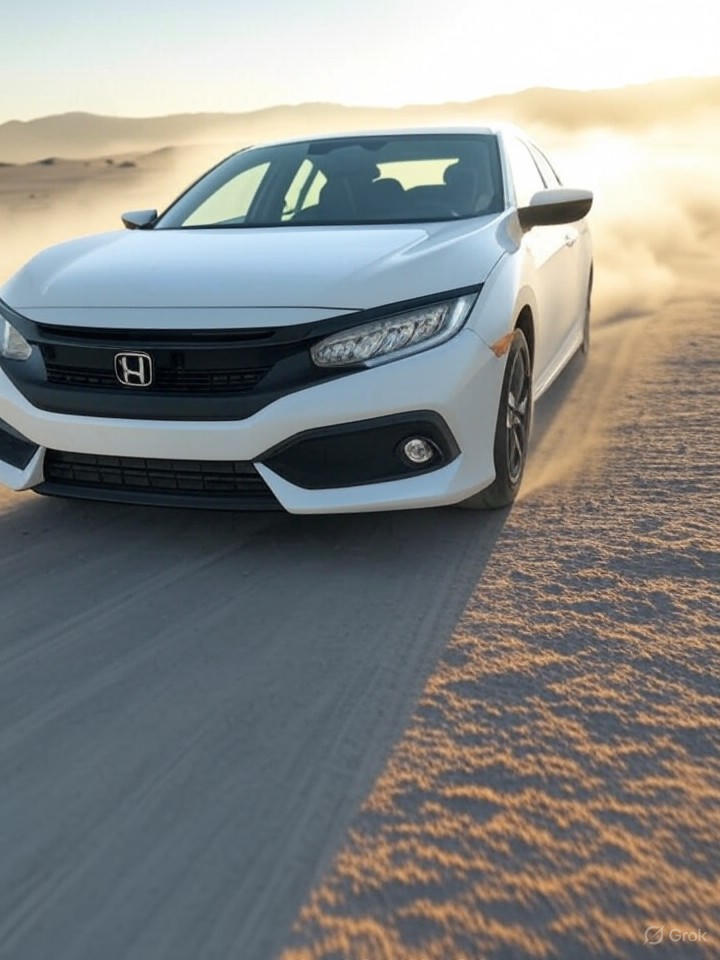
More engaging to drive and slightly more reliable CVT/transmission history; typically commands a higher used price but holds value better long-term.
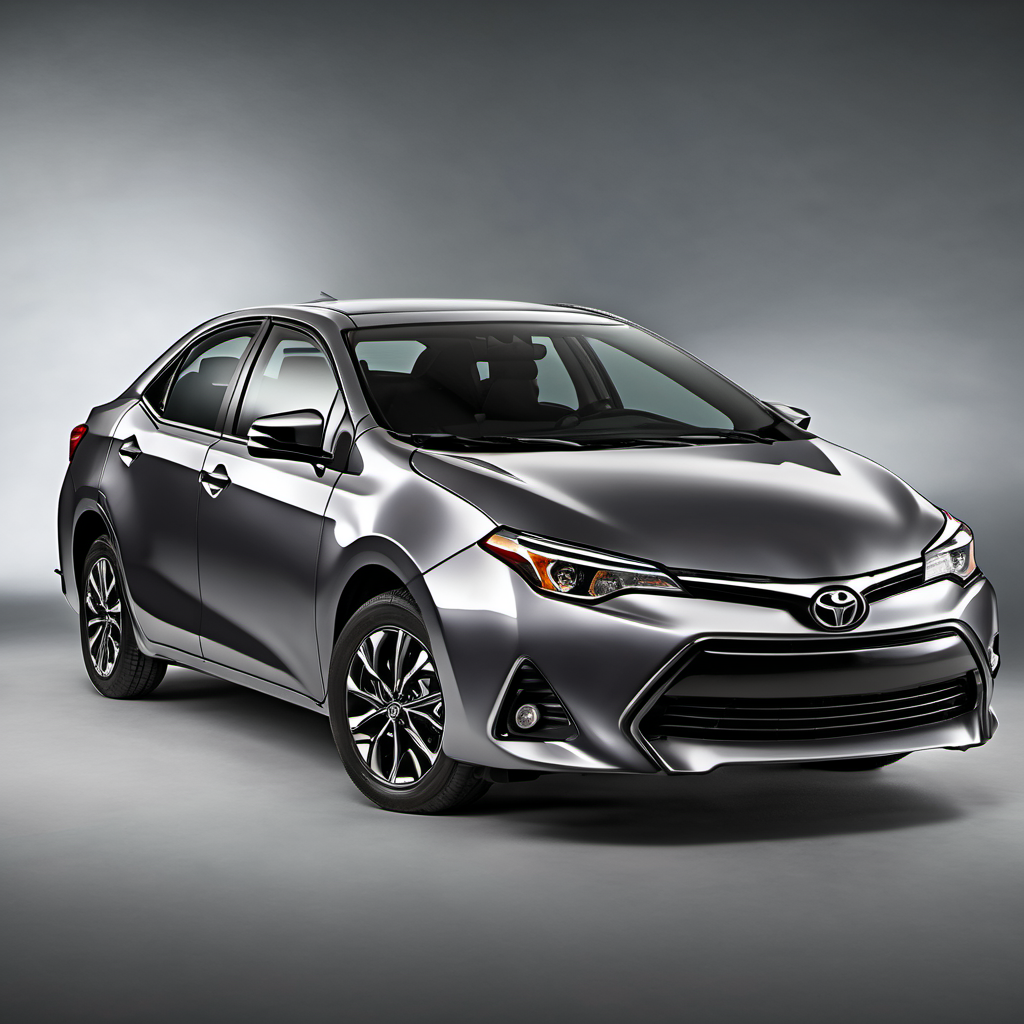
Nearly identical segment and price point; Toyota's conventional automatic is more proven at high mileage than the Nissan CVT, though the Sentra offers more rear legroom.
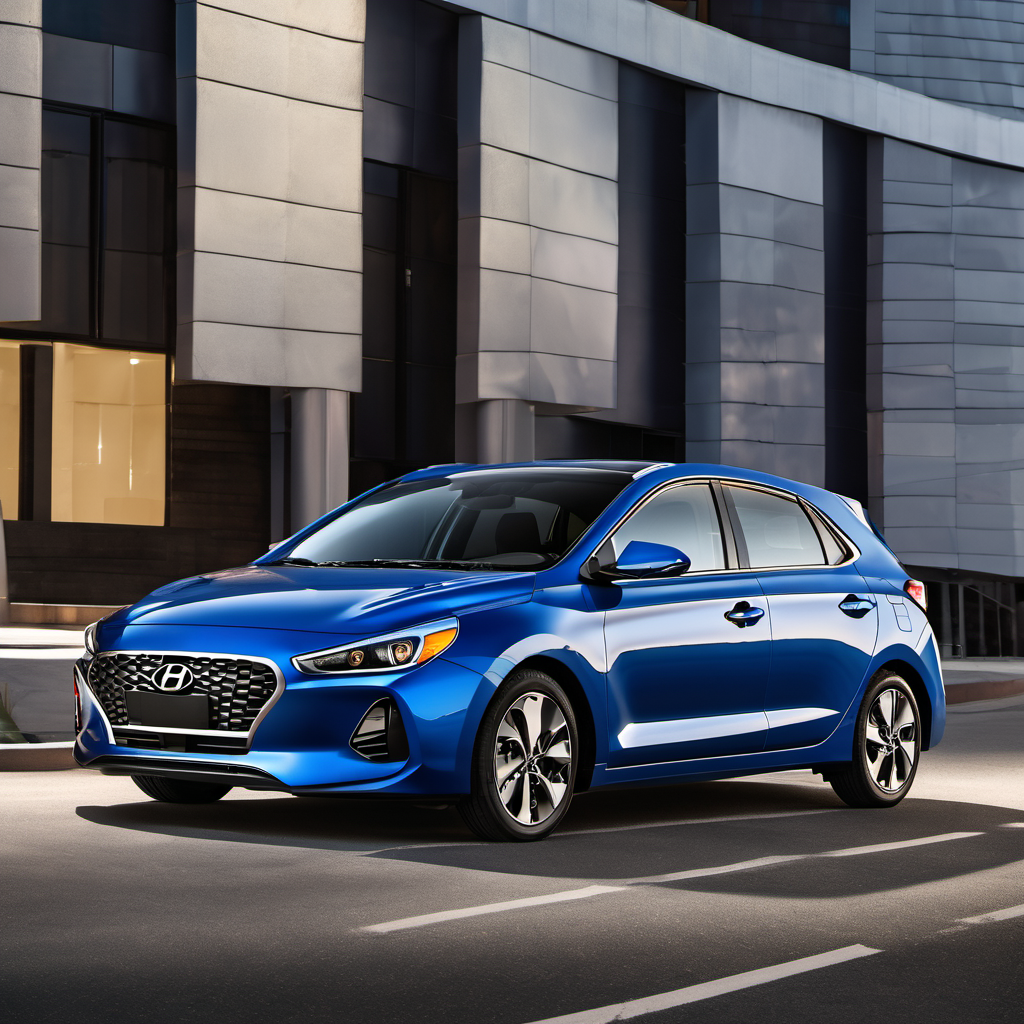
Strong value competitor with similar fuel economy and interior space; Hyundai's 6-speed automatic is a lower-risk transmission compared to the Nissan CVT.
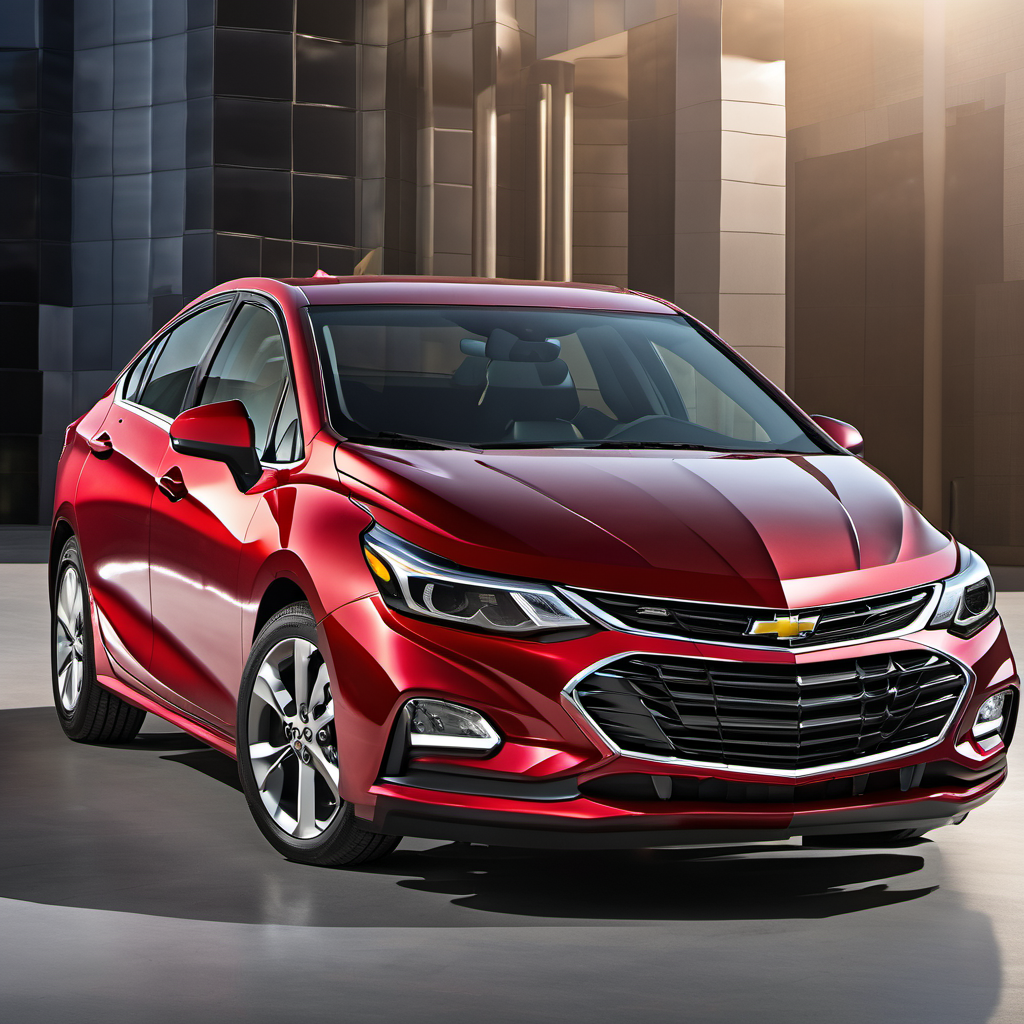
Domestic alternative at a similar price; slightly more power and available diesel option, though long-term reliability is comparable to the Sentra.