1.5T Engine Oil Dilution (Gasoline in Oil)
high- Typically appears
- 0–60k mi
- Estimated repair
- $0 – $200
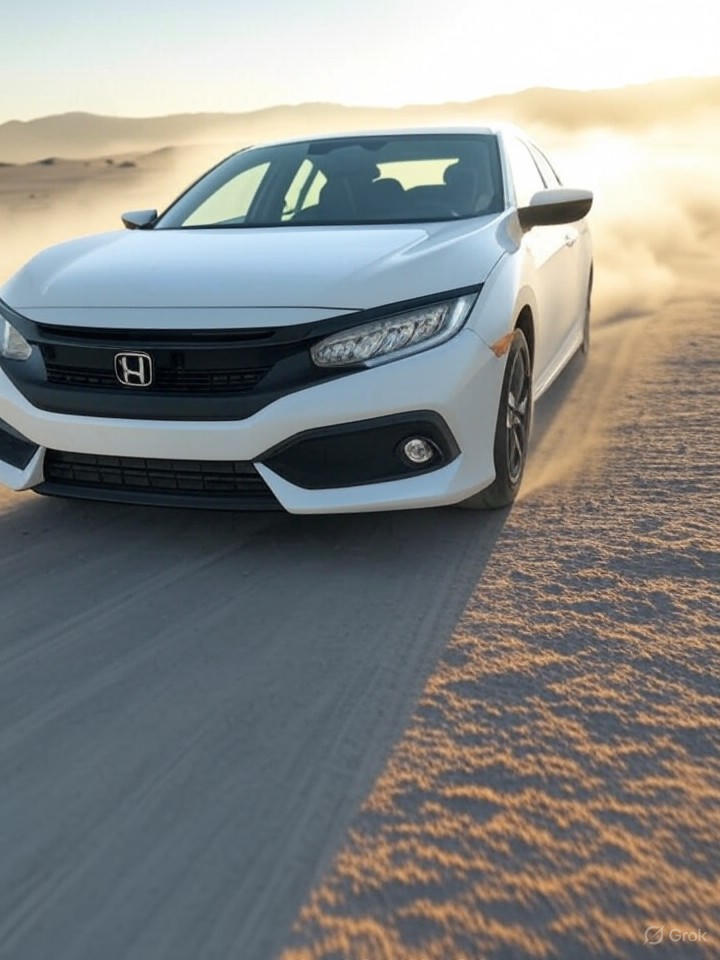
2017 Honda
1.5L I4 Turbocharged · Coupe
The 2017 Honda Civic Coupe is part of the 10th-generation Civic lineup, a complete ground-up redesign Honda introduced for 2016 after years of criticism that the 9th-gen had grown dull and unreliable. The 10th gen fixed almost everything: sharper styling, a genuinely sporty turbocharged 1.5L four-cylinder (or the base 2.0L naturally aspirated), a much-improved interior, and driving dynamics that put it back at the head of the compact class. The Coupe specifically targets buyers who want a sportier look without stepping into the Si or Type R tier. For a compact coupe, it punches above its weight in feature content, safety scores, and fuel economy. The CVT-equipped 1.5T trims return excellent real-world highway numbers, and the 6-speed manual option on Sport trims keeps driving enthusiasts happy. Honda's build quality on this generation rebounded strongly from the troubled 9th gen. The main watch-out for this year is the 1.5T engine's documented oil dilution issue in cold climates — gasoline can wash into the crankcase during short-trip, cold-weather driving. Lake Geneva winters make this a real concern, not a minor footnote. Regular oil changes and highway driving help mitigate it, but buyers should go in with eyes open.
The 2017 Honda Civic Coupe is part of the 10th-generation Civic lineup, a complete ground-up redesign Honda introduced for 2016 after years of criticism that the 9th-gen had grown dull and unreliable. The 10th gen fixed almost everything: sharper styling, a genuinely sporty turbocharged 1.5L four-cylinder (or the base 2.0L naturally aspirated), a much-improved interior, and driving dynamics that put it back at the head of the compact class. The Coupe specifically targets buyers who want a sportier look without stepping into the Si or Type R tier. For a compact coupe, it punches above its weight in feature content, safety scores, and fuel economy. The CVT-equipped 1.5T trims return excellent real-world highway numbers, and the 6-speed manual option on Sport trims keeps driving enthusiasts happy. Honda's build quality on this generation rebounded strongly from the troubled 9th gen. The main watch-out for this year is the 1.5T engine's documented oil dilution issue in cold climates — gasoline can wash into the crankcase during short-trip, cold-weather driving. Lake Geneva winters make this a real concern, not a minor footnote. Regular oil changes and highway driving help mitigate it, but buyers should go in with eyes open.
The 1.5T's oil dilution problem makes frequent winter oil changes critical. Honda's Maintenance Minder may stretch intervals longer than is wise for Wisconsin cold-climate short-trip driving. Shorten the interval October through March.
Honda doesn't always list CVT fluid as a maintenance item, but degraded fluid is the leading cause of CVT shudder and early wear. Use Honda-specified CVT fluid. This is a straightforward independent-shop service.
A clogged air filter reduces turbo efficiency and can increase fuel dilution. Quick visual check at every oil change; replace when dirty.
The 1.5T runs iridium plugs rated for ~60k miles. Worn plugs increase misfire risk and can worsen oil dilution. Do not defer past the interval.
Brake fluid is hygroscopic. Wisconsin humidity and temperature swings accelerate moisture absorption, which lowers boiling point and promotes internal corrosion.
Road salt and Wisconsin pollen quickly clog the cabin filter, reducing HVAC airflow and defogging effectiveness — both important in winter.
Rotate tires to even out wear; check rear brake pad thickness and inspect caliper slide pins for corrosion at the same time.
Lake Geneva roads are heavily salted. Salt accelerates rust on brake lines, caliper brackets, and exhaust hangers. A thorough underwash after snowstorms and a full spring inspection catch corrosion early.
Always defer to the manufacturer's service manual for warranty-mandated intervals.
The 2017 Civic Coupe is one of the more affordable compacts to own day-to-day. Routine maintenance is straightforward and inexpensive at an independent shop. The main cost wildcard is the CVT — if fluid changes are skipped and the transmission develops issues, repair or replacement is expensive ($3,000–$5,500). Stay on top of oil changes and CVT fluid and the annual cost picture stays favorable.
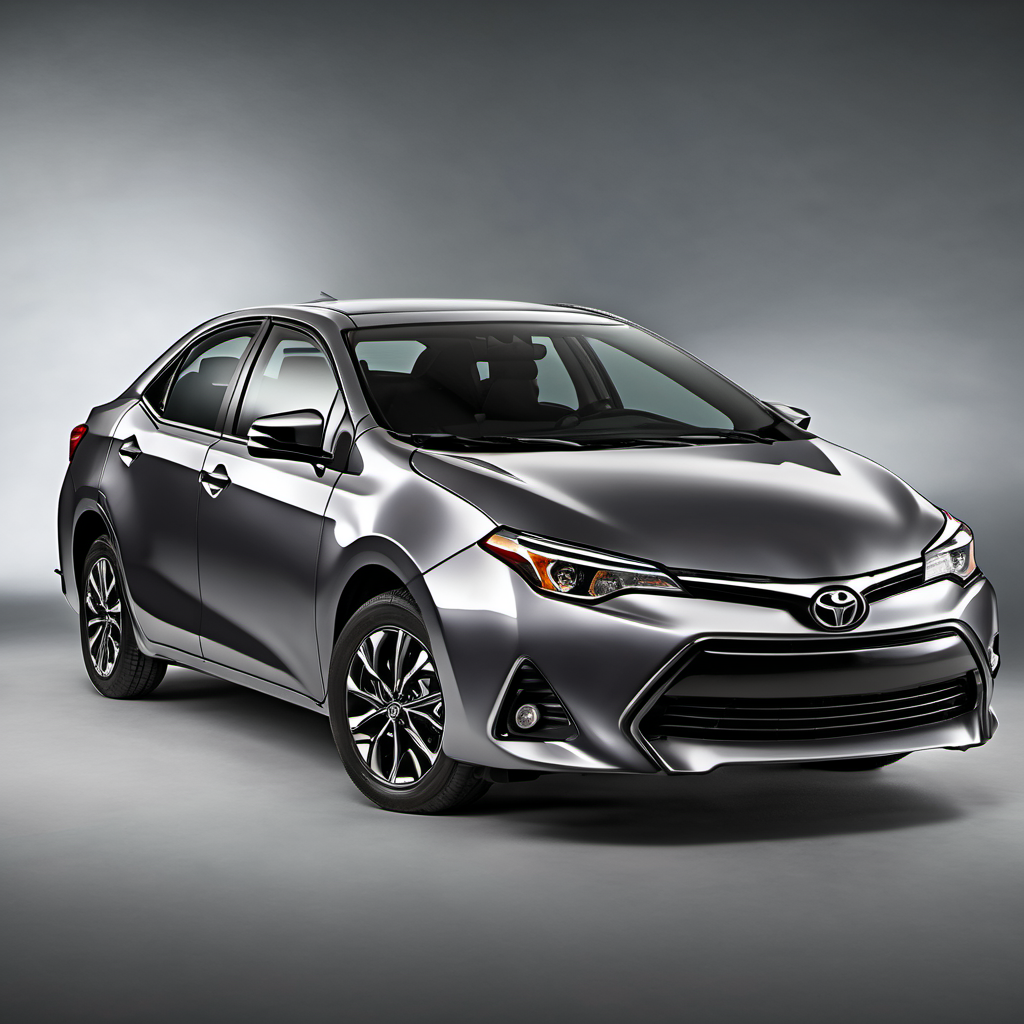
Same compact segment, similar price, proven reliability reputation. The Corolla is more conservative to drive but has no oil dilution concerns and arguably edges out the Civic for long-term simplicity. Less fun, more bulletproof.
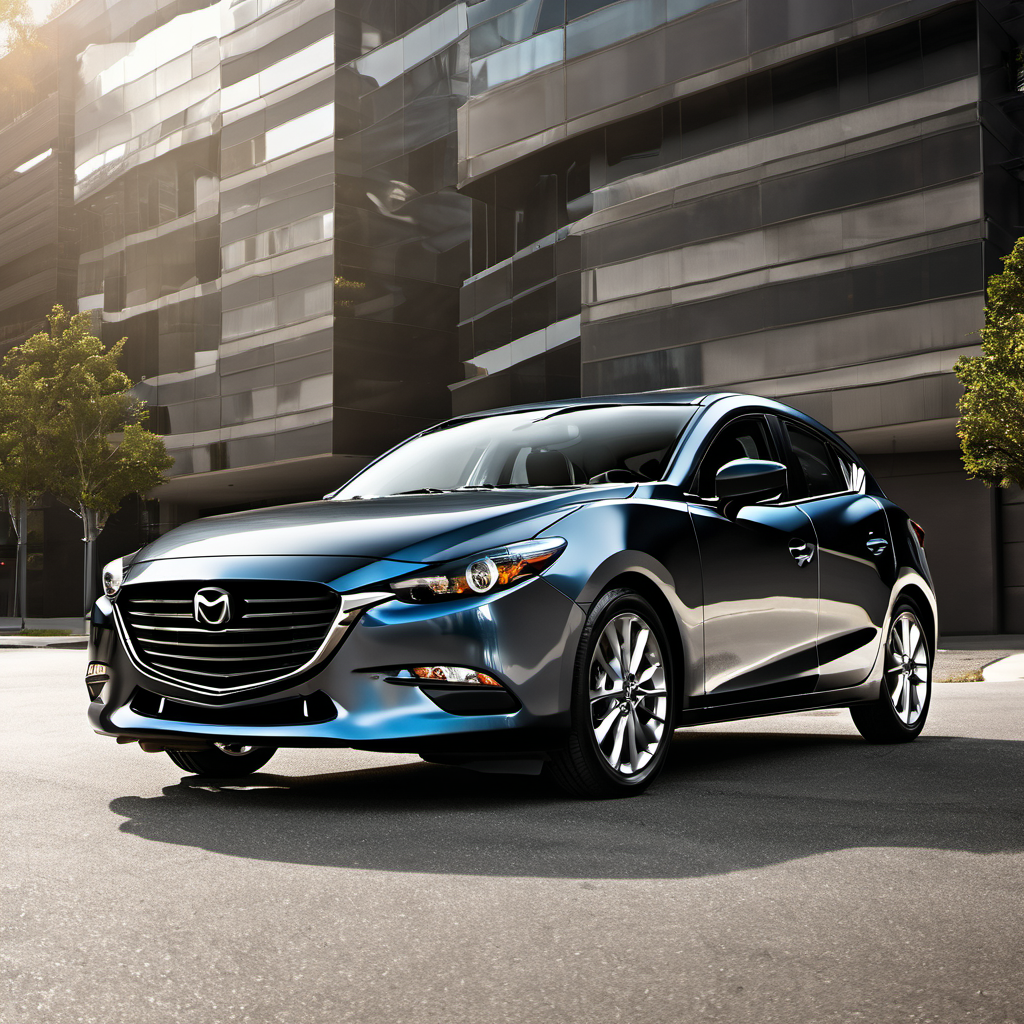
Available as a coupe-like hatchback, similarly priced, and widely regarded as the most driver-focused car in this segment. Skyactiv engines have no turbo oil concerns. Strong reliability record.
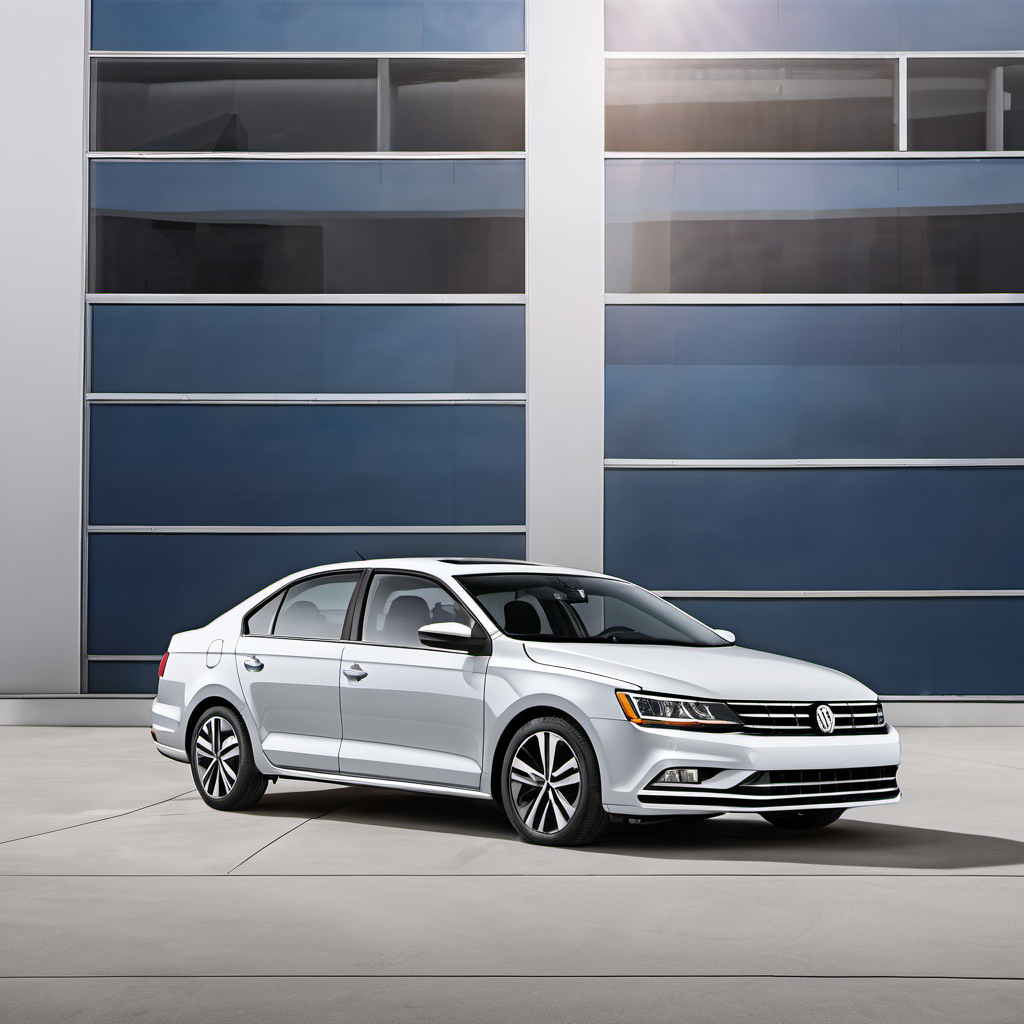
German-built compact with a similar turbocharged 1.4L engine, sporty feel, and comparable pricing. Higher ownership costs than the Civic and Honda beats it on long-term reliability, but worth a look if interior quality is a priority.
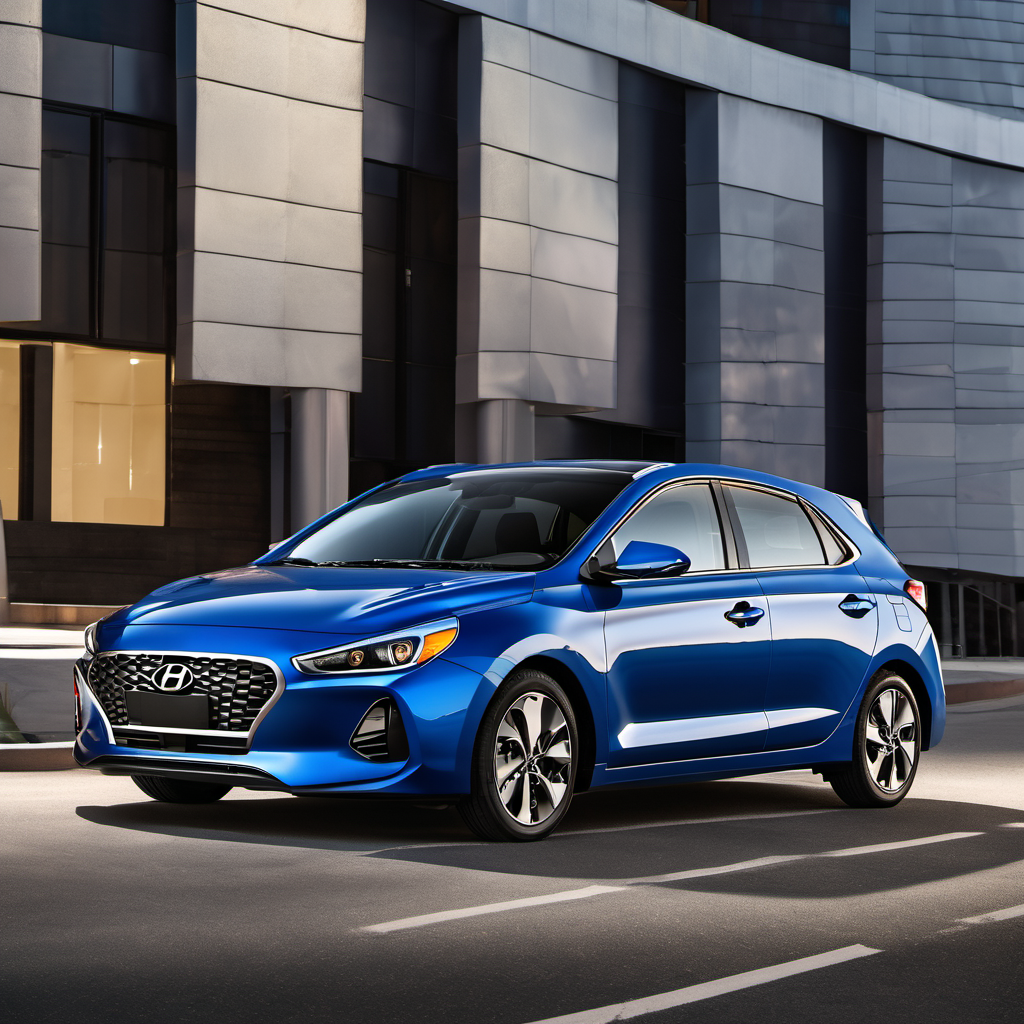
Competes directly in price and segment. The Elantra offers a longer warranty and solid value, though the Civic leads on driving dynamics and resale value. A reasonable alternative if the 1.5T oil dilution issue is a dealbreaker.