CVT Shudder, Hesitation, or Failure (1.5T models)
medium- Typically appears
- 50–100k mi
- Estimated repair
- $1,800 – $4,500
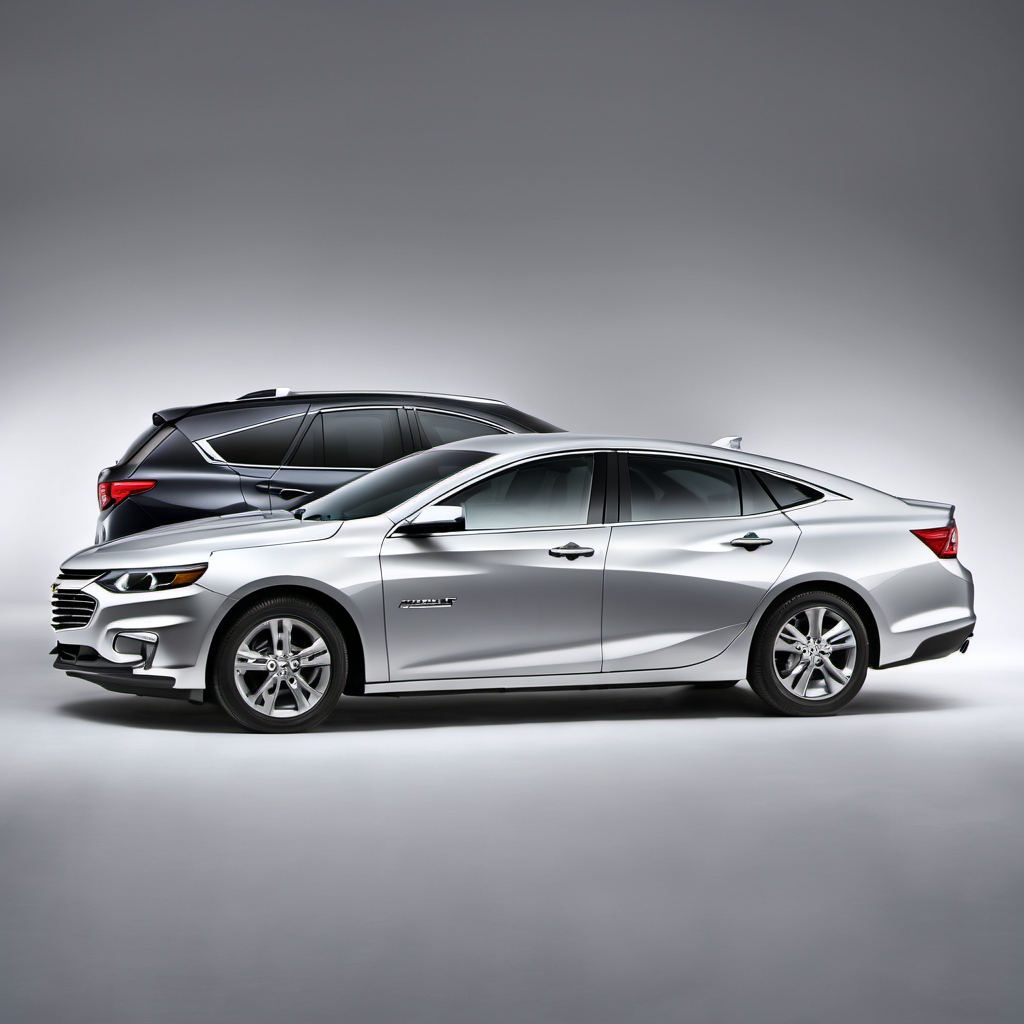
2017 Chevrolet
1.5L I4 Turbo · Sedan
The 2017 Chevrolet Malibu is the ninth generation of GM's long-running mid-size sedan, riding on the E2XX platform shared with the Buick LaCrosse. It's a significant step up from its predecessor — noticeably lighter, more refined, and better equipped for the money. Most buyers get the 1.5L turbocharged four-cylinder paired with a CVT, though the sportier 2.0T with a 6-speed automatic is also available. For daily commuting and family errands in southern Wisconsin, the Malibu makes a solid case for itself: good fuel economy, a composed ride, comfortable seating for four adults, and a well-laid-out cabin with available Apple CarPlay/Android Auto. The Teen Driver feature and available lane-keep assist reflect GM's push toward active safety on an affordable platform. It's not without quirks. The CVT paired with the 1.5T draws the most owner complaints, and the car's turbocharged engines demand strict oil change discipline. Used examples in the upper Midwest need a close look at underbody corrosion given Wisconsin salt exposure, but a well-maintained Malibu with documented service history is a reasonable, cost-effective daily driver.
The 2017 Chevrolet Malibu is the ninth generation of GM's long-running mid-size sedan, riding on the E2XX platform shared with the Buick LaCrosse. It's a significant step up from its predecessor — noticeably lighter, more refined, and better equipped for the money. Most buyers get the 1.5L turbocharged four-cylinder paired with a CVT, though the sportier 2.0T with a 6-speed automatic is also available. For daily commuting and family errands in southern Wisconsin, the Malibu makes a solid case for itself: good fuel economy, a composed ride, comfortable seating for four adults, and a well-laid-out cabin with available Apple CarPlay/Android Auto. The Teen Driver feature and available lane-keep assist reflect GM's push toward active safety on an affordable platform. It's not without quirks. The CVT paired with the 1.5T draws the most owner complaints, and the car's turbocharged engines demand strict oil change discipline. Used examples in the upper Midwest need a close look at underbody corrosion given Wisconsin salt exposure, but a well-maintained Malibu with documented service history is a reasonable, cost-effective daily driver.
The 1.5T turbo runs tight oil tolerances. Sludge in the VVT oil control passages causes the P0012/P0015/P0022/P0025 cam timing codes and can lead to expensive actuator or chain work. Fresh oil is the single best preventive step.
GM rates the CVT fluid as lifetime, but upper-Midwest heat cycles and stop-and-go driving degrade it. Fresh fluid is cheap insurance against the $2,000–$4,500 CVT replacement cost.
Worn plugs on a turbocharged engine cause misfires and can stress the ignition coils. Staying on schedule keeps combustion clean and avoids cascade failures.
Wisconsin gravel roads and seasonal dust load filters faster than the service manual assumes. A restricted filter increases turbo workload.
Brake fluid absorbs moisture; in Wisconsin winter cycling, degraded fluid lowers the boiling point and accelerates ABS module and caliper corrosion.
DEX-COOL has a long service life, but inspect hoses and the surge tank cap annually. A failed cap on a turbo car can cause overheating quickly.
Lake Geneva roads see heavy brine application. Flush wheel wells, brake lines, fuel lines, and subframe mounting points each spring to catch rust before it becomes structural.
A clogged cabin filter reduces HVAC airflow, which strains the blower motor and fogs up windows faster in Wisconsin winters.
Always defer to the manufacturer's service manual for warranty-mandated intervals.
The Malibu is an economical car to own when it's healthy. Routine maintenance is inexpensive and parts are widely available. The cost wildcard is the CVT: one replacement can wipe out three or four years of savings. Keep up with oil changes and CVT fluid, and budget a small emergency fund for any turbo-related VVT work.
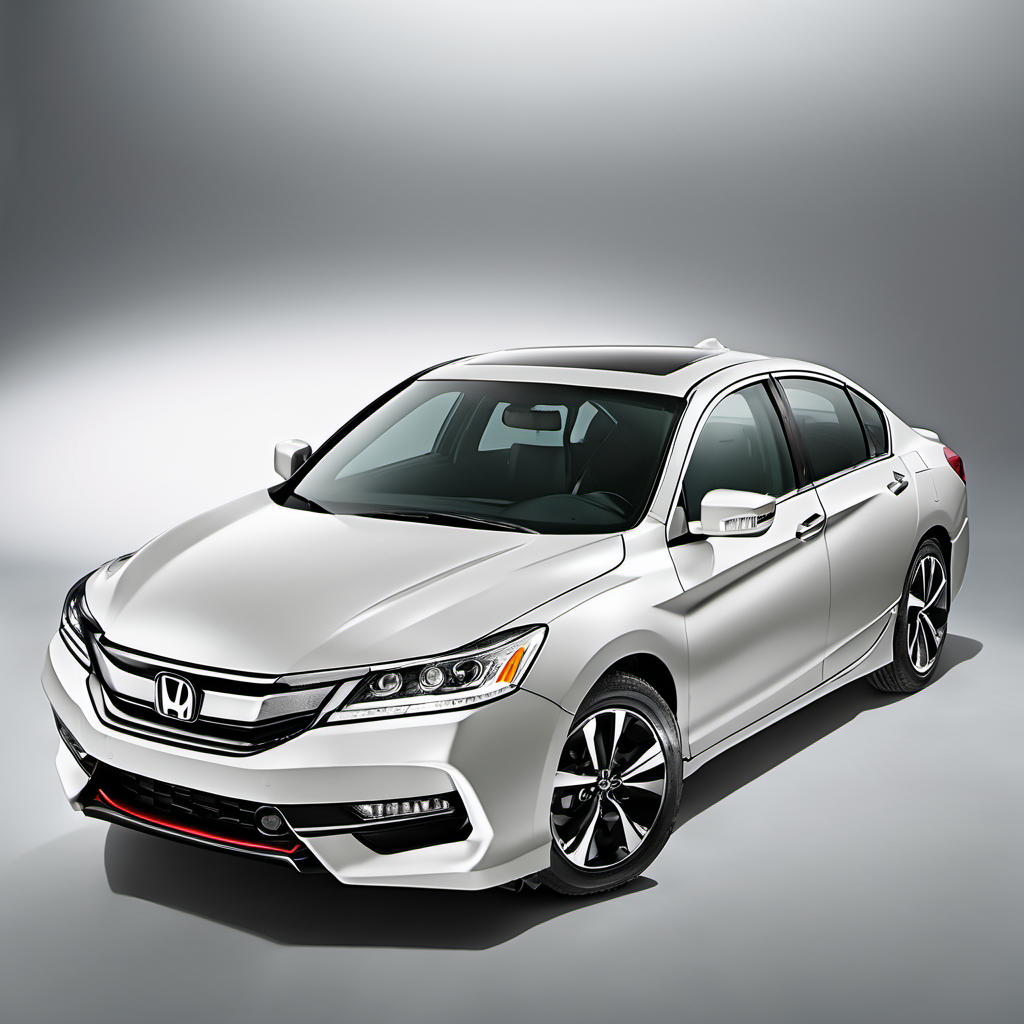
The 9th-gen Accord is the class benchmark for reliability and long-term value. More proven powertrain, better resale, and generally higher owner satisfaction than the Malibu — typically costs a bit more used but earns it.
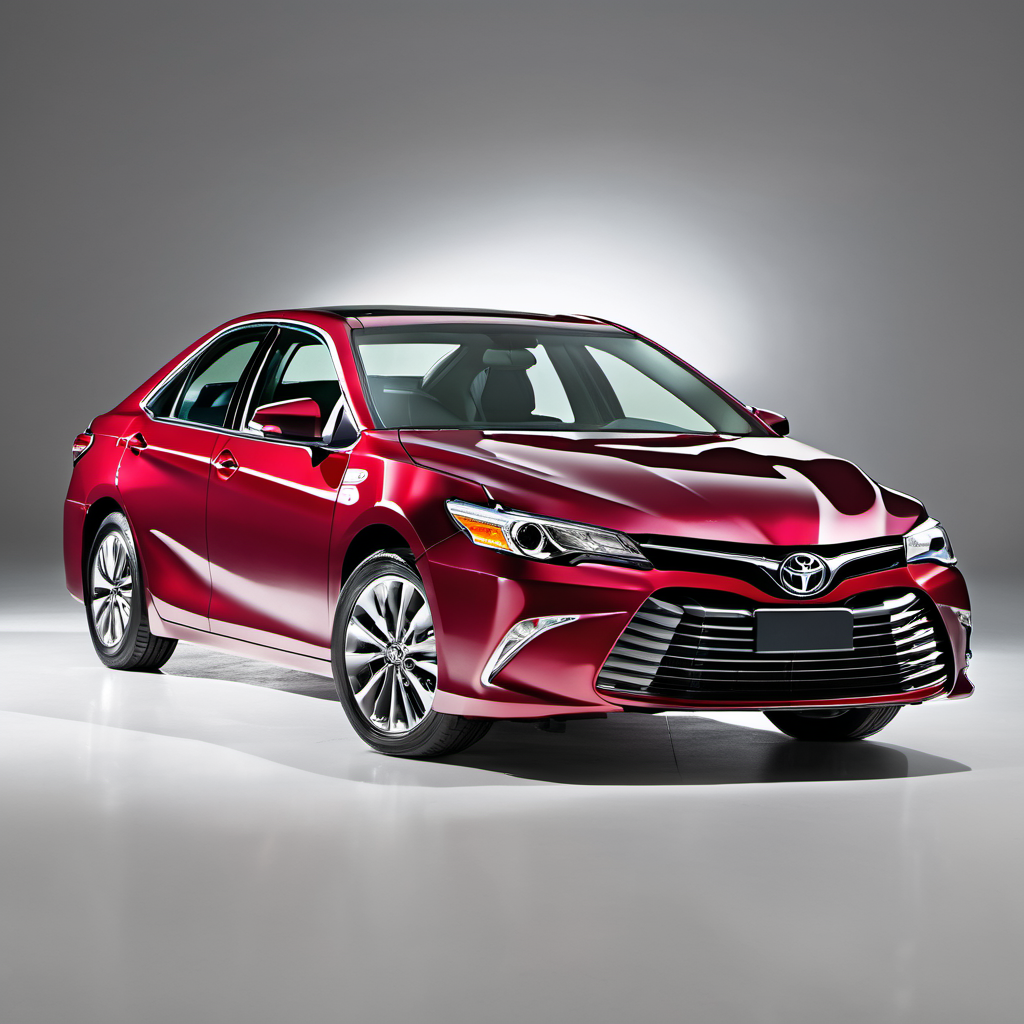
The outgoing 7th-gen Camry is bulletproof by reputation. Less exciting to drive but virtually no powertrain surprises, easy to service anywhere, and holds value better. Good alternative if CVT concerns deter you from the Malibu.
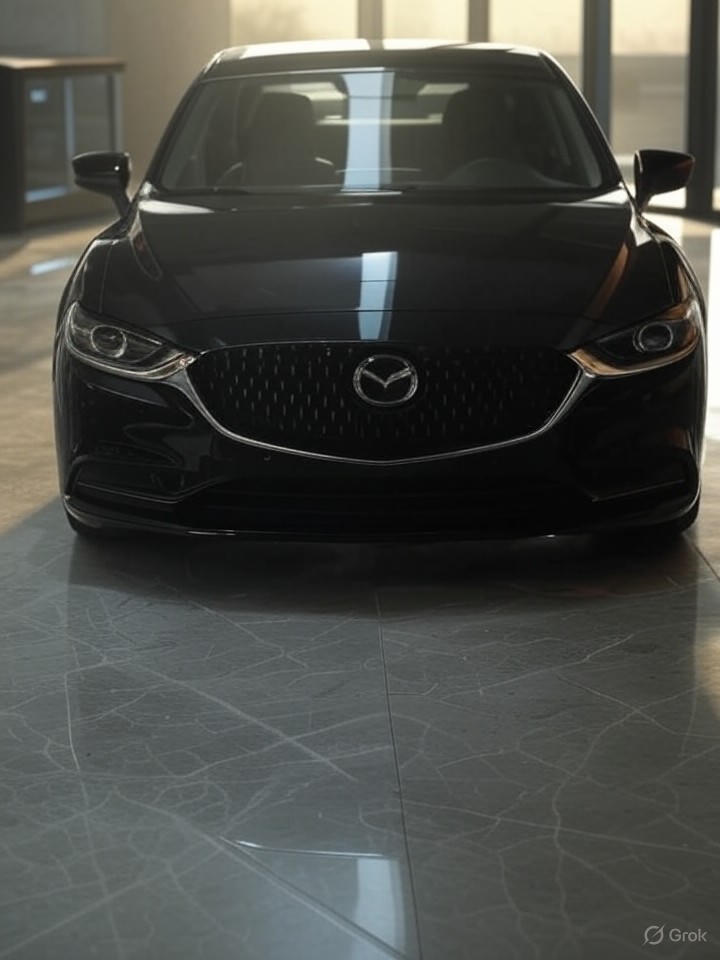
The Mazda6 offers sharper driving dynamics, a naturally aspirated 2.5L four-cylinder that avoids turbo complexity, and above-average reliability for the segment. Slightly smaller trunk but a more engaging and lower-stress ownership experience.
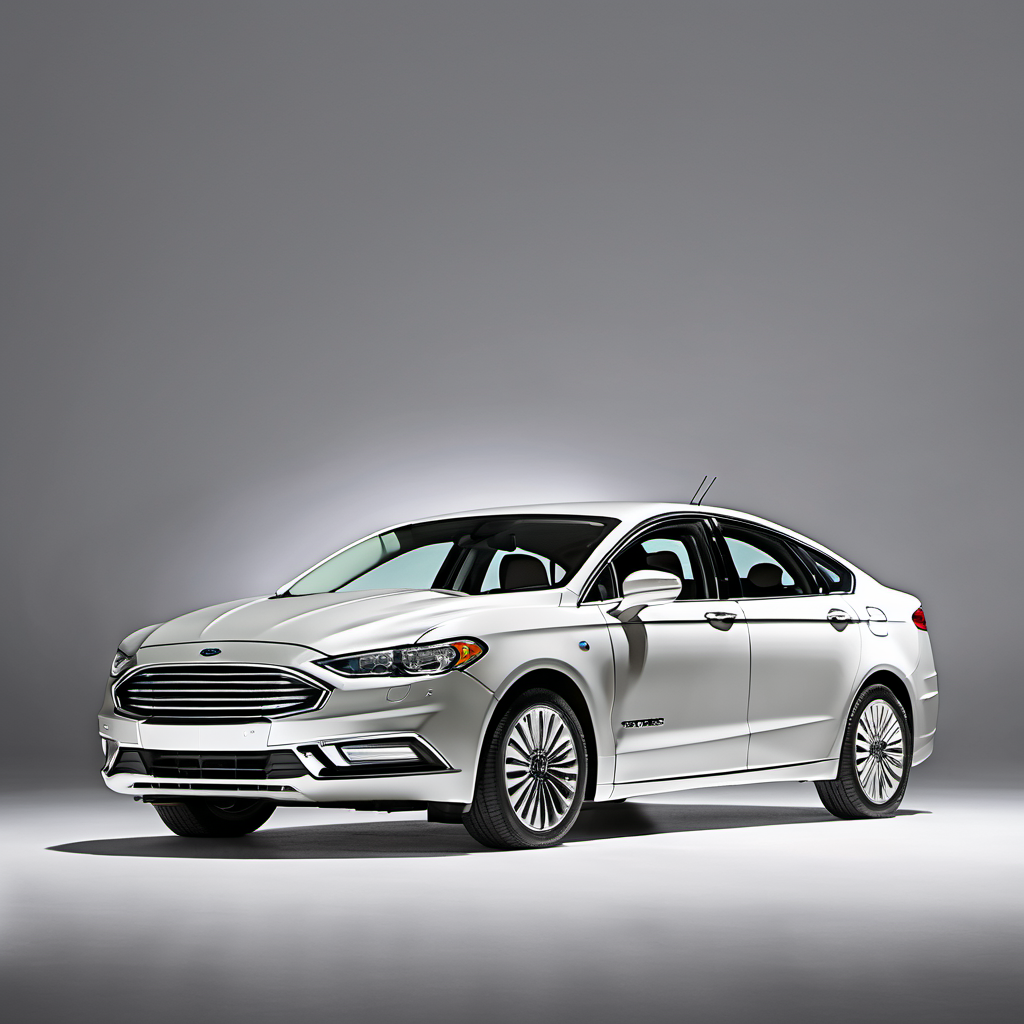
The Fusion is a direct cross-shop — similar size, similar price, available all-wheel drive (which the Malibu lacks). AWD Fusion SE/SEL models are worth considering for Wisconsin winters, though the 1.5T EcoBoost has its own oil dilution issues to screen for.