VCT Phaser / Camshaft Timing System Wear
high- Typically appears
- 60–120k mi
- Estimated repair
- $400 – $1,200
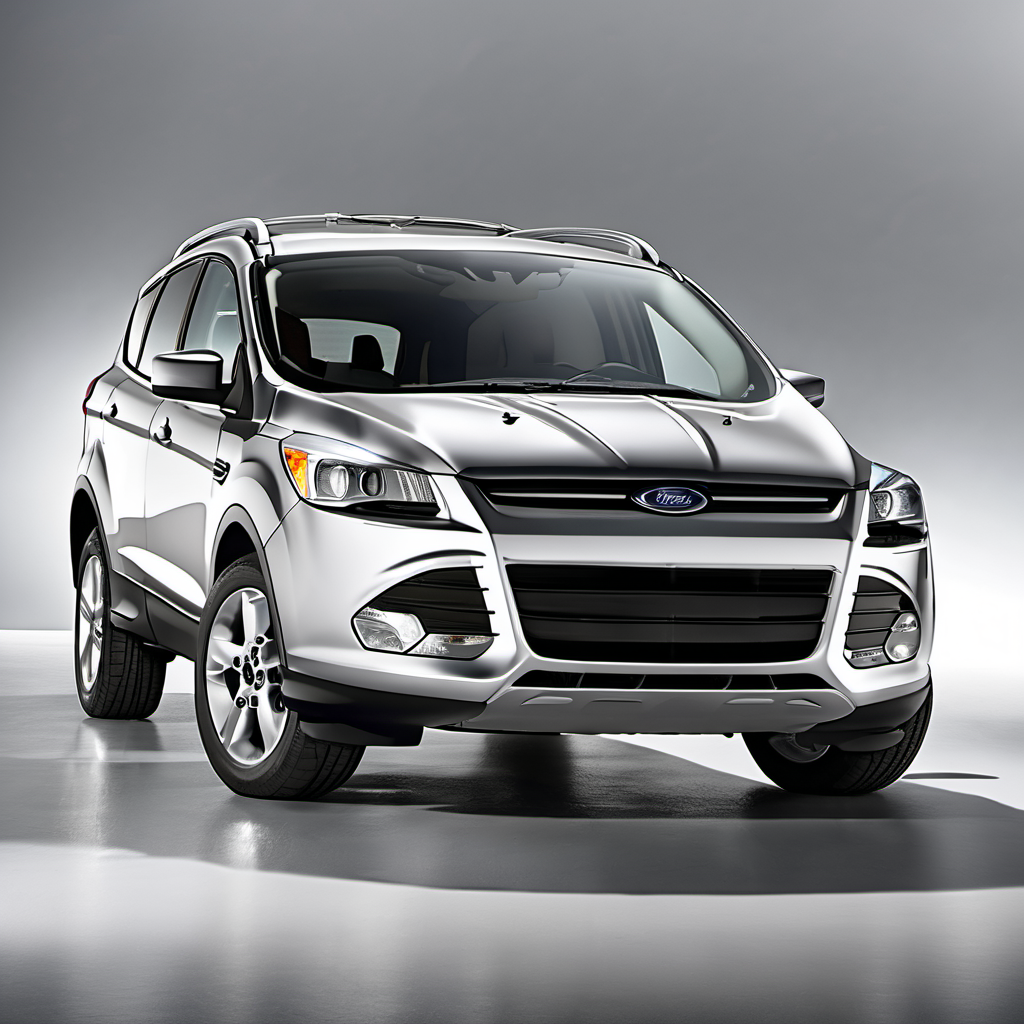
2016 Ford
2.0L I4 EcoBoost · SUV
The 2016 Ford Escape is a compact crossover SUV that sits squarely in the middle of one of the most competitive segments in the market. Ford's second-generation Escape (2013–2019) brought a more car-like driving experience, a turbocharged engine lineup, and a modern interior — a significant departure from the truck-based first gen. By 2016, most early launch gremlins had been sorted, making it one of the stronger years in the run. Engine choices for 2016 include a naturally aspirated 2.5L I4, a 1.5L EcoBoost I4, and a 2.0L EcoBoost I4. The EcoBoost engines offer solid performance and decent fuel economy, but they do add complexity — variable valve timing systems and turbochargers that require diligent maintenance. The 1.5L in particular has a known issue with coolant intrusion into the cylinder, so knowing which engine you have matters. As a daily driver for Wisconsin roads, the available AWD system handles winter conditions well, and the elevated ride height gives it a practical edge over sedans. It's a sensible, comfortable commuter that rewards owners who keep up with oil changes and cooling system maintenance.
The 2016 Ford Escape is a compact crossover SUV that sits squarely in the middle of one of the most competitive segments in the market. Ford's second-generation Escape (2013–2019) brought a more car-like driving experience, a turbocharged engine lineup, and a modern interior — a significant departure from the truck-based first gen. By 2016, most early launch gremlins had been sorted, making it one of the stronger years in the run. Engine choices for 2016 include a naturally aspirated 2.5L I4, a 1.5L EcoBoost I4, and a 2.0L EcoBoost I4. The EcoBoost engines offer solid performance and decent fuel economy, but they do add complexity — variable valve timing systems and turbochargers that require diligent maintenance. The 1.5L in particular has a known issue with coolant intrusion into the cylinder, so knowing which engine you have matters. As a daily driver for Wisconsin roads, the available AWD system handles winter conditions well, and the elevated ride height gives it a practical edge over sedans. It's a sensible, comfortable commuter that rewards owners who keep up with oil changes and cooling system maintenance.
EcoBoost VCT phasers and solenoids depend on clean, pressurized oil. Stretching oil intervals is the #1 cause of expensive timing system failures on this engine family.
Ford originally didn't list this as a serviceable item, but the PTU fluid degrades and low/dirty fluid causes rear drive unit failures. This is especially important on AWD models.
Critical on 1.5L EcoBoost engines due to the coolant intrusion TSB. On all engines, the cooling system should be verified clean — contaminated coolant can mask early head gasket issues.
EcoBoost engines run higher cylinder pressures, and worn plugs cause misfires that are harder on the turbo and ignition coils. Don't push to 100k on these engines.
Brake fluid absorbs moisture over time, lowering boiling point. In Wisconsin winters with heavy brake use on icy roads, fresh fluid is cheap insurance.
Road salt in Lake Geneva and throughout WI aggressively attacks brake lines, fuel lines, and frame. Catching surface rust early prevents catastrophic brake line failure.
Clogged cabin filters reduce defrost/heat effectiveness — a real problem in Wisconsin winters. Easy DIY replacement.
AWD systems wear unevenly with tire size mismatches. Regular rotation extends tire life and protects the AWD clutch pack from premature wear.
Always defer to the manufacturer's service manual for warranty-mandated intervals.
The Escape is a reasonably affordable vehicle to own day-to-day if maintenance isn't deferred. The danger zone is neglected EcoBoost timing components — a phaser job or head gasket repair can easily run $3,000–$6,000 and wipe out years of savings. Budget conservatively and keep oil change records.
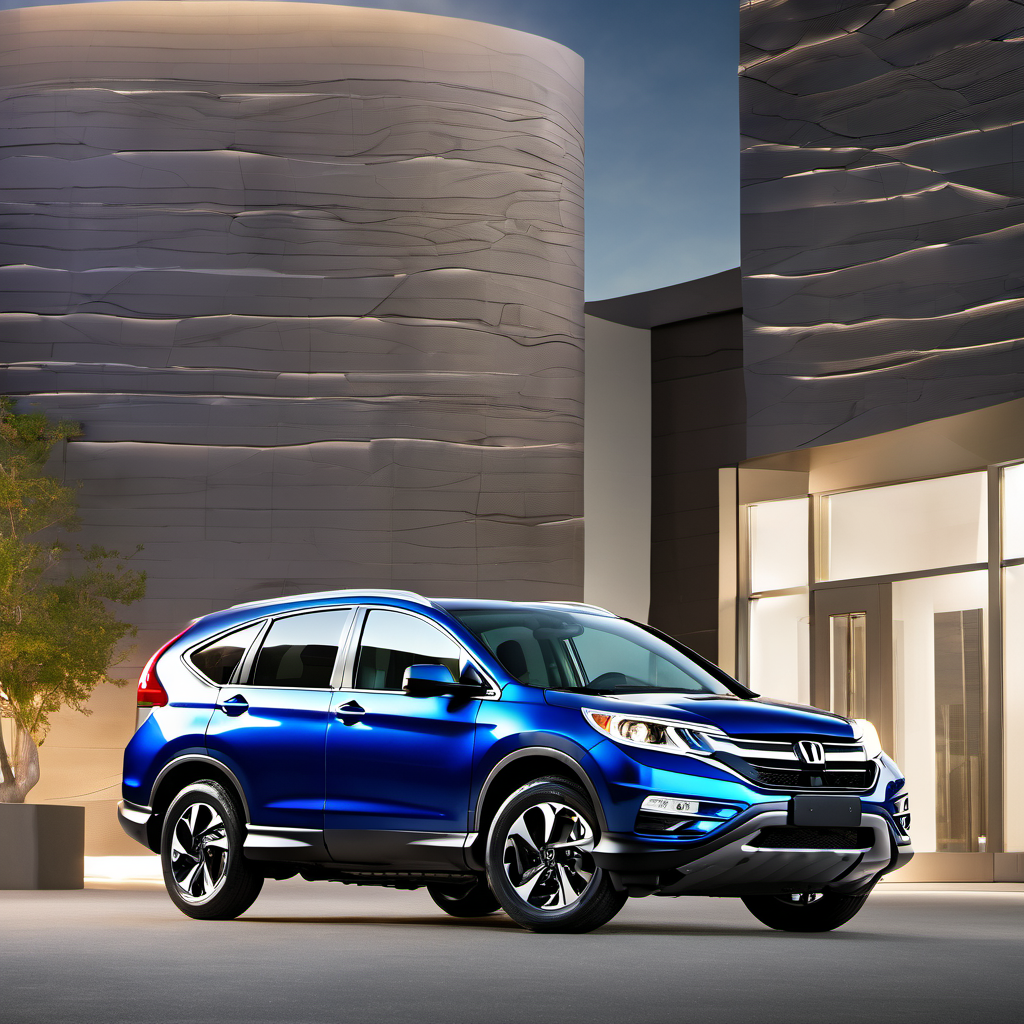
The CR-V is the benchmark in compact SUVs — slightly more conservative styling but outstanding long-term reliability, better resale value, and a simpler naturally aspirated (or 2017+ turbocharged) engine. A direct size and price competitor.
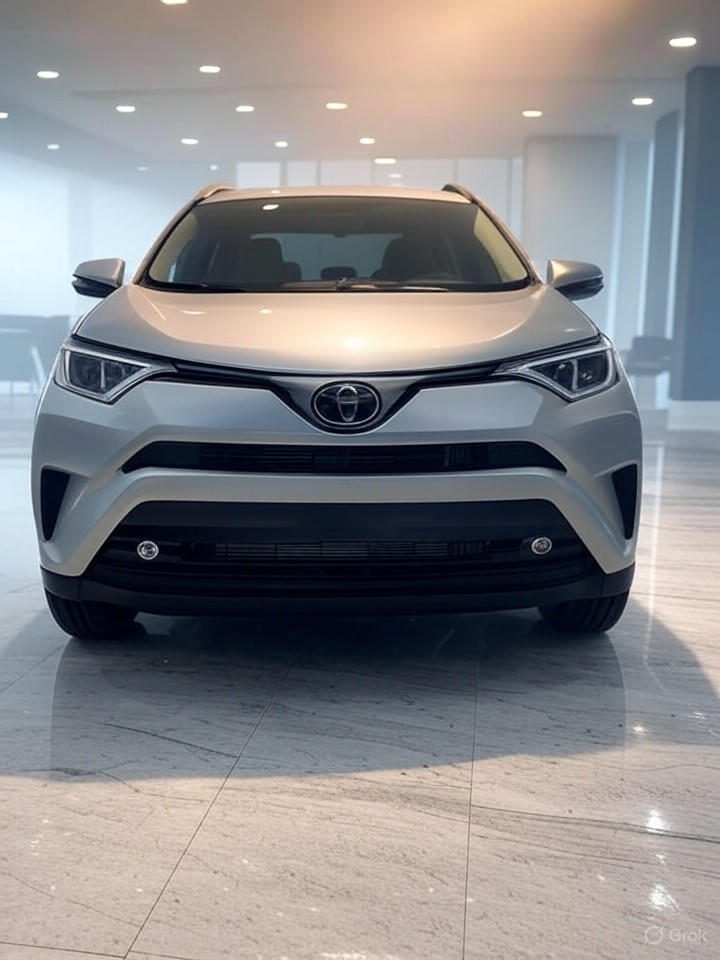
RAV4 matches the Escape in cargo space and AWD capability while offering Toyota's well-earned reliability reputation. Less fun to drive, but fewer expensive surprises. Strong choice for longevity-focused buyers.
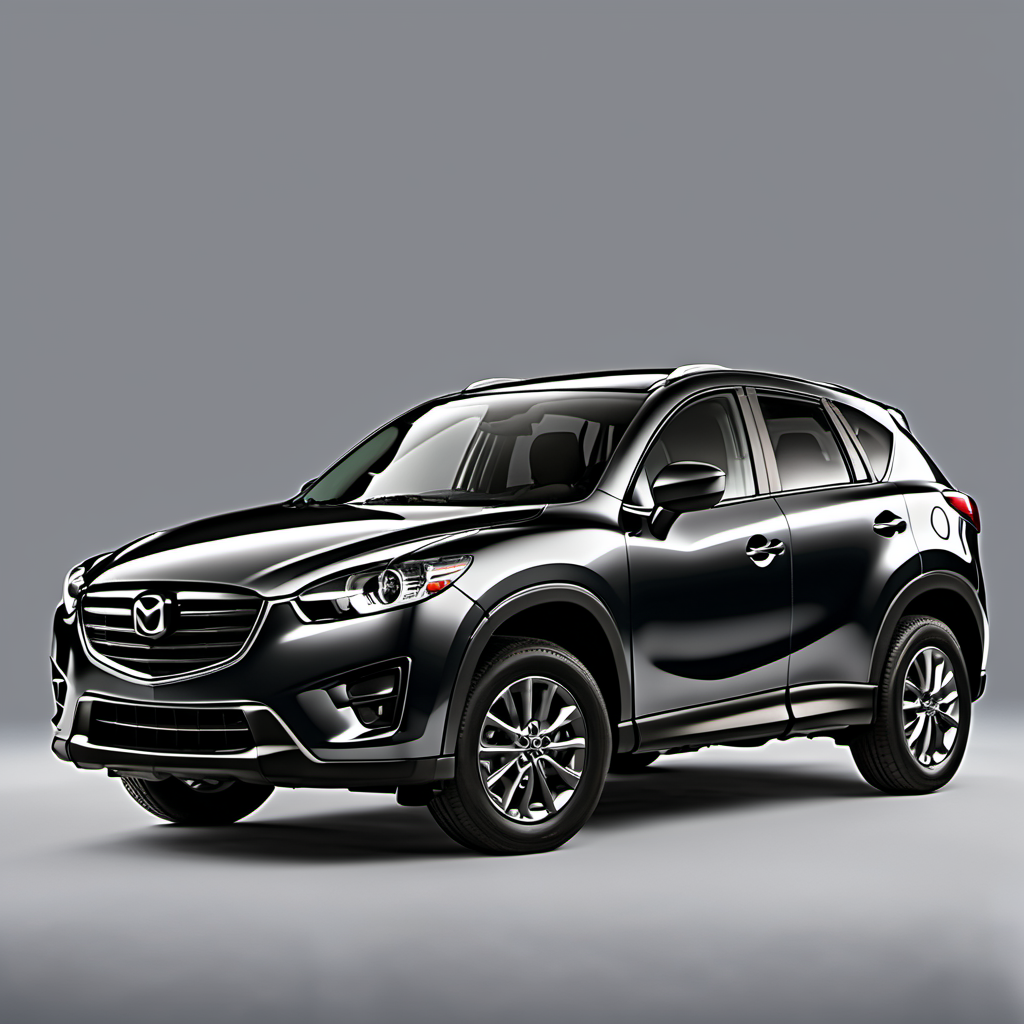
The CX-5 competes directly on price and size, with best-in-class driving dynamics for the segment and Mazda's above-average reliability record. The SkyActiv engine is simpler and more durable than EcoBoost. Worth a strong look.
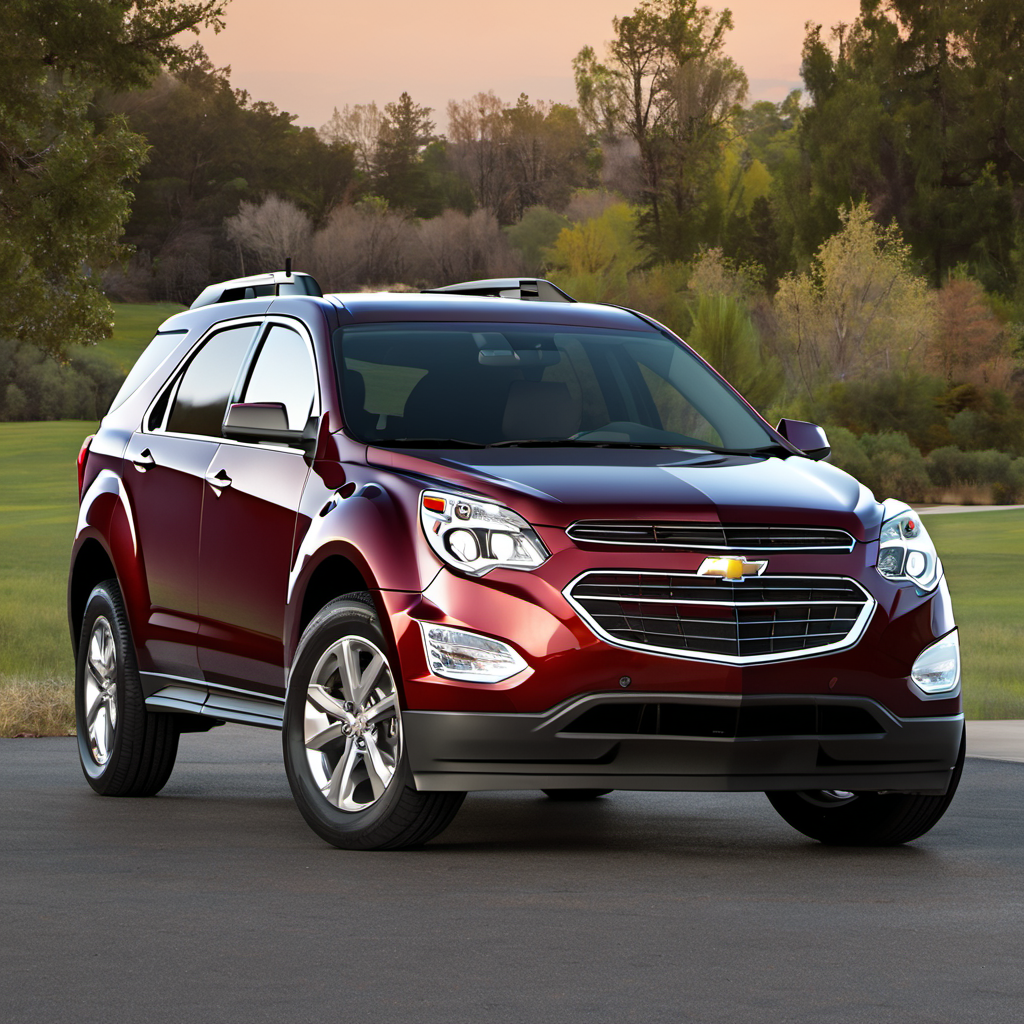
Slightly larger than the Escape, priced similarly used, and widely serviced across Wisconsin. The 2.4L naturally aspirated engine is more straightforward than EcoBoost. Not as sporty but a practical, comparable alternative.