VTC Actuator Rattle / Camshaft Timing Fault at Cold Start
medium- Typically appears
- 60–120k mi
- Estimated repair
- $300 – $700
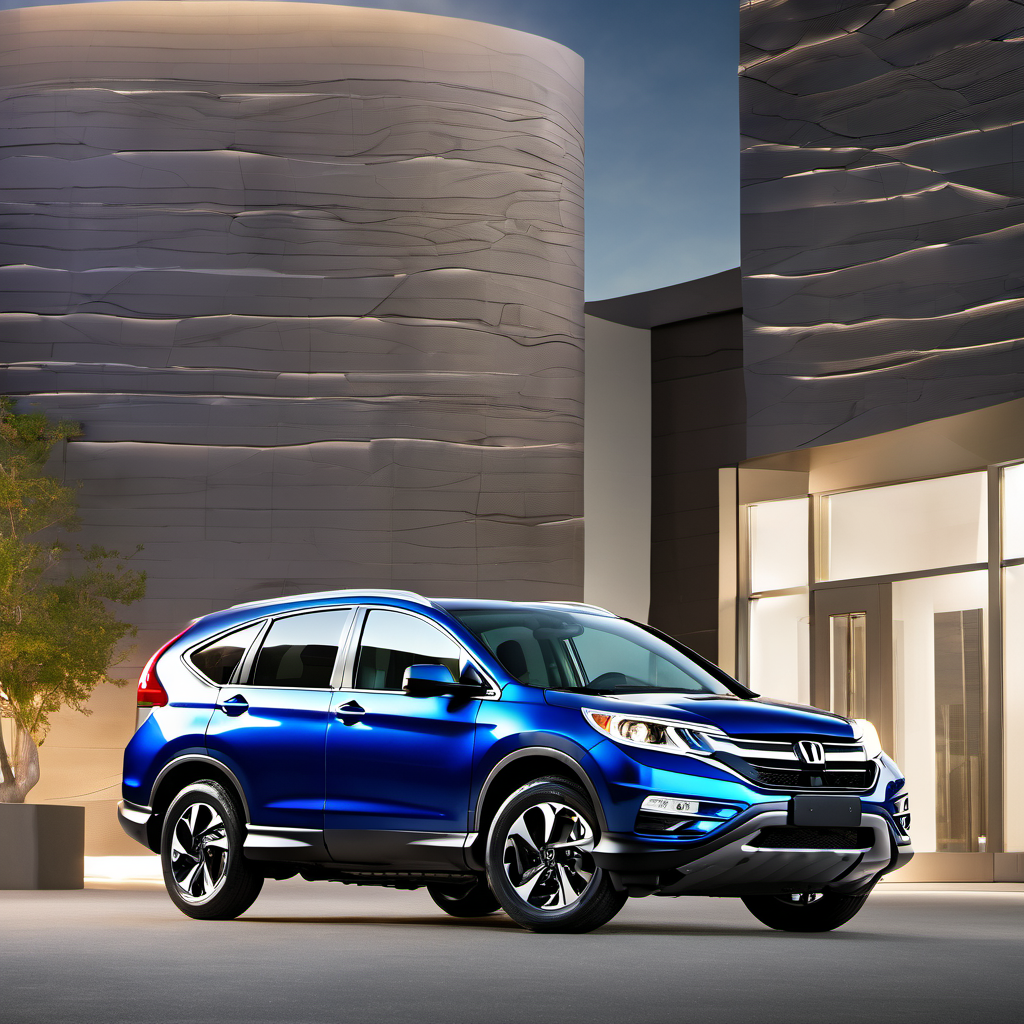
2016 Honda
2.4L I4 i-VTEC · SUV
The 2016 Honda CR-V is the fourth generation of Honda's best-selling compact crossover, a nameplate that has earned a loyal following for its practicality, fuel efficiency, and long-term durability. This model year sits near the end of the fourth-gen run (2012–2016) and benefits from years of refinement, offering a roomy cabin, a well-executed AWD system, and one of the most cargo-friendly interiors in the segment. Powered by a 2.4L four-cylinder paired with a CVT, the 2016 CR-V is not a performance machine — it's engineered for commuting, family duties, and weekend errands without drama. The Earth Dreams engine is smooth and reasonably efficient, though it does require consistent oil change discipline to keep the i-VTEC variable valve timing system healthy. For buyers in the upper Midwest, the AWD-equipped CR-V is a solid winter vehicle. Ground clearance is adequate for normal Wisconsin winters, and Honda's Real Time AWD system adds meaningful traction on snow-covered roads. This generation does have a known oil dilution quirk that became more pronounced on the turbocharged fifth-gen; on the 2016 2.4L it's less of a concern but still worth monitoring.
The 2016 Honda CR-V is the fourth generation of Honda's best-selling compact crossover, a nameplate that has earned a loyal following for its practicality, fuel efficiency, and long-term durability. This model year sits near the end of the fourth-gen run (2012–2016) and benefits from years of refinement, offering a roomy cabin, a well-executed AWD system, and one of the most cargo-friendly interiors in the segment. Powered by a 2.4L four-cylinder paired with a CVT, the 2016 CR-V is not a performance machine — it's engineered for commuting, family duties, and weekend errands without drama. The Earth Dreams engine is smooth and reasonably efficient, though it does require consistent oil change discipline to keep the i-VTEC variable valve timing system healthy. For buyers in the upper Midwest, the AWD-equipped CR-V is a solid winter vehicle. Ground clearance is adequate for normal Wisconsin winters, and Honda's Real Time AWD system adds meaningful traction on snow-covered roads. This generation does have a known oil dilution quirk that became more pronounced on the turbocharged fifth-gen; on the 2016 2.4L it's less of a concern but still worth monitoring.
The i-VTEC system's VTC actuator and oil control solenoids depend on clean oil. Dirty oil is the top cause of timing-related codes and actuator wear on this engine.
Honda specs CVT fluid as 'lifetime' but real-world experience shows degraded fluid causes shudder and early wear. Use only Honda HCF-2 — off-spec fluid can damage the CVT.
The 2.4L uses iridium plugs with a 30k interval on this generation. Worn plugs cause misfires, reduced fuel economy, and excess stress on ignition coils.
This engine uses a timing chain (not a belt), which is durable with clean oil but can stretch if oil changes are neglected. Inspect if VTC rattle is present at startup.
Salt accelerates caliper slide corrosion. Seized slides cause uneven pad wear and premature rotor damage. A few minutes of inspection each spring pays for itself.
A marginal battery that starts fine in October can fail to crank in January sub-zero temps. Load-test in September or October to get ahead of a winter no-start.
Wisconsin road salt attacks brake lines, subframe, and heat shields. Routine washing removes salt before it has time to corrode and keeps costly repairs at bay.
The rear differential in the Real Time AWD system has its own fluid that degrades over time. Neglected fluid leads to differential wear and engagement problems in slippery conditions — exactly when you need it most.
Always defer to the manufacturer's service manual for warranty-mandated intervals.
The 2016 CR-V is one of the more affordable compact crossovers to own long-term. Routine maintenance costs are low when kept on schedule. The big cost risks are a neglected CVT, deferred timing system work, and salt-induced underbody rust — all of which are avoidable with consistent upkeep. Total annual cost of ownership (fuel + insurance + maintenance) typically runs $3,200–$4,500 for a well-maintained example.
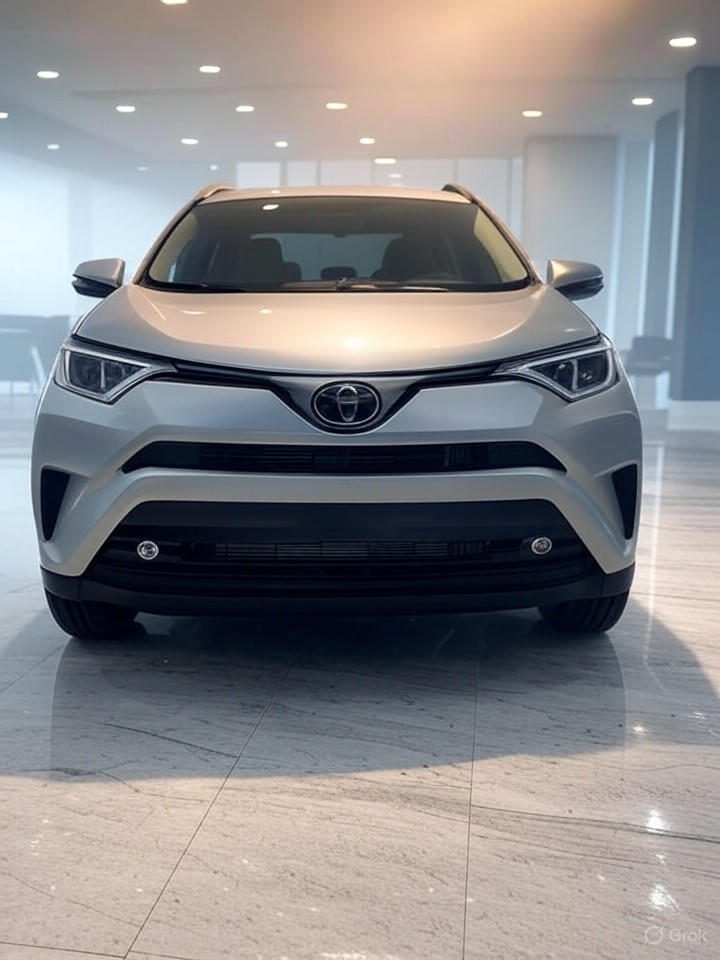
Direct segment rival with similar AWD capability and proven reliability. The RAV4's 2.5L engine is slightly less refined but equally durable; cargo space and pricing are nearly identical.
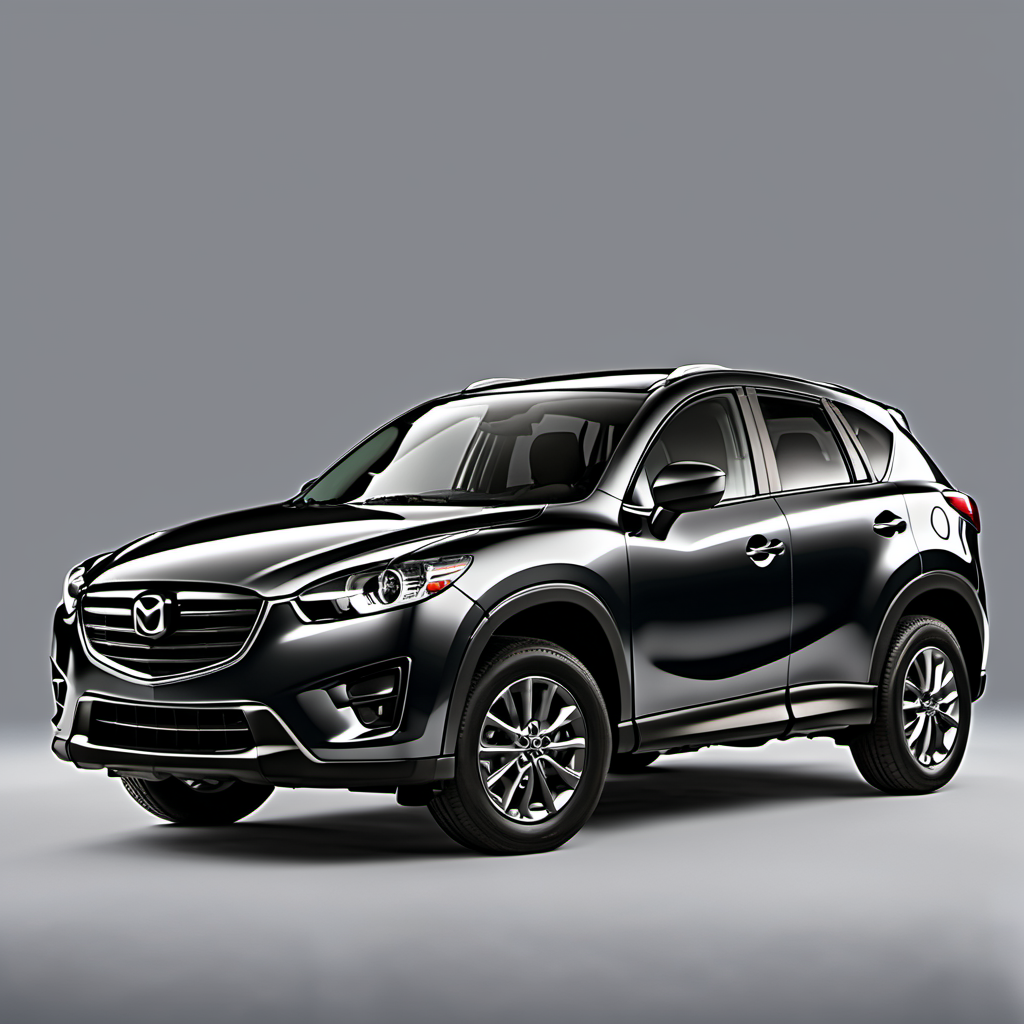
Sportier driving dynamics and excellent reliability. The CX-5 is slightly smaller inside but has a more engaging driving feel and strong resale value. A great alternative for drivers who want more road feedback.

Competitive pricing and available AWD. The Escape's 1.6T and 2.0T EcoBoost engines offer more power but carry more maintenance complexity than the CR-V's naturally aspirated 2.4L.
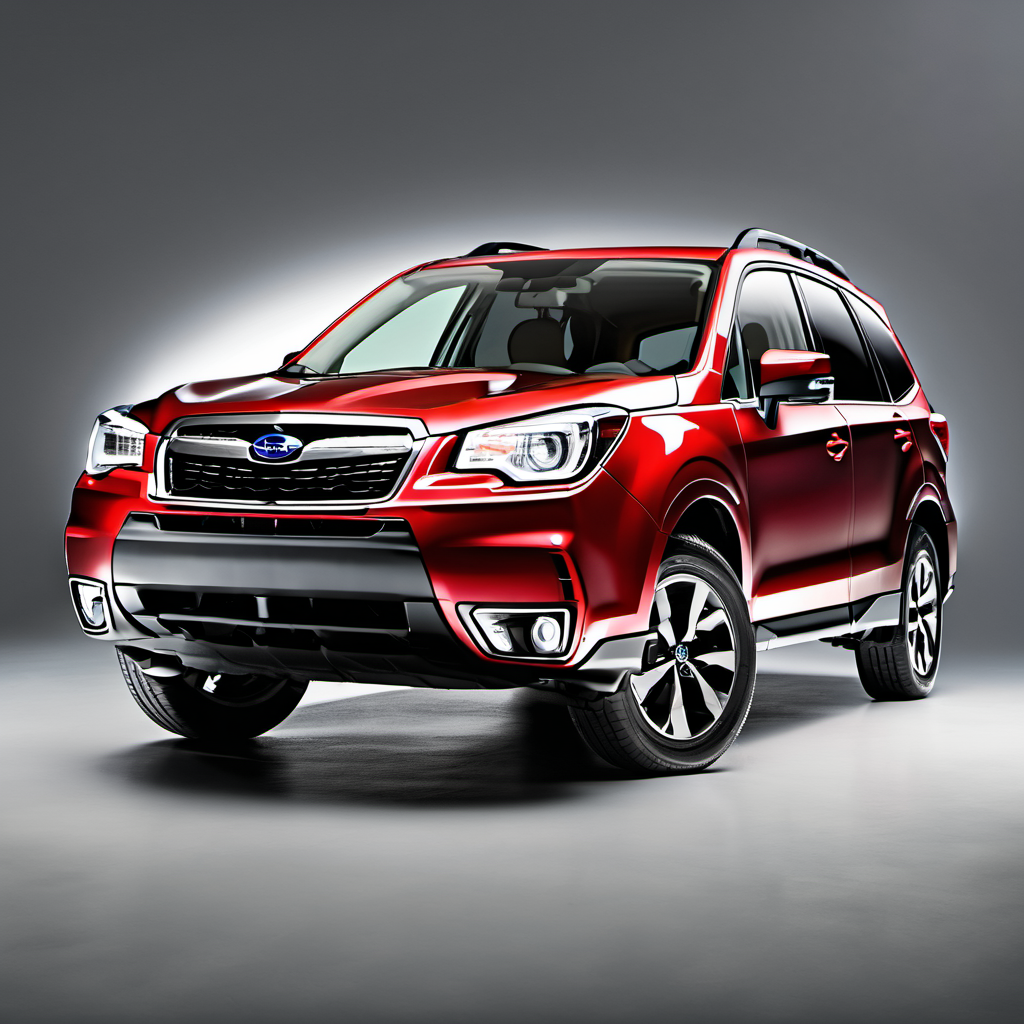
Standard AWD on every trim (a step up from CR-V's AWD-optional base trim) and excellent winter traction. The Forester's symmetrical AWD is more capable in deep snow, though head gasket history on older Subarus should be verified on high-mileage examples.