VVT Cam Phaser / Timing System Failure
medium- Typically appears
- 80–130k mi
- Estimated repair
- $800 – $2,200
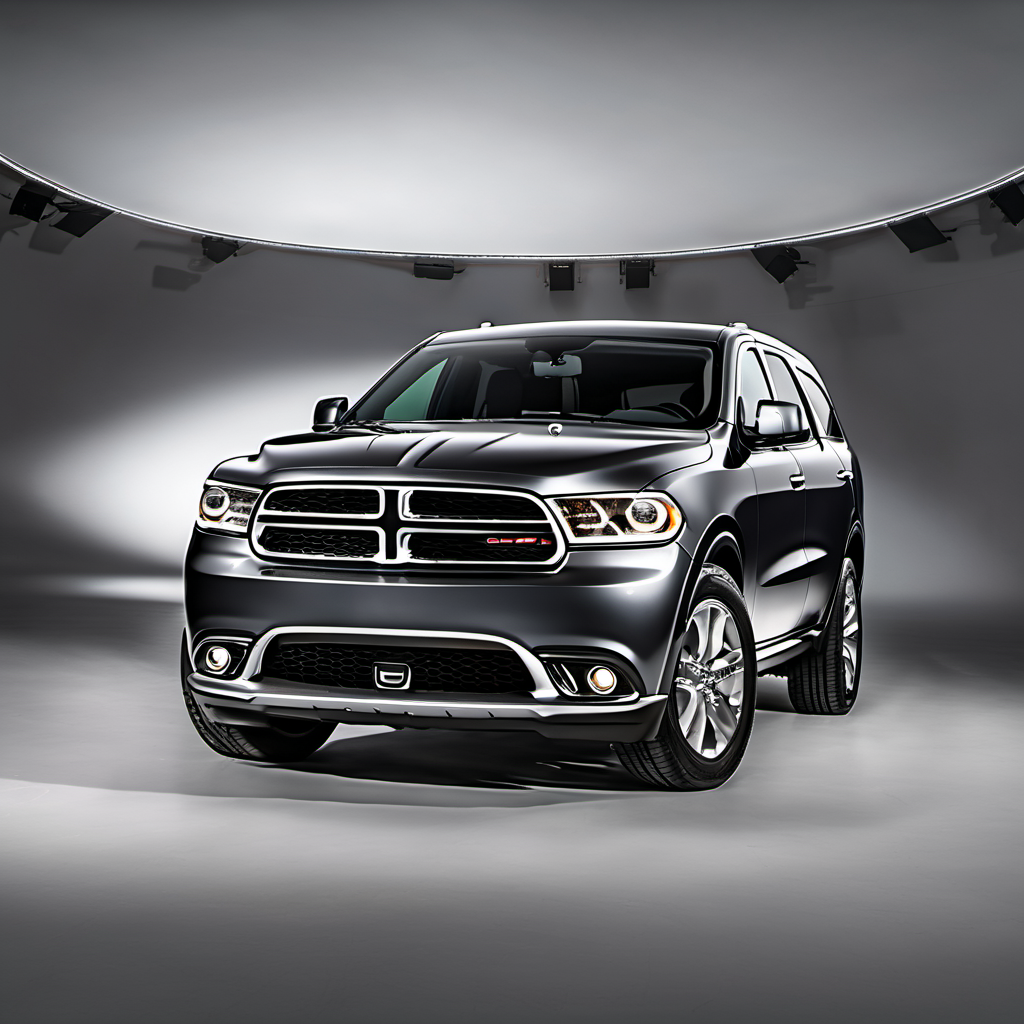
2016 Dodge
SUV
The 2016 Dodge Durango is a three-row, body-on-frame-inspired unibody SUV built on FCA's LX platform. It punches above its weight in cabin space and towing capacity for the class, offering up to 6,200 lbs of tow rating with the standard 3.6L Pentastar V6. It sits in a sweet spot for families that need seven seats, real cargo room, and optional AWD — though the RWD base configuration is common in Sun Belt markets and on used lots. The Pentastar 3.6L V6 is a workhorse engine found across the FCA lineup and has a strong long-term track record when maintained properly — specifically with regular oil changes. The 8-speed automatic paired to it shifts smoothly and is generally reliable. Fuel economy is reasonable for the segment at 19/26 mpg. As a used buy, the 2016 model year is generally solid, but it shares the Pentastar's known VVT (variable valve timing) sensitivity to oil sludge. Buyers in Wisconsin should also budget for undercarriage rust inspection, as these trucks see real winters. Trim levels range from base SXT through R/T and Citadel, so features vary widely.
The 2016 Dodge Durango is a three-row, body-on-frame-inspired unibody SUV built on FCA's LX platform. It punches above its weight in cabin space and towing capacity for the class, offering up to 6,200 lbs of tow rating with the standard 3.6L Pentastar V6. It sits in a sweet spot for families that need seven seats, real cargo room, and optional AWD — though the RWD base configuration is common in Sun Belt markets and on used lots. The Pentastar 3.6L V6 is a workhorse engine found across the FCA lineup and has a strong long-term track record when maintained properly — specifically with regular oil changes. The 8-speed automatic paired to it shifts smoothly and is generally reliable. Fuel economy is reasonable for the segment at 19/26 mpg. As a used buy, the 2016 model year is generally solid, but it shares the Pentastar's known VVT (variable valve timing) sensitivity to oil sludge. Buyers in Wisconsin should also budget for undercarriage rust inspection, as these trucks see real winters. Trim levels range from base SXT through R/T and Citadel, so features vary widely.
The Pentastar VVT system is acutely sensitive to oil quality and interval. Stretching changes leads directly to cam phaser and solenoid damage. This is the single most important service on this engine.
The 8-speed automatic calls for fluid changes more often than the owner's manual suggests under real-world towing and temperature stress. Fresh fluid prevents shudder and extends clutch pack life.
The Pentastar is factory spec'd for 30k plug intervals — not 60k or 100k. Fresh plugs maintain clean combustion and protect the VVT system from misfires that can spike oil temperatures.
Belt failure leaves you stranded and can take out the water pump on this configuration. Budget preventive replacement before it cracks.
Degraded coolant corrodes aluminum components in the Pentastar's cooling system. Maintain proper freeze protection for Wisconsin winters — test for –34°F or lower protection.
Salt corrosion on brake lines is a documented safety hazard on upper-Midwest Durangos. Annual inspection lets you catch soft lines, bubbling, or pinhole leaks before they become a brake-loss event.
The Durango's electrical system (TIPM included) is sensitive to low voltage. A marginal battery in –10°F temperatures can trigger TIPM faults and no-start conditions. Test and replace proactively after 4–5 years.
Often overlooked on used vehicles. Contaminated fluid causes premature transfer case wear, which is an expensive repair. Check the maintenance history on any used purchase and service if unknown.
Always defer to the manufacturer's service manual for warranty-mandated intervals.
The Durango is a mid-cost-to-own vehicle when maintained proactively. Routine service (oil, plugs, transmission fluid, brakes) is straightforward at an independent shop. The risk category is deferred maintenance — a Durango that missed oil changes becomes expensive fast via VVT repairs. Budget an extra $500–$800 on a used purchase for a full inspection and any overdue services.
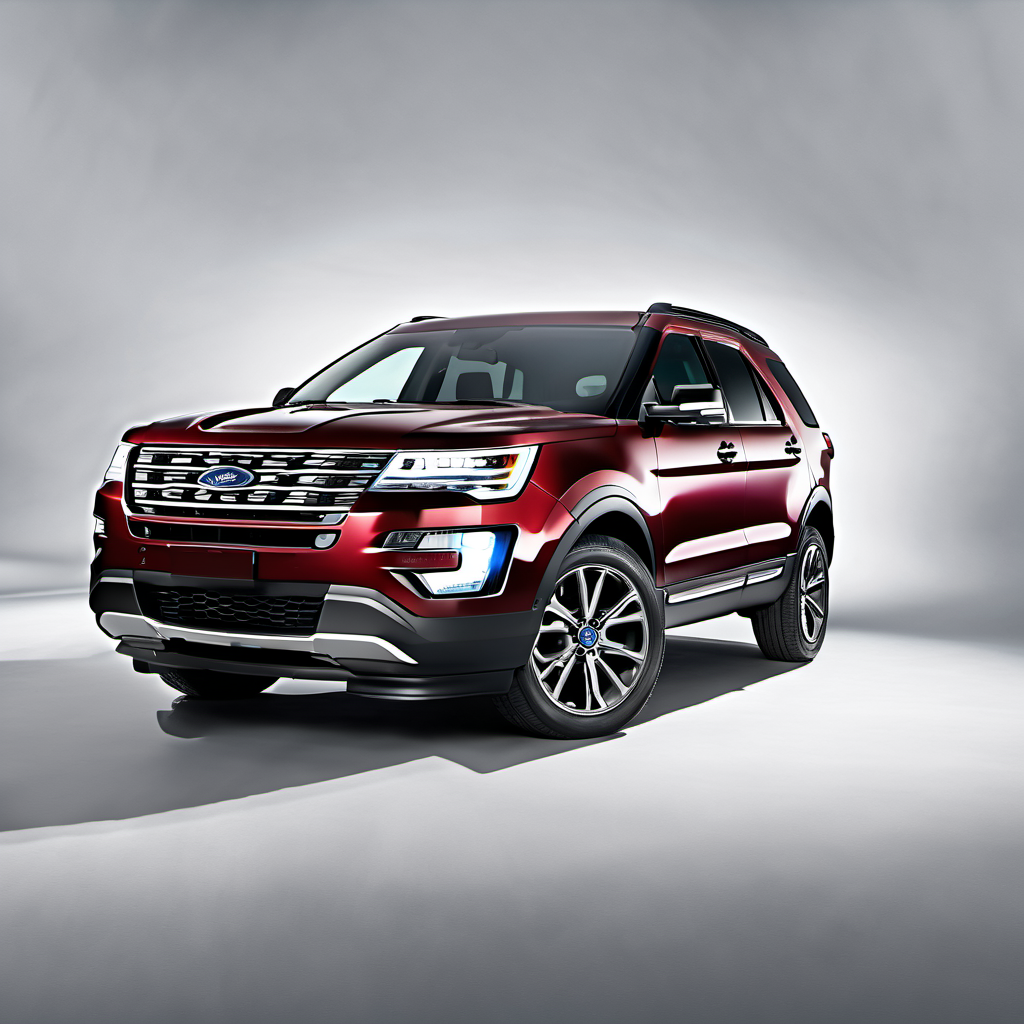
Direct three-row midsize SUV competitor. Better reliability reputation in this generation, similar pricing used, but less towing capacity and less driver-engagement feel than the Durango.
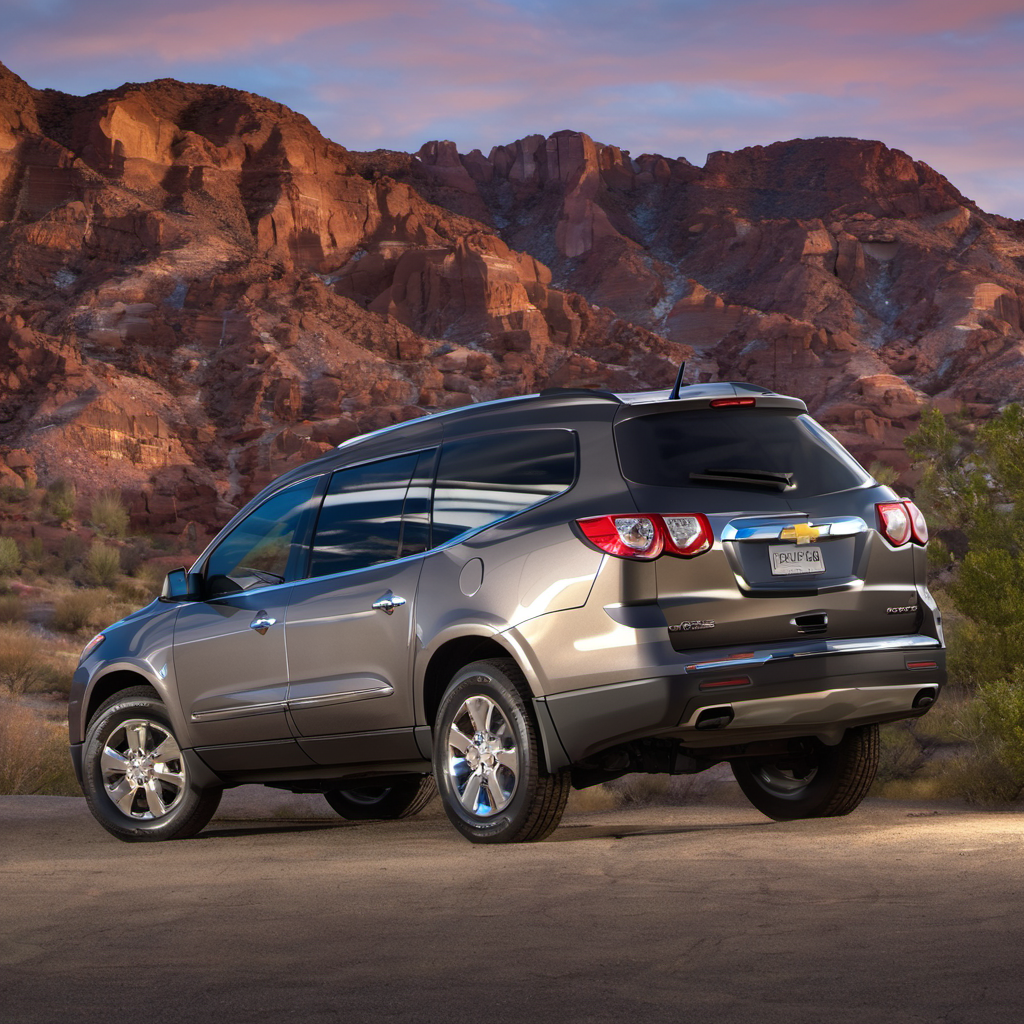
Three-row crossover with a strong reliability record. More minivan-like in feel, lower tow rating, but excellent passenger space and a simpler drivetrain that holds up well long-term.
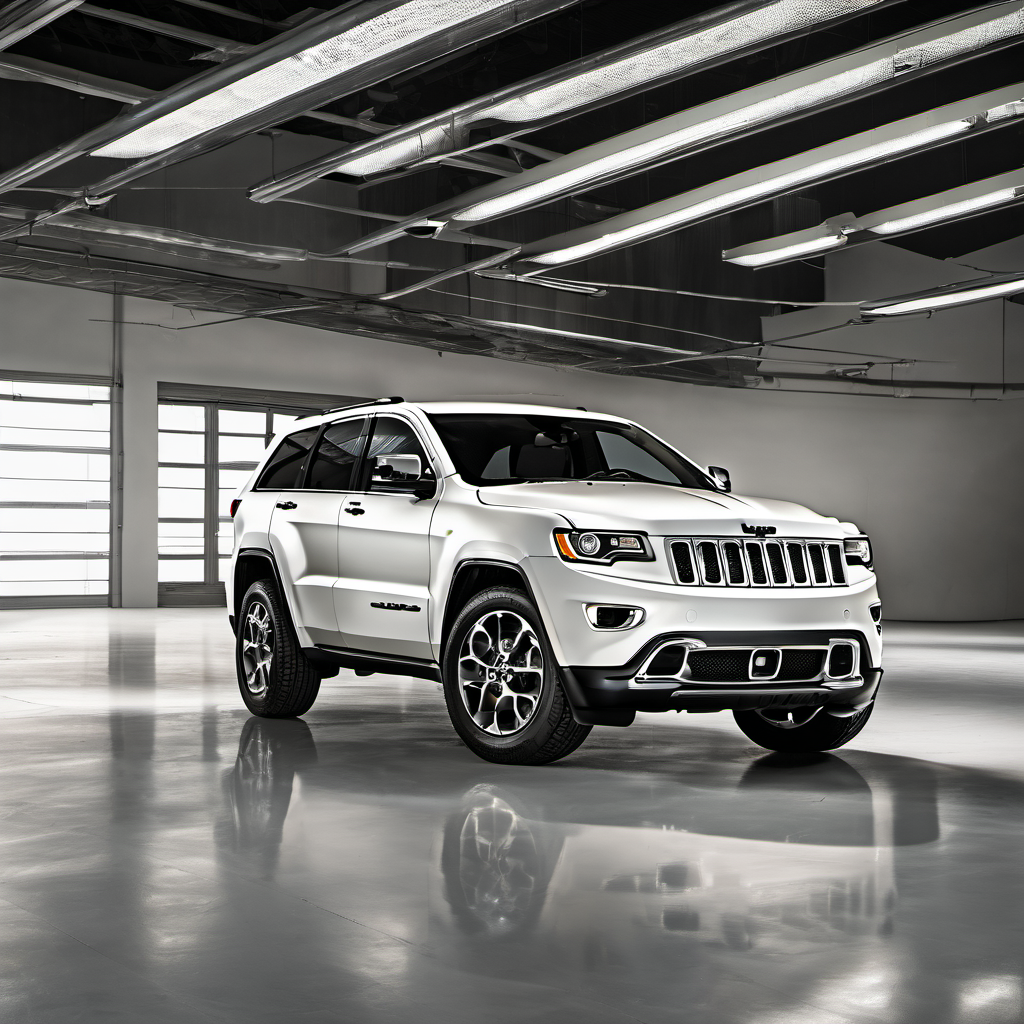
Shares the same Pentastar V6 and 8-speed auto on the same FCA platform. Two rows only, but similar ownership experience, parts interchangeability, and a strong used-market value proposition.
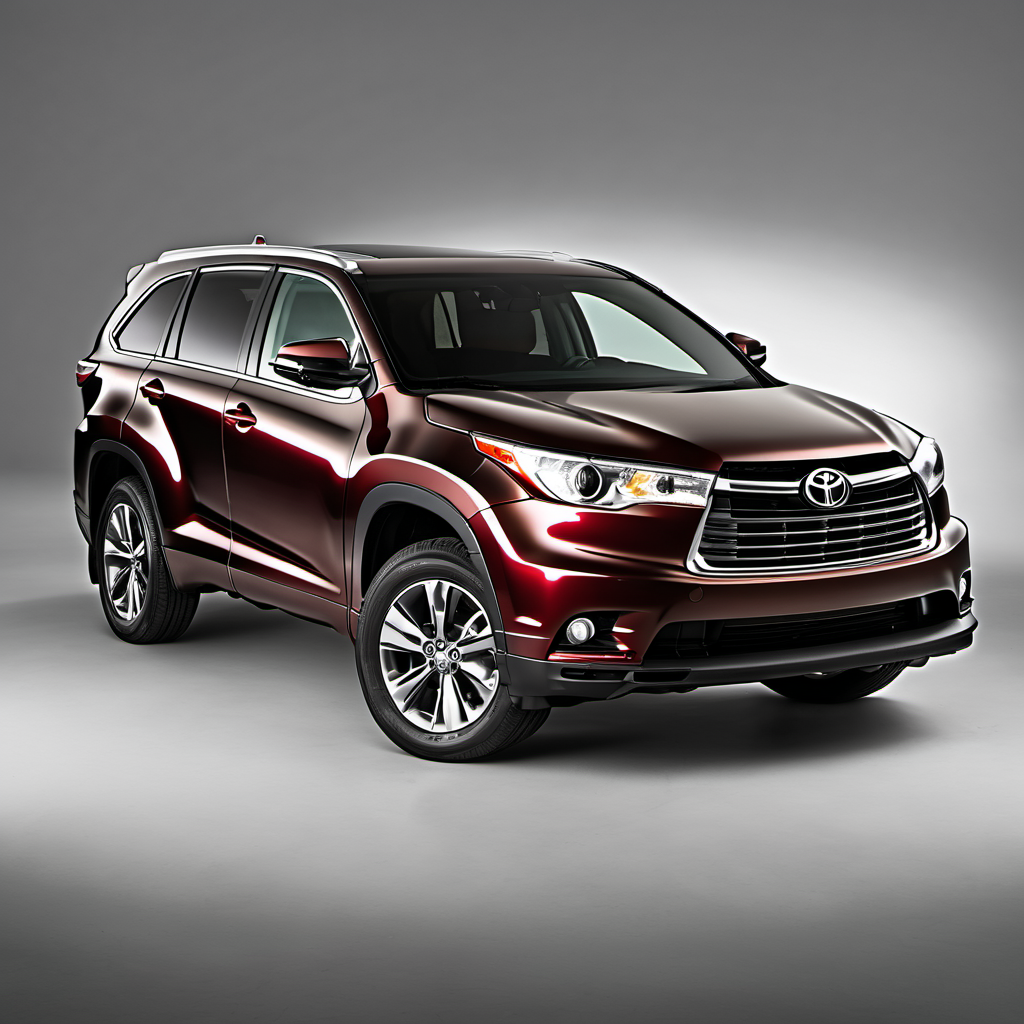
Top reliability pick in the three-row midsize segment. Lower tow rating and less personality than the Durango, but significantly lower long-term repair risk and stronger resale value.