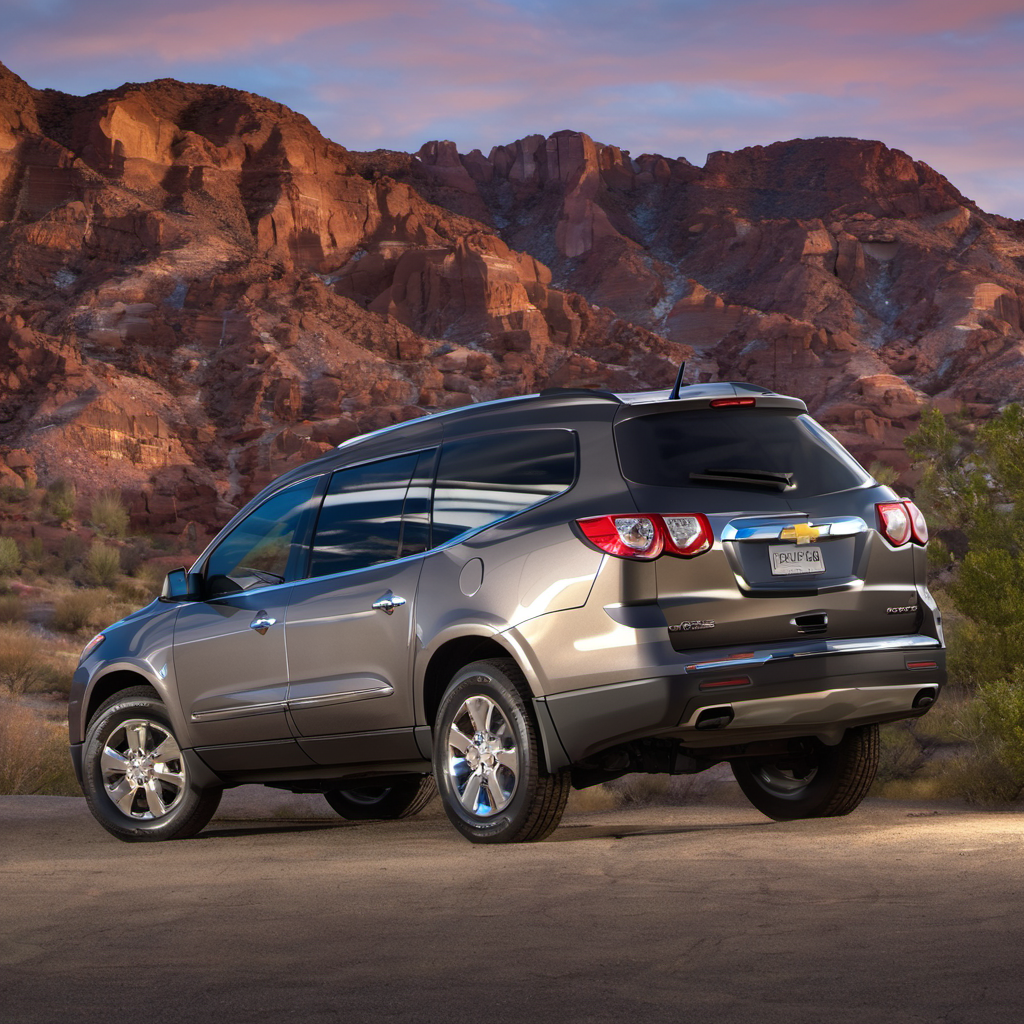
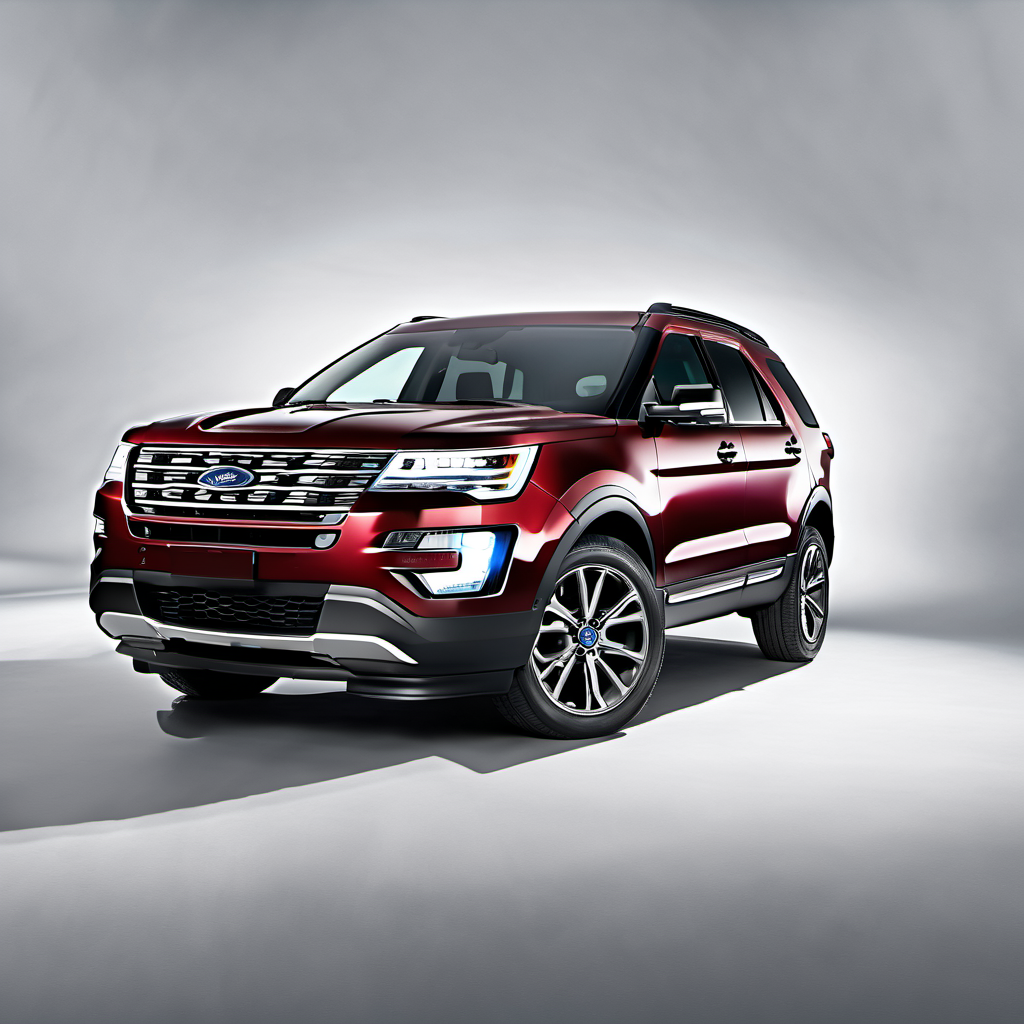
2016 Chevrolet Traverse SUV
Popular pick

2016 Chevrolet

TraverseSUV

3.6L V6 DOHC 24V · SUV

The 2016 Chevrolet Traverse is a three-row, front-wheel-drive crossover SUV built on GM's Lambda platform. It seats up to eight passengers and is powered by a 3.6L V6, making it one of the more spacious and affordable family haulers in its class. By 2016, the first-generation Traverse was a mature product with known strengths and known weaknesses — it's a reliable family workhorse when maintained, but the 3.6L VVT system demands attention. The Traverse punches above its weight on interior space and passenger comfort, offering genuine three-row usability where many competitors compromise the third row. Cargo capacity behind the third row is class-competitive, and the ride is smooth enough for long highway trips. The MyLink infotainment system was acceptable for its era but feels dated by current standards. The main things to watch on a used 2016 Traverse are the timing chain system, oil consumption from the 3.6L, and the power liftgate/sunroof mechanisms that tend to act up past 80k miles. AWD was an option on this vehicle — if you're in Wisconsin, the AWD variant is strongly preferred over FWD.

Reliability
3/5
Verified data
Specs shown for Traverse FWD — the most common configuration. Other trims may vary in engine, drivetrain, or fuel economy. Sign in to see your vehicle's exact specs.
Engine
[object Object]
Drivetrain
FWD/Front-Wheel Drive
Fuel
Gasoline
MPG
15 city / 22 highway
Seats
8
Doors
4
Body
SUV
MSRP
$28,700

Overview

AI-curated

The 2016 Chevrolet Traverse is a three-row, front-wheel-drive crossover SUV built on GM's Lambda platform. It seats up to eight passengers and is powered by a 3.6L V6, making it one of the more spacious and affordable family haulers in its class. By 2016, the first-generation Traverse was a mature product with known strengths and known weaknesses — it's a reliable family workhorse when maintained, but the 3.6L VVT system demands attention. The Traverse punches above its weight on interior space and passenger comfort, offering genuine three-row usability where many competitors compromise the third row. Cargo capacity behind the third row is class-competitive, and the ride is smooth enough for long highway trips. The MyLink infotainment system was acceptable for its era but feels dated by current standards. The main things to watch on a used 2016 Traverse are the timing chain system, oil consumption from the 3.6L, and the power liftgate/sunroof mechanisms that tend to act up past 80k miles. AWD was an option on this vehicle — if you're in Wisconsin, the AWD variant is strongly preferred over FWD.

Known for
  • Genuine 8-passenger seating with usable third row
  • Smooth, highway-comfortable ride quality
  • 3.6L V6 with strong power output when healthy
  • Spacious cargo area and family-friendly layout
Best for
  • Large families needing three-row seating
  • Highway commuters and road-trip families
  • Budget-conscious buyers who need max interior space
  • Buyers prioritizing comfort over off-road capability
Watch for
  • Timing chain and VVT system issues on the 3.6L — can be expensive
  • Oil consumption between changes; check level regularly
  • FWD-only base trims are a liability in Wisconsin winters
  • Power liftgate and panoramic sunroof electrical gremlins
  • Transmission cooler line leaks as mileage climbs

Common issues by mileage

6 known

Oil Consumption (3.6L DOHC)

medium
Typically appears
60–120k mi
Estimated repair
$50 – $300

Intake Manifold / Valve Carbon Buildup (Direct Injection)

medium
Typically appears
80–130k mi
Estimated repair
$300 – $700

Power Liftgate Motor or Switch Failure

medium
Typically appears
70–120k mi
Estimated repair
$200 – $600

Transmission Cooler Line Leak

medium
Typically appears
90–160k mi
Estimated repair
$150 – $450

Oxygen Sensor / VVT Solenoid Circuit Faults

low
Typically appears
70–130k mi
Estimated repair
$150 – $500

Maintenance schedule

  1. 1
    Every 5,000–6,000 miles (do not rely solely on the oil life monitor) Engine oil and filter change

    The 3.6L's timing chain and VVT system are highly sensitive to oil quality and level. Low or dirty oil accelerates chain stretch and actuator wear — the single most expensive failure on this engine. Check the dipstick monthly.

  2. 2
    Every 45,000 miles Transmission fluid change

    GM extended the factory drain interval, but in real-world towing or hilly Wisconsin terrain the fluid degrades faster. Fresh fluid protects the 6T70 transmission and cooler lines.

  3. 3
    Every 60,000 miles Spark plug replacement

    The 3.6L runs iridium plugs with a 100k GM spec, but independent shops see misfires and rough idle when plugs go past 60k in higher-mileage engines. Replacing at 60k is cheap insurance.

  4. 4
    Every 5 years or 150,000 miles (DEX-COOL) Coolant system inspection and flush

    DEX-COOL degrades and can cause corrosion in the water pump and heater core. Water pump failure is a known issue on the 3.6L; inspect it during any timing chain service.

  5. 5
    Every 60,000–80,000 miles Intake valve cleaning (walnut blasting or chemical soak)

    Direct injection means fuel never washes the intake valves. Carbon deposits restrict airflow and cause rough idle or misfires. Budget for this at your first major service interval.

  6. 6
    Every 2–3 years Brake fluid flush

    Brake fluid absorbs moisture over time. In Wisconsin's freeze-thaw cycles, degraded fluid raises the risk of corrosion inside ABS modulators and calipers.

  7. 7
    Every spring (after winter salt season) Underbody and brake line inspection for rust

    Lake Geneva roads are heavily salted. The Traverse's brake lines, fuel lines, and subframe are vulnerable to accelerated corrosion. Catching rust early is far cheaper than a failed brake line.

  8. 8
    Every 6,000–7,500 miles Tire rotation

    FWD models wear front tires faster. Even wear extends tire life and improves winter traction — critical before the first snowfall.

Always defer to the manufacturer's service manual for warranty-mandated intervals.

Cost of ownership

Annual maintenance
$700 – $1,400
Fuel
At 18 MPG combined and ~15,000 miles/year, expect roughly $1,900–$2,400/year in fuel costs at typical Wisconsin pump prices. Mostly city/suburban driving will push you toward the lower end of the MPG range.
Insurance
Typically $1,100–$1,600/year for a three-row family SUV in southeastern Wisconsin for a driver with a clean record. Varies significantly by driver profile.

Routine annual ownership is reasonable for a used family SUV in this class. The risk is in deferred maintenance — the 3.6L VVT timing chain repair can run $800–$2,200+ at an independent shop, and skipping oil changes accelerates that timeline. Budget a timing chain inspection around 100k miles if you don't have service history. Overall ownership cost is moderate as long as oil changes stay on schedule.
Seasonal care

Lake Geneva, WI
Winter
  • Switch to a full synthetic 5W-30 oil before temperatures drop below 20°F — it flows faster on cold starts and protects the VVT system during warm-up, which is when most timing chain wear occurs.
  • Test the battery in October. The 3.6L's electrical load is high, and a battery that passes in summer can fail at -10°F. Replace any battery older than 4 years proactively.
  • Install dedicated winter tires if running FWD. The Traverse's size and weight on all-season tires in Wisconsin snow is a handling liability — winter tires make a measurable safety difference.
  • Top off washer fluid with a rated -20°F or colder formula and check washer nozzle alignment before the season. Keep a spare jug in the cargo area.
  • Rinse the undercarriage at a touchless car wash after every significant salting event. Pay extra attention to the wheel wells, brake lines, and rear hitch area.
  • Check that the remote start (if equipped) is working — letting the engine warm up for 3–5 minutes in sub-zero weather reduces cold-start wear on the timing chain.
Summer
  • Check tire pressure at the start of summer — pressure rises ~1 PSI per 10°F of temperature increase. Overinflated tires reduce wet-weather grip and wear unevenly.
  • Inspect the A/C system for proper cooling before July. The cabin is large and the system works hard — a refrigerant leak that goes unnoticed in spring leaves you struggling in August.
  • Watch for transmission temperature on hot days with a full load. If the transmission temperature warning illuminates, pull over and let it cool — do not ignore it.
  • Inspect wiper blades after winter use. UV and heat degrade already-worn blades quickly; replace if streaking.
  • Check coolant level and condition. Summer heat stress on a cooling system already weakened by DEX-COOL degradation can cause overheating. Pressure-test the system if it's been more than 4 years.

Comparable vehicles

If you're shopping for one

Red flags
  • Cold-start timing chain rattle — walk away or negotiate a major discount covering repair costs.
  • Check engine light for any P0012/P0015/P0022/P0025 or VVT solenoid codes — indicates the timing system is already compromised.
  • Evidence of coolant leaks (white residue around hoses, low coolant reservoir) — possible water pump or head gasket issue.
  • Transmission that hesitates, shudders, or slips between gears — fluid service may help but could indicate deeper wear.
  • Heavy underbody rust, especially on brake lines or the rear subframe — repair costs can exceed the vehicle's value.
  • No service records and high mileage (100k+) — the 3.6L's timing system makes service history non-negotiable on used examples.
What to inspect
  • Pull the dipstick — check oil level and look for milky or gritty oil indicating coolant intrusion or neglect.
  • Start the engine cold and listen for timing chain rattle or tick in the first 10–15 seconds. Any rattle is a red flag for VVT/chain wear.
  • Check all three rows of seats for latching, folding, and wear — third-row mechanisms are often abused.
  • Test the power liftgate through 5+ full cycles. Listen for grinding or hesitation.
  • Operate the panoramic sunroof if equipped — listen for binding or motor struggle.
  • Look under the vehicle for transmission cooler line corrosion, oil seepage at the front timing cover, and any evidence of undercarriage rust (especially frame rails and brake lines).
  • Verify AWD operation by checking the trim level and option sticker — FWD is the base and less desirable for Wisconsin use.
  • Request or run a full service history. Oil change intervals longer than 7,500 miles on this engine are a serious concern.
AI profile generated 20 days ago · claude-sonnet-4-6 · v2.