Exhaust/Carbon Monoxide Fume Intrusion into Cabin
high- Typically appears
- Any mileage
- Estimated repair
- $0 – $500
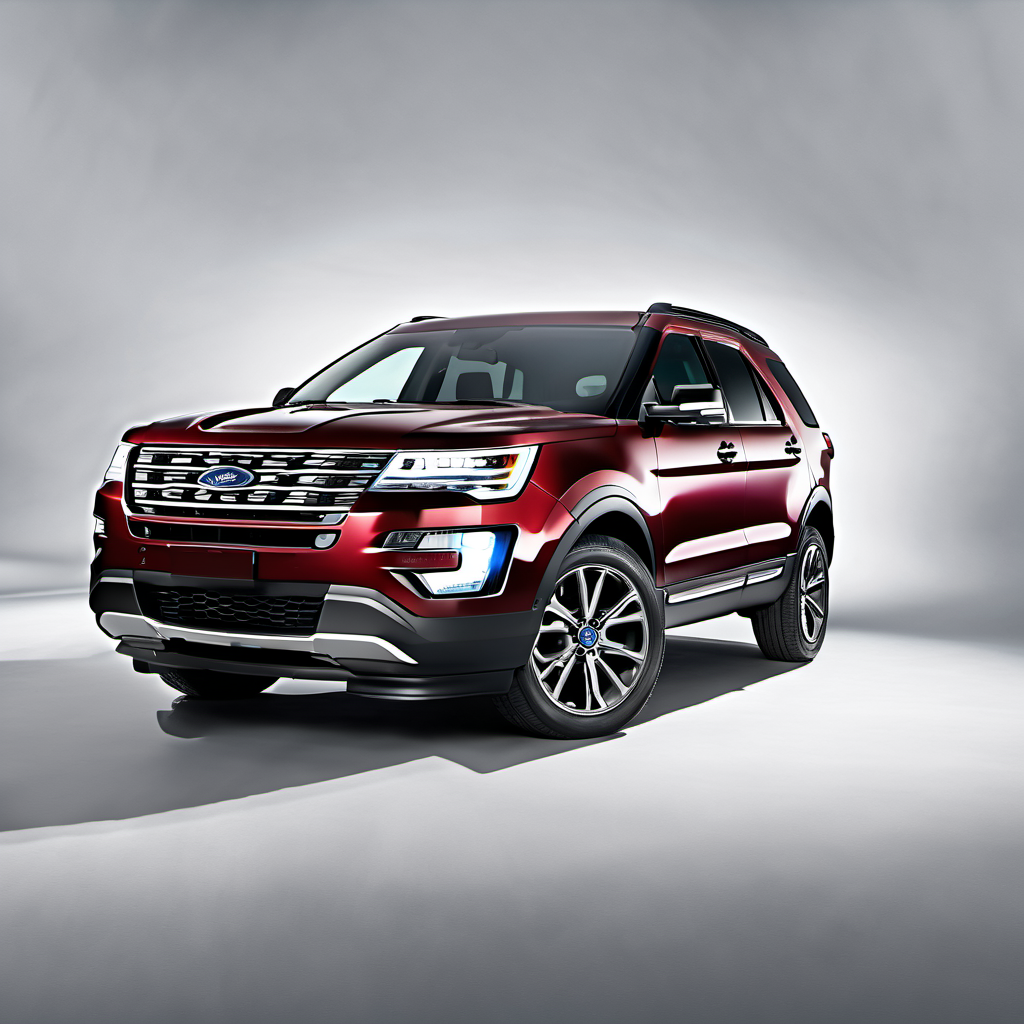
2016 Ford
3.5L V6 Ti-VCT · SUV
The 2016 Ford Explorer is a three-row midsize SUV built on a unibody platform, carrying on Ford's best-selling family hauler nameplate into its second generation of the modern, car-based design. Powered by a naturally aspirated 3.5L V6 Ti-VCT as its base engine, it delivers a solid blend of passenger capacity, cargo room, and available 4WD capability for Wisconsin's mixed-terrain winters. The 2016 model year carried over largely unchanged from the refreshed 2016 lineup, offering a comfortable interior, Ford's SYNC infotainment, and a wide range of trims from base to Platinum. The standard 3.5L V6 is a proven, low-stress engine that avoids the turbocharger complexity of the optional 2.3L EcoBoost or the 2.0L four-cylinder. That said, this generation Explorer has a well-documented exhaust fume intrusion issue tied to body sealing and HVAC fresh-air intake design — Ford issued a Technical Service Bulletin and eventually a recall. Buyers and owners should be aware of this before committing to a purchase.
The 2016 Ford Explorer is a three-row midsize SUV built on a unibody platform, carrying on Ford's best-selling family hauler nameplate into its second generation of the modern, car-based design. Powered by a naturally aspirated 3.5L V6 Ti-VCT as its base engine, it delivers a solid blend of passenger capacity, cargo room, and available 4WD capability for Wisconsin's mixed-terrain winters. The 2016 model year carried over largely unchanged from the refreshed 2016 lineup, offering a comfortable interior, Ford's SYNC infotainment, and a wide range of trims from base to Platinum. The standard 3.5L V6 is a proven, low-stress engine that avoids the turbocharger complexity of the optional 2.3L EcoBoost or the 2.0L four-cylinder. That said, this generation Explorer has a well-documented exhaust fume intrusion issue tied to body sealing and HVAC fresh-air intake design — Ford issued a Technical Service Bulletin and eventually a recall. Buyers and owners should be aware of this before committing to a purchase.
VVT solenoids and cam phasers are oil-pressure actuated. Clean, fresh oil is the single best thing you can do to prevent P0012/P0015/P0022/P0025 codes and avoid costly timing system repairs.
Ford did not include this in the standard service schedule, which contributed to widespread PTU failures. The PTU holds only about 10 oz of fluid and cooks it fast. Independent shops in the Midwest see this frequently.
Pairs with PTU service. Neglected rear diff fluid accelerates bearing and gear wear, especially with cold Wisconsin starts.
Ford marks the 6F50 fluid as 'lifetime,' but in real-world use — especially with towing or stop-and-go driving — fresh fluid dramatically reduces shudder and shift hesitation complaints.
Given the exhaust intrusion concern on this generation, a clean, properly seated cabin filter and a functioning HVAC recirculate mode are worth keeping up with.
This is the single most important safety check on this generation Explorer. Verify that the relevant Ford recall was completed. Look for gaps in body seals around the rear liftgate and tailpipe routing.
The 3.5L V6 uses iridium plugs with a long service life, but worn plugs can stress the ignition coils and mask mild VVT symptoms.
Cold cranking demand spikes below 0°F. A marginal battery that starts fine in October will leave you stranded in January. Budget $150–$220 for a quality replacement at an independent shop.
Always defer to the manufacturer's service manual for warranty-mandated intervals.
The 2016 Explorer is a middle-of-the-road ownership cost vehicle. Routine maintenance is affordable, but the PTU and transmission are budget wildcards. If the PTU hasn't been serviced, budget $800–$2,200 for that repair in the near term. A well-maintained example with confirmed recall completion is a reasonable long-term value; a neglected one can turn expensive fast.
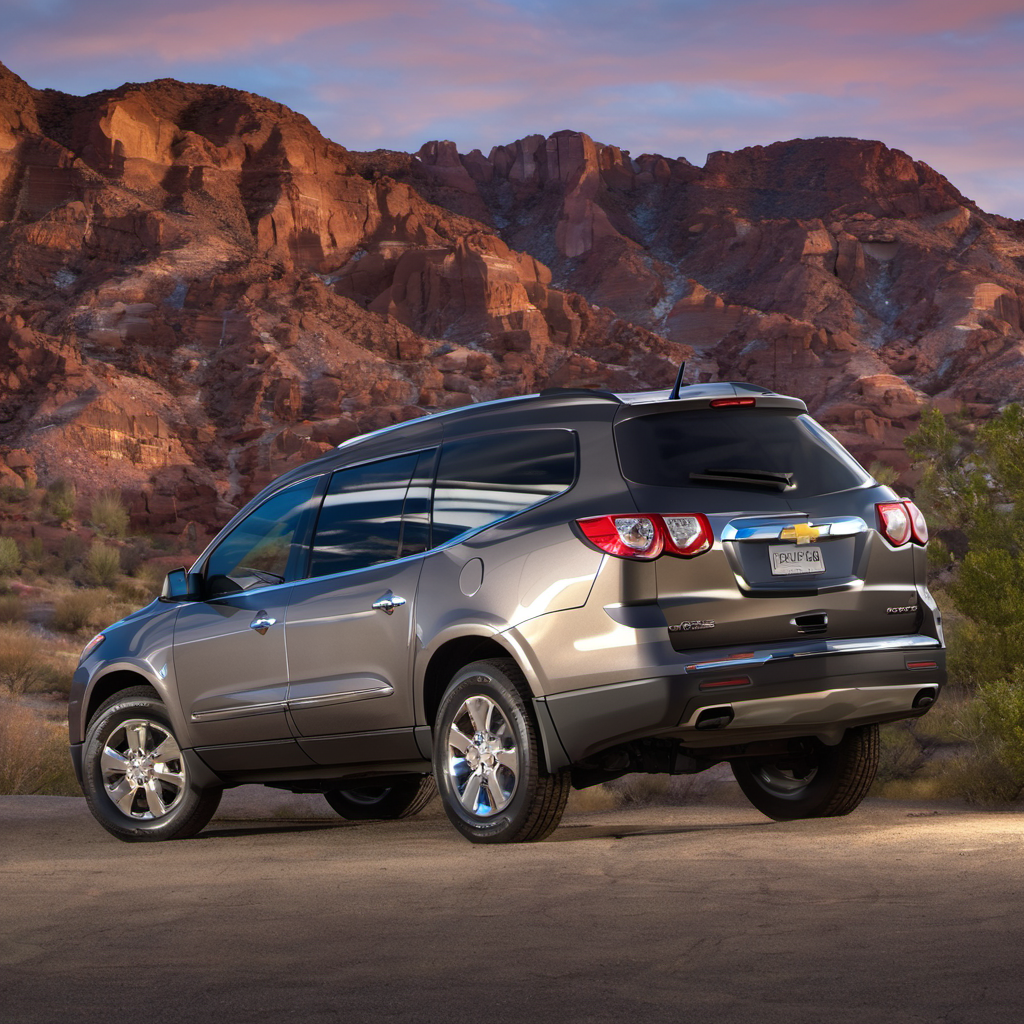
Same three-row family SUV mission, similar price point. The Traverse offers more interior volume and a smoother V6, though it's heavier and slightly less fuel-efficient.
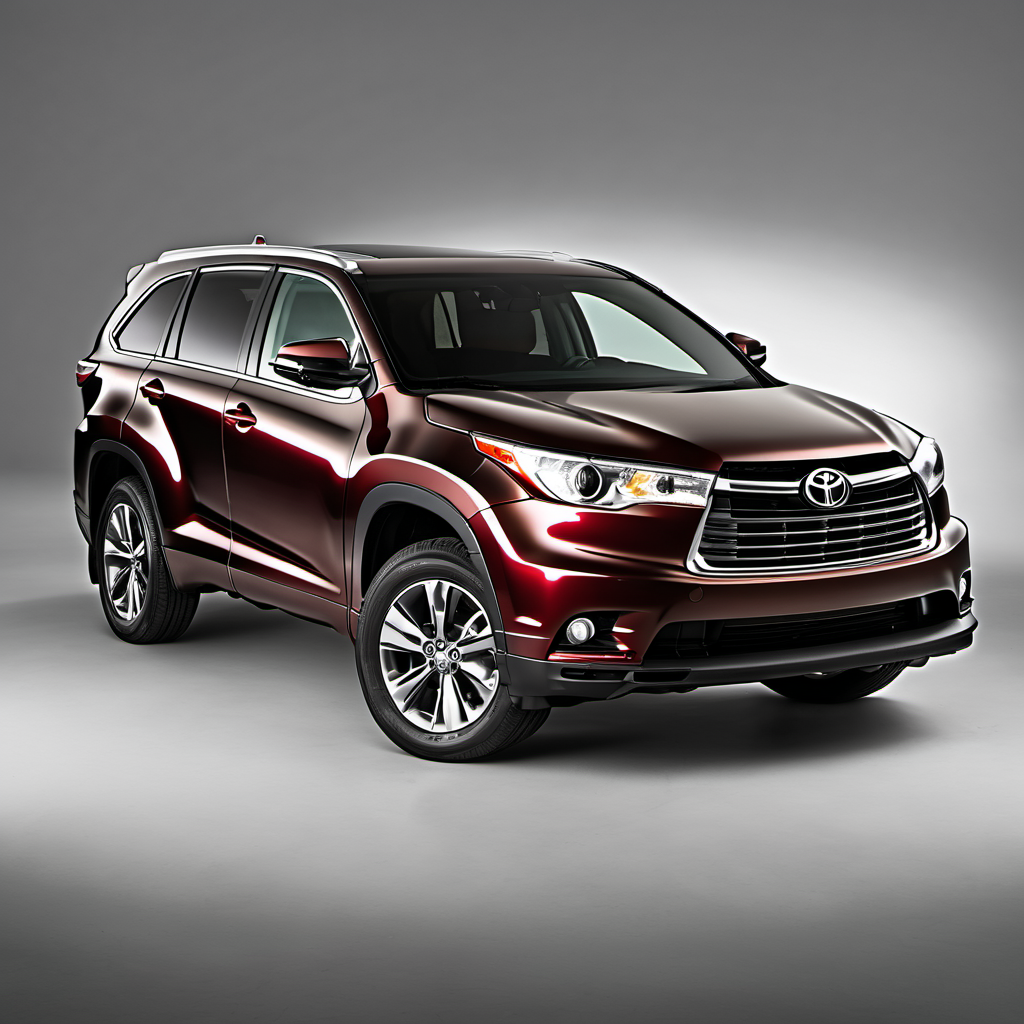
The Highlander is the reliability benchmark in this class. Higher resale value and fewer known powertrain issues, but it costs more to buy and the third row is tight.
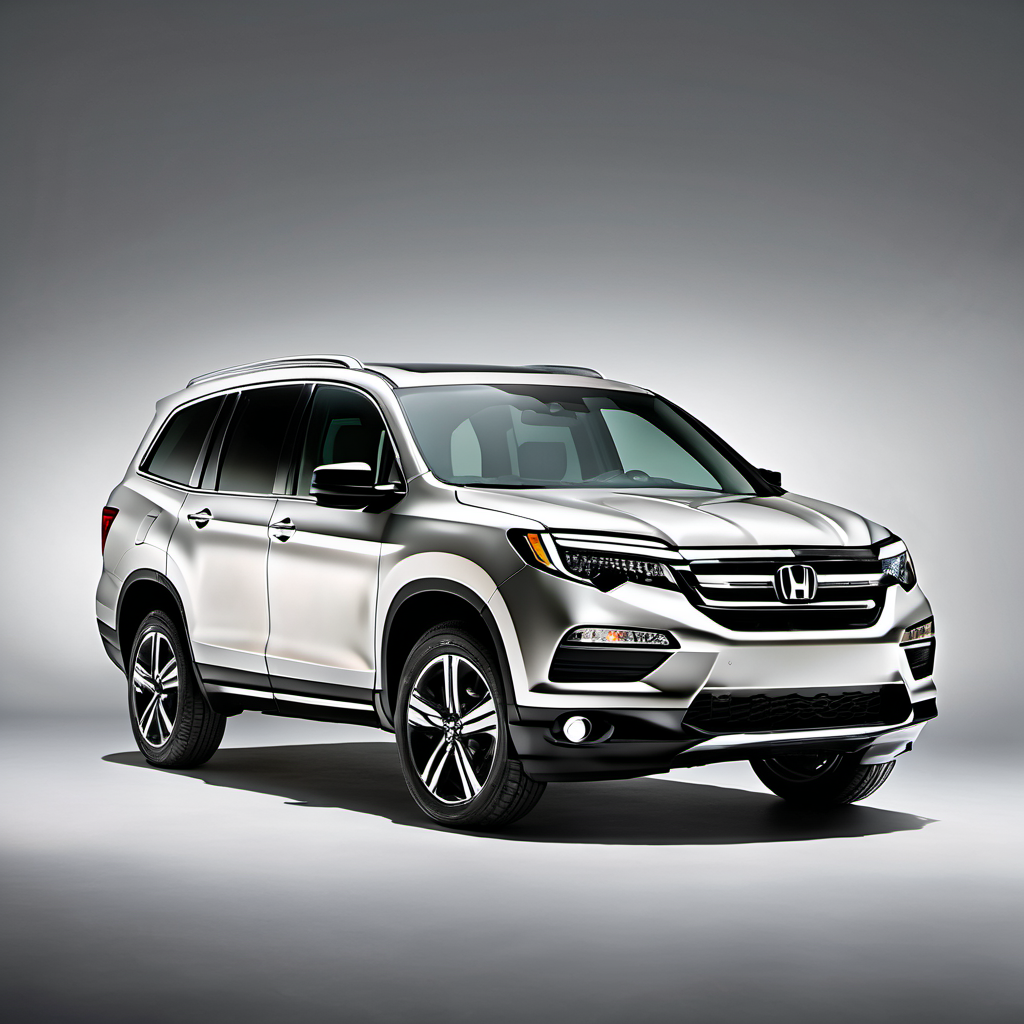
Redesigned for 2016, the Pilot offers comparable three-row space with a strong reliability record. AWD is available and it's easier on fuel.
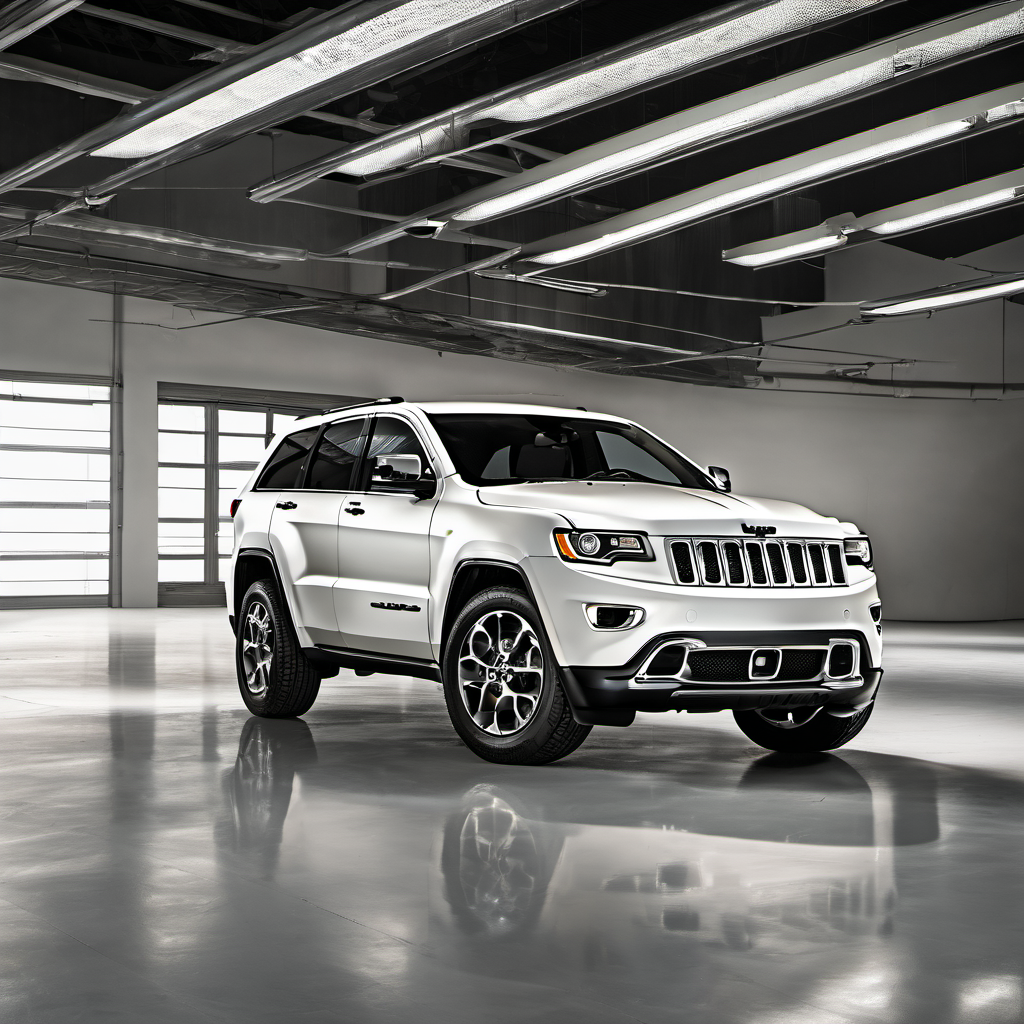
A solid alternative if you primarily need two rows and stronger off-road capability. Better 4WD systems than the Explorer, but gives up the third-row option.