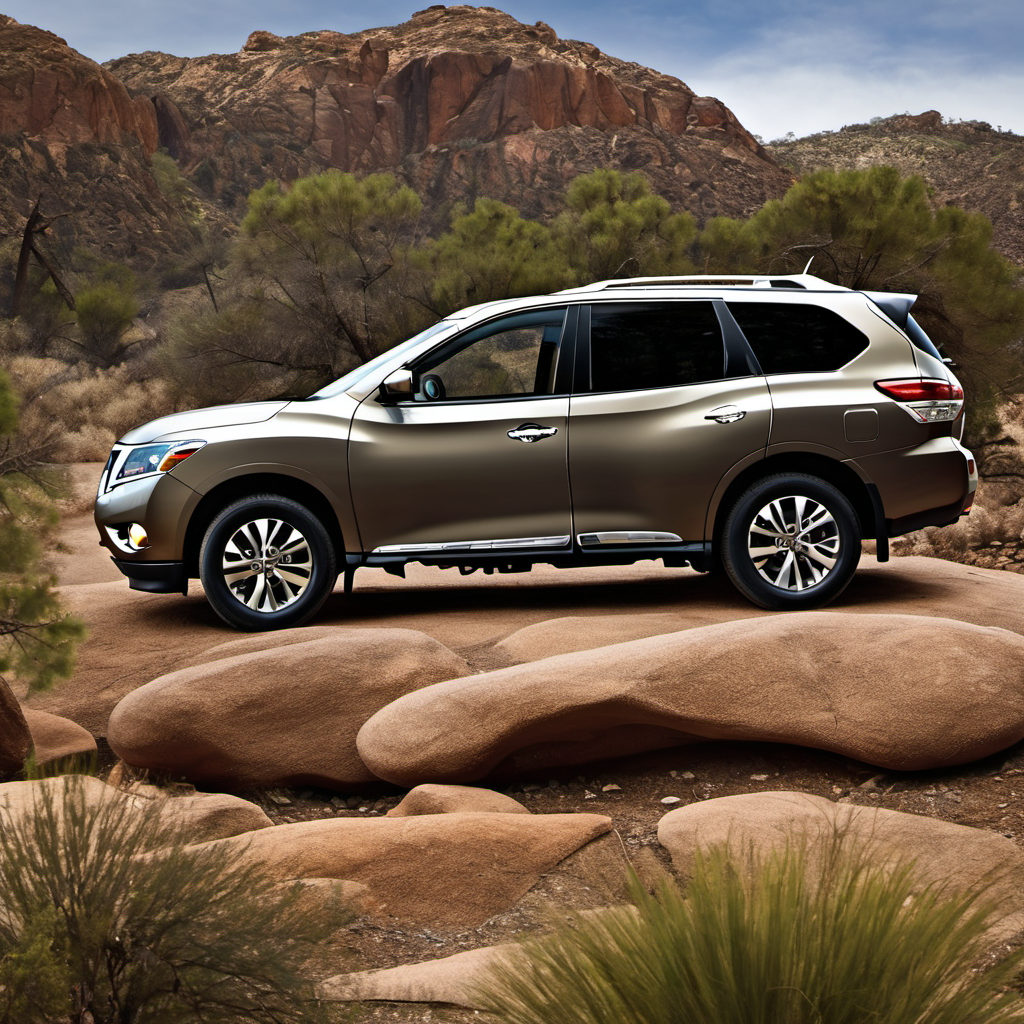
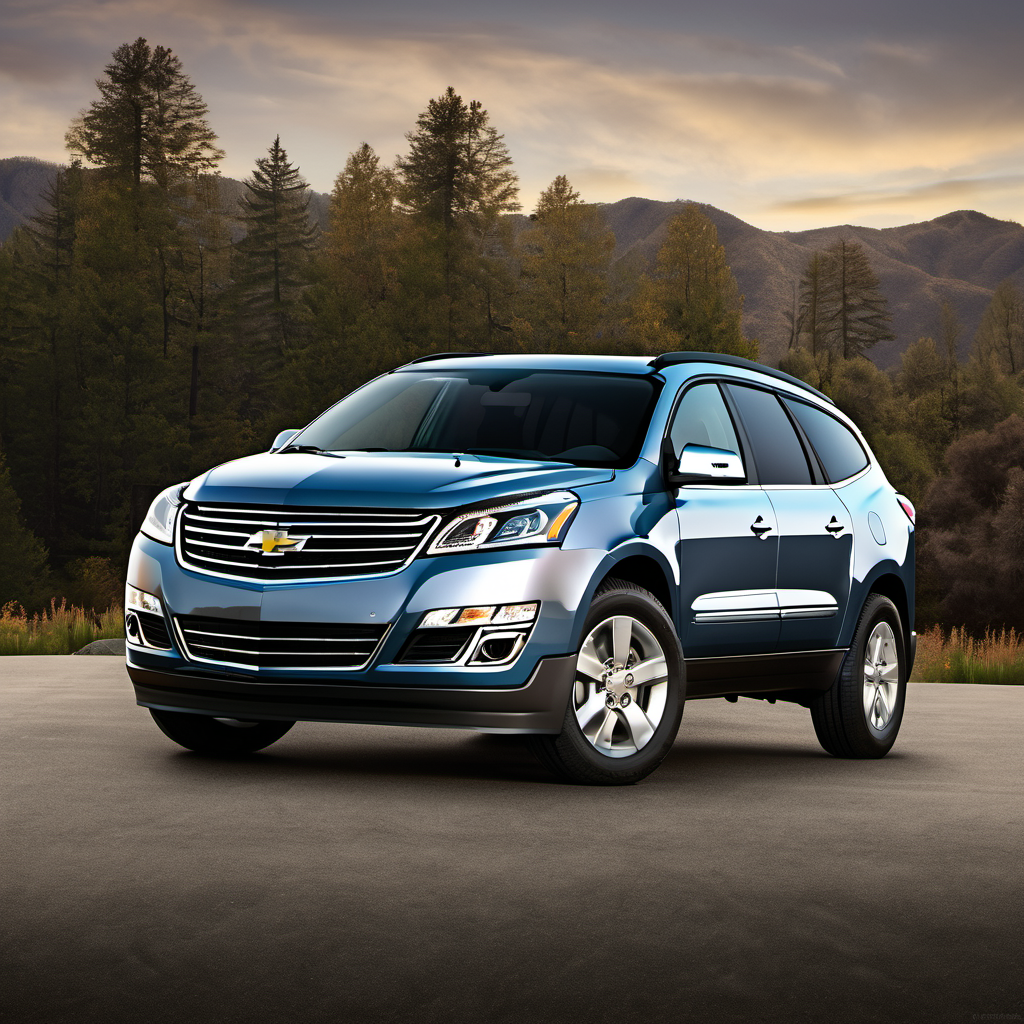
2015 Nissan Pathfinder SUV
Popular pick

2015 Nissan

PathfinderSUV

3.5L V6 · SUV

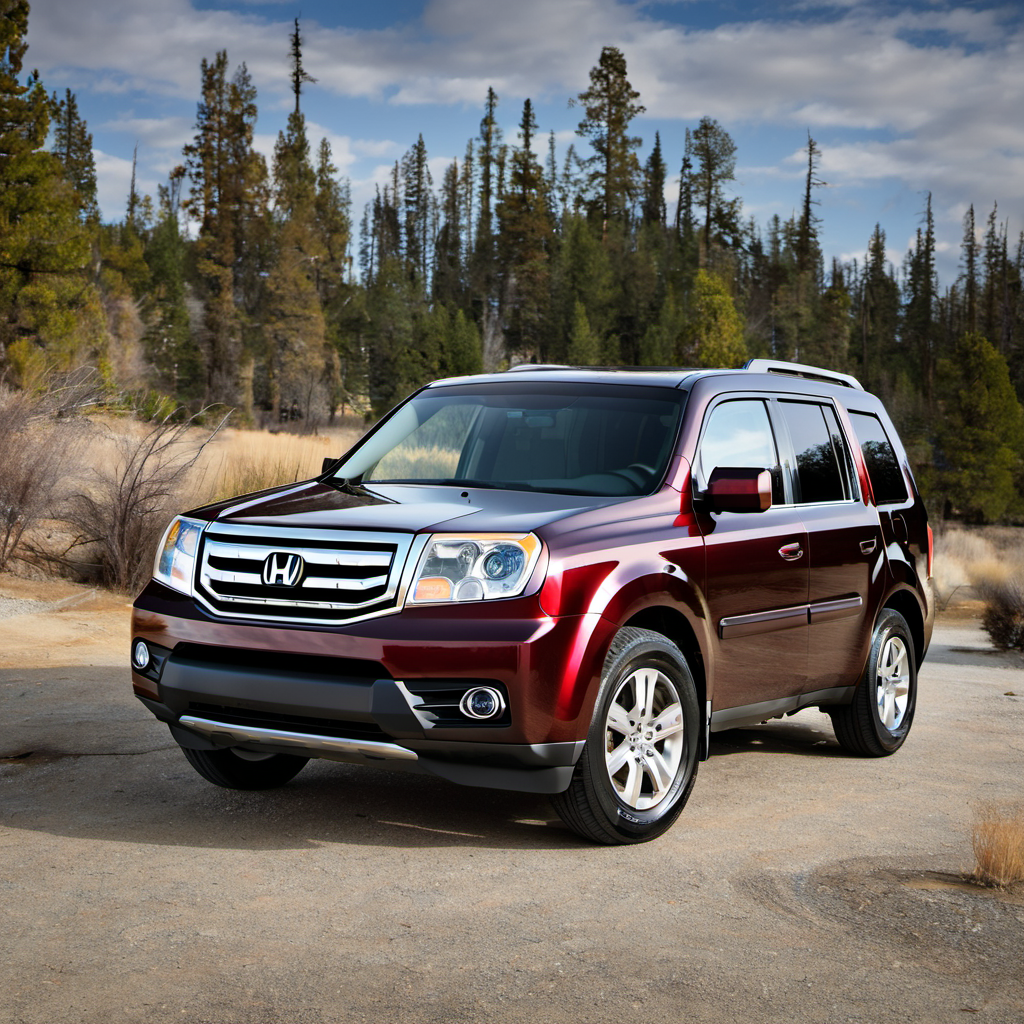
The 2015 Nissan Pathfinder is a three-row, unibody crossover SUV built on a car-based platform — a major departure from the body-on-frame Pathfinder of earlier generations. It seats seven, offers a smooth V6 powertrain, and is assembled in Smyrna, Tennessee. For Lake Geneva families needing school-run capability, light hauling, and occasional snowy-road confidence, it checks most boxes at a reasonable price point. The third-generation (2013–2016) Pathfinder was designed to compete directly with the Honda Pilot and Toyota Highlander rather than the more truck-like Jeep Grand Cherokee. That means a comfortable, minivan-like ride and a spacious cabin, but limited off-road ability despite the AWD badge. The standard CVT transmission is smooth on the highway but has been a notable pain point for owners, especially in stop-and-go traffic and when towing near the 5,000 lb limit. Overall the 2015 is a usable, comfortable family hauler. Go in with eyes open about the CVT's track record and budget accordingly. Oil changes with full-synthetic and transmission fluid service on schedule are the two things that will most directly determine how long this vehicle lasts.

Reliability
3/5
Verified data
Specs shown for Pathfinder 4WD — the most common configuration. Other trims may vary in engine, drivetrain, or fuel economy. Sign in to see your vehicle's exact specs.
Engine
[object Object]
Drivetrain
4WD/4-Wheel Drive/4x4
Fuel
Gasoline
MPG
19 city / 26 highway / 21 combined
Seats
Doors
4
Body
Small Sport Utility Vehicle 2WD
MSRP
$30,210

Overview

AI-curated

The 2015 Nissan Pathfinder is a three-row, unibody crossover SUV built on a car-based platform — a major departure from the body-on-frame Pathfinder of earlier generations. It seats seven, offers a smooth V6 powertrain, and is assembled in Smyrna, Tennessee. For Lake Geneva families needing school-run capability, light hauling, and occasional snowy-road confidence, it checks most boxes at a reasonable price point. The third-generation (2013–2016) Pathfinder was designed to compete directly with the Honda Pilot and Toyota Highlander rather than the more truck-like Jeep Grand Cherokee. That means a comfortable, minivan-like ride and a spacious cabin, but limited off-road ability despite the AWD badge. The standard CVT transmission is smooth on the highway but has been a notable pain point for owners, especially in stop-and-go traffic and when towing near the 5,000 lb limit. Overall the 2015 is a usable, comfortable family hauler. Go in with eyes open about the CVT's track record and budget accordingly. Oil changes with full-synthetic and transmission fluid service on schedule are the two things that will most directly determine how long this vehicle lasts.

Known for
  • Comfortable, car-like ride for a 7-passenger SUV
  • Spacious, easy-to-configure three-row cabin
  • Capable 3.5L VQ35DE V6 engine
  • Competitive highway fuel economy for its class
  • CVT transmission reliability concerns
Best for
  • Families needing three rows and easy daily driving
  • Commuters who prioritize comfort over off-road ability
  • Light snow and winter driving with AWD models
  • Road trip use with solid highway MPG
  • Budget-conscious buyers in the used three-row SUV market
Watch for
  • CVT transmission failures, especially on higher-mileage examples
  • Oil consumption from the VQ35DE engine if maintenance was neglected
  • Timing chain stretch and VVT/VIAS solenoid faults on dirty oil
  • Rust on underbody, subframe, and brake lines — critical in Wisconsin salt country
  • Cooling system neglect leading to water pump and thermostat issues

Common issues by mileage

6 known

CVT Transmission Shudder or Failure

high
Typically appears
70,000–130,000 mi
Estimated repair
$3,500 – $7,500

Timing Chain Stretch / Timing Chain Tensioner Wear

medium
Typically appears
80,000–150,000 mi
Estimated repair
$1,200 – $2,800

Oxygen / A/F Sensor Heater Circuit Fault

medium
Typically appears
80,000–150,000 mi
Estimated repair
$150 – $450

Brake Line and Underbody Rust (Wisconsin salt exposure)

high
Typically appears
50,000–100,000 mi
Estimated repair
$400 – $1,800

Power Steering Rack Noise / Leak

low
Typically appears
90,000–150,000 mi
Estimated repair
$700 – $1,600

Maintenance schedule

  1. 1
    Every 5,000 miles or 6 months Engine oil and filter change — full synthetic 5W-30

    The VQ35DE's VVT system and timing chain tensioners are oil-pressure dependent. Extended intervals accelerate sludge buildup and are the #1 cause of P0012/P0022 camshaft timing codes and premature timing chain wear.

  2. 2
    Every 30,000–40,000 miles; use Nissan NS-3 CVT fluid only CVT transmission fluid replacement

    Nissan's 'lifetime fluid' claim has not held up in real-world use. Fresh fluid is the single biggest factor in extending CVT life on this generation. Use only the factory-spec NS-3 fluid — off-brand CVT fluid can accelerate belt wear.

  3. 3
    Every 105,000 miles (iridium plugs) Spark plug replacement

    Factory iridium plugs are long-lived, but neglecting them past interval causes misfires and can stress the ignition coils. Replace as a set.

  4. 4
    Every 15,000–20,000 miles or annually Engine air filter

    Wisconsin roads kick up road debris. A clogged filter robs power and can slightly increase fuel consumption.

  5. 5
    Every 2–3 years Brake fluid flush

    Brake fluid absorbs moisture over time, lowering its boiling point. In a heavier 4,600 lb SUV, degraded fluid is a safety issue, especially on long downhill runs.

  6. 6
    Every 50,000 miles or 5 years (Nissan Long-Life blue coolant) Inspect and flush coolant

    Degraded coolant becomes acidic and accelerates water pump seal and thermostat wear. The 2013 Pathfinder had a known radiator issue where coolant contaminated the CVT; inspect the coolant and trans fluid color at each service on this vehicle.

  7. 7
    Every fall before winter season Inspect brake lines, underbody, and wheel well liners for rust

    Lake Geneva road salt is aggressive. Soft brake lines on 10-year-old vehicles in this climate are a failure-and-safety risk. Catch early rust with annual undercar inspections.

  8. 8
    Every 5,000–7,500 miles Check and rotate tires; inspect AWD coupling

    Mismatched tire wear on the AWD system can stress the rear coupling. Consistent rotations even out tread wear and protect the drivetrain.

Always defer to the manufacturer's service manual for warranty-mandated intervals.

Cost of ownership

Annual maintenance
$700 – $1,400
Fuel
At 21 MPG combined and ~15,000 miles/year, expect roughly $1,800–$2,200/year at current mid-grade gas prices in the upper Midwest.
Insurance
Typically $1,100–$1,500/year for a 2015 model at standard coverage levels in Wisconsin, depending on driver profile.

Routine upkeep is straightforward and reasonably priced at an independent shop. The big financial risk is the CVT: a rebuild or replacement can run $3,500–$7,500 and wipe out years of savings. Budget a CVT fluid service every 35,000 miles as cheap insurance. Brake line replacement due to rust is also a realistic mid-term expense for Wisconsin-driven examples.
Seasonal care

Lake Geneva, WI
Winter
  • Switch to full-synthetic 5W-30 if not already used — it flows better during sub-zero Lake Geneva cold snaps and protects the VVT system on cold starts.
  • Test the battery before November. The 3.5L V6 draws heavy current on cold starts; a battery over 4–5 years old should be load-tested.
  • Flush washer fluid reservoir and fill with -20°F or colder rated fluid. The reservoir and lines can freeze solid overnight in Wisconsin winters.
  • Install dedicated winter tires if you're doing regular driving on unplowed roads. AWD helps you go, but it does not help you stop.
  • Inspect and replace wiper blades with winter-rated beam blades before first snowfall. Standard blades ice up and skip.
  • Rinse the underbody thoroughly every 2 weeks during salting season, paying attention to the rear wheel wells and brake line routing. Salt accelerates rust dramatically on this platform.
Summer
  • Check tire pressure monthly — summer heat causes pressure to rise about 1 PSI per 10°F. Overinflated tires on hot pavement reduce contact patch and handling.
  • Service the A/C system: check refrigerant charge and inspect the cabin air filter. Heat soak after sitting in parking lots is noticeable with a weak A/C system on a 7-passenger vehicle.
  • Inspect coolant level and condition before road trip season. The 3.5L V6 runs warm in slow summer traffic; low or degraded coolant shows up fast.
  • Check brake pad thickness — summer is the best time to address brake work before winter driving demands return.

Comparable vehicles

If you're shopping for one

Red flags
  • CVT fluid that is dark, burnt, or smells scorched — transmission damage is likely already in progress.
  • Milky or foamy coolant in the reservoir — possible radiator-to-transmission cross-contamination (a known 2013 Pathfinder issue; verify this was never a problem on this specific unit).
  • Active check engine light with P0012, P0015, P0022, or P0025 — indicates oil maintenance neglect affecting the VVT system.
  • Visible rust holes or flaking on the underbody, subframe, or brake line brackets — structurally and safety-critical on older Wisconsin vehicles.
  • Seller cannot provide any maintenance records — given CVT sensitivity, unknown fluid history is a significant financial risk.
What to inspect
  • Pull the CVT dipstick (or check port) — fluid should be pink/light red and clean. Brown, burnt-smelling, or milky fluid is a deal-breaker.
  • Warm the engine fully, then drive the CVT through all speed ranges. Any shudder between 25–45 mph, surging, or slipping warrants a transmission specialist inspection before purchase.
  • Check engine oil on the dipstick for a dark, sludgy appearance. On the VQ35DE, oil neglect directly causes VVT solenoid and timing chain problems.
  • Get the vehicle on a lift and inspect brake lines, the front subframe, and rear trailing arm mounts for rust perforation — these are expensive repairs on a Wisconsin-used vehicle.
  • Scan for stored and pending DTCs before buying. Pay special attention to P0012, P0015, P0022, P0025 (VVT/timing) and any transmission codes.
  • Verify third-row seat operation and all power accessories (power liftgate if equipped, sliding second-row seats). Mechanism repairs are labor-intensive.
AI profile generated 4 days ago · claude-sonnet-4-6 · v2.