Excessive Oil Consumption (2AR-FE Engine)
medium- Typically appears
- 40–100k mi
- Estimated repair
- $0 – $300
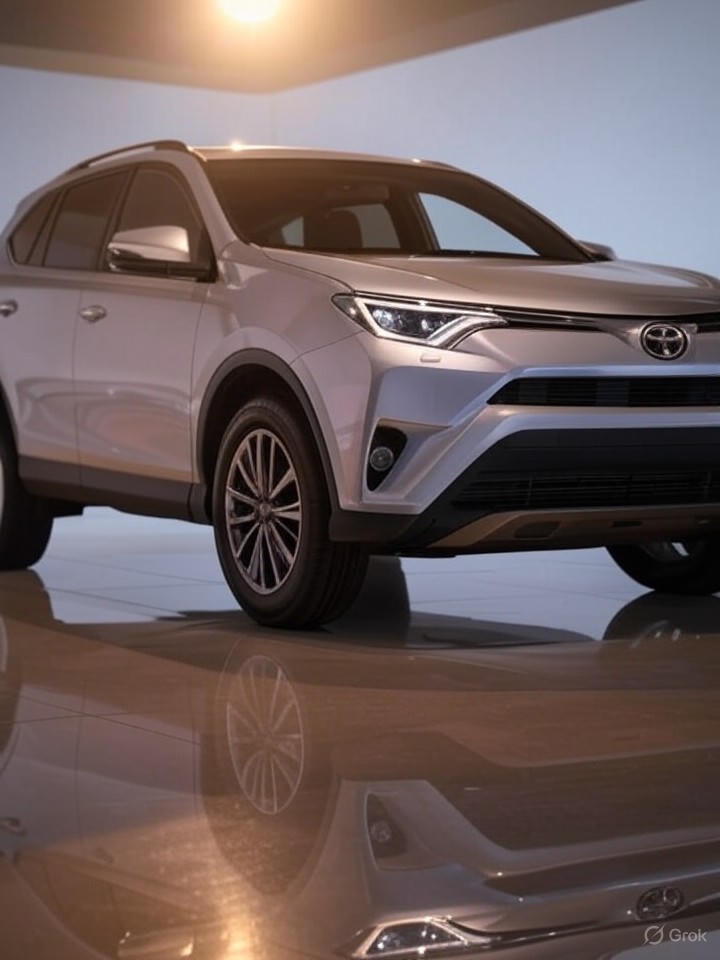
2014 Toyota
SUV
The 2014 Toyota RAV4 is the first full model year of the fourth-generation RAV4, which Toyota redesigned for 2013. It dropped the V6 option and third-row seat of the previous generation, streamlining into a single 2.5L four-cylinder platform aimed squarely at the compact crossover mainstream. The result is a practical, fuel-efficient daily driver with Toyota's well-earned reputation for durability baked in. For 2014, Toyota offered the RAV4 in both front-wheel-drive and all-wheel-drive configurations, with an electronically controlled AWD system that can send up to 50% of torque rearward when needed. The interior is comfortable for four adults, cargo space is competitive, and the overall package is straightforward to own and maintain — exactly what made this generation a bestseller. Note: The source data flags this vehicle as 'Electric' with MPGe figures, which does not match the 2014 RAV4. No fully electric RAV4 was sold in this model year in the US. The standard powertrain is a 2.5L gasoline four-cylinder, and the specifications below reflect the actual production vehicle.
The 2014 Toyota RAV4 is the first full model year of the fourth-generation RAV4, which Toyota redesigned for 2013. It dropped the V6 option and third-row seat of the previous generation, streamlining into a single 2.5L four-cylinder platform aimed squarely at the compact crossover mainstream. The result is a practical, fuel-efficient daily driver with Toyota's well-earned reputation for durability baked in. For 2014, Toyota offered the RAV4 in both front-wheel-drive and all-wheel-drive configurations, with an electronically controlled AWD system that can send up to 50% of torque rearward when needed. The interior is comfortable for four adults, cargo space is competitive, and the overall package is straightforward to own and maintain — exactly what made this generation a bestseller. Note: The source data flags this vehicle as 'Electric' with MPGe figures, which does not match the 2014 RAV4. No fully electric RAV4 was sold in this model year in the US. The standard powertrain is a 2.5L gasoline four-cylinder, and the specifications below reflect the actual production vehicle.
The 2AR-FE engine is prone to oil consumption on some units. Shorter oil-change intervals and checking the dipstick monthly will catch low-oil situations before engine wear sets in. Toyota specifies 0W-20 for cold-start performance in Wisconsin winters.
Toyota rates the fluid as 'lifetime,' but in practice changing it at 30k intervals prevents the hunting-shift complaints and extends solenoid life. Use only Toyota WS or a confirmed equivalent.
Wisconsin road grit and salt dust accelerate filter loading. A clogged filter stresses the MAF sensor and reduces fuel economy.
Degraded coolant corrodes the aluminum engine components and water pump. Use only Toyota SLLC or a compatible pink/red OAT coolant — do not mix with green conventional.
Sub-zero Lake Geneva winters are hard on batteries. A battery that passes a basic voltage test in summer can fail a load test and leave you stranded in January. Replace proactively if over 4–5 years old.
Standard rubber wiper blades ice up and streak badly below freezing. Wisconsin road salt spray makes a full washer reservoir essential — run out in sub-zero temps and visibility is gone fast.
Worn plugs cause misfires and rough idle, which can be misread as VVT-i or sensor faults. Staying on schedule avoids unnecessary diagnostic cost.
Brake fluid absorbs moisture over time, lowering its boiling point. In a vehicle that sees Wisconsin winters and frequent temperature swings, a 2-year flush interval is practical insurance.
Always defer to the manufacturer's service manual for warranty-mandated intervals.
The 2014 RAV4 is a genuinely affordable vehicle to own beyond the purchase price. Parts are widely available at both Toyota dealers and independent suppliers, labor rates are lower than European-brand equivalents, and major failures are uncommon through 150k miles with normal maintenance. The biggest variable is whether your example has the oil-consumption issue — budget for more frequent oil checks and top-offs if so.
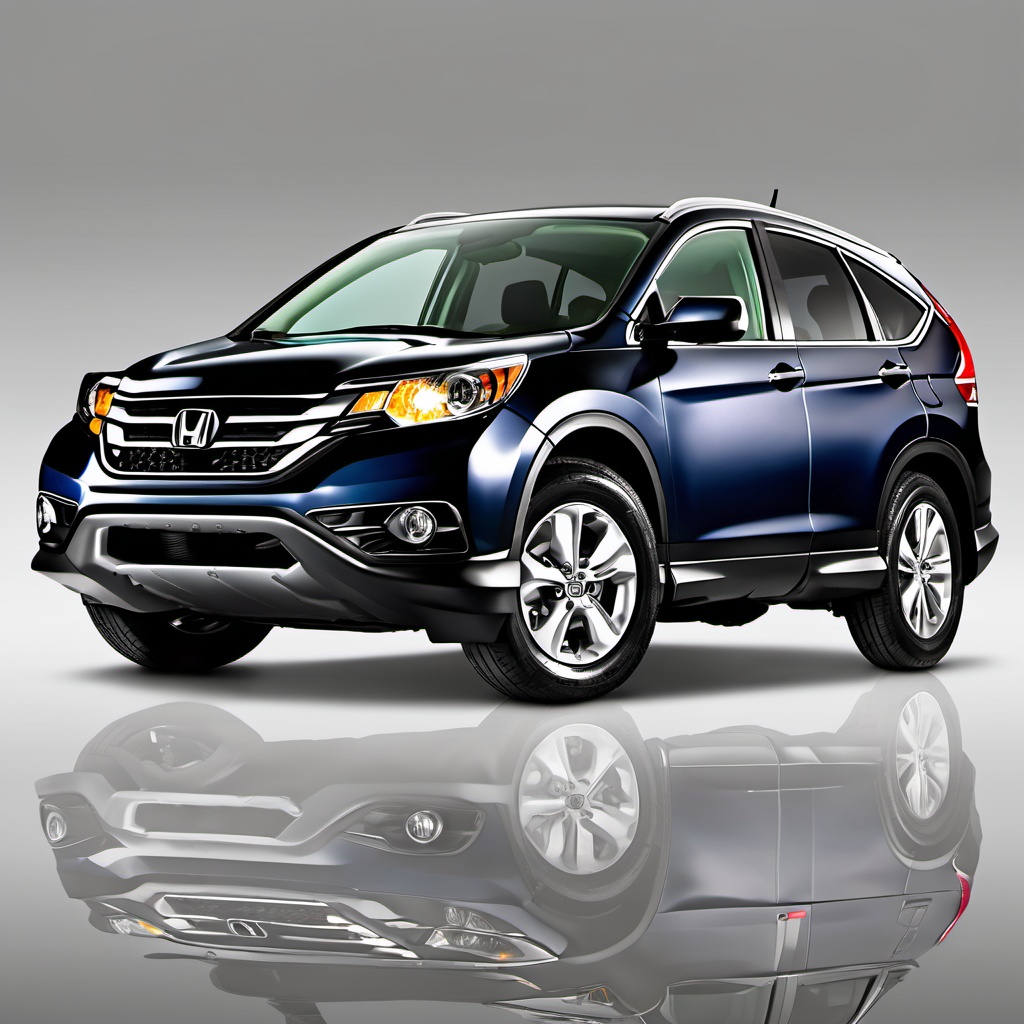
Closest direct competitor — similar size, price, fuel economy, and family-crossover mission. The CR-V has a slightly better ride quality; the RAV4 has more cargo room.
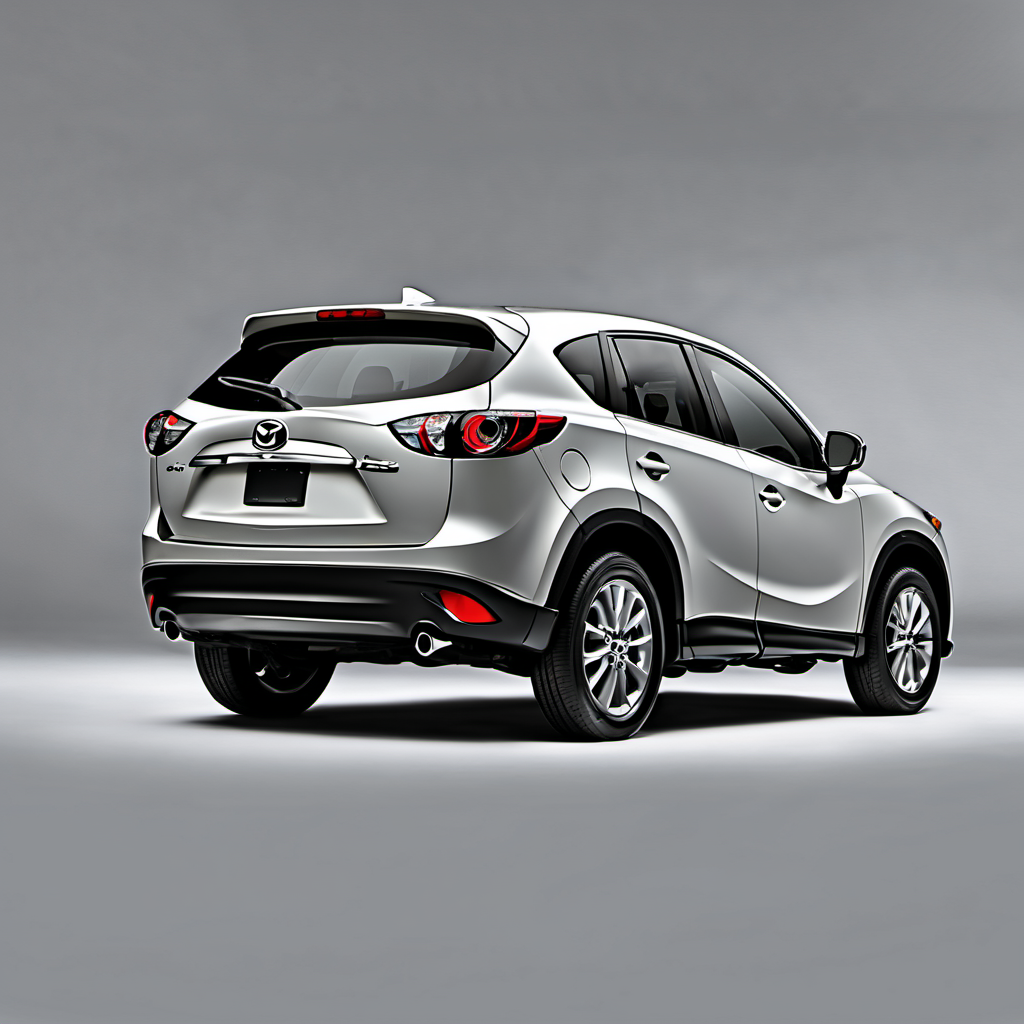
Sharper handling and better fuel economy than the RAV4, with a similarly reliable powertrain. Slightly smaller cargo area but a more engaging drive.
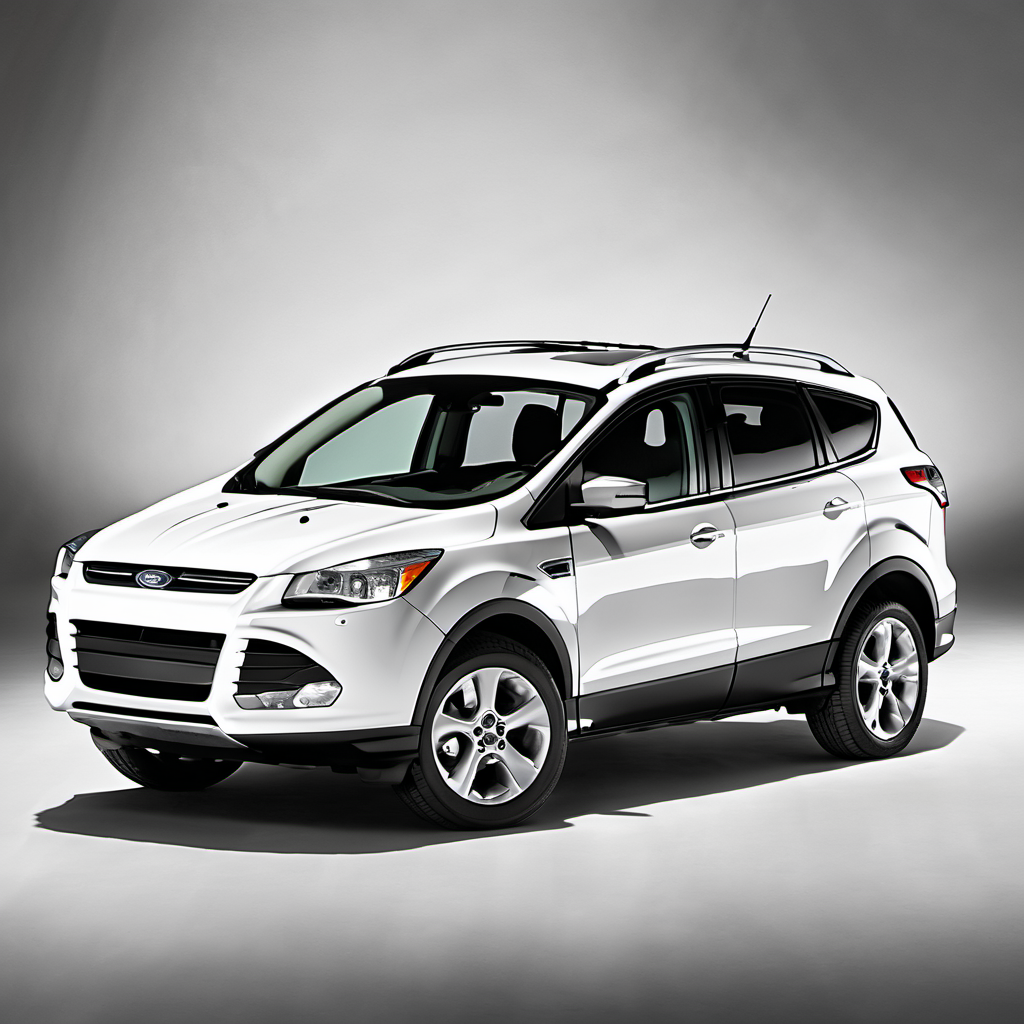
Similar footprint and price point. The turbocharged EcoBoost engines offer more power but with higher long-term maintenance cost compared to Toyota's naturally aspirated 2.5L.
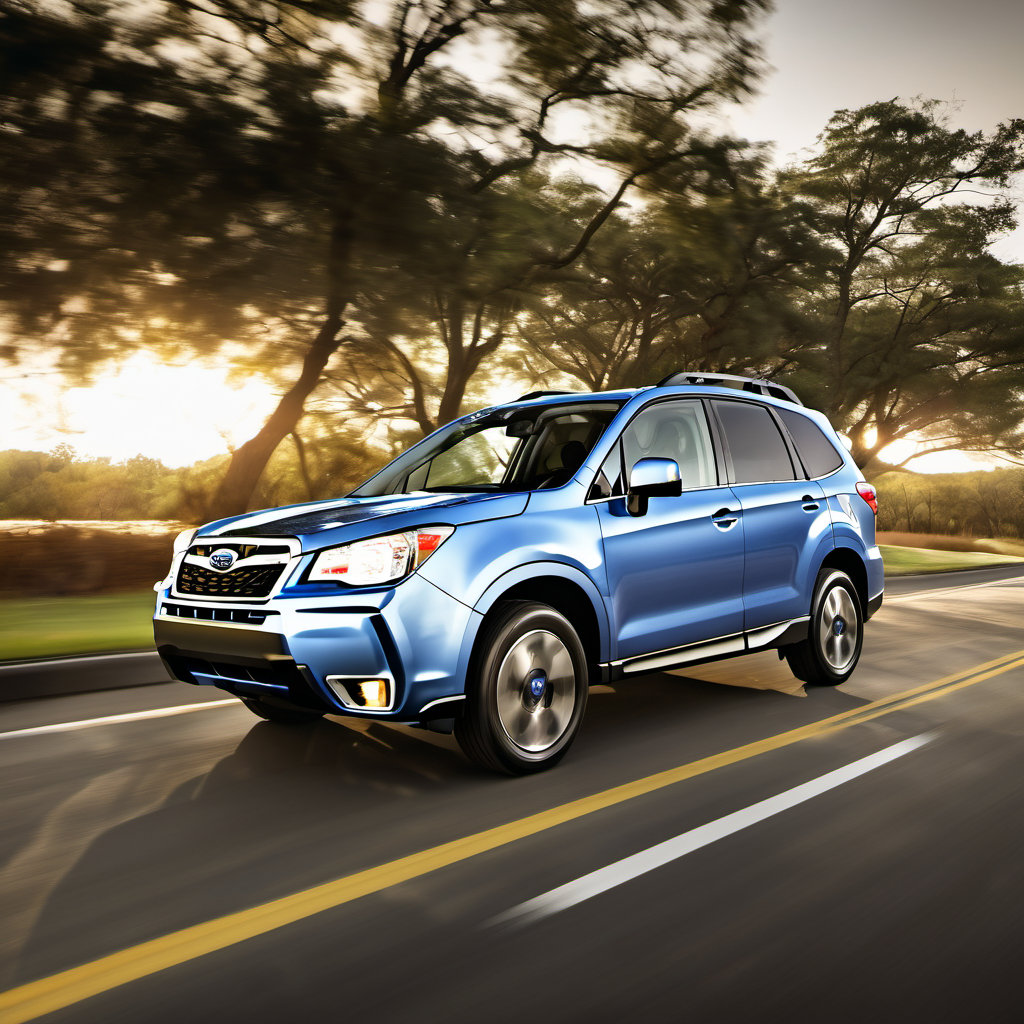
Standard symmetrical AWD gives it a winter-traction edge. Excellent visibility and cargo space. Head gasket reliability on the 2.5L naturally aspirated engine improved significantly by this generation.