EcoBoost 1.6L Coolant Intrusion / Engine Failure
high- Typically appears
- 60–120k mi
- Estimated repair
- $3,500 – $7,500
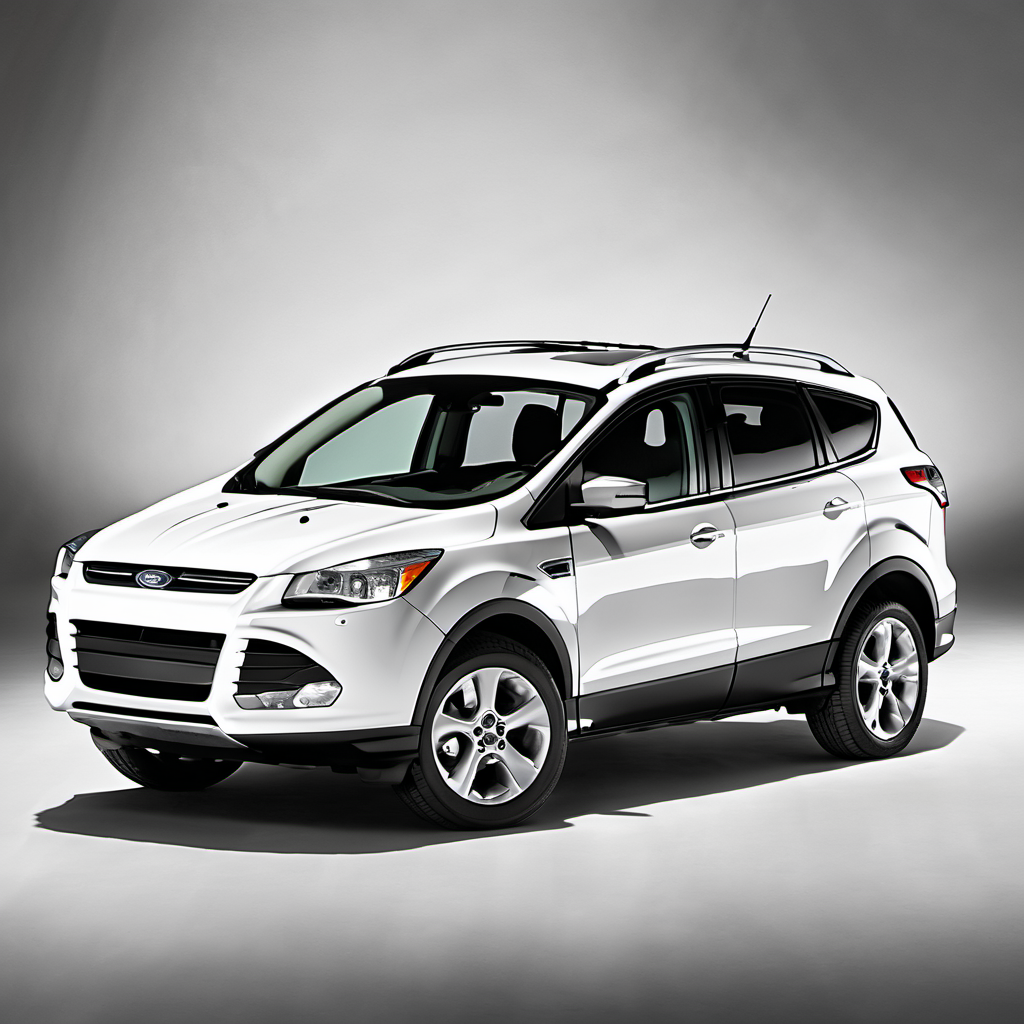
2014 Ford
2.0L I4 EcoBoost Turbocharged · SUV
The 2014 Ford Escape is a compact crossover SUV built on Ford's global C platform, sharing its bones with the Focus and Fusion. By 2014 Ford had worked through some of the rougher edges of the third-generation Escape's 2013 debut — notably a pair of engine recalls — but this year still carries the turbocharged EcoBoost engines that define its character. It seats five comfortably, offers available AWD, and delivers a car-like driving feel that sets it apart from truckier competitors. Engine choices include a naturally aspirated 2.5L four-cylinder and two EcoBoost turbocharged fours — a 1.6L and a 2.0L. The EcoBoost motors are genuinely fun to drive and return solid fuel economy, but they introduce complexity (and cost) that the base 2.5L doesn't. AWD is available on all trims, which matters for Wisconsin winters. The Escape is a competent, practical crossover with a well-designed interior for its era. Buyers should go in with eyes open about the EcoBoost engines' known cooling and VCT system issues, and about the tendency for underbody components to corrode quickly in the salt belt. With diligent maintenance it's a capable daily driver, but deferred maintenance on these engines can become expensive quickly.
The 2014 Ford Escape is a compact crossover SUV built on Ford's global C platform, sharing its bones with the Focus and Fusion. By 2014 Ford had worked through some of the rougher edges of the third-generation Escape's 2013 debut — notably a pair of engine recalls — but this year still carries the turbocharged EcoBoost engines that define its character. It seats five comfortably, offers available AWD, and delivers a car-like driving feel that sets it apart from truckier competitors. Engine choices include a naturally aspirated 2.5L four-cylinder and two EcoBoost turbocharged fours — a 1.6L and a 2.0L. The EcoBoost motors are genuinely fun to drive and return solid fuel economy, but they introduce complexity (and cost) that the base 2.5L doesn't. AWD is available on all trims, which matters for Wisconsin winters. The Escape is a competent, practical crossover with a well-designed interior for its era. Buyers should go in with eyes open about the EcoBoost engines' known cooling and VCT system issues, and about the tendency for underbody components to corrode quickly in the salt belt. With diligent maintenance it's a capable daily driver, but deferred maintenance on these engines can become expensive quickly.
The VCT (variable cam timing) system is oil-pressure dependent. Dirty or low oil is the #1 cause of VCT solenoid sludging and premature timing chain wear on both EcoBoost motors. Synthetic oil and a short interval are cheap insurance.
The 1.6L EcoBoost is prone to coolant intrusion into cylinders. Catching a drop in coolant level or signs of contamination (milky oil, white exhaust) early can prevent a $5,000+ engine replacement.
Turbocharged engines run plugs harder. Worn plugs on an EcoBoost cause misfires and increase stress on the ignition coils. Use OEM-spec plugs.
Ford lists the 6-speed automatic fluid as 'lifetime,' but independent shops see early wear in transmissions that never had a fluid change. A fresh fill at 60k protects clutch packs significantly.
Glycol-based brake fluid absorbs moisture over time, lowering boiling point and accelerating internal corrosion — a particular concern in a humid Midwest climate.
Lake Geneva roads get heavy salt treatment. The Escape's C-platform subframe and rear suspension mounts are known corrosion spots. Annual inspection and spot treatment can prevent structural failures that cost thousands.
A restricted air filter reduces turbo efficiency and can cause the ECU to run a richer mixture, accelerating carbon buildup on the intake valves — a known EcoBoost issue.
Wisconsin sub-zero temperatures can kill a marginal battery overnight. The Escape's start-stop system (on some trims) and SYNC electronics put extra demand on the battery. Test and replace proactively if over 4 years old.
Always defer to the manufacturer's service manual for warranty-mandated intervals.
The 2014 Escape is affordable to insure and moderately expensive to fuel on the EcoBoost. Annual maintenance costs are manageable if you stay on schedule — but a single deferred EcoBoost repair (coolant intrusion, VCT failure) can easily exceed $3,500 and wipe out years of savings. Budget for the higher end of the maintenance range if you own a 1.6L or 2.0L EcoBoost example.
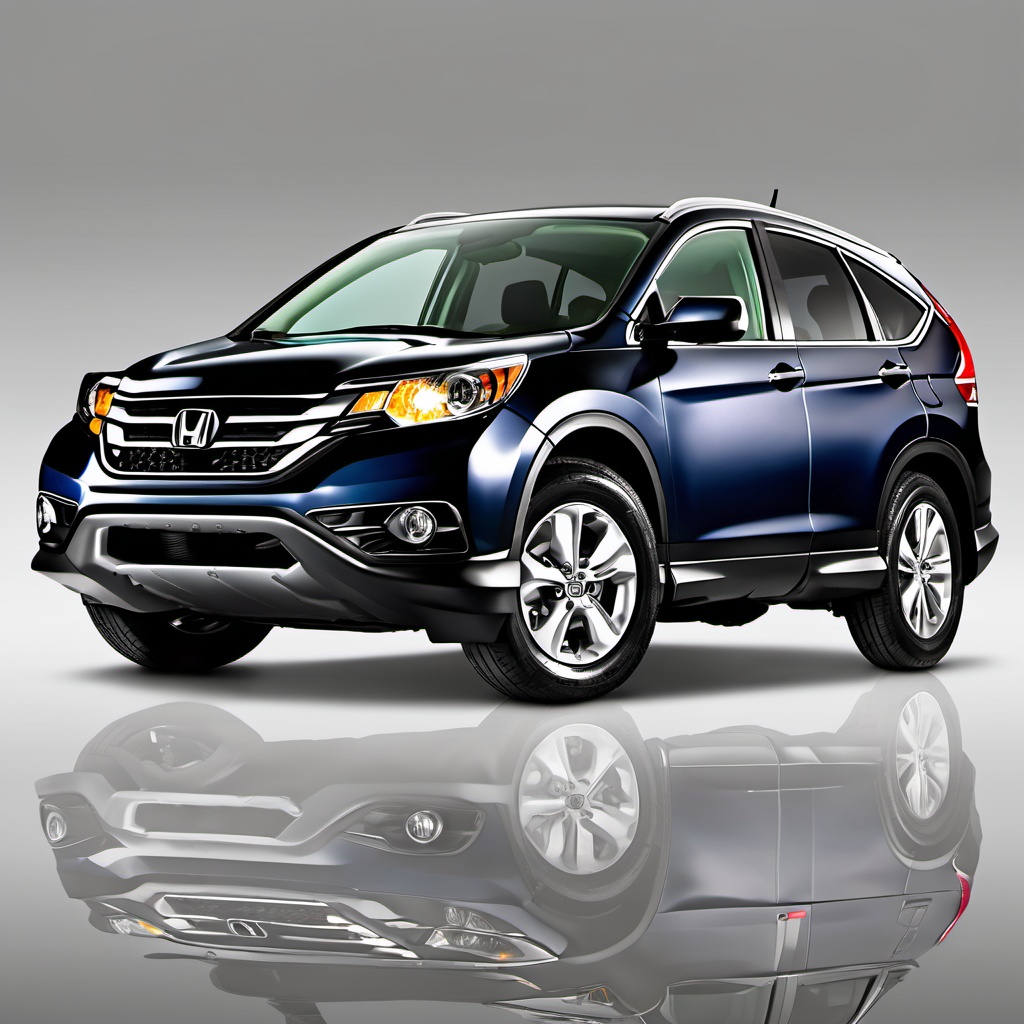
More proven reliability record at similar price points, with a naturally aspirated 2.4L engine that avoids turbocharged complexity. AWD is available. Slightly less sporty but typically lower ownership costs on used examples.
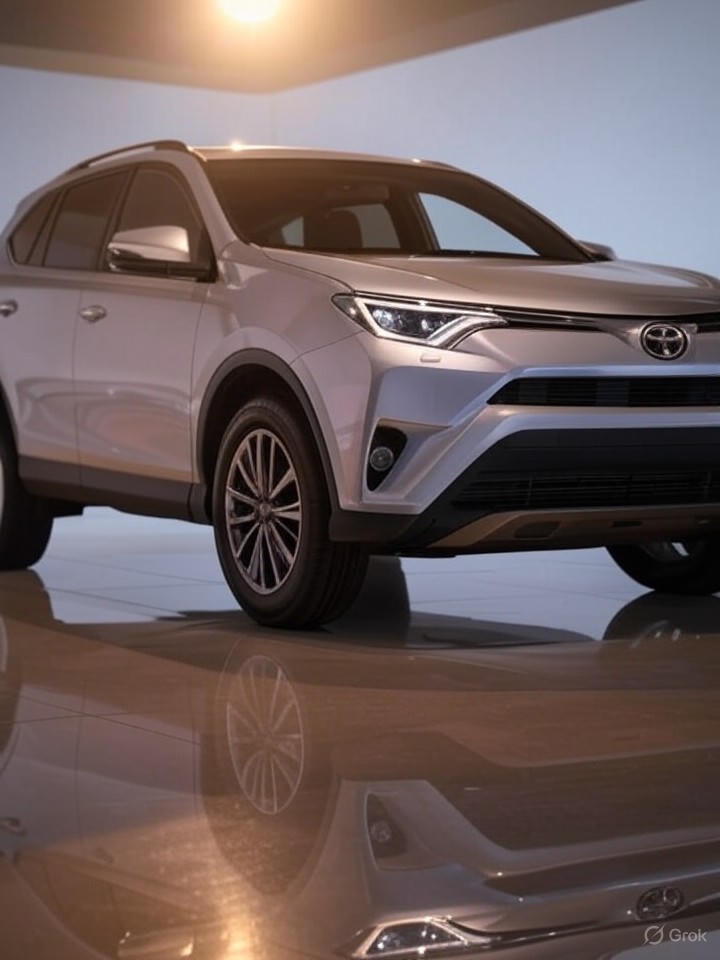
Refreshed for 2013, the RAV4 dropped its V6 for a 2.5L four — practical, reliable, and easy to maintain. AWD is available and the platform has an excellent long-term rust and reliability track record.
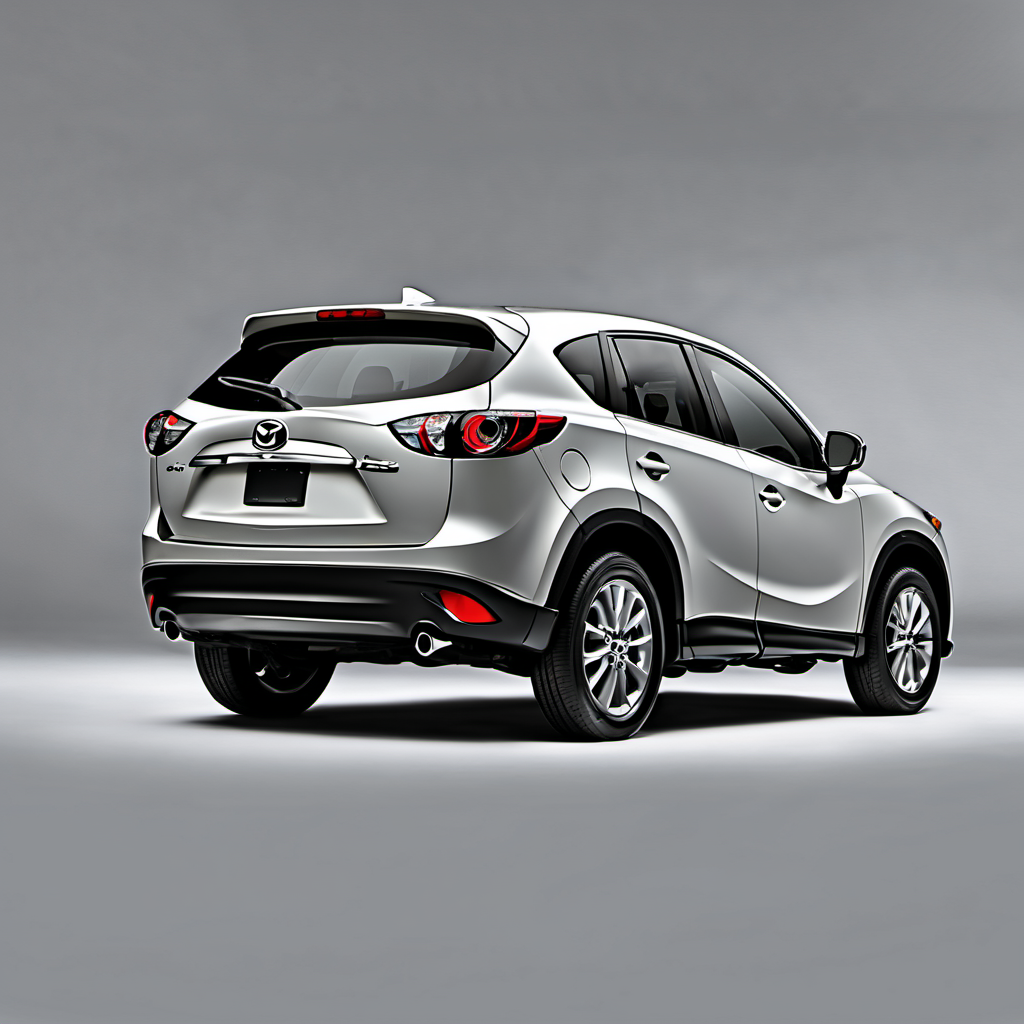
Outstanding reliability and fuel economy with Mazda's SKYACTIV naturally aspirated engine. AWD available. Slightly sportier feel than the RAV4 and comparable to the Escape's driving character without the EcoBoost risk.
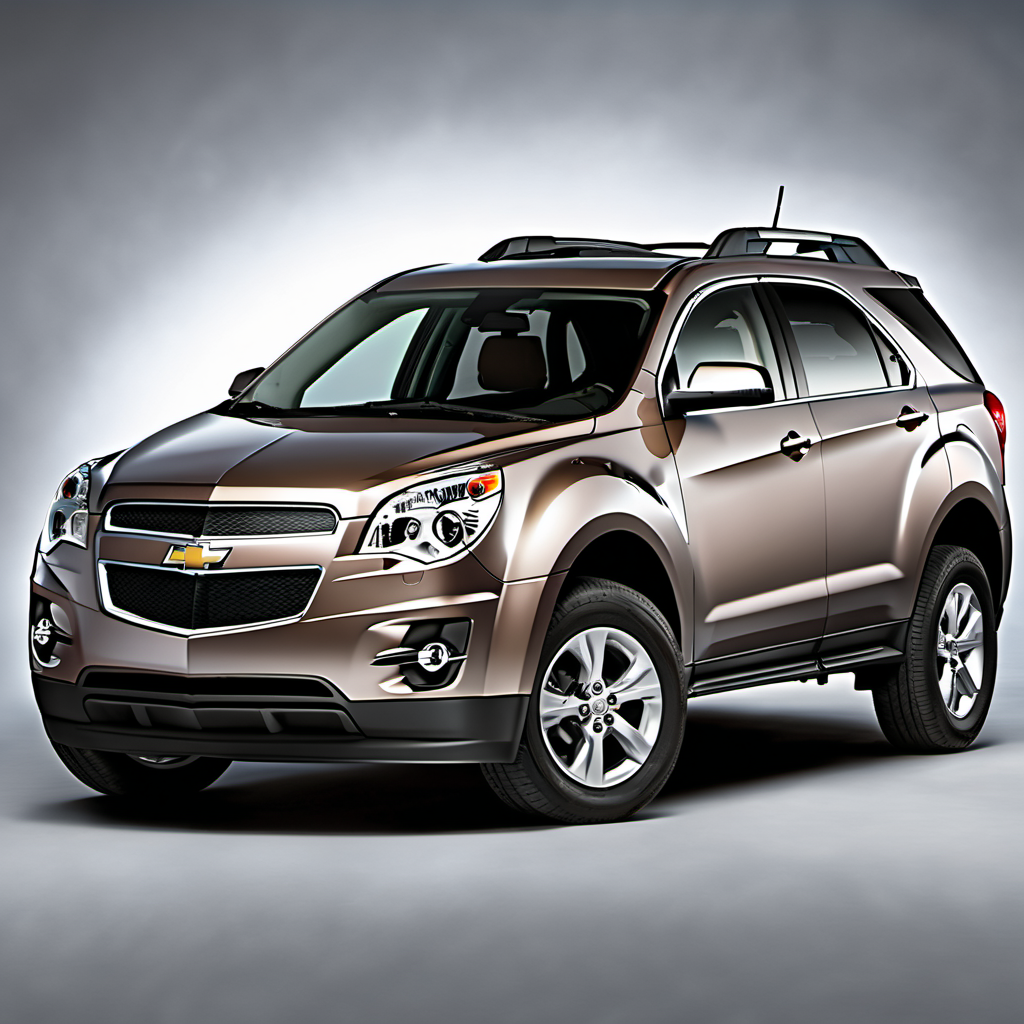
Larger interior and available 2.4L or 2.0T engine. AWD available. The 2.4L is more reliable than the Escape's EcoBoost units; a strong alternative for buyers who prioritize interior room and domestic brand service networks.