2014 Hyundai Genesis Sedan

2014 Hyundai

GenesisSedan

Sedan

The 2014 Hyundai Genesis Sedan is the second-generation (BH) version of Hyundai's flagship rear-wheel-drive luxury sedan. It was Hyundai's serious attempt to compete with entry-level BMW, Mercedes, and Lexus — offering V6 and V8 options, rear-wheel drive, and a long list of standard features at a price well below European competitors. The 3.8L Lambda V6 is the volume seller, putting out 333 hp and pairing with an 8-speed automatic. For the money, the Genesis punches hard. Interior quality, ride comfort, and feature content were all legitimately competitive with the segment leaders in 2014. It earned strong reliability marks and holds its value reasonably well. This is a car that rewards careful buyers who do their homework on service history. By 2014 Hyundai had worked out most first-generation kinks, and the BH platform was well-sorted. These cars can accumulate high miles without drama when properly maintained, but they are not a 'set it and forget it' vehicle — CVVT system care and fresh oil are non-negotiable.

Reliability
4/5
Verified data
Specs shown for Genesis — the most common configuration. Other trims may vary in engine, drivetrain, or fuel economy. Sign in to see your vehicle's exact specs.
Engine
[object Object]
Drivetrain
RWD
Fuel
Gasoline
MPG
18 city / 27 hwy / 21 combined
Seats
Doors
Body
Large Cars

Overview

AI-curated

The 2014 Hyundai Genesis Sedan is the second-generation (BH) version of Hyundai's flagship rear-wheel-drive luxury sedan. It was Hyundai's serious attempt to compete with entry-level BMW, Mercedes, and Lexus — offering V6 and V8 options, rear-wheel drive, and a long list of standard features at a price well below European competitors. The 3.8L Lambda V6 is the volume seller, putting out 333 hp and pairing with an 8-speed automatic. For the money, the Genesis punches hard. Interior quality, ride comfort, and feature content were all legitimately competitive with the segment leaders in 2014. It earned strong reliability marks and holds its value reasonably well. This is a car that rewards careful buyers who do their homework on service history. By 2014 Hyundai had worked out most first-generation kinks, and the BH platform was well-sorted. These cars can accumulate high miles without drama when properly maintained, but they are not a 'set it and forget it' vehicle — CVVT system care and fresh oil are non-negotiable.

Known for
  • Rear-wheel drive luxury at a non-luxury price
  • Smooth, powerful 3.8L Lambda V6 with 333 hp
  • Generous standard equipment including heated/ventilated seats, Lexicon audio
  • Strong long-distance highway cruiser
  • Competitive ride quality and noise isolation for its class
Best for
  • Buyers who want a luxury RWD sedan without the German dealer bill
  • Highway commuters and long-distance drivers
  • Enthusiasts who want sporty RWD dynamics on a budget
  • Owners who perform regular, disciplined maintenance
Watch for
  • CVVT (variable valve timing) system failures when oil changes are neglected
  • RWD dynamics require snow tires in Wisconsin winters — it is not an all-weather car on all-seasons
  • Rear suspension and differential bushings wear over time on higher-mileage examples
  • Infotainment and nav system feels dated; some modules can develop communication faults
  • Finding a well-documented service history is critical — deferred maintenance shows up fast on this powertrain

Common issues by mileage

6 known

CVVT Actuator / Oil Control Valve Failure

high
Typically appears
70–130k mi
Estimated repair
$400 – $1,100

Intake/Exhaust Valve Control Solenoid Circuit Faults

medium
Typically appears
60–120k mi
Estimated repair
$250 – $700

Oxygen Sensor Heater Circuit Faults

medium
Typically appears
80–150k mi
Estimated repair
$150 – $450

Rear Suspension Bushing Wear

medium
Typically appears
80–140k mi
Estimated repair
$400 – $1,200

Battery Drain / Parasitic Draw

low
Typically appears
50–120k mi
Estimated repair
$100 – $400

Maintenance schedule

  1. 1
    Every 5,000 miles — do not stretch to 7,500 or the OLM recommendation Engine oil and filter change

    The CVVT system's oil control valves are extremely sensitive to oil degradation. Every neglected interval pushes you closer to an expensive CVVT repair. Use a quality full-synthetic 5W-30. This is the single most important service on this car.

  2. 2
    Every 45,000–60,000 miles Transmission fluid change (8-speed automatic)

    Hyundai markets the fluid as lifetime but independent shop experience shows degraded fluid by 60k miles. Fresh ATF extends shift quality and transmission longevity significantly.

  3. 3
    Every 60,000 miles Spark plug replacement

    Iridium plugs are specified. Worn plugs increase misfires and can trigger false CVVT-related codes as combustion events affect cam timing feedback.

  4. 4
    Every 2 years regardless of mileage Brake fluid flush

    Hygroscopic fluid absorbs moisture over time. In a Wisconsin winter with aggressive braking on slick roads, degraded fluid raises the risk of brake fade and ABS inconsistency.

  5. 5
    Every 60,000 miles / 5 years Cooling system flush and coolant replacement

    Degraded coolant loses its corrosion inhibitors. The aluminum engine components are susceptible to internal corrosion if coolant is left too long, especially with Wisconsin's hard water if the system has ever been topped off improperly.

  6. 6
    Every 30,000 miles on vehicles with any history of extended oil change intervals Inspect and clean CVVT oil control valve screens

    The OCV screens can clog with sludge and restrict oil flow to the CVVT actuators. Cleaning them is low cost; ignoring them leads to actuator replacement.

  7. 7
    Every 30,000 miles or any time alignment is performed Inspect rear suspension bushings and toe arms

    Road salt accelerates bushing deterioration. Catching worn bushings early prevents tire wear and keeps alignment stable.

  8. 8
    Every fall before winter Battery load test

    Cold-cranking amps drop sharply in sub-zero temps. A battery that tests marginal in October will often fail in January. Proactive replacement beats a no-start in a Lake Geneva parking lot in February.

Always defer to the manufacturer's service manual for warranty-mandated intervals.

Cost of ownership

Annual maintenance
$700 – $1,600
Fuel
At 21 MPG combined and average upper-Midwest gas prices, expect roughly $2,000–$2,600/year based on 12,000 miles annually. Premium fuel (91+) is recommended by Hyundai for the 3.8L.
Insurance
Typically $1,200–$1,800/year for a driver with a clean record in the Lake Geneva area. Luxury sedan classification and RWD rear-end risk push rates slightly above a comparable FWD sedan.

The Genesis is one of the better value propositions in used luxury sedans — you get the hardware without the European parts markup. Routine maintenance at an independent shop runs $700–$1,600/year. Where it gets expensive is deferred CVVT service or rear suspension work, which can push a single service visit past $1,000. Buy a well-maintained car with documented oil changes and the total cost of ownership stays very reasonable for the segment.
Seasonal care

Lake Geneva, WI
Winter
  • Fit a proper set of winter tires before first snowfall — RWD on all-seasons in a Wisconsin winter is genuinely dangerous. The Genesis will push and spin without dedicated winter rubber.
  • Battery load test every October. Sub-zero starts put maximum strain on the battery and the 3.8L needs reliable cranking power to protect the CVVT system at cold startup.
  • Allow a 60–90 second idle before driving hard in sub-zero temps. Oil needs to reach operating pressure and flow fully through the CVVT system before you load the engine.
  • Top up windshield washer fluid with a rated -20°F or lower formula. The reservoir is large and runs out fast when salt spray is heavy.
  • Rinse the undercarriage monthly during salt season, paying attention to rear suspension arms, brake lines, and the differential area.
  • Inspect brake lines and caliper slides for salt corrosion each spring — the rear multi-link suspension has many exposed steel components that trap road salt.
Summer
  • Check tire pressure monthly — ambient temperature swings between Wisconsin spring and summer can shift pressure by 4–6 PSI and affect handling on this RWD platform.
  • Inspect and service the A/C system if cooling output has declined. The cabin is large and the A/C works hard; a refrigerant check and cabin air filter replacement are good summer prep.
  • Check coolant level and condition before hot-weather driving. The aluminum V6 runs warm under load and a degraded coolant system shows up fastest in August heat.
  • Inspect wiper blades — winter salt and UV both degrade rubber, and summer thunderstorms on Wisconsin highways demand blades that actually clear the windshield.

Comparable vehicles

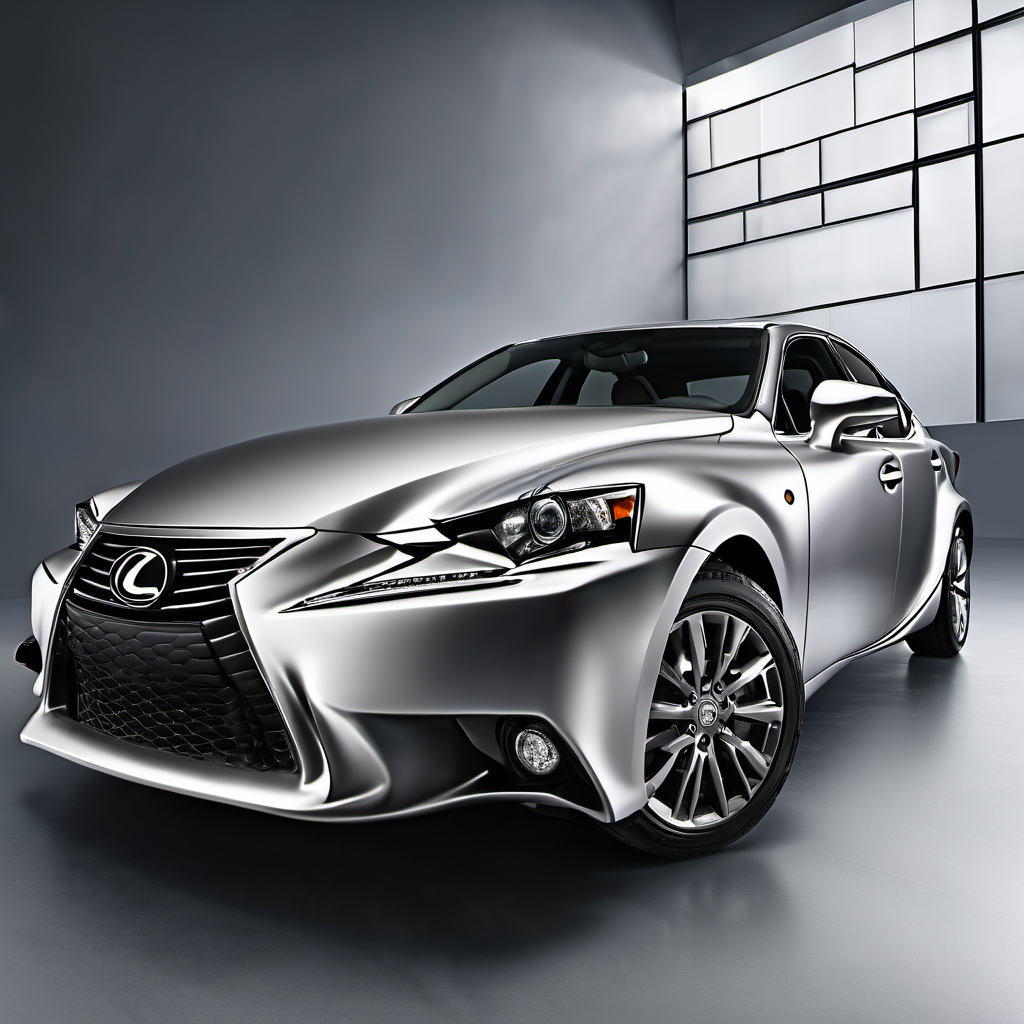
2014 Lexus IS 350
2014 Lexus
IS 350

RWD sport-luxury sedan in the same price band. More refined interior, stronger dealer support, but smaller and less feature-loaded at the same used price point.

2014 BMW
528i

Direct class competitor — RWD, six-cylinder, luxury sedan. Better driving dynamics but significantly higher maintenance costs and more complex electronics.

No catalog match
2014 Infiniti Q50
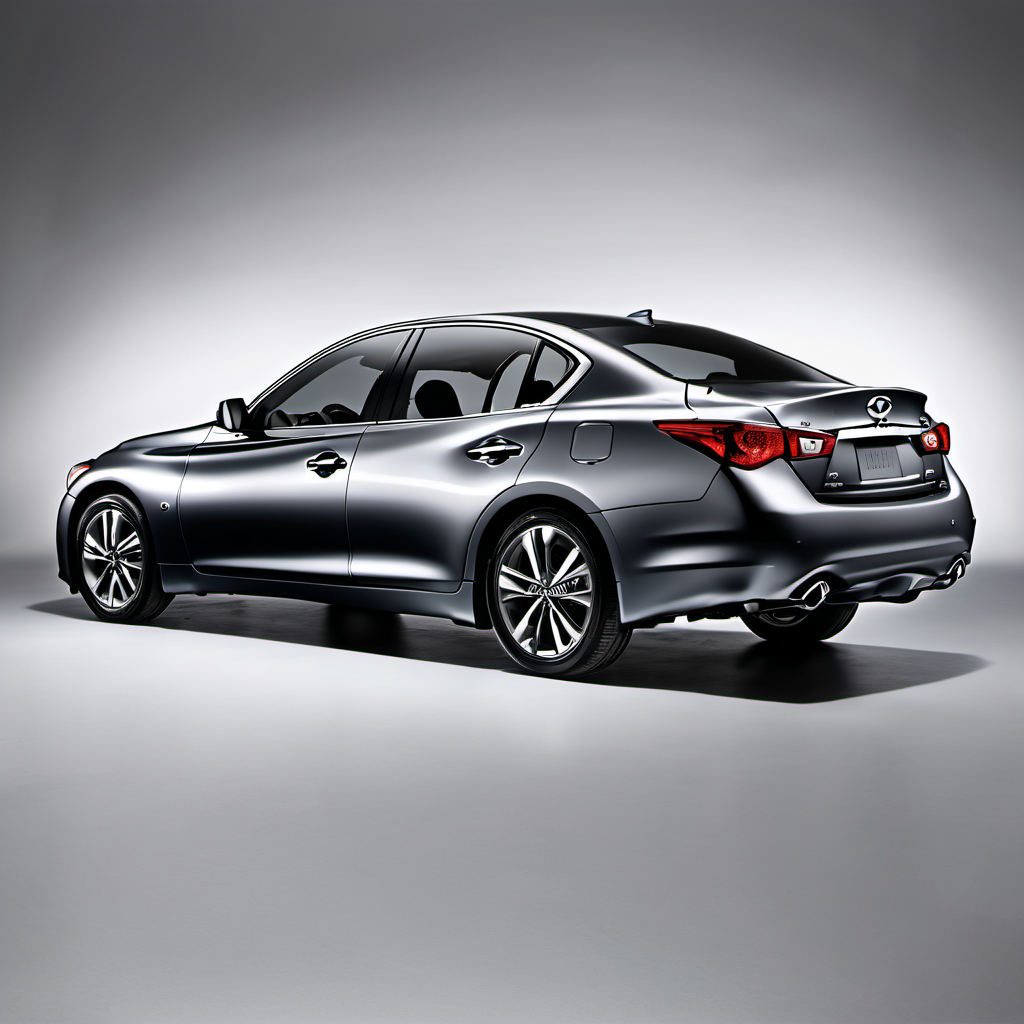
2014 Infiniti
Q50

RWD luxury sport sedan with a strong V6. Similar feature set and price range used. The Q50 has well-documented CVT and steering rack issues to research before buying.

2014 Kia
K900

Shares the same platform and Lambda V6. Larger, more formal body style. Lower volume means cheaper used prices but harder to find a well-maintained example.

No catalog match
AI profile generated 4 days ago · claude-sonnet-4-6 · v2.