Timing Belt Failure / Overdue Replacement
high- Typically appears
- 60–90k mi (and every 60k thereafter)
- Estimated repair
- $350 – $600
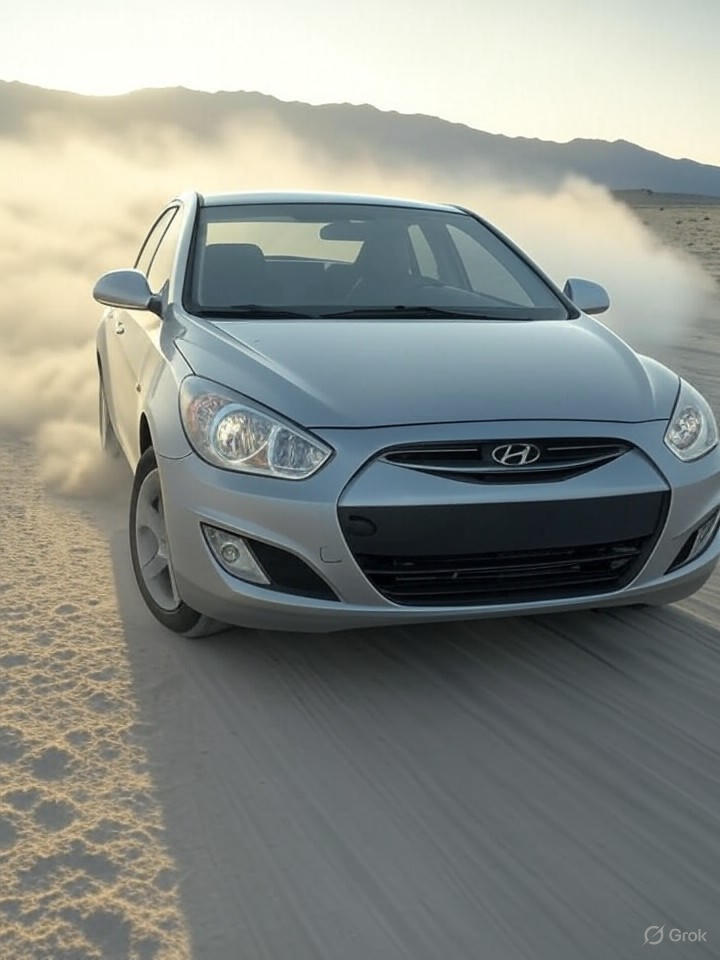
2010 Hyundai
1.6L I4 · Hatchback
The 2010 Hyundai Accent Hatchback is a third-generation (2006–2011) subcompact that Hyundai built to be dead-simple and affordable. Powered by a 1.6L four-cylinder and available with either a 5-speed manual or 4-speed automatic, it was aimed squarely at budget-conscious commuters who wanted low running costs above everything else. At roughly $10,500 new, it undercut most rivals on sticker and on insurance. The third-gen Accent earned a reputation as a reliable, easy-to-service commuter. It's not fast and it's not luxurious — the interior is basic plastic and the feature list is thin — but the drivetrain is straightforward, parts are cheap, and independent shops can work on it without special tools. Fuel economy of around 30 mpg combined is good for a 2010 non-hybrid. At 15+ years old, most Accents still on the road have high mileage. The big concerns are rust (Wisconsin salt is brutal on these), worn suspension bushings, and whether the timing belt has been kept up. A well-maintained example is still a practical daily driver; a neglected one can turn into a money pit fast.
The 2010 Hyundai Accent Hatchback is a third-generation (2006–2011) subcompact that Hyundai built to be dead-simple and affordable. Powered by a 1.6L four-cylinder and available with either a 5-speed manual or 4-speed automatic, it was aimed squarely at budget-conscious commuters who wanted low running costs above everything else. At roughly $10,500 new, it undercut most rivals on sticker and on insurance. The third-gen Accent earned a reputation as a reliable, easy-to-service commuter. It's not fast and it's not luxurious — the interior is basic plastic and the feature list is thin — but the drivetrain is straightforward, parts are cheap, and independent shops can work on it without special tools. Fuel economy of around 30 mpg combined is good for a 2010 non-hybrid. At 15+ years old, most Accents still on the road have high mileage. The big concerns are rust (Wisconsin salt is brutal on these), worn suspension bushings, and whether the timing belt has been kept up. A well-maintained example is still a practical daily driver; a neglected one can turn into a money pit fast.
This is a non-negotiable on an interference engine. Replace the water pump at the same time — it's driven by the same belt and the labor is already done. Skipping this is how a $400 job turns into a $3,000+ engine replacement.
The 1.6L has tight tolerances and doesn't forgive dirty oil. Given the car's age, more frequent changes catch problems early and keep sludge from building up in the VVT oil passages.
Old coolant loses its corrosion inhibitors and starts attacking aluminum components. Wisconsin winters make this even more critical — degraded coolant also raises freeze point, risking a cracked block in sub-zero temps.
Brake fluid is hygroscopic — it absorbs moisture over time, lowering boiling point and promoting internal corrosion in calipers and the master cylinder. Especially important in our wet winters.
Dirty engine air filters reduce fuel economy and throttle response. A clogged cabin filter strains the blower motor — a concern in a car this age where small electrical failures add up.
The 1.6L is sensitive to worn plugs — you'll notice harder cold starts and reduced MPG before a misfire code sets. Cold Wisconsin starts put extra stress on the ignition system.
This generation Accent rusts faster than average. Annual inspection of rockers, floor pans, and brake lines can catch problems before they become structural. Touch up any bare metal before winter.
A small-displacement engine already works hard in the cold. A marginal battery that tests fine in summer will fail at -10°F. Have it load-tested in October, not January.
Always defer to the manufacturer's service manual for warranty-mandated intervals.
The Accent's main ownership advantage is low cost across every category. Routine maintenance is cheap because parts are inexpensive and the engine is simple. The risk is deferred maintenance catching up all at once — a timing belt, struts, brakes, and a battery in the same year can push annual costs to $2,000+. Stay ahead of the schedule and this is one of the most affordable cars to keep running.
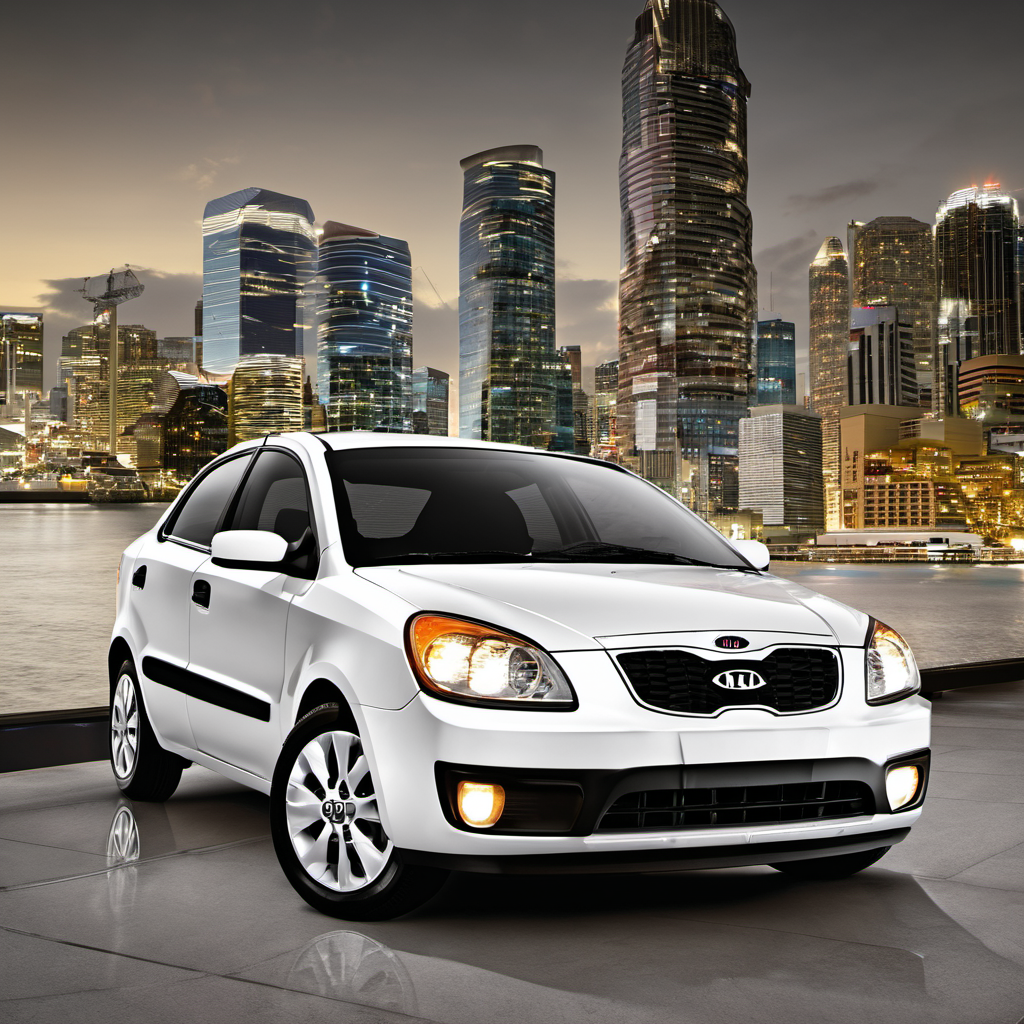
Essentially a platform twin to the Accent — same corporate parent, same price bracket, similar reliability profile. Compare specs and condition directly, not brand.
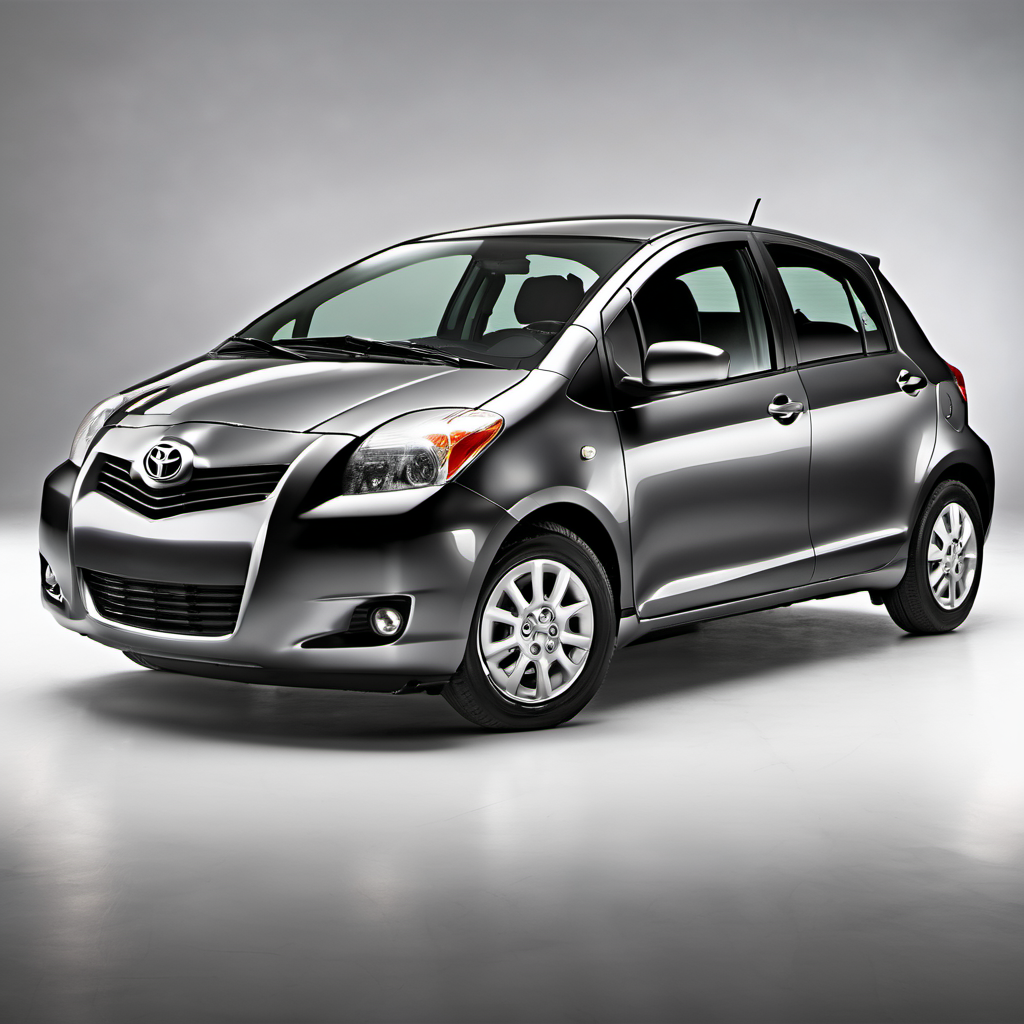
Similar size and price segment. The Yaris has a stronger long-term rust reputation and Toyota's reliability edge, but parts can cost slightly more.
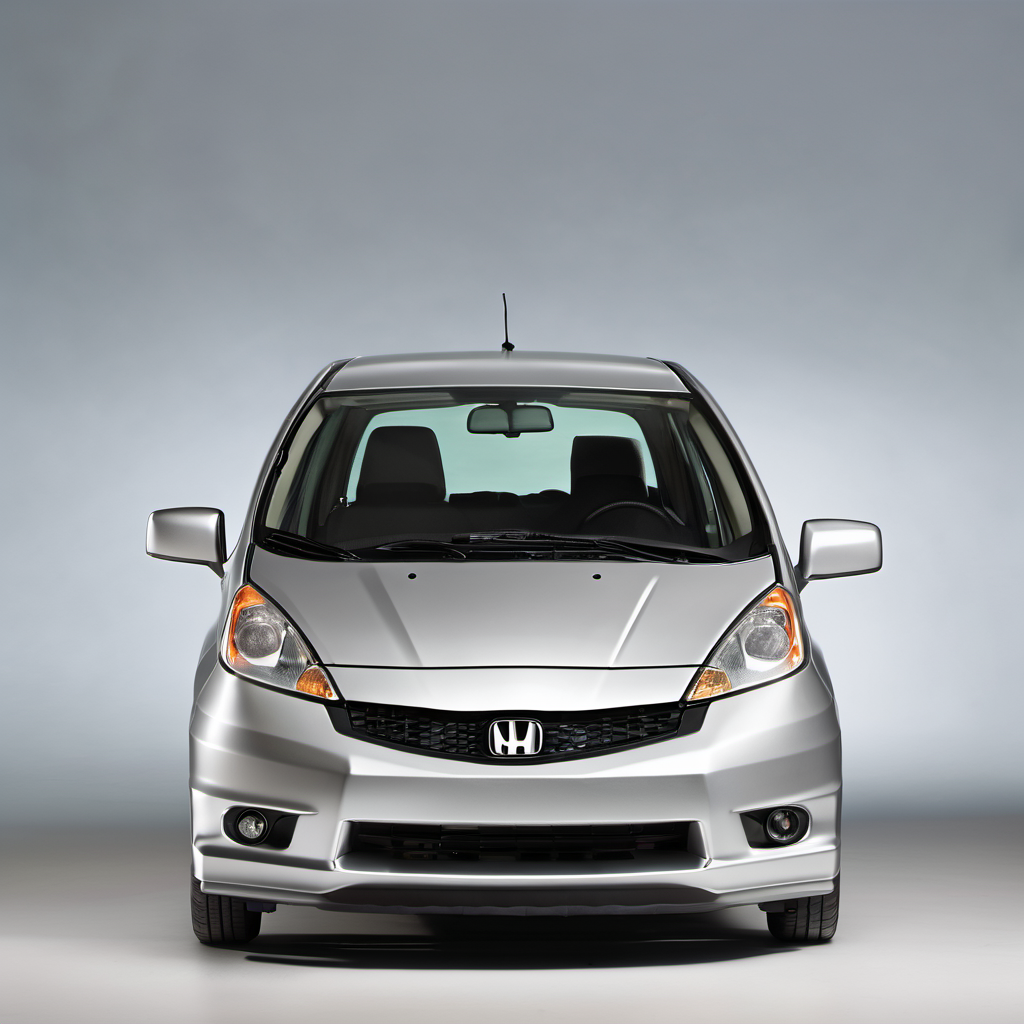
Slightly more expensive used but offers dramatically better interior packaging, higher resale value, and Honda's proven reliability record in the subcompact class.
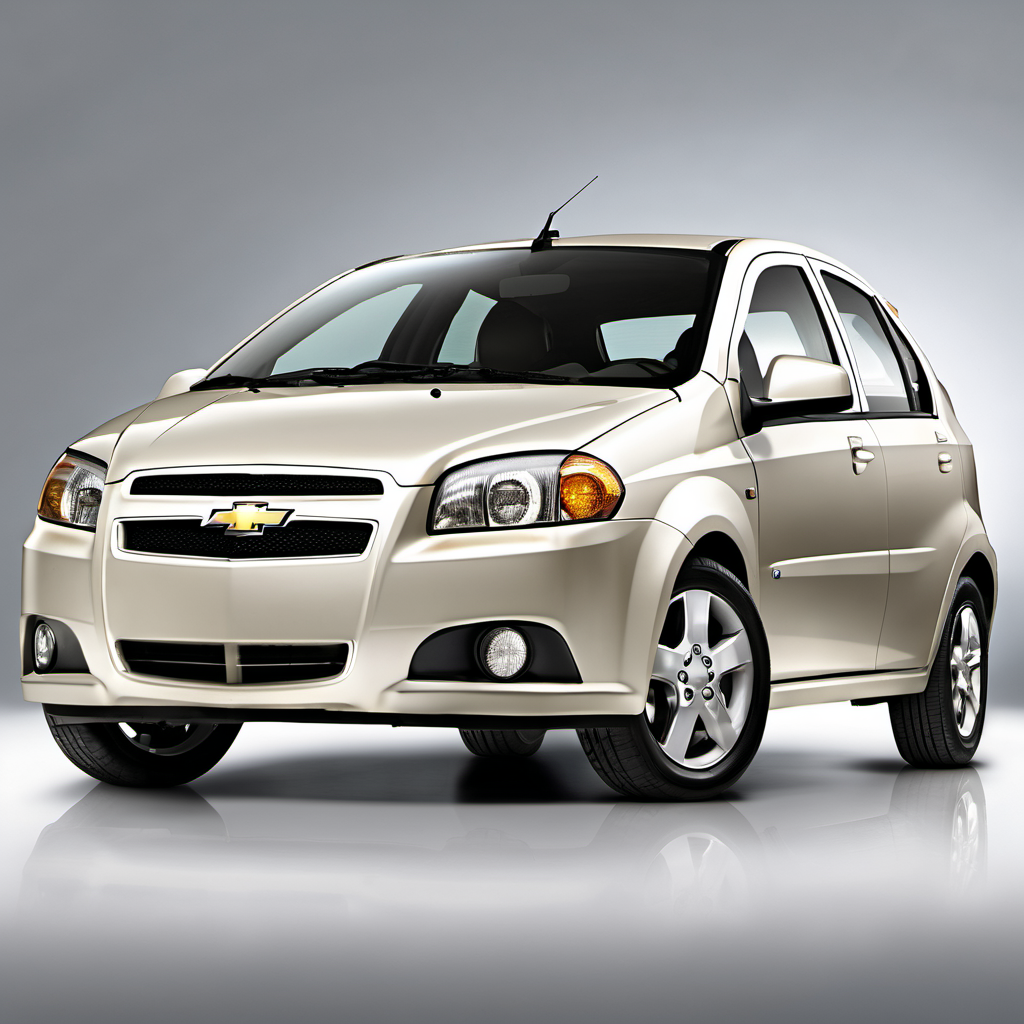
Direct price competitor but with a worse reliability track record than the Accent. Worth knowing it exists if you're cross-shopping — but the Accent is generally the better buy between the two.