62TE Transmission Shudder / Failure
high- Typically appears
- 60–120k mi
- Estimated repair
- $1,800 – $4,200

2010 Chrysler
3.8L V6 · Van/Minivan
The 2010 Chrysler Town & Country is a fifth-generation minivan built on the RS platform, sharing its bones with the Dodge Grand Caravan. It seats seven and was sold as the more upscale sibling — offering standard leather, a power-sliding rear door on most trims, and the Stow 'n Go second-row seating that folds flat into the floor. Power comes from Chrysler's 3.8L V6 on base trims or the more capable 4.0L V6 on higher trims. For a family hauler, the Town & Country does its job well: generous interior volume, easy ingress/egress, and the fold-flat floor is genuinely useful for cargo runs. Fuel economy is acceptable for the class. However, the 2010 model sits squarely in a generation known for transmission headaches, electrical gremlins, and a few powertrain-control reliability concerns that prospective buyers and current owners should know about. At 15+ years old, most of these vans are well into high-mileage territory. Deferred maintenance is common on aging minivans. A pre-purchase inspection by a trusted shop is non-negotiable at this point.
The 2010 Chrysler Town & Country is a fifth-generation minivan built on the RS platform, sharing its bones with the Dodge Grand Caravan. It seats seven and was sold as the more upscale sibling — offering standard leather, a power-sliding rear door on most trims, and the Stow 'n Go second-row seating that folds flat into the floor. Power comes from Chrysler's 3.8L V6 on base trims or the more capable 4.0L V6 on higher trims. For a family hauler, the Town & Country does its job well: generous interior volume, easy ingress/egress, and the fold-flat floor is genuinely useful for cargo runs. Fuel economy is acceptable for the class. However, the 2010 model sits squarely in a generation known for transmission headaches, electrical gremlins, and a few powertrain-control reliability concerns that prospective buyers and current owners should know about. At 15+ years old, most of these vans are well into high-mileage territory. Deferred maintenance is common on aging minivans. A pre-purchase inspection by a trusted shop is non-negotiable at this point.
The 62TE is the single highest-risk component on this van. Fresh fluid is the cheapest insurance against the shudder and solenoid failures that kill these transmissions early. If the fluid has never been changed and the van has 80k+ miles, a flush is the first priority.
The 3.8L V6 is prone to sludge when oil changes are skipped. In Wisconsin winters, the cold starts are hard on oil. Full synthetic with a 5,000-mile cap gives the VVT system clean oil to operate correctly.
The 3.8L uses standard-interval plugs. Worn plugs cause misfires that stress the ignition coils and can mimic sensor codes. Straightforward DIY on this engine.
HOAT coolant degrades and becomes acidic; acidic coolant attacks the water pump, thermostat, and heater core — all expensive on this platform.
The TIPM controls fuel pump relay, windows, horn, and more. Early symptoms — intermittent no-start, wipers running on their own, horn honking — should be diagnosed immediately before you're stranded.
Dirty or dry tracks accelerate motor wear. Cleaning and lubricating the tracks is cheap; replacing a burned-out door motor is not.
Cold-cranking demand is high on a V6 minivan. A battery that passes a basic voltage test in summer can still fail a cold-weather load test. Replace any battery over 4 years old heading into winter.
Wisconsin road salt accelerates brake line corrosion. At 15 years old, original brake lines may be dangerously thin. A full underside visual of the brake lines is essential at every oil change.
Always defer to the manufacturer's service manual for warranty-mandated intervals.
The Town & Country is inexpensive to insure and fuel, but maintenance costs are above average for a 15-year-old vehicle with known transmission and electrical vulnerabilities. Budget on the high end of the maintenance range if the transmission has not been recently serviced or if any TIPM symptoms have appeared. A major transmission repair can wipe out 1–2 years of normal maintenance savings in a single visit.
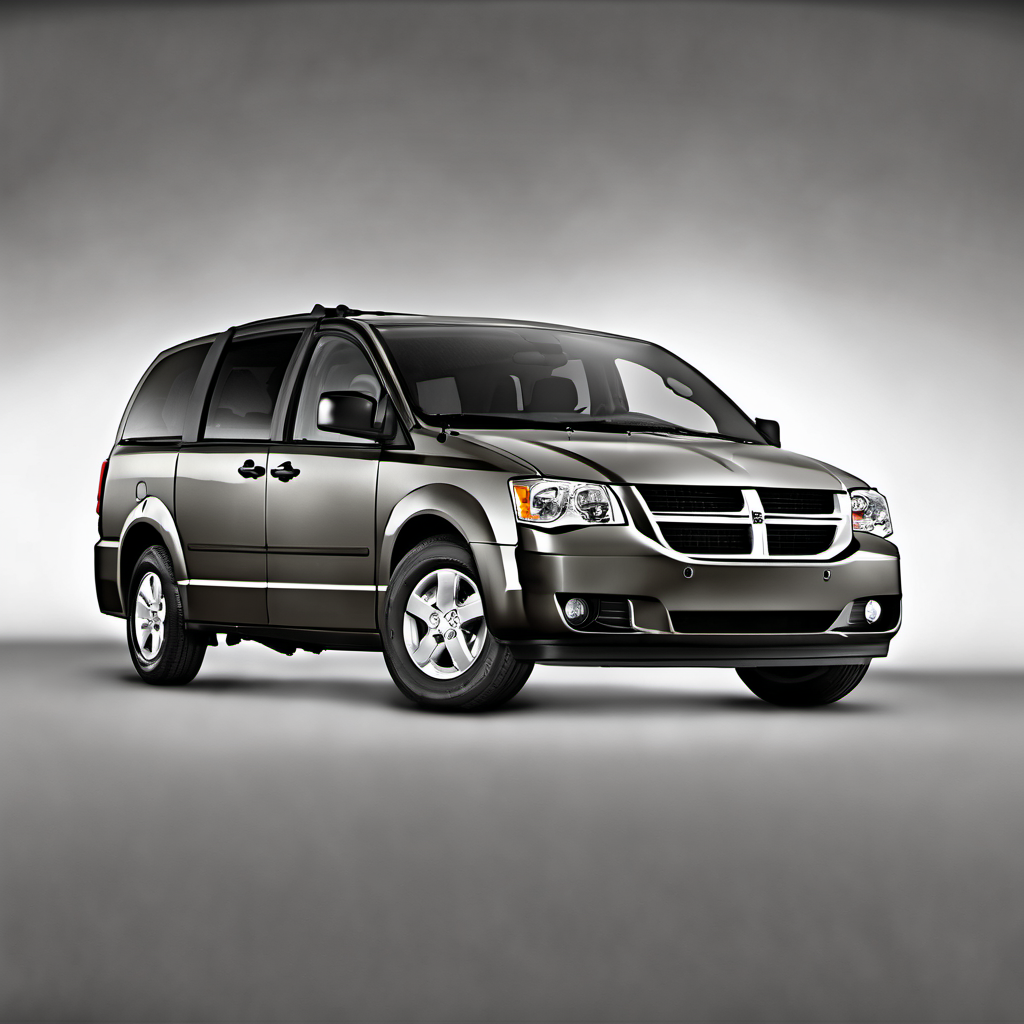
Mechanically identical platform and powertrain — often $1,000–$3,000 less for the same van with fewer luxury features. Good alternative if budget is the priority.

Significantly more reliable in this generation with a stronger transmission and better long-term durability record. Costs more used but typically needs fewer unplanned repairs.
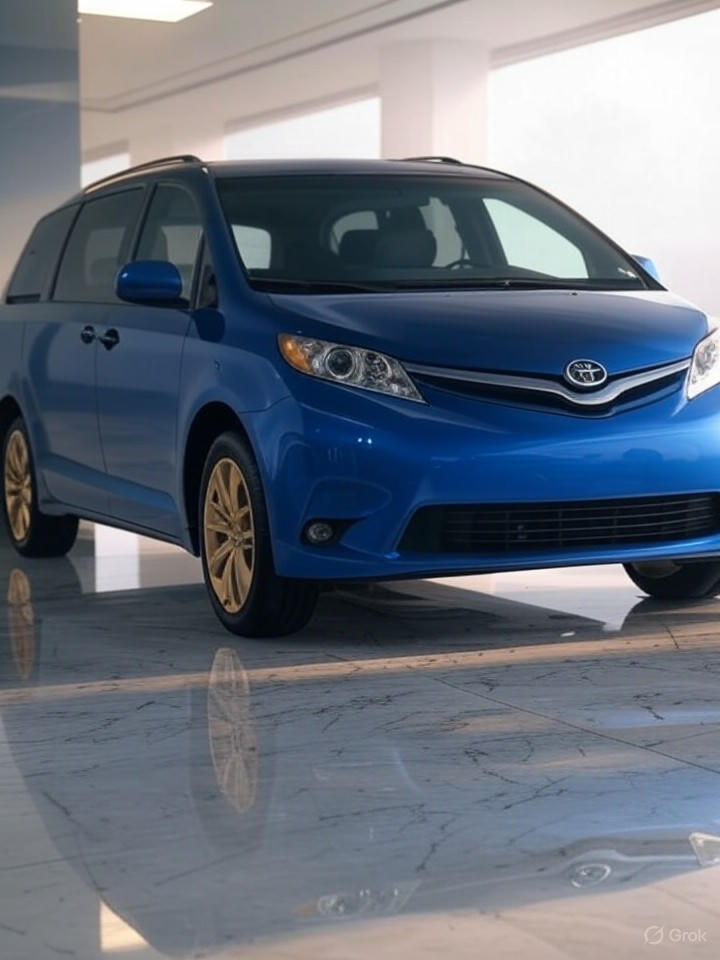
Toyota's minivan entry offers comparable space and features with a notably better reliability track record. Available in AWD, which is a real advantage in Wisconsin winters.

Lower purchase price, similar seating capacity, and fewer of the TIPM/transmission headaches. Less parts availability than domestic vans but more reliable for the era.