4-Speed Automatic Transmission Failure (41TE)
high- Typically appears
- 80–150k mi
- Estimated repair
- $1,800 – $3,500
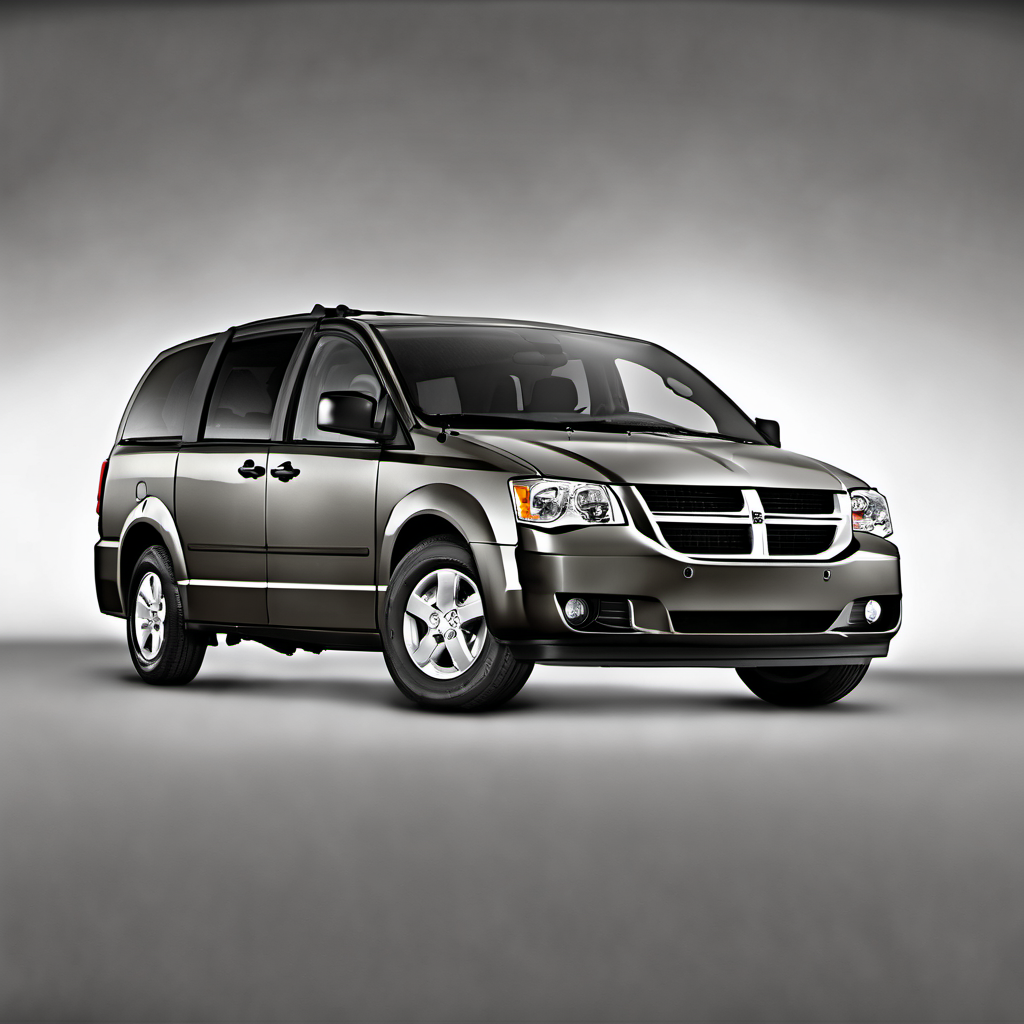
2010 Dodge
3.3L V6 · Van/Minivan
The 2010 Dodge Grand Caravan Cargo is the commercial/fleet variant of Chrysler's long-running Grand Caravan platform. With the rear seat rows removed from the factory, it turns the minivan body into a surprisingly capable light cargo hauler — think plumber's van, florist delivery, or small-business parts runner. It shares its platform, drivetrain, and most of its mechanicals with the passenger Grand Caravan, which means a deep pool of affordable parts and a wide network of technicians who know the vehicle well. Power comes from the 3.3L or 3.8L V6 (3.3L was the standard fitment for cargo trim), mated to a 4-speed automatic. Neither engine is exciting, but both are well-understood. The 3.3L in particular has a long track record of reaching high mileage when maintained. The 4-speed automatic is the weak link — it requires clean fluid to live, and most fleet units don't get that attention. For a 2010 at this point in its life, expect high mileage, hard fleet use, and deferred maintenance. The price of entry is low, running costs can be reasonable, but you need to go in with eyes open about the transmission, front-end wear, and rust from Wisconsin road salt.
The 2010 Dodge Grand Caravan Cargo is the commercial/fleet variant of Chrysler's long-running Grand Caravan platform. With the rear seat rows removed from the factory, it turns the minivan body into a surprisingly capable light cargo hauler — think plumber's van, florist delivery, or small-business parts runner. It shares its platform, drivetrain, and most of its mechanicals with the passenger Grand Caravan, which means a deep pool of affordable parts and a wide network of technicians who know the vehicle well. Power comes from the 3.3L or 3.8L V6 (3.3L was the standard fitment for cargo trim), mated to a 4-speed automatic. Neither engine is exciting, but both are well-understood. The 3.3L in particular has a long track record of reaching high mileage when maintained. The 4-speed automatic is the weak link — it requires clean fluid to live, and most fleet units don't get that attention. For a 2010 at this point in its life, expect high mileage, hard fleet use, and deferred maintenance. The price of entry is low, running costs can be reasonable, but you need to go in with eyes open about the transmission, front-end wear, and rust from Wisconsin road salt.
The 41TE 4-speed automatic is highly sensitive to fluid condition. Dark or burnt fluid is the #1 precursor to solenoid pack failure and hard shifts. Use ATF+4 fluid only. This is the single most important service on this van.
The 3.3L V6's VVT oil passages clog with sludge from extended drain intervals. Oil-starved cam phasers trigger P0012/P0022 codes and can cause expensive timing chain wear. Do not stretch intervals on high-mileage examples.
The 3.3L has internal coolant passages that corrode if the wrong coolant type is mixed in. Verify the coolant is OAT/HOAT-compatible (Mopar or equivalent). Mixing green conventional coolant causes accelerated corrosion of the crossover tube.
Cargo variants cycle the sliding door far more than passenger vans. Dry tracks and worn rollers lead to latch failures and doors that won't latch securely — a safety issue when driving.
FWD minivans in Wisconsin accumulate salt-accelerated bushing rot. Worn front-end components cause uneven tire wear and vague steering. Catch them early — a set of control arms is far cheaper than a tire blowout or alignment failure.
Rubber brake hoses on 2010-era Chrysler minivans crack and swell internally from age and salt exposure, causing soft pedal feel or dragging brakes. Brake fluid absorbs moisture and should be flushed every 2 years in Wisconsin's temperature swings.
Road salt aggressively attacks the exhaust on this generation. Rattling heat shields are common and can contact the body or cargo floor. Inspect hangers, clamps, and shields each fall.
The 3.3L requires a healthy battery for reliable cold starts. A battery that passes a simple voltage test in summer may fail a load test in sub-zero Wisconsin temps. Any battery over 4 years old should be load-tested before November.
Always defer to the manufacturer's service manual for warranty-mandated intervals.
This is a low-cost-to-buy, moderate-cost-to-keep vehicle — as long as you stay on top of the transmission fluid and engine oil. Neglect those two items and you're looking at a $2,000+ repair that can exceed the van's market value. Annual maintenance on a well-kept example runs $700–$1,200; a deferred-maintenance example catching up on everything can hit $1,800 or more in year one. Parts are cheap and available everywhere, which keeps independent-shop labor from padding the bill.

Essentially the same van under a different badge — shares the identical platform, drivetrain, and parts bin. The Town & Country often had slightly better trim and slightly higher resale, but mechanically it's a direct peer.
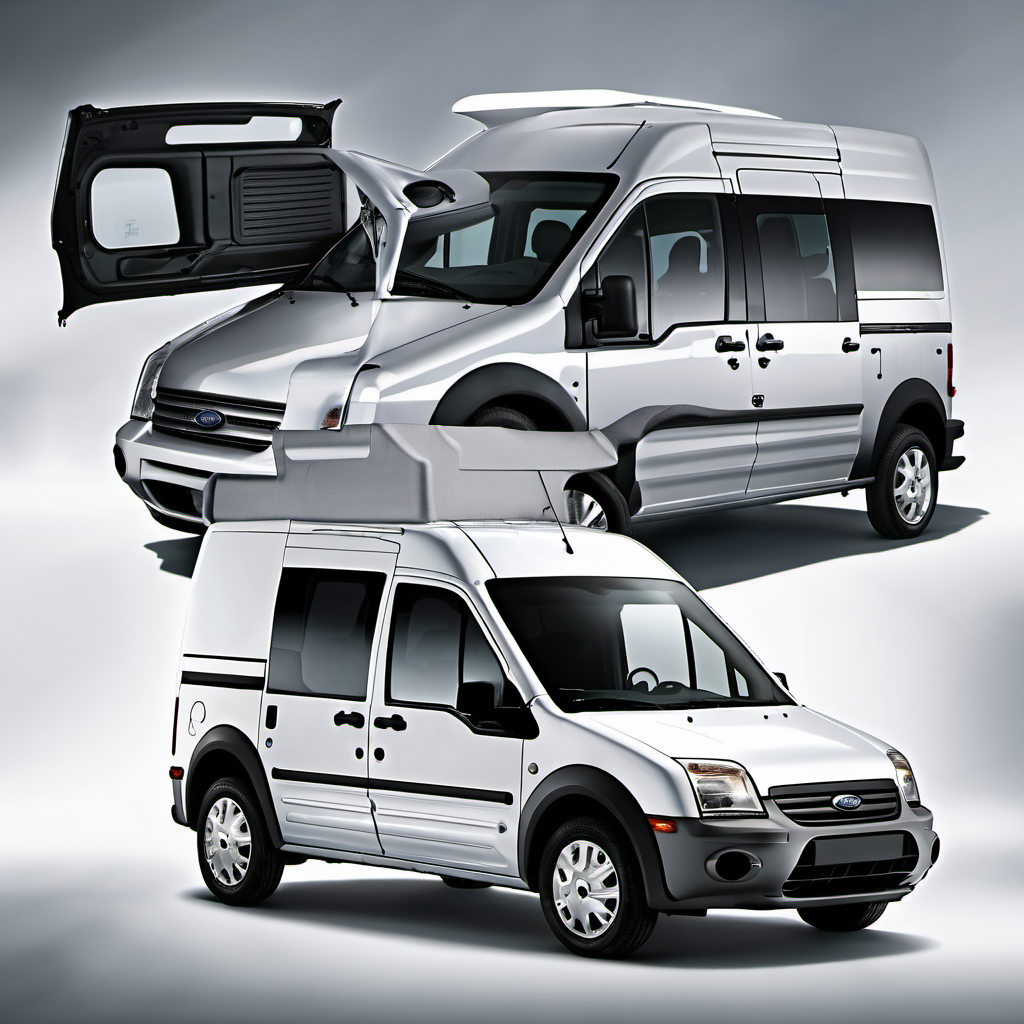
Smaller cargo van in a similar price range. Better fuel economy and easier to park in urban delivery routes, but significantly less cargo volume and a less proven long-mileage track record at this point.
Full-size cargo van with more capacity and a more durable automatic transmission, but worse fuel economy and harder to maneuver. Worth considering if cargo volume requirements are larger.
No catalog match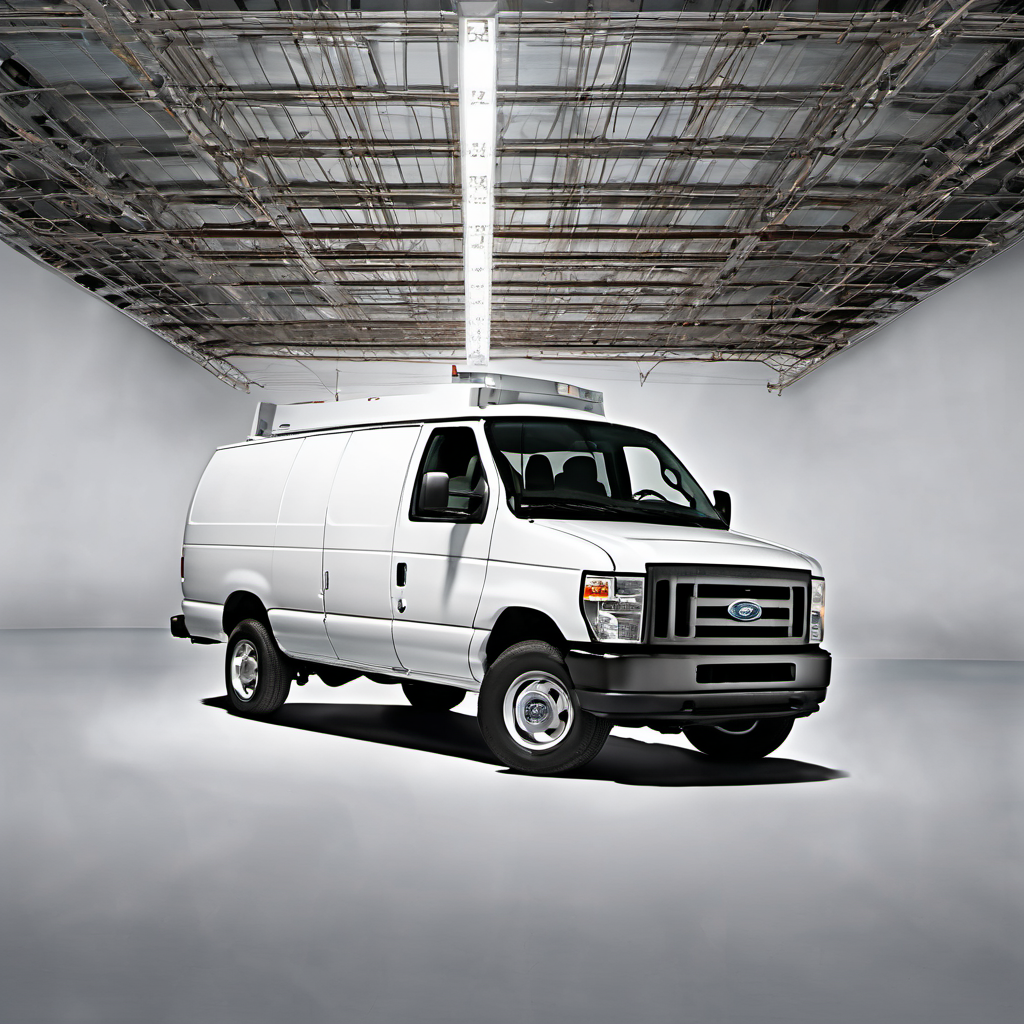
Body-on-frame full-size cargo van — more durable for heavy daily use and easier to repair, but worse MPG, harder to park, and the body-on-frame design rusts differently in Wisconsin salt environments.