CVVT / VVT Sludge and Timing Code Faults
high- Typically appears
- 60–150k mi
- Estimated repair
- $300 – $1,800

2010 Kia
Van/Minivan
The 2010 Kia Sedona is a full-size front-wheel-drive minivan powered by a 3.8L V6. It sits squarely in the family hauler category, offering three rows, a sliding rear door on each side, and a reasonably comfortable interior at a price point well below the Honda Odyssey and Toyota Sienna when new. By 2010, Kia had sorted out most of the first-generation gremlins and the Sedona was a credible value buy — though it still trailed the Japanese competition in long-term reliability and refinement. The 3.8L Lambda V6 is a decent engine when maintained properly, but it has a well-documented sensitivity to oil change intervals. Sludge buildup in the variable valve timing (CVVT) system is the single biggest thing that kills these engines early. Owners who stuck to 5,000-mile or shorter oil change intervals with the correct viscosity generally had good results past 150k miles. For a Lake Geneva family — road trips, school runs, hauling sports gear through Wisconsin winters — the Sedona does the job. Just be honest about maintenance history when buying used, and budget for the suspension refresh that most high-mileage examples will need.
The 2010 Kia Sedona is a full-size front-wheel-drive minivan powered by a 3.8L V6. It sits squarely in the family hauler category, offering three rows, a sliding rear door on each side, and a reasonably comfortable interior at a price point well below the Honda Odyssey and Toyota Sienna when new. By 2010, Kia had sorted out most of the first-generation gremlins and the Sedona was a credible value buy — though it still trailed the Japanese competition in long-term reliability and refinement. The 3.8L Lambda V6 is a decent engine when maintained properly, but it has a well-documented sensitivity to oil change intervals. Sludge buildup in the variable valve timing (CVVT) system is the single biggest thing that kills these engines early. Owners who stuck to 5,000-mile or shorter oil change intervals with the correct viscosity generally had good results past 150k miles. For a Lake Geneva family — road trips, school runs, hauling sports gear through Wisconsin winters — the Sedona does the job. Just be honest about maintenance history when buying used, and budget for the suspension refresh that most high-mileage examples will need.
The 3.8L Lambda V6 CVVT system is extremely sensitive to dirty oil. Sludge in the oil control valves triggers VVT codes and can lead to timing chain wear. This is the single most important interval on this vehicle.
Kia's 'lifetime' fluid claim is optimistic. Fresh fluid at this interval prevents shudder and shift flare on the 5-speed auto, especially if you tow or do a lot of stop-and-go.
The 3.8L V6 uses iridium plugs with a 60k service life. Running past that can cause misfires and unnecessary stress on ignition coils.
Kia uses a long-life coolant that degrades and becomes corrosive. Wisconsin freeze cycles accelerate this; don't skip it.
Brake fluid is hygroscopic. In a Wisconsin winter environment with wide temperature swings, moisture-laden fluid raises brake fade risk and corrodes ABS components.
Salt and road grime pack into the sliding door tracks. Lubrication prevents motor overload and latch freeze-up, which is the primary cause of sliding door motor failures.
These wear faster on Wisconsin roads with frost heaves and potholes. Catching them early avoids accelerated tire wear and handling degradation.
A clogged air filter reduces the fuel trim headroom the CVVT system needs to operate correctly, especially at cold starts.
Always defer to the manufacturer's service manual for warranty-mandated intervals.
The Sedona is a low-cost-to-own minivan as long as you stay ahead of oil changes and don't defer the transmission and suspension services. A neglected example can easily require $2,000–$4,000 in catch-up work. A well-maintained one is genuinely cheap to run — parts are affordable and most independent shops can work on it without special tooling.
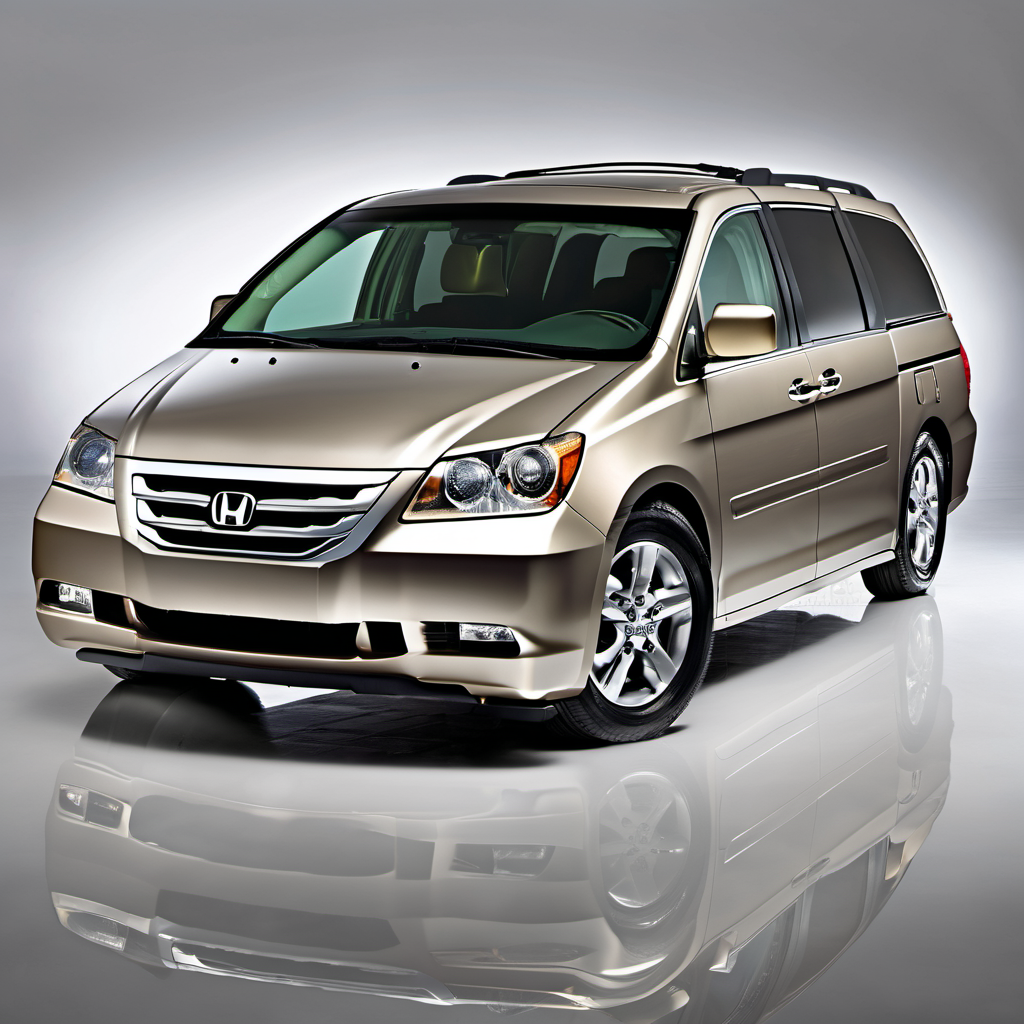
The benchmark family minivan of the era. Slightly higher purchase price and repair costs, but class-leading reliability and resale. If maintenance history is unknown, the Odyssey is the safer used buy.
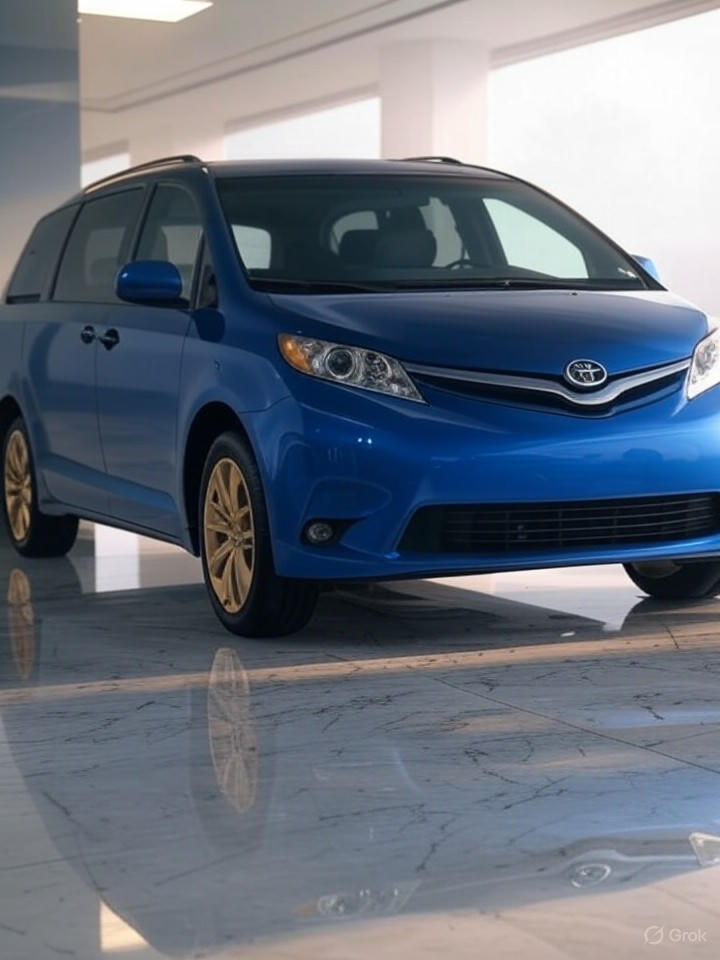
Available in AWD — a meaningful advantage for Wisconsin winters. More expensive than the Sedona but arguably the most durable minivan on the market. Long-term ownership costs favor the Sienna.

Similar price bracket to the Sedona, more features standard (Stow 'n Go seating), but historically less reliable drivetrain and higher long-term repair costs. A lateral move, not an upgrade.
Essentially a rebadged first-generation Sedona sharing the same platform and 3.8L V6. If you find a clean Entourage, the same maintenance rules apply — it's the same van with different sheet metal.
No catalog match