Frame rust and underbody corrosion
high- Typically appears
- 80k–200k mi
- Estimated repair
- $500 – $4,000
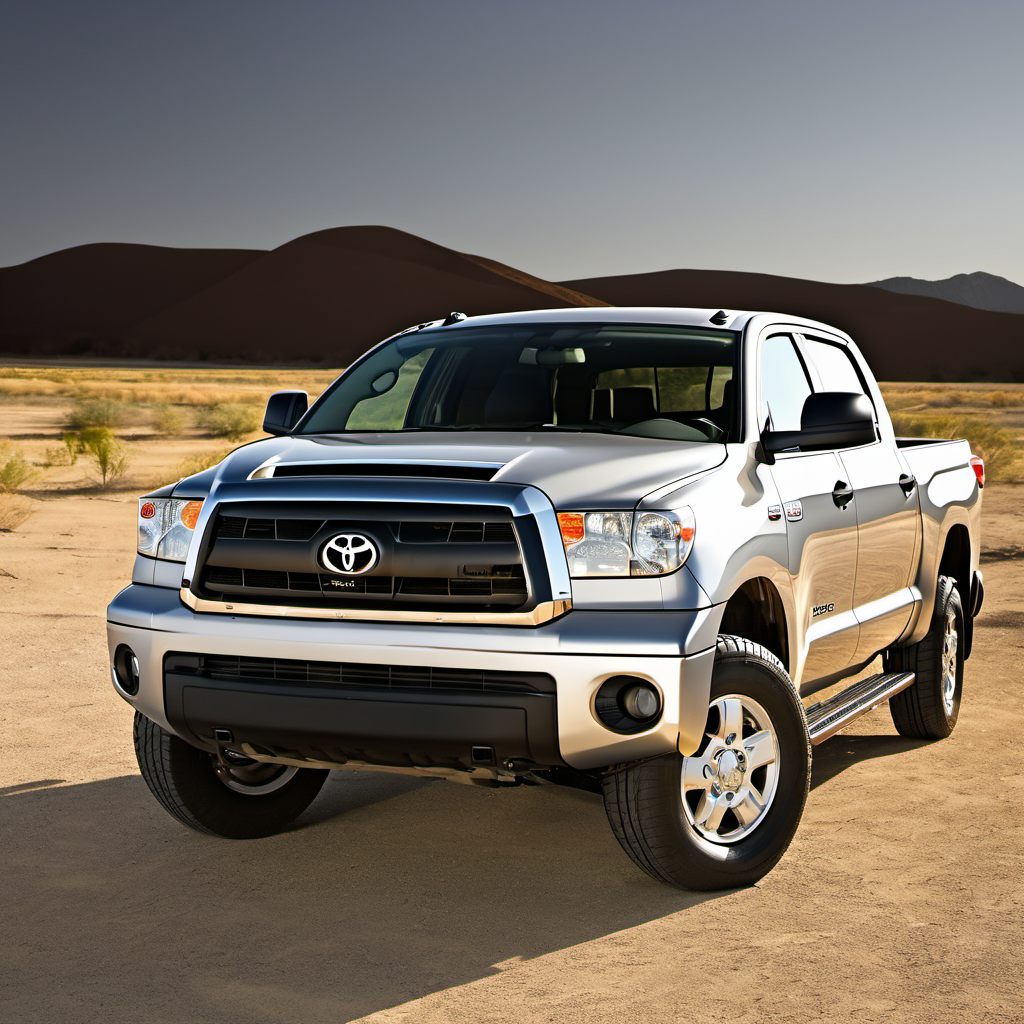
2008 Toyota
4.0L V6 · Pickup
The 2008 Toyota Tundra CrewMax is the second-generation Tundra's flagship cab configuration, offering a full-size rear seating area that rivals most car back seats. Toyota went all-in on this generation to compete directly with American full-sizers, and the result is a truck that punches well above its Japanese-brand reputation in raw capability. The heart of this truck — when properly equipped — is the 5.7L 3UR-FE V8, one of the most durable truck engines Toyota has ever built. The NHTSA data confirms the 5.7L V8 as the engine in this VIN, overriding the 4.0L V6 listed in the spec sheet. That distinction matters: the 5.7L is what most buyers actually cross-shopped against the F-150 and Silverado, and it's the engine that earned this generation its reputation. For Lake Geneva-area buyers, the CrewMax's size is worth noting: at nearly 19 feet long, parking in tight spots demands attention. But the 4WD system, high ground clearance, and Toyota's overall build quality make it a solid year-round Wisconsin hauler.
The 2008 Toyota Tundra CrewMax is the second-generation Tundra's flagship cab configuration, offering a full-size rear seating area that rivals most car back seats. Toyota went all-in on this generation to compete directly with American full-sizers, and the result is a truck that punches well above its Japanese-brand reputation in raw capability. The heart of this truck — when properly equipped — is the 5.7L 3UR-FE V8, one of the most durable truck engines Toyota has ever built. The NHTSA data confirms the 5.7L V8 as the engine in this VIN, overriding the 4.0L V6 listed in the spec sheet. That distinction matters: the 5.7L is what most buyers actually cross-shopped against the F-150 and Silverado, and it's the engine that earned this generation its reputation. For Lake Geneva-area buyers, the CrewMax's size is worth noting: at nearly 19 feet long, parking in tight spots demands attention. But the 4WD system, high ground clearance, and Toyota's overall build quality make it a solid year-round Wisconsin hauler.
The 3UR-FE's VVT-i system is highly sensitive to oil cleanliness. Sludged oil is the #1 cause of camshaft timing codes and OCV failures on this engine. Do not stretch intervals.
Small screens inside the OCVs clog with sludge and trigger P0012/P0015/P0022/P0025 codes. Cleaning or replacing them early is far cheaper than a timing repair.
Wisconsin road salt aggressively attacks the rear brake hardware on this truck. Catching a sticking caliper early prevents rotor and pad damage.
Frame rust is the single biggest long-term threat to this truck's value and safety in the upper Midwest. Annual undercoating treatment pays for itself many times over.
The 5.7L V8 uses iridium plugs with long service life, but worn plugs on an 8-cylinder are expensive to ignore and can stress ignition coils.
A restricted air filter on a naturally aspirated V8 this size meaningfully hurts fuel economy, which is already tight at 13–17 MPG.
Toyota's long-life coolant still degrades in Wisconsin's wide temperature swings. Fresh coolant protects the water pump and thermostat.
Cold cranking a 5.7L V8 in sub-zero temps draws massive battery current. A marginal battery that starts fine in October will leave you stranded in January.
Always defer to the manufacturer's service manual for warranty-mandated intervals.
Day-to-day maintenance costs are moderate and predictable if you stay on top of oil changes. The big cost exposure is rust — frame treatment, brake line replacement, and caliper rebuilds add up fast on salt-belt trucks. Budget an extra $300–$600/year for underbody protection and inspection if this truck hasn't already had it done. Fuel is the largest ongoing expense given the V8's appetite.
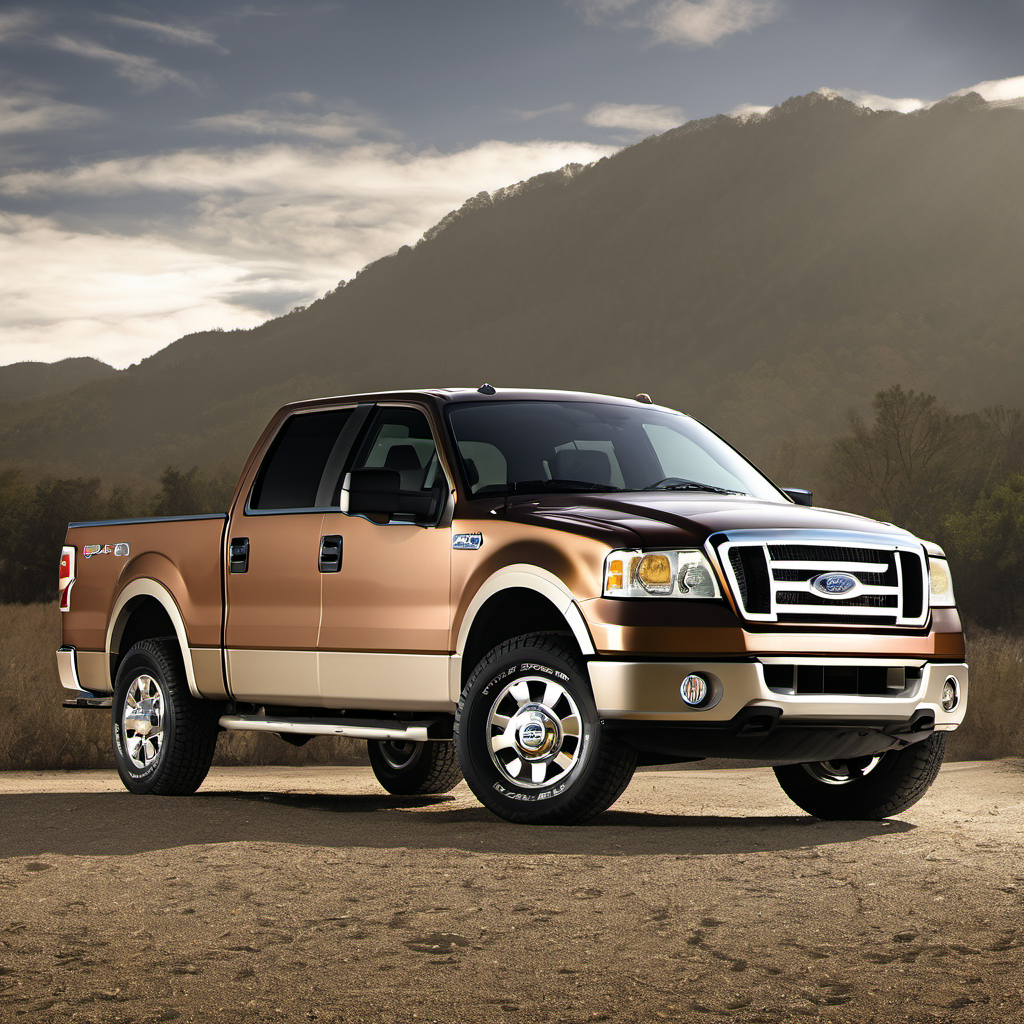
Direct full-size competitor with similar crew cab space and V8 options. Slightly more aftermarket support; frame rust is also a concern on Wisconsin examples.
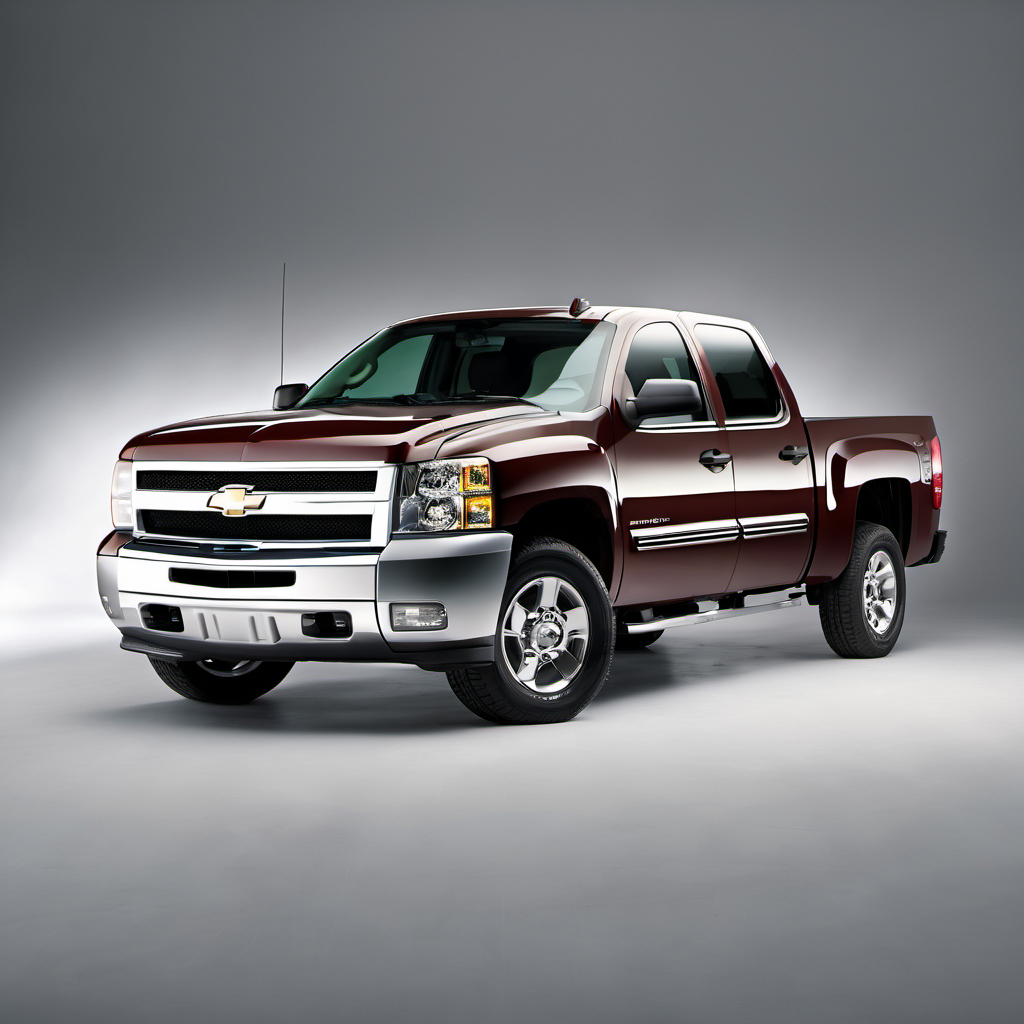
GM's 5.3L V8 is fuel-efficient and reliable; larger dealer/service network. Compare rust condition carefully on any upper-Midwest example.
Softer ride than the Tundra, strong V8 options. Less renowned for long-term reliability at very high mileage compared to the Tundra 5.7L.
No catalog match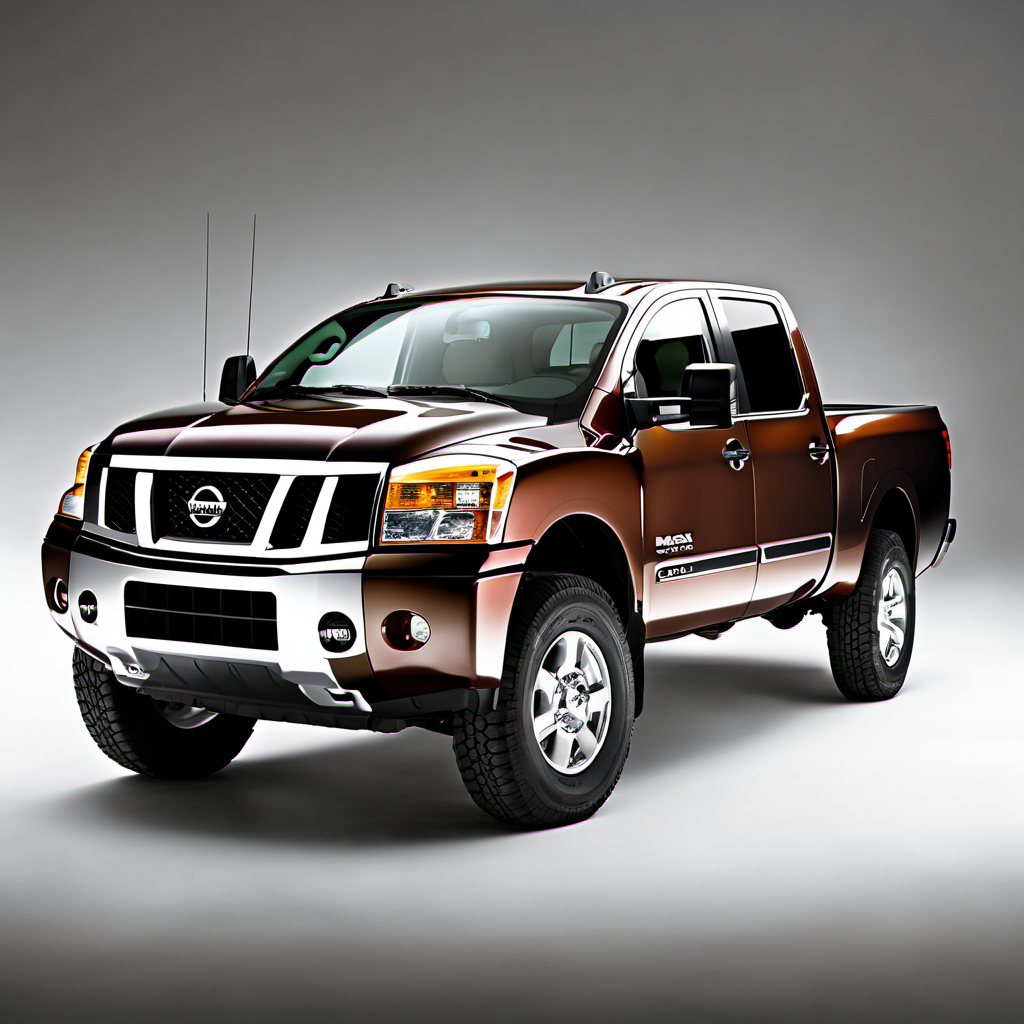
Fellow Japanese-brand competitor with a stout 5.6L V8. Smaller market share means fewer used parts and less service familiarity locally.