CVVT (Continuous Variable Valve Timing) Sludge / Solenoid Failure
high- Typically appears
- 80–150k mi
- Estimated repair
- $300 – $900
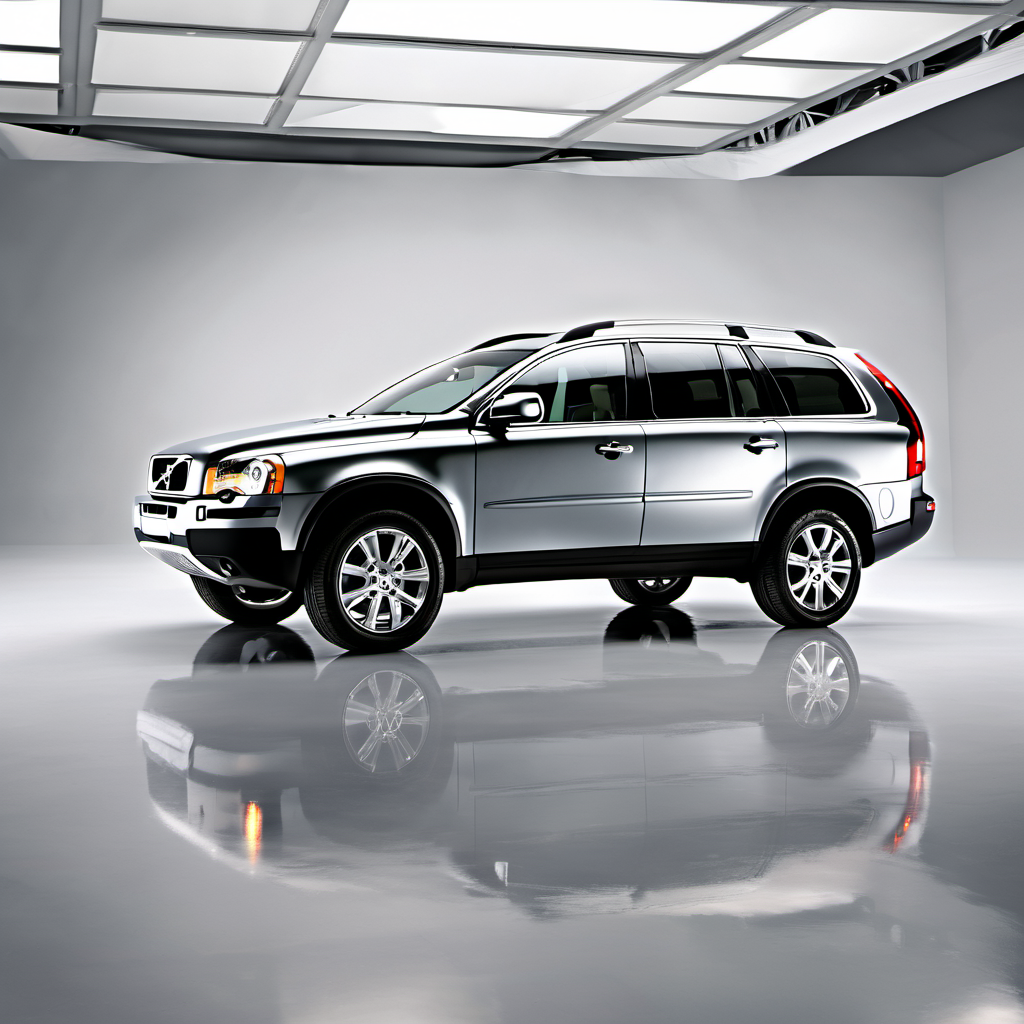
2007 Volvo
SUV
The 2007 Volvo XC90 is a mid-size luxury SUV built on Volvo's P2 platform, sharing its bones with the S80 and V70. It was Volvo's first SUV and carved out a niche for safety-conscious buyers who wanted European refinement without sacrificing practicality. The 2.5T trim uses a turbocharged 5-cylinder engine producing 208 hp, paired with a 5-speed automatic, and is available in FWD or AWD configurations — though most buyers sought out the AWD version for its all-weather capability. By 2007, the XC90 was in the back half of its first-generation run (it ran through 2014 with modest updates). It had sorted out some of its early-year gremlins but was beginning to show the age-related wear patterns common to European luxury SUVs of this era. Repair costs trend higher than domestic competitors, and finding a well-maintained example is key. In the Lake Geneva area, this vehicle's biggest challenge is the salt and freeze-thaw cycle. Corrosion on brake lines, suspension components, and the undercarriage is a genuine concern on any XC90 that's spent its life in the upper Midwest. Budget accordingly.
The 2007 Volvo XC90 is a mid-size luxury SUV built on Volvo's P2 platform, sharing its bones with the S80 and V70. It was Volvo's first SUV and carved out a niche for safety-conscious buyers who wanted European refinement without sacrificing practicality. The 2.5T trim uses a turbocharged 5-cylinder engine producing 208 hp, paired with a 5-speed automatic, and is available in FWD or AWD configurations — though most buyers sought out the AWD version for its all-weather capability. By 2007, the XC90 was in the back half of its first-generation run (it ran through 2014 with modest updates). It had sorted out some of its early-year gremlins but was beginning to show the age-related wear patterns common to European luxury SUVs of this era. Repair costs trend higher than domestic competitors, and finding a well-maintained example is key. In the Lake Geneva area, this vehicle's biggest challenge is the salt and freeze-thaw cycle. Corrosion on brake lines, suspension components, and the undercarriage is a genuine concern on any XC90 that's spent its life in the upper Midwest. Budget accordingly.
The CVVT system's oil passages are narrow and clog with sludge from conventional oil or extended intervals. This is the single most important maintenance item on the 2.5T. Do not stretch intervals.
Interference engine — belt failure destroys the engine. Water pump is driven by the belt; replace it at the same time to avoid re-doing labor. Verify history before purchase; replace immediately if unknown.
Volvo specs this as a 'lifetime' fill but real-world longevity improves significantly with periodic changes. Use only Volvo/Aisin-approved ATF.
Small mesh screens on the VVT solenoids collect sludge and restrict oil flow to the CVVT actuators. Cleaning them is low cost and prevents the more expensive solenoid or actuator failure.
Accessory belt failure disables charging and cooling. Pulleys often fail before the belt shows visible wear — inspect bearings when the belt is replaced.
Volvo's ABS and stability control systems are sensitive to moisture-contaminated brake fluid. Wisconsin winters accelerate moisture ingestion. Flush keeps braking response sharp and protects ABS modulators.
Salt-belt cars accelerate bushing wear. Catching worn ball joints early prevents tie-rod and wheel bearing collateral damage. Sway bar end links are cheap to replace proactively.
Blocked cabin filters reduce heater output — critical in Wisconsin winters. A dirty evaporator can cause musty odors and reduced A/C performance in summer.
Always defer to the manufacturer's service manual for warranty-mandated intervals.
The 2007 XC90 sits in the 'affordable to buy, more expensive to own' category. Purchase prices have dropped well below $10,000 for high-mileage examples, but annual maintenance at an independent European shop typically runs $900–$2,200 in a normal year — more if deferred maintenance needs to be caught up. Major services (timing belt, suspension refresh) can add $1,500–$2,500 in a single year. Budget a maintenance reserve of at least $1,500/year if you're buying one over 100k miles. Fuel costs are above average for the segment due to modest MPG and premium fuel preference.

Same luxury mid-size SUV segment and price point used. Higher driving dynamics but even steeper repair costs and more complex electronics.
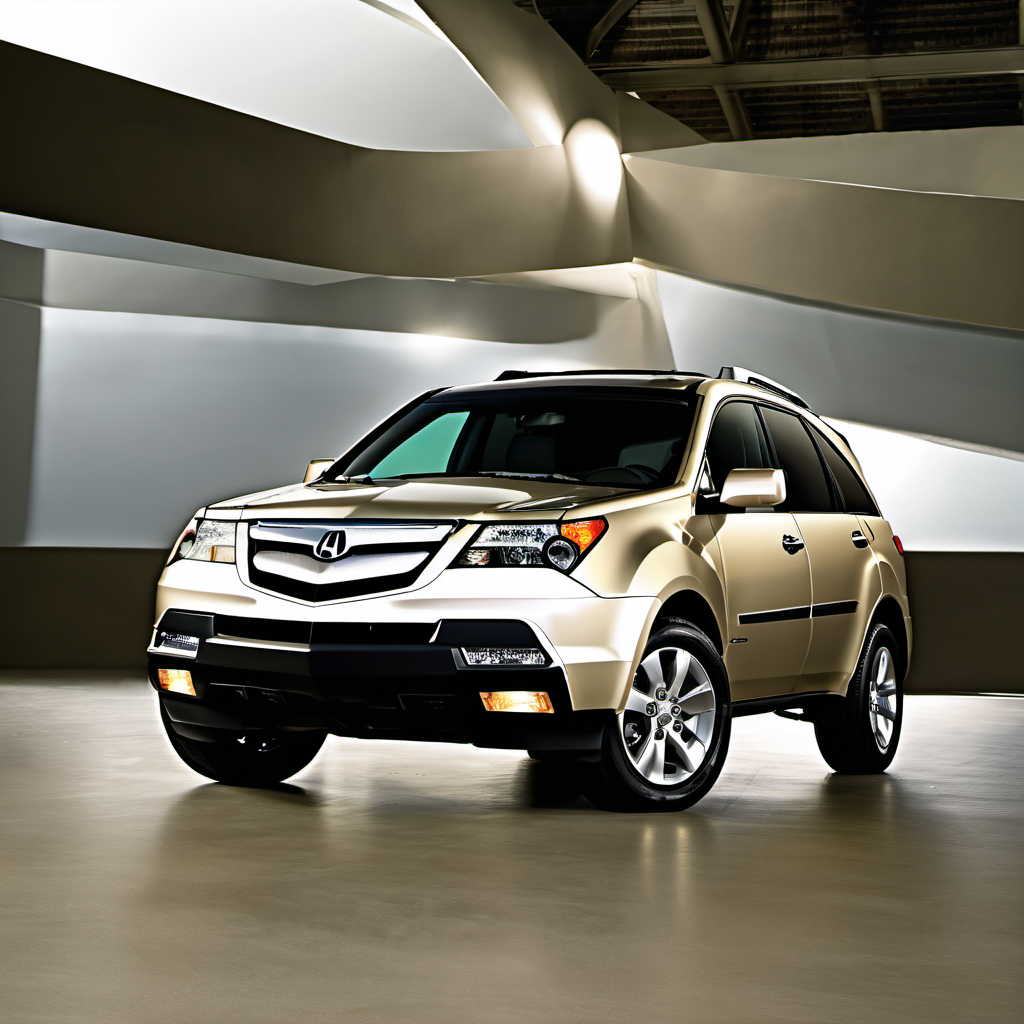
Seven-seat luxury SUV at a similar used price. Significantly better long-term reliability, lower repair costs, Honda-based drivetrain. Less European character.
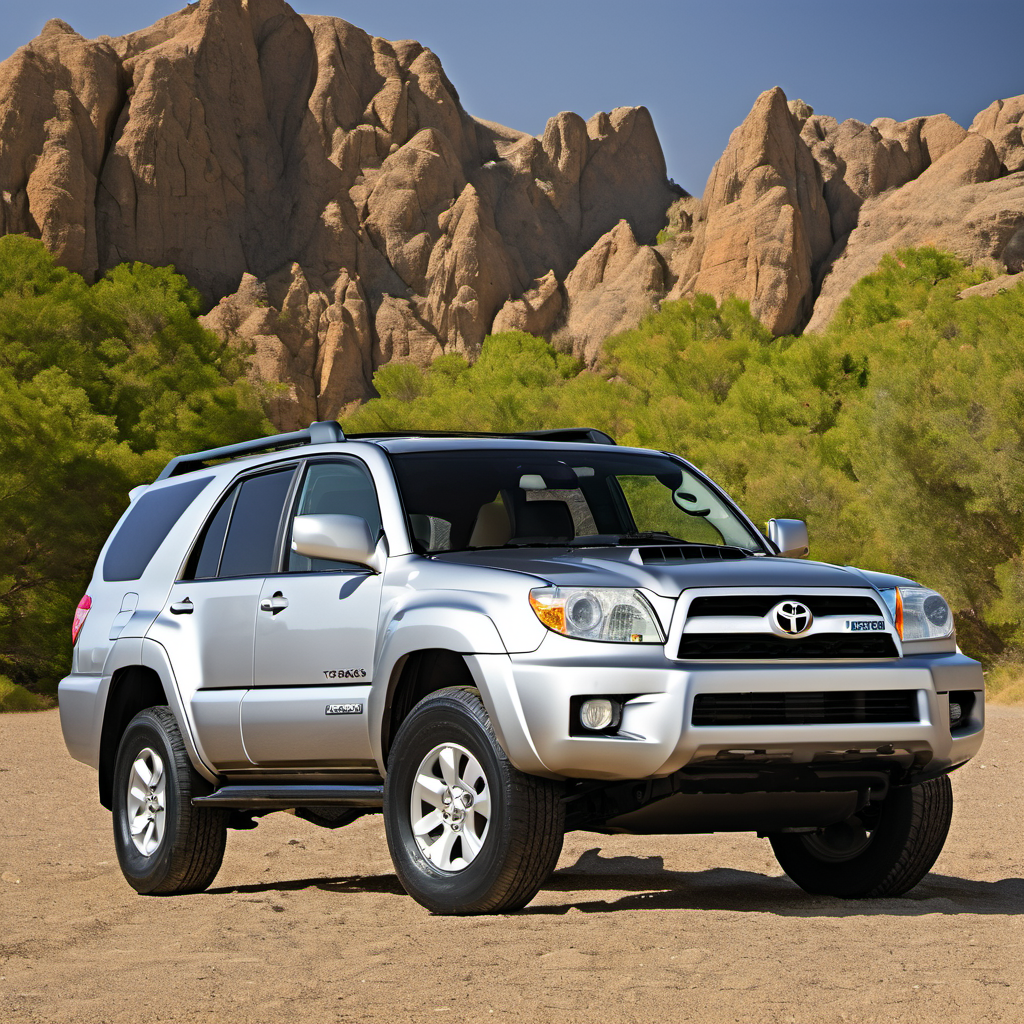
Comparable footprint and utility. Body-on-frame vs. unibody, so different driving feel, but far simpler mechanically and much better corrosion resistance for Wisconsin winters.
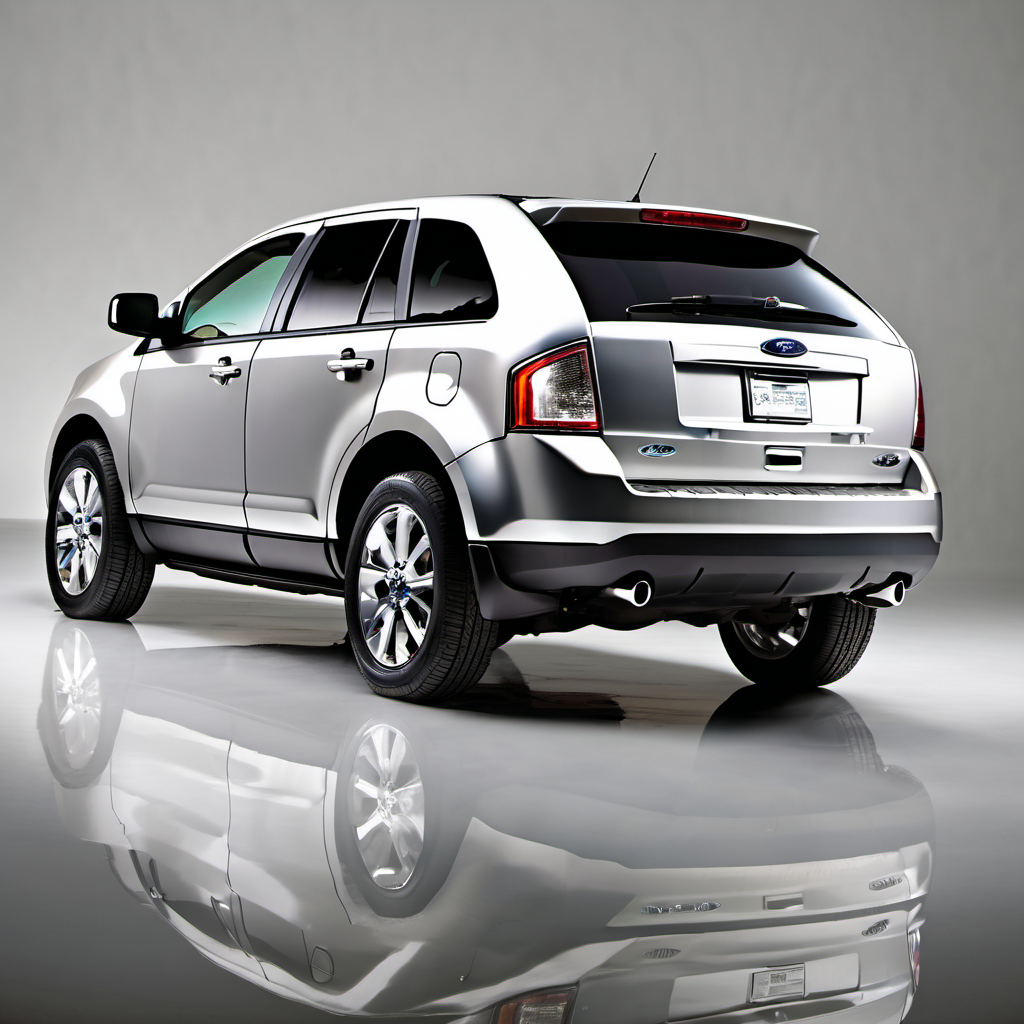
More affordable running costs and similar family-hauler mission. Smaller and less premium, but far cheaper to maintain and repair in the upper Midwest.