VVT / Camshaft Position Timing Faults
high- Typically appears
- 80–150k mi
- Estimated repair
- $150 – $600
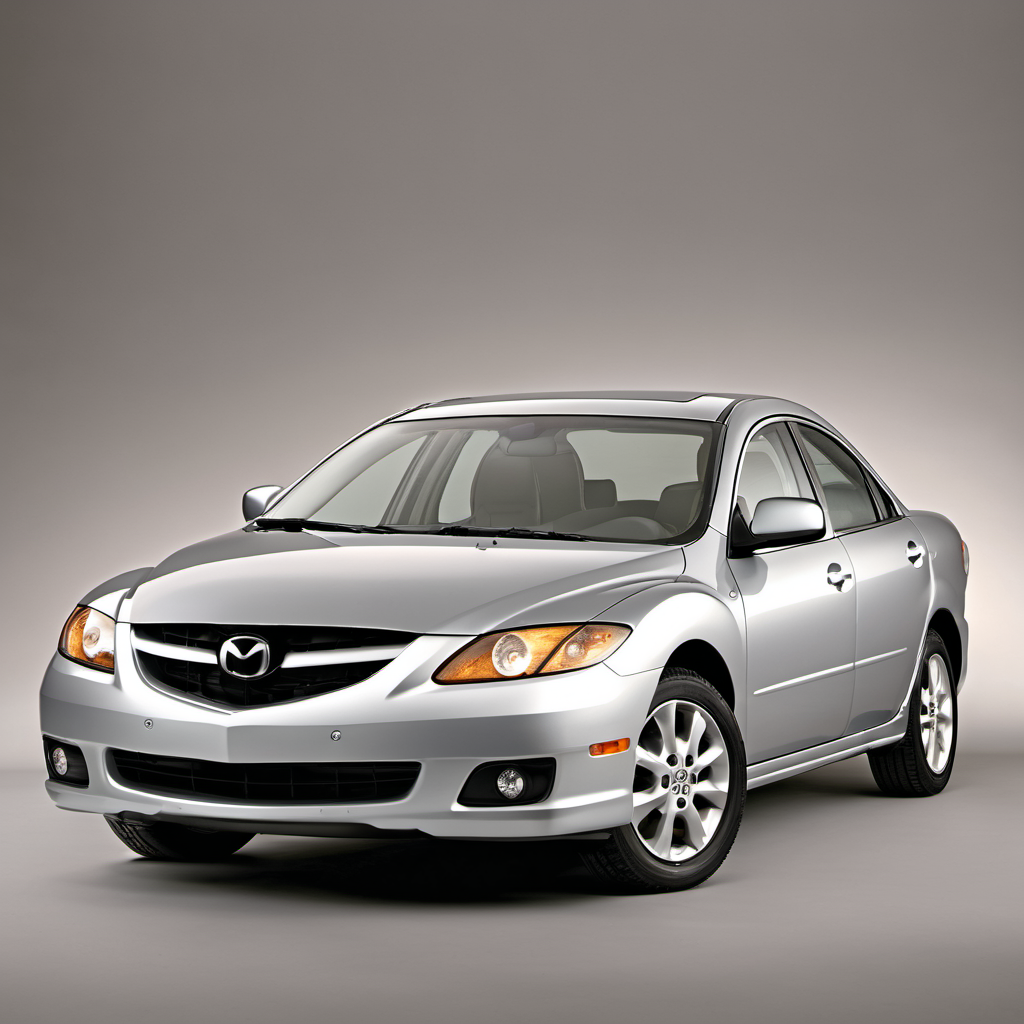
2007 MAZDA
2.3L I4 · Sedan
The 2007 Mazda6 is a mid-size front-wheel-drive sedan from Mazda's second-generation GG/GY platform. It offered a sportier driving feel than most family sedans of its era, with a willing 2.3L four-cylinder as the standard engine and an available 3.0L V6. By 2007 it was in the final year of this generation before a full redesign, so the platform was well-sorted and the remaining kinks largely worked out. This generation earned a reputation for being more driver-focused than the Camry or Accord, with sharper steering and a more rigid body structure. It's not a luxury car, but it punches above its weight in terms of fun-to-drive character. Fuel economy is acceptable for the era, especially with the four-cylinder. At this age (17+ years), the 2007 Mazda6 is a high-mileage used-car proposition. Rust is a real concern in Wisconsin — these cars were not galvanized as aggressively as some competitors. Budget accordingly for underbody inspection and potential suspension/brake component replacement.
The 2007 Mazda6 is a mid-size front-wheel-drive sedan from Mazda's second-generation GG/GY platform. It offered a sportier driving feel than most family sedans of its era, with a willing 2.3L four-cylinder as the standard engine and an available 3.0L V6. By 2007 it was in the final year of this generation before a full redesign, so the platform was well-sorted and the remaining kinks largely worked out. This generation earned a reputation for being more driver-focused than the Camry or Accord, with sharper steering and a more rigid body structure. It's not a luxury car, but it punches above its weight in terms of fun-to-drive character. Fuel economy is acceptable for the era, especially with the four-cylinder. At this age (17+ years), the 2007 Mazda6 is a high-mileage used-car proposition. Rust is a real concern in Wisconsin — these cars were not galvanized as aggressively as some competitors. Budget accordingly for underbody inspection and potential suspension/brake component replacement.
The 2.3L VVT system is oil-pressure dependent. Sludge from extended intervals is the #1 cause of VVT timing codes and premature timing chain wear on this engine. Use the correct viscosity (5W-20 or 5W-30 per cap).
Mazda did not call this a 'lifetime' fluid, but many owners skip it. Degraded fluid is the leading cause of shudder and slipping in the FN4A-EL automatic. Use Mazda-spec ATF (Type M-V or equivalent).
Iridium plugs are OEM on the 2.3L. Extended plug intervals cause misfires and rough idle. At this vehicle's age, they're almost certainly overdue if not recently serviced.
Long-life coolant degrades and loses corrosion inhibitors. On a 17-year-old car, fresh coolant protects the aluminum engine components and thermostat housing from corrosion.
Brake fluid is hygroscopic. Wisconsin winters with frequent wet/freeze cycles accelerate moisture absorption, lowering boiling point and promoting internal corrosion in calipers and wheel cylinders.
Seized caliper pins cause uneven pad wear, pulling, and premature rotor damage. Salt exposure makes this especially common in the upper Midwest.
Belt cracking accelerates in extreme cold. A failed belt at highway speed in a Wisconsin winter is a dangerous breakdown. Replace if any cracking or glazing is visible.
Road salt accumulates all winter. An annual pressure wash of the underbody and a visual inspection of brake and fuel lines can catch rust-through before it becomes an expensive or unsafe failure.
Always defer to the manufacturer's service manual for warranty-mandated intervals.
The 2007 Mazda6 is an inexpensive car to maintain when nothing is wrong — routine services are affordable at an independent shop. The risk is deferred maintenance catching up all at once: a transmission service, timing VVT repair, oxygen sensors, and suspension work in the same year can easily push costs to $2,000–$3,500. Budget for surprises on any example over 100k miles. Overall cost of ownership is low-to-moderate if the car has a clean service history, but can spike sharply on a neglected example.
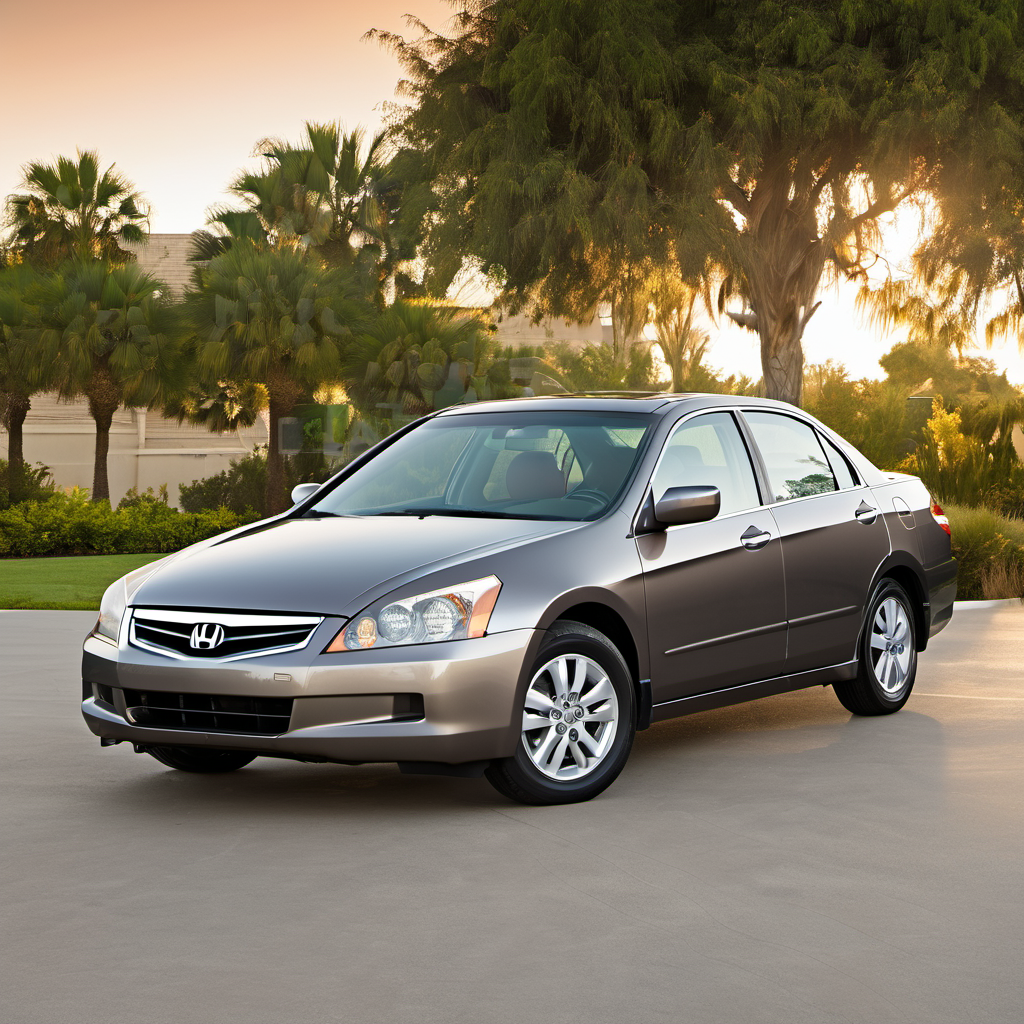
Same segment, similar price used, stronger long-term reliability reputation and easier to find rust-free examples. Better parts availability.
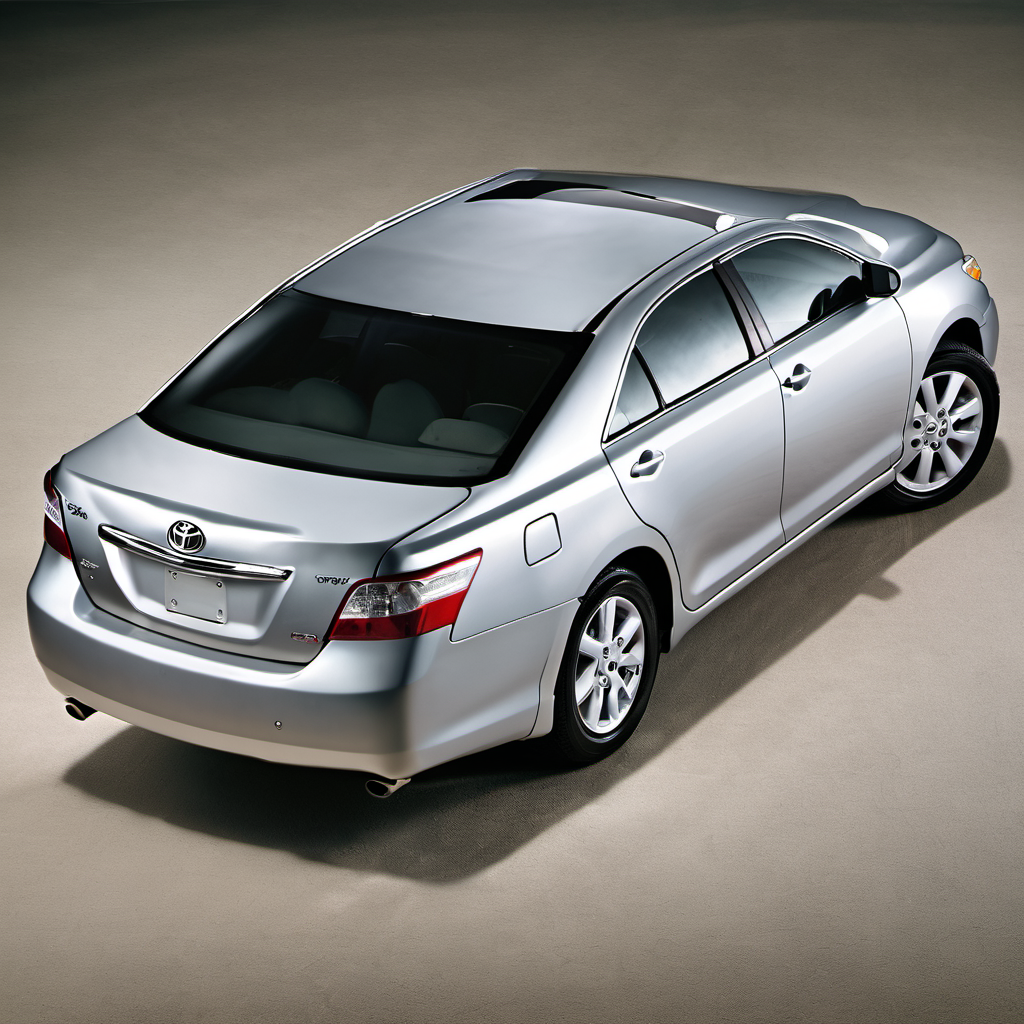
Top reliability benchmark in the class. Less engaging to drive than the Mazda6 but typically commands a higher used price for good reason — they last longer with less drama.
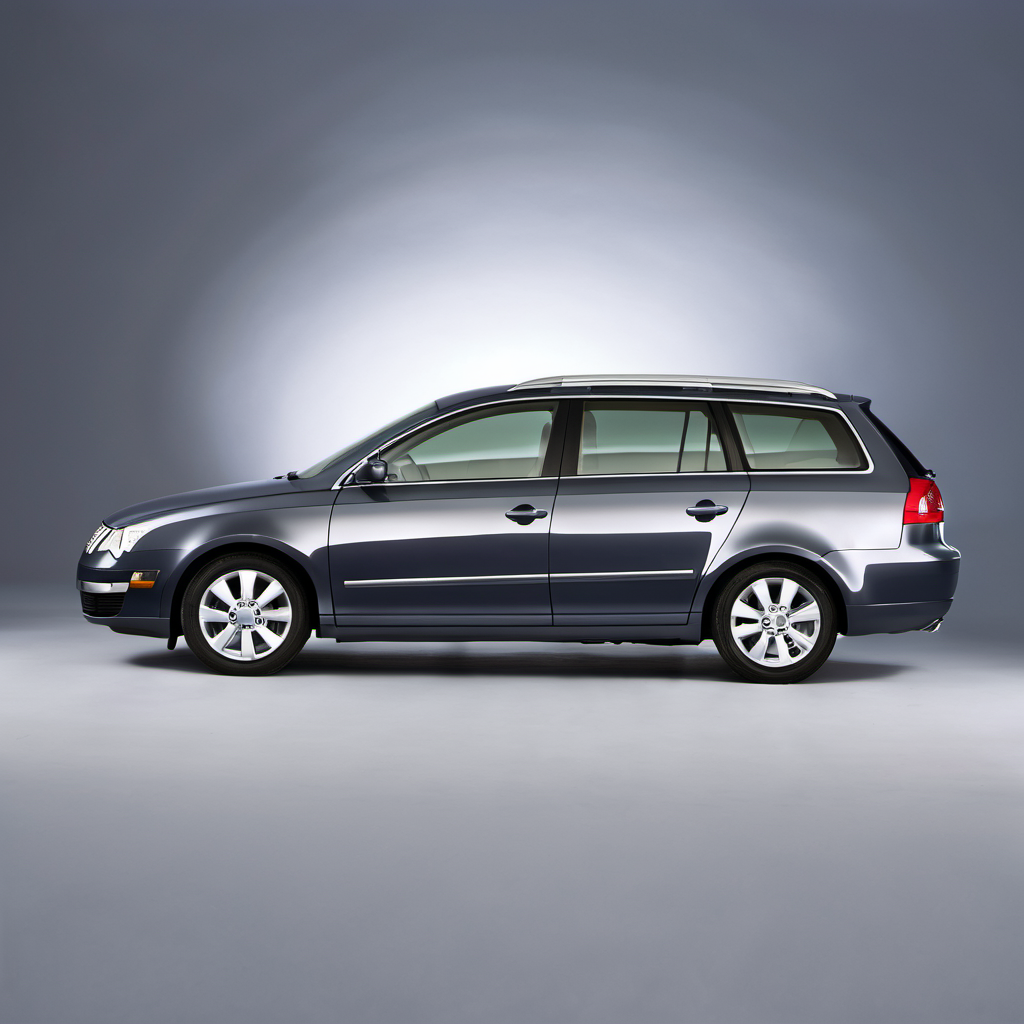
Similar sporty-sedan character with a more premium interior feel, but significantly higher maintenance costs and harder-to-find independent shop support in the upper Midwest.
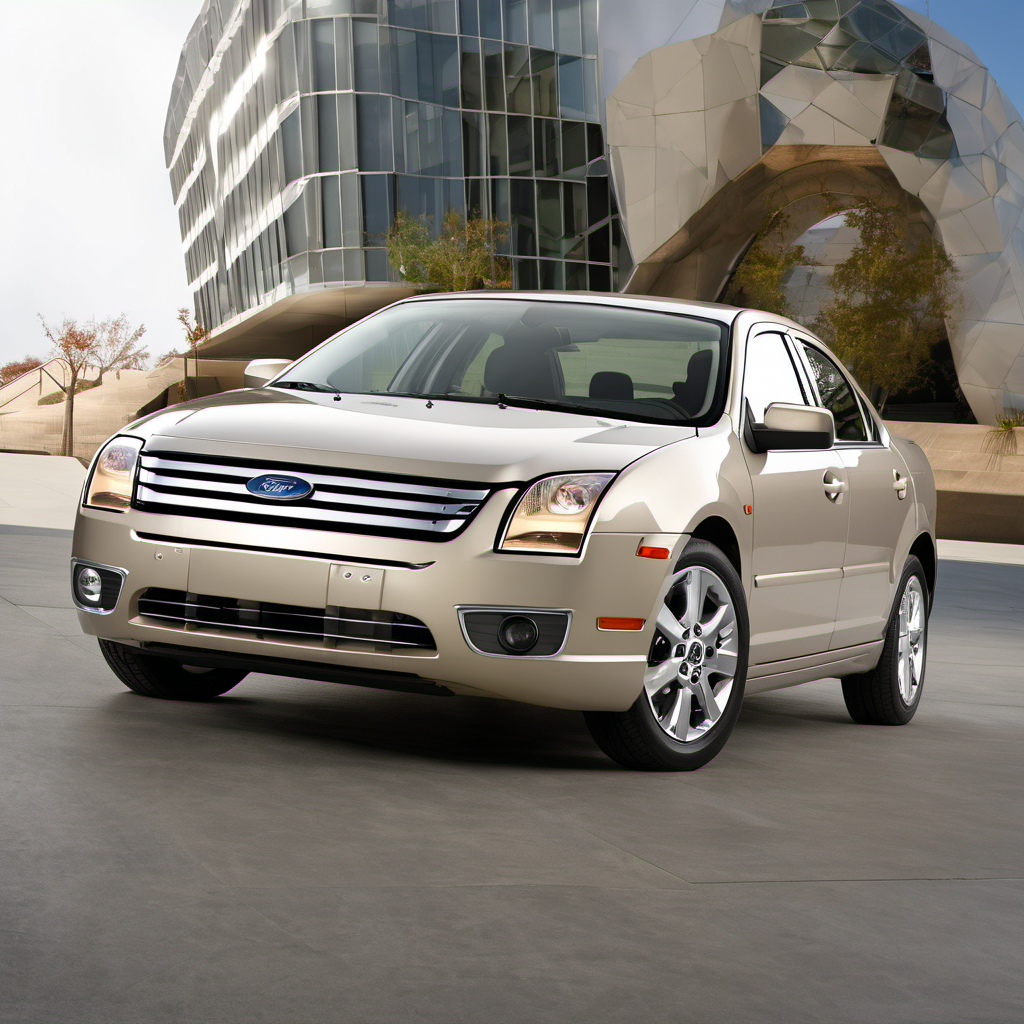
Built on a shared Mazda6 platform (Ford-Mazda partnership era), so mechanical similarities are significant. Often cheaper to buy used, with widely available parts.