VVT-i Camshaft Timing / Oil Sludge (Over-Retarded Timing)
medium- Typically appears
- 80–150k mi
- Estimated repair
- $200 – $900
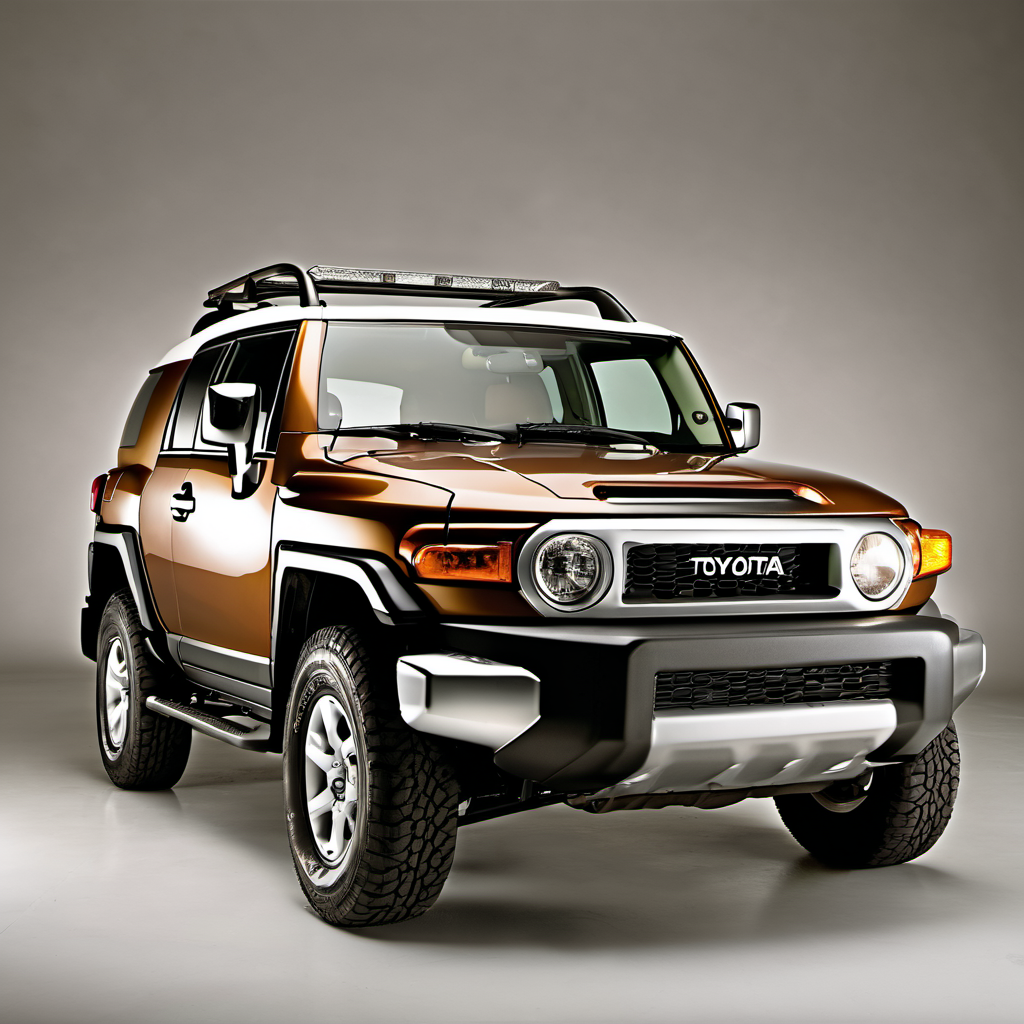
2007 Toyota
4.0L V6 (1GR-FE) · SUV
The 2007 Toyota FJ Cruiser is a retro-styled, body-on-frame SUV built on the same 4Runner/Prado platform. Toyota brought it back as a spiritual successor to the original FJ40 Land Cruiser, launching it for the 2007 model year in North America. It pairs serious off-road hardware — part-time 4WD with a locking rear differential, A-TRAC traction control, and generous ground clearance — with the everyday reliability Toyota is known for. Under the hood sits Toyota's proven 4.0L 1GR-FE V6, good for 239 hp and 278 lb-ft of torque. The 5-speed automatic (or optional 6-speed manual) keeps things straightforward. Interior space is tight in the rear thanks to the suicide-door layout, but cargo room is decent and the cabin is built to get dirty and hose out. The FJ has developed a passionate following, and used values have held unusually well. For buyers in Lake Geneva and the surrounding area, it handles Wisconsin winters capably, but the part-time 4WD system requires a driver who understands when and how to engage it. Rust on lower body panels and frame is the biggest long-term concern on high-mileage examples in the salt belt.
The 2007 Toyota FJ Cruiser is a retro-styled, body-on-frame SUV built on the same 4Runner/Prado platform. Toyota brought it back as a spiritual successor to the original FJ40 Land Cruiser, launching it for the 2007 model year in North America. It pairs serious off-road hardware — part-time 4WD with a locking rear differential, A-TRAC traction control, and generous ground clearance — with the everyday reliability Toyota is known for. Under the hood sits Toyota's proven 4.0L 1GR-FE V6, good for 239 hp and 278 lb-ft of torque. The 5-speed automatic (or optional 6-speed manual) keeps things straightforward. Interior space is tight in the rear thanks to the suicide-door layout, but cargo room is decent and the cabin is built to get dirty and hose out. The FJ has developed a passionate following, and used values have held unusually well. For buyers in Lake Geneva and the surrounding area, it handles Wisconsin winters capably, but the part-time 4WD system requires a driver who understands when and how to engage it. Rust on lower body panels and frame is the biggest long-term concern on high-mileage examples in the salt belt.
The VVT-i system depends on clean oil to function. This is the single most important service on the 1GR-FE. Stretching intervals or using conventional oil accelerates sludge buildup in the cam phaser passages.
FJ Cruisers are frequently used off-road, which stresses fluids harder than highway driving. Many examples arrive at shops with original fluid well past service life.
Toyota's 'lifetime' fluid designation is optimistic for a vehicle used in towing or off-road conditions. Fresh ATF maintains smooth shifts and extends transmission life.
The 1GR-FE uses iridium plugs with a long service interval, but worn plugs on a V6 this size will hurt fuel economy noticeably. Access to the rear bank plugs requires some patience.
Off-road use loads up the air filter much faster than highway driving. A clogged filter robs power and fuel economy.
Brake fluid is hygroscopic and absorbs moisture over time, lowering boiling point. Critical for a vehicle that may see steep descents off-road or heavy snow braking.
In the Lake Geneva area, proactive undercoating or rust inhibitor application each fall dramatically extends frame life. Check the rear wheel arches, frame rails, and spare carrier mount specifically.
Toyota's long-life coolant degrades over time. Old coolant becomes acidic and accelerates corrosion in the aluminum engine components.
Always defer to the manufacturer's service manual for warranty-mandated intervals.
The FJ Cruiser is inexpensive to maintain when services are kept up — the 1GR-FE is simple, parts are widely available, and independent shops know this platform well. The big cost wildcards are rust remediation (Wisconsin salt is its enemy) and VVT-i repairs on neglected engines. Fuel cost is the highest routine expense given the poor mpg. A well-maintained example should cost $600–$1,400/year in routine maintenance at an independent shop.
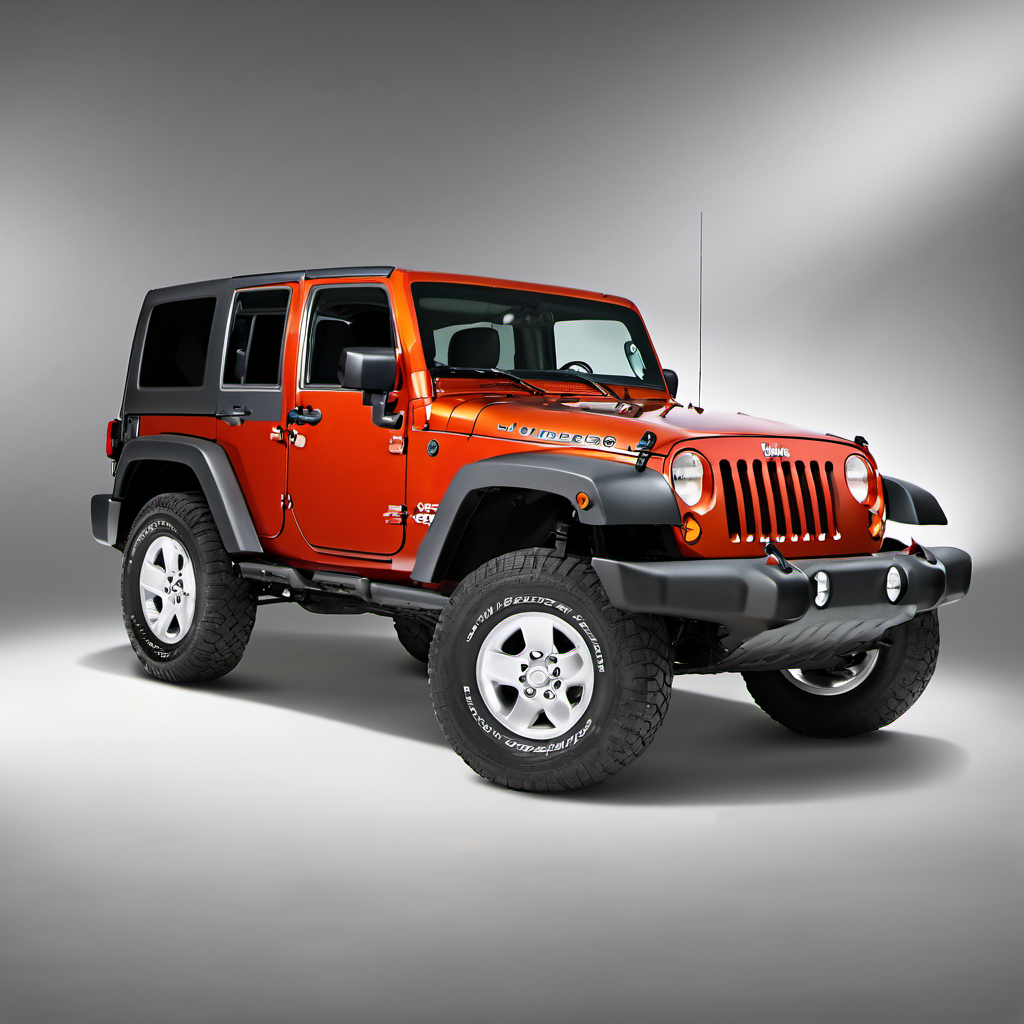
The closest competitor in genuine off-road capability and cult following. More customizable, but less refined on-road and typically less reliable long-term than the FJ.
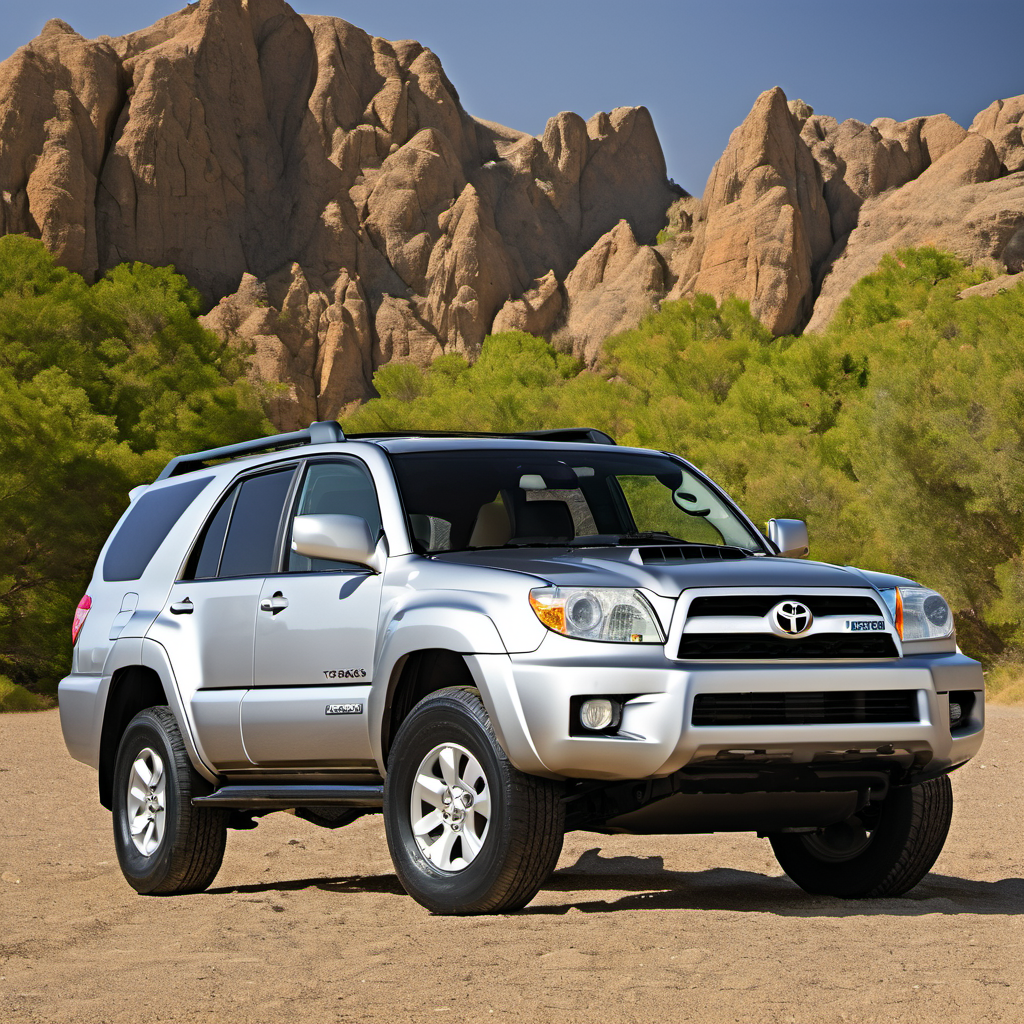
Same platform and engine as the FJ Cruiser. Better rear visibility, more practical interior layout, and true 4-door access. Less distinctive styling but arguably more livable as a daily driver.
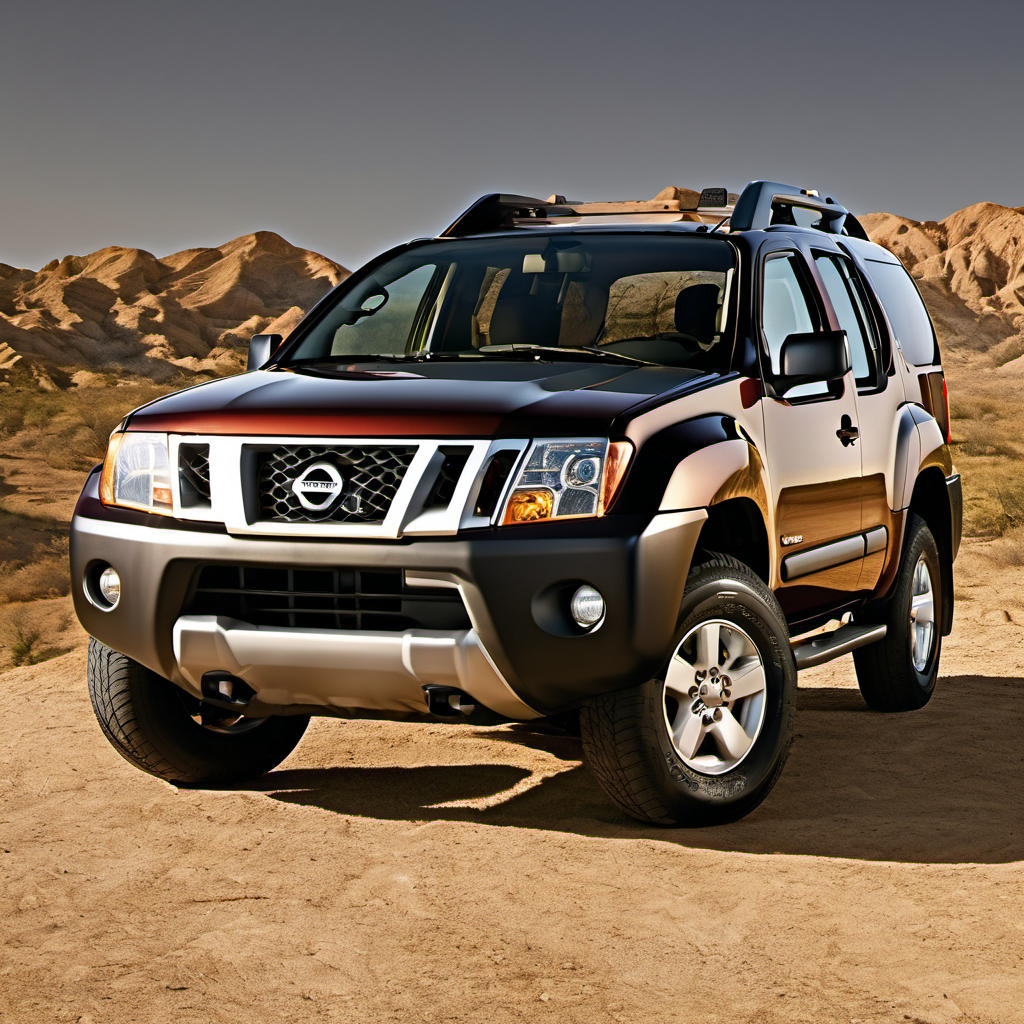
Body-on-frame, part-time 4WD, similar price point. Not as capable off-road as the FJ, but more practical rear seating and better rear visibility. Less strong resale value.

Comparable price and 4WD capability in the used market. More cargo flexibility with the truck bed, but less off-road oriented and lower ground clearance than the FJ.