VVT-i System Sludge / Camshaft Timing Faults
high- Typically appears
- 80–150k mi
- Estimated repair
- $300 – $900
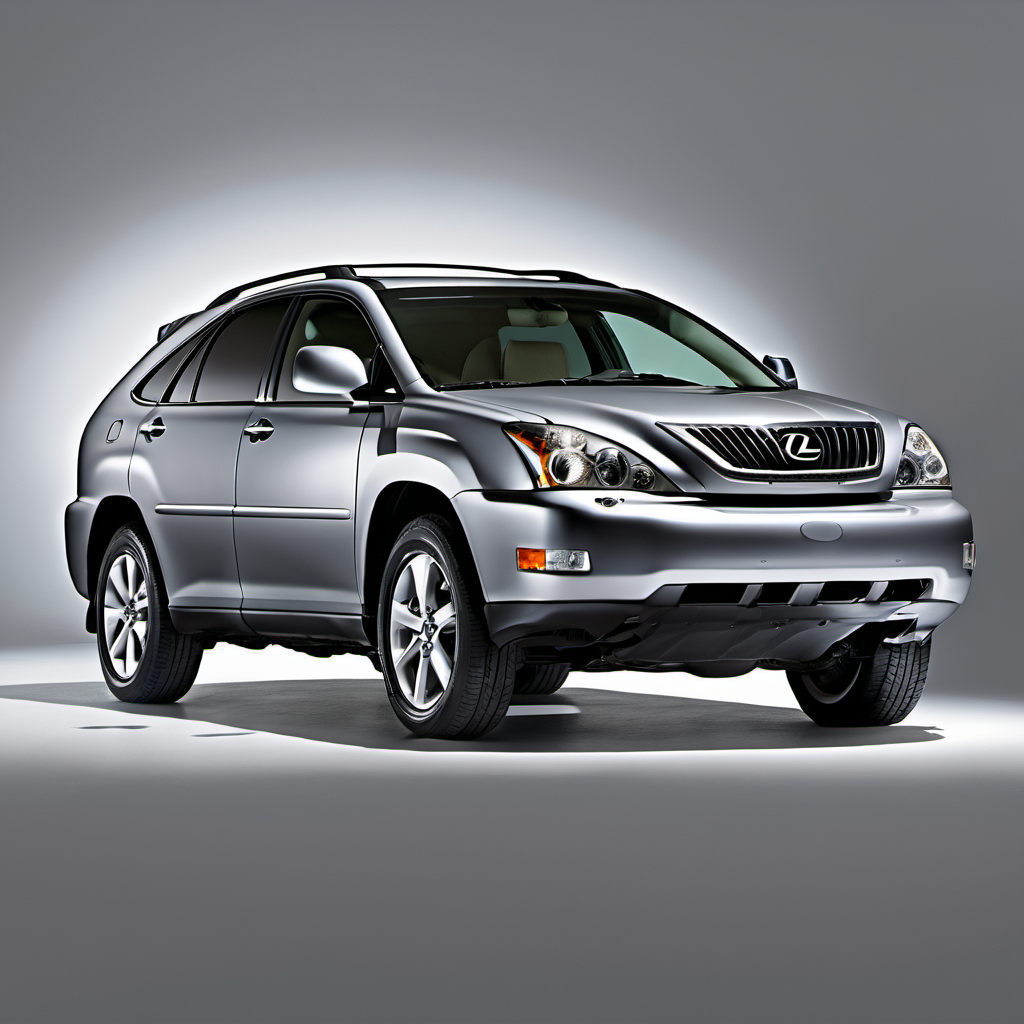
2007 Lexus
SUV
The 2007 Lexus RX 350 is the second generation of Toyota's luxury crossover, riding on a refined platform shared with the Camry/Highlander family. It replaced the V6 from the previous RX 330 with a more powerful 3.5L 2GR-FE engine, boosting output to 270 hp while keeping the ride smooth and quiet — hallmarks of the RX line. This generation cemented the RX as the best-selling luxury SUV in North America for years running. The interior is comfortable and well-built with quality materials that hold up well over time. It's not a truck-based SUV — it's a car-based crossover, which means a compliant ride, easy parking, and no serious off-road capability. Most owners use it exactly as intended: highway commuting, grocery runs, and light snow duty. At this age (17+ years), the RX 350 is firmly in high-mileage territory. The mechanicals are generally sound, but the VVT-i oil control system and aging rubber seals demand attention. A well-maintained example can easily hit 200k+ miles; a neglected one will show it fast.
The 2007 Lexus RX 350 is the second generation of Toyota's luxury crossover, riding on a refined platform shared with the Camry/Highlander family. It replaced the V6 from the previous RX 330 with a more powerful 3.5L 2GR-FE engine, boosting output to 270 hp while keeping the ride smooth and quiet — hallmarks of the RX line. This generation cemented the RX as the best-selling luxury SUV in North America for years running. The interior is comfortable and well-built with quality materials that hold up well over time. It's not a truck-based SUV — it's a car-based crossover, which means a compliant ride, easy parking, and no serious off-road capability. Most owners use it exactly as intended: highway commuting, grocery runs, and light snow duty. At this age (17+ years), the RX 350 is firmly in high-mileage territory. The mechanicals are generally sound, but the VVT-i oil control system and aging rubber seals demand attention. A well-maintained example can easily hit 200k+ miles; a neglected one will show it fast.
The 2GR-FE's VVT-i system is oil-pressure-sensitive. Clean oil at short intervals is the single biggest thing you can do to prevent the expensive camshaft timing and OCV issues this engine is known for.
Lexus rates this fluid as 'lifetime,' but in practice the 5-speed automatic benefits from a drain-and-fill at 60k intervals, especially on used examples with unknown history. Fresh fluid prevents shudder and shift harshness.
Toyota Super Long Life Coolant lasts a long time, but degraded coolant accelerates water pump seal wear and can cause head gasket seepage at high mileage.
Factory iridium plugs are long-lived but should not be extended past 120k. Worn plugs stress the ignition coils, which are moderately expensive to replace on this V6.
Brake fluid absorbs moisture over time, lowering its boiling point. On a vehicle with an expensive ABS/VSC actuator, keeping the hydraulic system clean reduces internal corrosion and may extend actuator life.
Caliper slides seize in Wisconsin salt environments, causing uneven pad wear and premature rotor damage. Cheap to address proactively, expensive to ignore.
Hydraulic PS hoses on this generation are over 17 years old. Catching a weeping hose before it fails saves the PS pump and avoids a roadside breakdown.
A clogged engine air filter hurts fuel economy and can cause mass airflow sensor contamination. The cabin filter is a comfort item but also protects the HVAC evaporator from debris buildup.
Always defer to the manufacturer's service manual for warranty-mandated intervals.
For a 17-year-old Lexus luxury SUV, this is a reasonable cost-of-ownership vehicle. Routine maintenance is the main annual spend on a well-kept example. The big risks are the ABS actuator (~$1,500–$2,800 if it fails) and VVT-i work if oil changes were deferred. Budget a $1,000–$1,500 contingency fund annually. Parts availability is excellent; most independent shops can handle this vehicle without dealer tools.
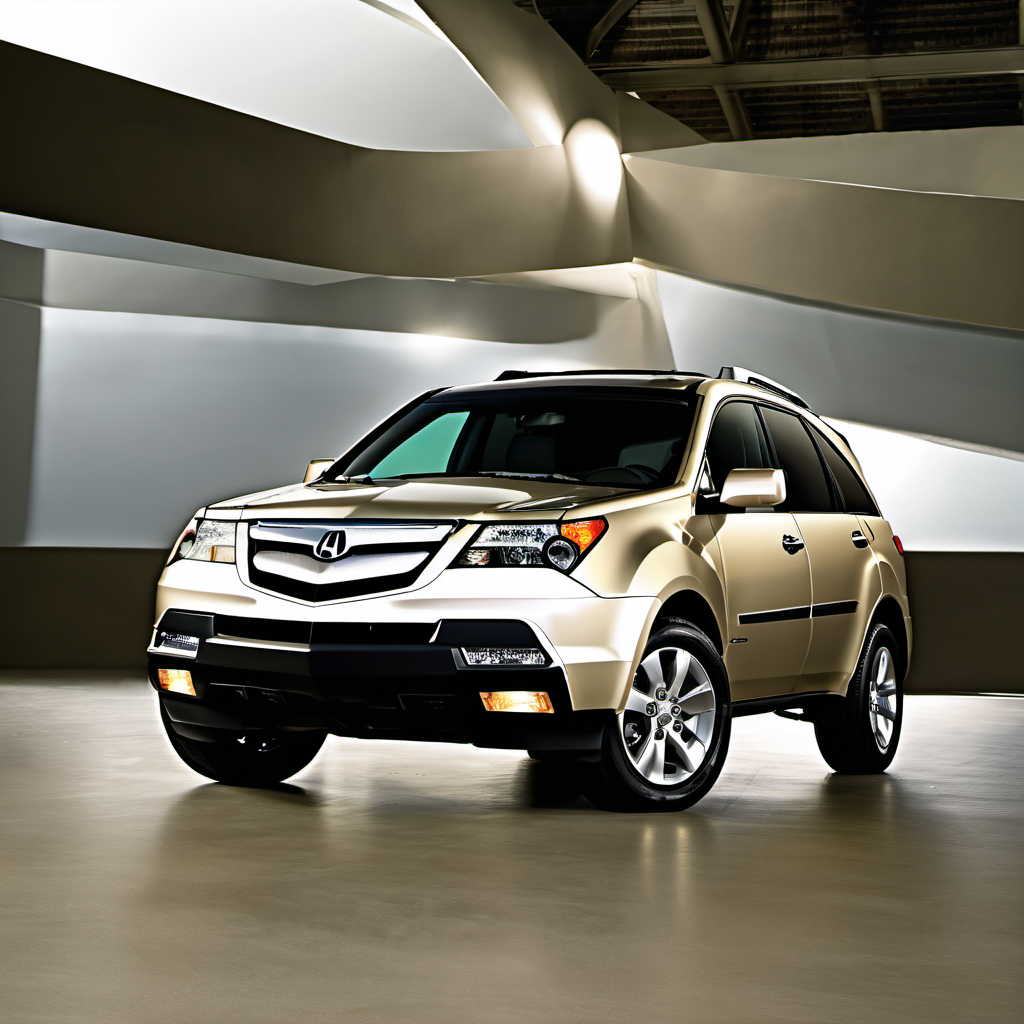
Three-row luxury SUV in the same price band with a proven Honda V6; slightly more cargo and seating but a less refined ride than the RX.
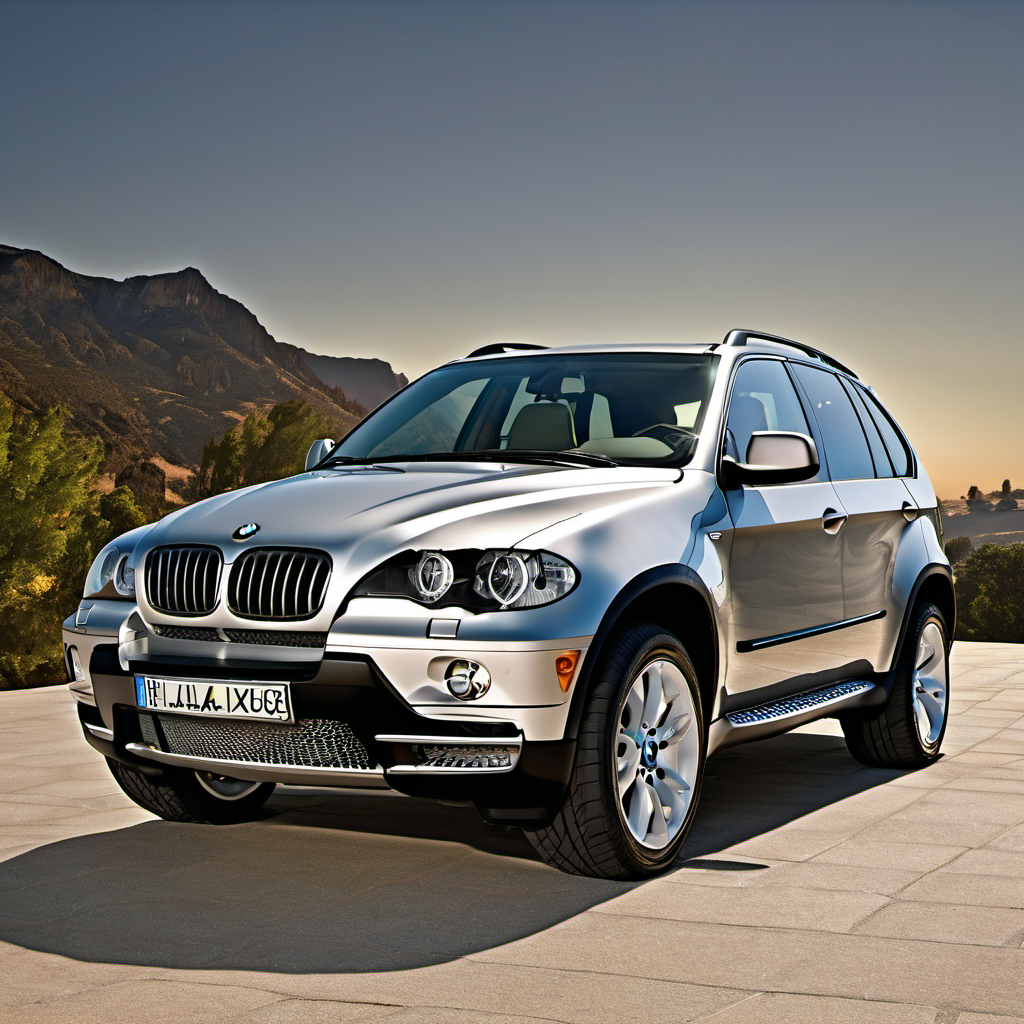
Similar luxury crossover positioning with a sportier driving character, but significantly higher repair costs and less long-term reliability than the Lexus.
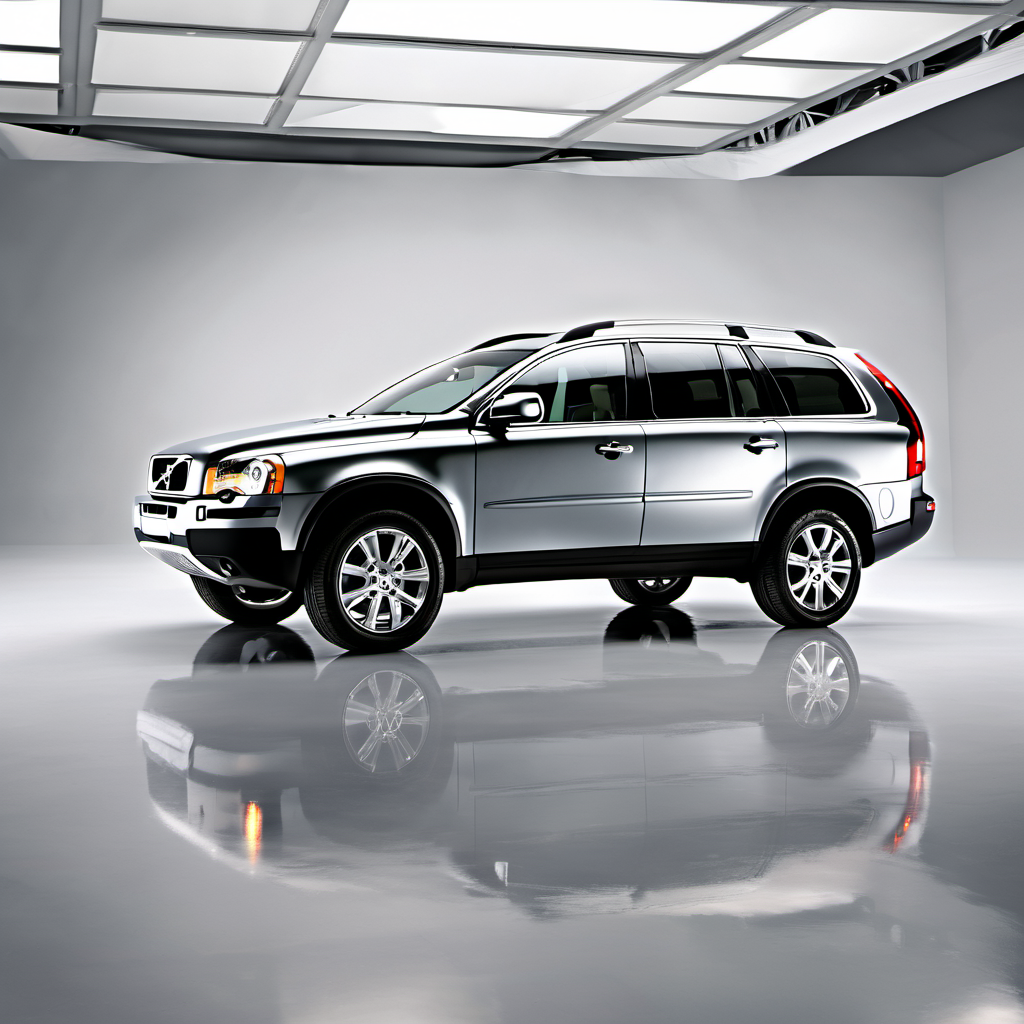
Comparable luxury family hauler with available third-row seating. Good safety record, but more complex and costlier to maintain at high mileage.
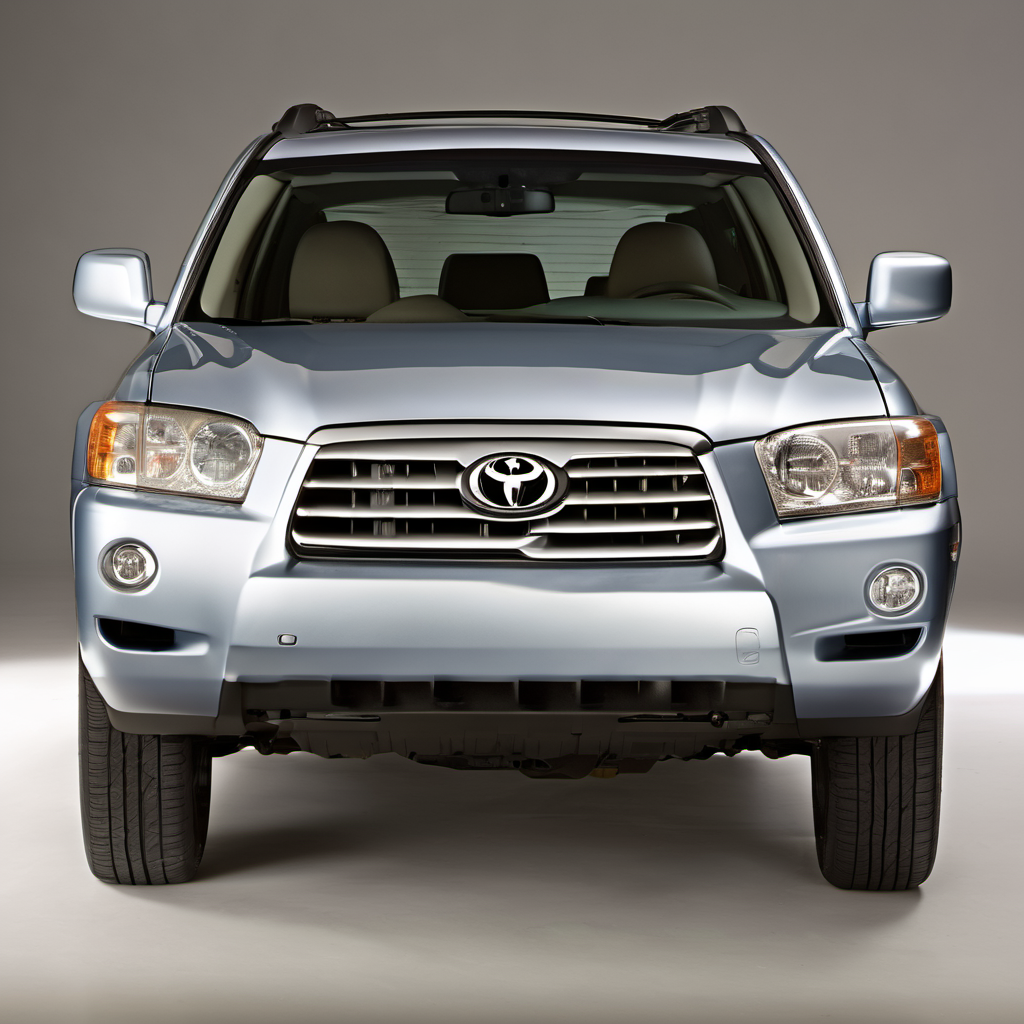
Shares the same platform and 2GR-FE engine as the RX 350 at a meaningfully lower price. Less premium interior but nearly identical mechanical reliability and lower ownership cost.