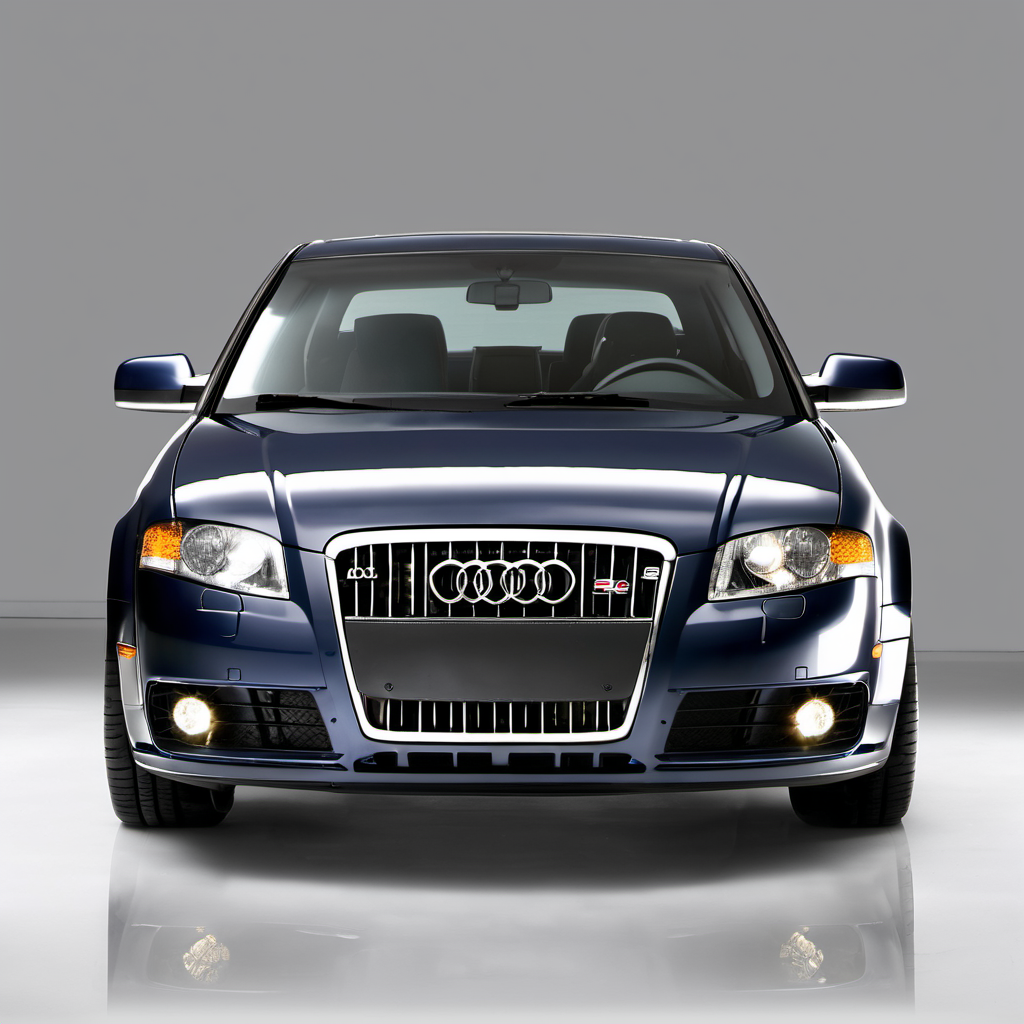
2007 Audi S4 Sedan

2007 Audi

S4Sedan

Sedan

The 2007 Audi S4 Sedan is the B7-generation performance version of the A4, powered by a naturally aspirated 4.2L V8 — the same basic architecture found in the R8. It produces 340 hp and delivers a genuinely engaging driving experience with Quattro AWD keeping all four wheels planted in corners. At launch it was a credible competitor to the BMW M3 and Mercedes C55 AMG, offering supercar engine character wrapped in a discreet sport-sedan body. The problem with owning one today is the engine's location. Audi mounted the V8 deep in the engine bay with the timing chain at the back of the motor — meaning the engine has to come partially out to do a timing chain service. That single engineering decision defines the ownership experience: when it's running well, it's brilliant; when it needs major work, the bills are staggering. This is a car for an enthusiast who goes in eyes-open, keeps up with oil changes religiously, and has a trusted independent shop that knows European cars. It is not a sensible daily driver for someone who expects appliance-level reliability and repair costs.

Reliability
2/5
Verified data
Specs shown for S4 Cabriolet — the most common configuration. Other trims may vary in engine, drivetrain, or fuel economy. Sign in to see your vehicle's exact specs.
Engine
[object Object]
Drivetrain
AWD
Fuel
Premium gasoline
MPG
13 city / 19 hwy / 15 combined
Seats
Doors
Body
Subcompact Cars

Overview

AI-curated

The 2007 Audi S4 Sedan is the B7-generation performance version of the A4, powered by a naturally aspirated 4.2L V8 — the same basic architecture found in the R8. It produces 340 hp and delivers a genuinely engaging driving experience with Quattro AWD keeping all four wheels planted in corners. At launch it was a credible competitor to the BMW M3 and Mercedes C55 AMG, offering supercar engine character wrapped in a discreet sport-sedan body. The problem with owning one today is the engine's location. Audi mounted the V8 deep in the engine bay with the timing chain at the back of the motor — meaning the engine has to come partially out to do a timing chain service. That single engineering decision defines the ownership experience: when it's running well, it's brilliant; when it needs major work, the bills are staggering. This is a car for an enthusiast who goes in eyes-open, keeps up with oil changes religiously, and has a trusted independent shop that knows European cars. It is not a sensible daily driver for someone who expects appliance-level reliability and repair costs.

Known for
  • High-revving 4.2L V8 with intoxicating sound and 340 hp
  • Quattro AWD providing excellent all-weather traction
  • Understated, executive sport-sedan styling
  • Extremely expensive timing chain and oil consumption repairs
  • Premium interior quality typical of mid-2000s Audi
Best for
  • Enthusiast drivers who want V8 performance in a practical sedan
  • Owners comfortable with European luxury repair costs
  • Buyers who already have a trusted independent Audi/VAG shop
  • Wisconsin winters — Quattro AWD is genuinely capable in snow
Watch for
  • Timing chain tensioner failure — catastrophic if neglected, and labor cost is extreme
  • High oil consumption (quart per 1,000 miles is not unusual on worn examples)
  • Secondary air injection (smog pump) failures are common and expensive
  • Valve stem seal leaks causing blue smoke on cold starts
  • Carbon buildup on intake valves from direct-style oil blow-by

Common issues by mileage

6 known

Timing Chain Tensioner Failure

high
Typically appears
80–120k mi
Estimated repair
$4,000 – $8,000

Secondary Air Injection (Smog Pump) Failure

high
Typically appears
60–100k mi
Estimated repair
$800 – $2,200

Valve Stem Seal Leaks / Oil Consumption

high
Typically appears
70–120k mi
Estimated repair
$2,500 – $5,500

Camshaft Variable Valve Timing (VVT) Solenoid Failure

medium
Typically appears
60–100k mi
Estimated repair
$400 – $900

Camshaft Position Timing Over-Retard Codes

medium
Typically appears
70–110k mi
Estimated repair
$300 – $1,500

Oxygen Sensor and Heater Circuit Faults

medium
Typically appears
80–130k mi
Estimated repair
$200 – $600

Maintenance schedule

  1. 1
    Every 5,000 miles or 6 months — do NOT stretch to OLM-recommended intervals on a high-mileage example Engine oil change with 5W-30 full synthetic

    The rear-mounted timing chains depend on clean oil pressure. Sludge from extended intervals is the #1 cause of VVT solenoid clogging and premature chain wear. 5W-30 full synthetic is spec; drain plug torque is 30 ft-lb.

  2. 2
    Every 1,000 miles between changes Check and top off engine oil level

    This engine is known to consume oil, especially as valve stem seals age. Running low on oil accelerates timing chain and camshaft wear dramatically.

  3. 3
    Every 30,000 miles or at any cold-start check engine light Inspect secondary air injection pump, hoses, and check valves

    The smog pump (OEM 06C 131 101 E) and associated plumbing are a known wear item. Catching a failing pump early avoids downstream damage and failed emissions tests.

  4. 4
    Every 40,000 miles Inspect and replace spark plugs

    The V8 has 8 plugs deep in the engine bay. Worn plugs on this engine can cause misfires mistaken for more serious issues. Use OEM-specification iridium plugs.

  5. 5
    At 80,000 miles and every 20,000 miles thereafter Inspect timing chain tensioners (by a VAG-experienced shop)

    This is the single most important preventive check on this vehicle. A shop that can read Audi-specific live data can assess tensioner health before catastrophic failure occurs.

  6. 6
    Every 2 years regardless of mileage Brake fluid flush

    Audi specifies DOT 4 fluid, which absorbs moisture over time. In Wisconsin's climate cycles, degraded brake fluid raises the risk of brake fade and caliper corrosion.

  7. 7
    Every 40,000–50,000 miles Quattro differential and transmission fluid service

    The center and rear differentials are often neglected on used examples. Fresh fluid protects the Torsen diff and is cheap insurance compared to a diff rebuild.

  8. 8
    Every 20,000 miles or annually Inspect and replace cabin and engine air filters

    Wisconsin road grit and seasonal debris clog filters faster than in dry climates. A clogged engine air filter stresses the mass airflow sensor.

Always defer to the manufacturer's service manual for warranty-mandated intervals.

Cost of ownership

Annual maintenance
$1,500 – $4,000
Fuel
Premium 91+ octane required. At 15 MPG combined and ~15,000 miles/year, expect 1,000+ gallons annually — budget $3,500–$4,500/year at typical Wisconsin premium prices.
Insurance
Expect 20–40% higher premiums than a comparable A4 due to the performance classification. Shop around; rates vary significantly for a vehicle this age.

The B7 S4 is inexpensive to buy on the used market precisely because it is expensive to own. Routine maintenance alone — oil changes, filters, brakes, fluids — runs $1,500–$2,500/year if nothing breaks. Factor in a timing chain service (which is a matter of when, not if, on high-mileage cars) and annual costs can spike well past $5,000 in any given year. Budget accordingly, and maintain a repair reserve.

Seasonal care

Lake Geneva, WI
Winter
  • Quattro AWD is a genuine asset in Wisconsin snow, but fit dedicated winter tires — summer performance rubber becomes dangerously stiff below 45°F and this car came with performance-spec tires.
  • Use a battery tender if the car sits more than a week in sub-zero temps. The aging electrical system and multiple modules draw parasitic current that can kill a marginal battery overnight.
  • Switch to a full-synthetic 5W-30 (already spec) — it flows adequately at cold start, but confirm oil level before every winter start given this engine's consumption tendency.
  • Flush and refill washer fluid with a -20°F or lower rated formula. Wisconsin road spray is relentless and summer fluid will freeze in the lines.
  • Rinse wheel wells and undercarriage weekly during salting season. The B7 platform has aluminum suspension components that corrode at fastener contact points when salt accumulates.
  • Inspect and test the battery every fall — cold cranking a 4.2L V8 at -10°F with a weak battery is a recipe for a no-start and potential alternator strain.
Summer
  • Check tire pressure monthly — for every 10°F rise in ambient temperature, tire pressure increases roughly 1 PSI. Performance tires on this car are sensitive to overinflation.
  • Inspect the A/C system before summer heat arrives — the condenser sits up front and is susceptible to road debris punctures. Recharge if cooling is marginal.
  • Watch coolant temperature during spirited driving in high heat. Ensure the cooling system (thermostat, water pump, coolant level) is in good shape before summer road trips.
  • Check and top off power steering fluid — heat accelerates seal wear in the hydraulic steering system on this generation.
  • Park in shade when possible. The dark interior and large glass area create significant heat soak that stresses the battery and interior electronics over time.

Comparable vehicles

2007 BMW
M3

Direct competitor in the sport-sedan segment with a high-revving naturally aspirated V8 (E92 generation). Similar ownership cost profile and driver engagement, arguably better supported by independent shops.

No catalog match
2007 Mercedes-Benz
C55 AMG

Another naturally aspirated V8 sport sedan from the same era. Comparable performance, similarly expensive to maintain, but AMG parts availability is slightly better at this age.

No catalog match
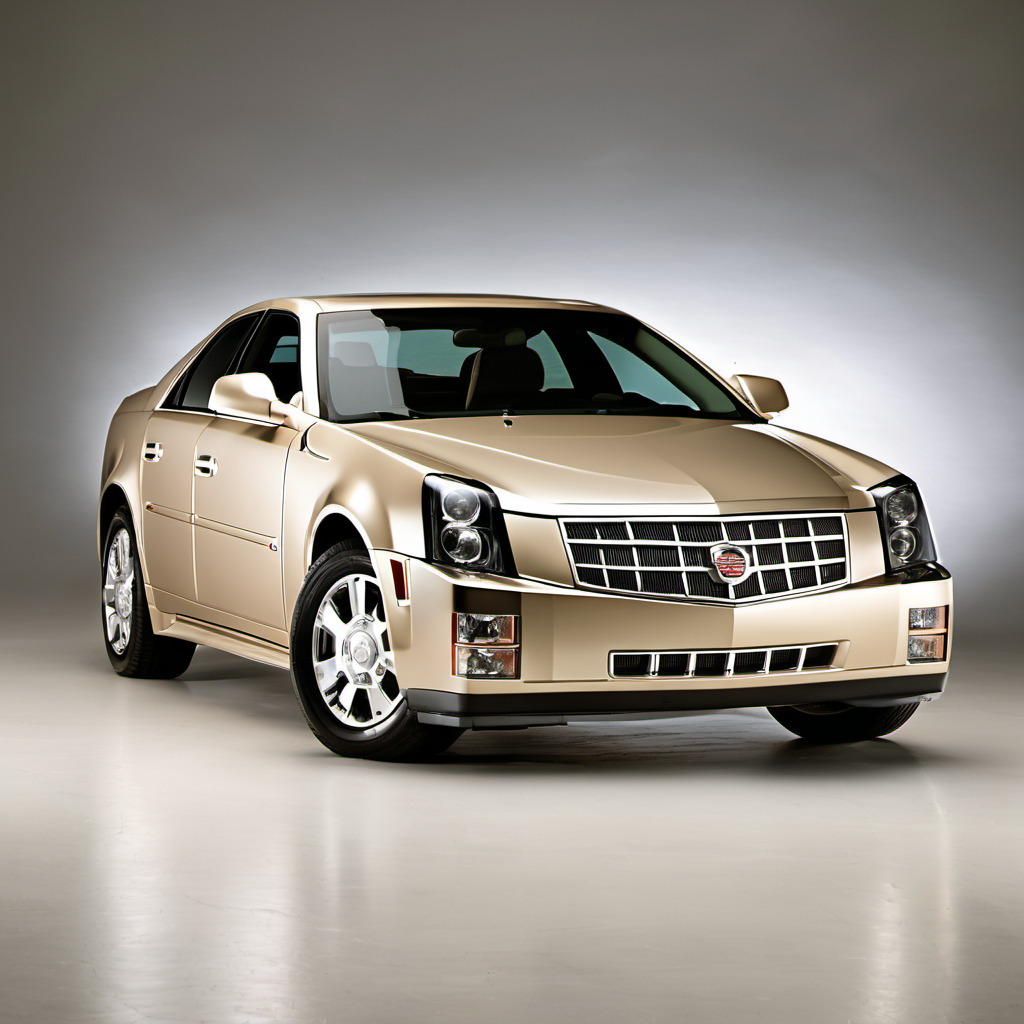
2007 Cadillac CTS-V
2007 Cadillac
CTS-V

Supercharged LS V8 in a sport sedan body at a similar used price point. Dramatically lower maintenance costs and far cheaper parts — less exotic feel but more reliable long-term ownership.
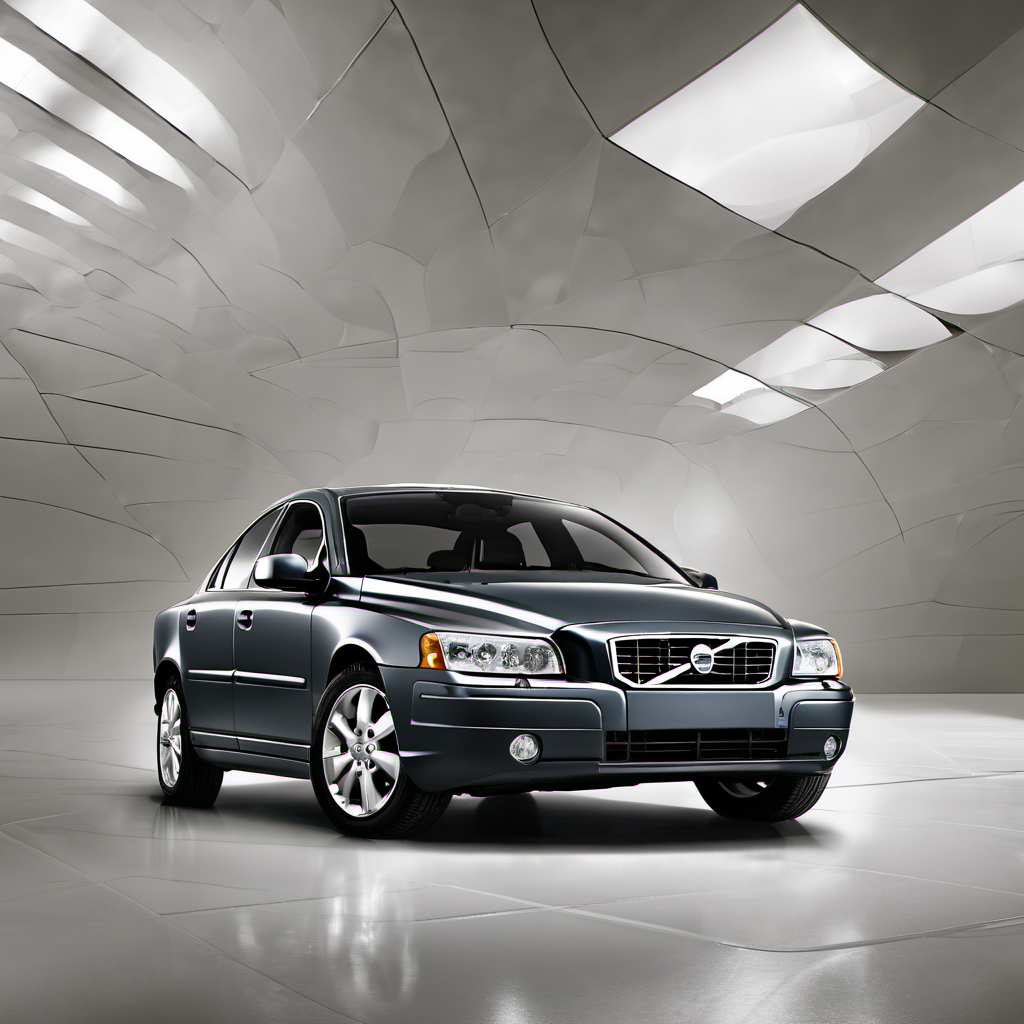
2007 Volvo S60 R
2007 Volvo
S60 R

AWD performance sedan with a significantly lower ownership cost. Less power and prestige, but far more sensible repair economics and solid Wisconsin-winter capability.

AI profile generated 1 hr ago · claude-sonnet-4-6 · v2.