Secondary Air Injection (Smog Pump) Failure
high- Typically appears
- 40–80k mi
- Estimated repair
- $800 – $2,200
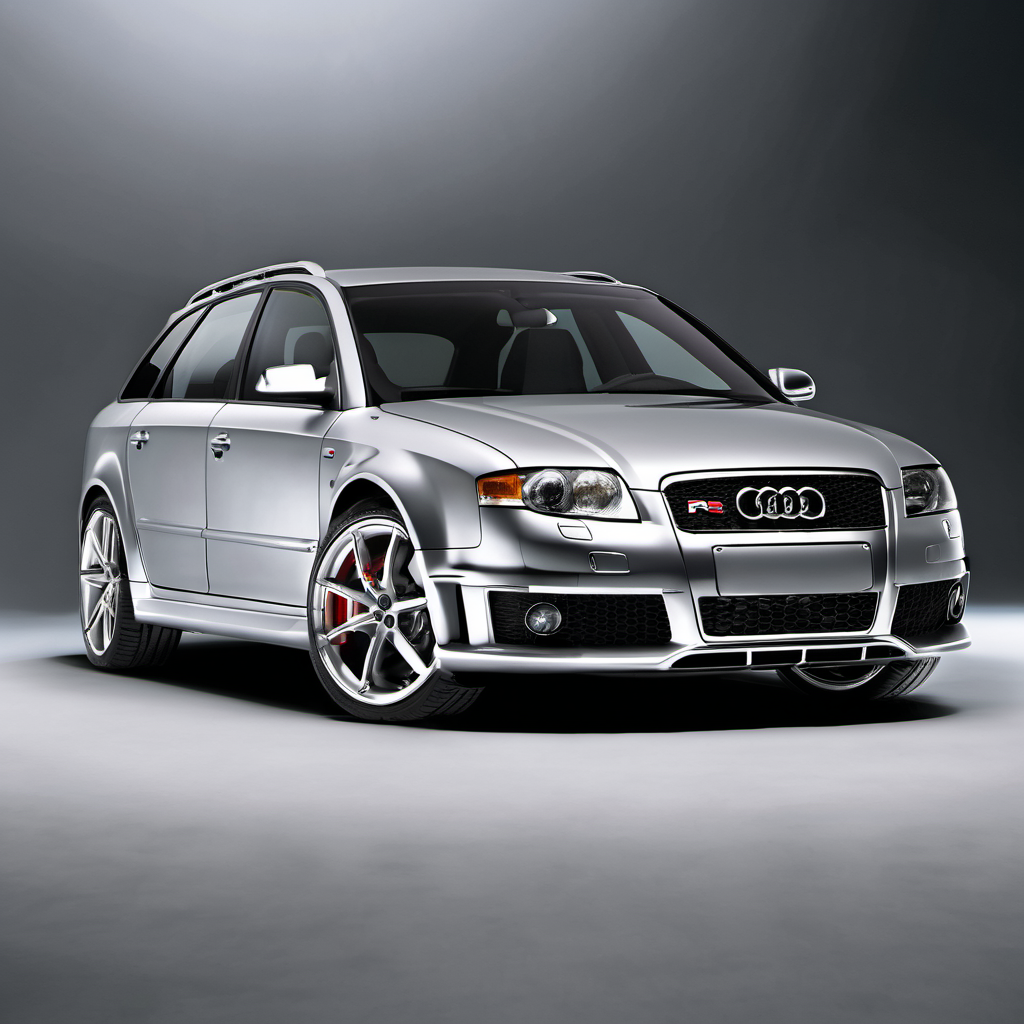
2007 Audi
Sedan
The 2007 Audi RS 4 Sedan is a high-performance version of the B7-generation A4, built around a 4.2-liter naturally aspirated V8 that revs to 8,250 RPM and produces 420 horsepower. It was engineered by Audi's motorsport division and shares its V8 lineage with the R8 supercar. Quattro AWD, a 6-speed manual gearbox, and a sport-tuned suspension make it one of the most capable sport sedans of its era. The RS 4 was sold in the US for model years 2007–2008 only, making it relatively rare. It was priced well into M5 and E63 AMG territory and delivered comparable performance — 0–60 in about 4.6 seconds — while seating four adults in genuine comfort. This is not an economy performance car; it was expensive new and remains expensive to keep. Owners who go in with realistic expectations about fuel costs, premium parts pricing, and Audi-specialist labor typically love it. Those who expect it to run like a Camry on a Camry budget will be disappointed quickly.
The 2007 Audi RS 4 Sedan is a high-performance version of the B7-generation A4, built around a 4.2-liter naturally aspirated V8 that revs to 8,250 RPM and produces 420 horsepower. It was engineered by Audi's motorsport division and shares its V8 lineage with the R8 supercar. Quattro AWD, a 6-speed manual gearbox, and a sport-tuned suspension make it one of the most capable sport sedans of its era. The RS 4 was sold in the US for model years 2007–2008 only, making it relatively rare. It was priced well into M5 and E63 AMG territory and delivered comparable performance — 0–60 in about 4.6 seconds — while seating four adults in genuine comfort. This is not an economy performance car; it was expensive new and remains expensive to keep. Owners who go in with realistic expectations about fuel costs, premium parts pricing, and Audi-specialist labor typically love it. Those who expect it to run like a Camry on a Camry budget will be disappointed quickly.
The high-revving V8 is extremely sensitive to oil quality and degraded oil. Cam phaser and timing chain issues are directly tied to skipped or stretched oil changes. Use the flute-style filter housing cap wrench — do not attempt without it. OEM filter part 079 198 405 B; drain plug torque 30 ft-lb.
The smog pump and associated check valves fail frequently. Catching a weak pump early is far cheaper than replacing the whole system after a failed pump has damaged downstream components.
Tensioner rattle on cold start is an early warning sign. Ignore it and you risk jumping a chain, which on this engine means catastrophic internal damage.
The V8 has 8 plugs — access is labor-intensive. Fresh plugs maintain ignition quality and prevent misfires that stress the catalytic converters.
High-performance braking generates more heat. Moisture-laden brake fluid boils under hard use, causing fade. Wisconsin winters accelerate corrosion on brake lines too.
Often overlooked on European AWD vehicles. Degraded differential fluid leads to clutch pack wear and costly actuator faults.
Cooling system components age faster in high-heat V8 applications. A thermostat failure in a Wisconsin winter or a summer canyon run can cause overheating quickly.
The RS 4's electronics are voltage-sensitive. A marginal battery in sub-zero Lake Geneva temperatures can trigger cascading module faults (U-codes) that cost far more to diagnose than a new battery.
Always defer to the manufacturer's service manual for warranty-mandated intervals.
The RS 4 is not cheap to own. Routine annual maintenance (oil, brakes, filters) runs $1,800–$2,500 in a good year. Any year that involves cam phasers, a smog pump, or timing chain work can push the total past $5,000–$8,000 easily at an independent Audi specialist. Fuel alone adds $3,000+ annually. Budget accordingly and keep a repair reserve — this car rewards owners who plan ahead.
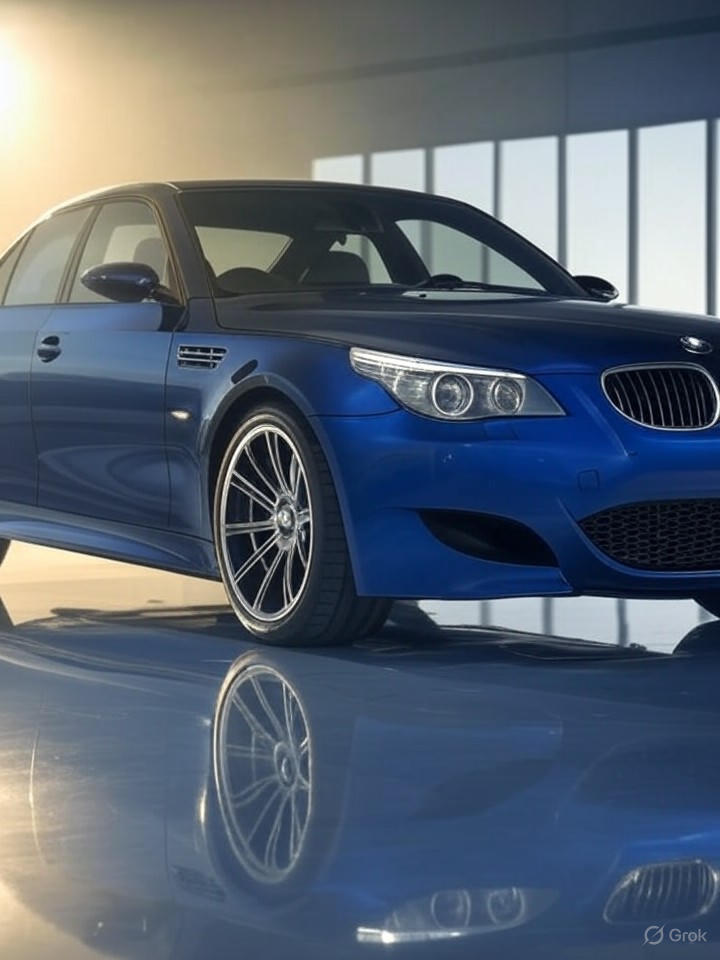
Same era V8 sport sedan, similar price and mission. The E60 M5's S85 V8 revs even higher but has its own notorious rod bearing issues. Direct rival the RS 4 was benchmarked against.
V8 sport sedan at a comparable original price point. The E63 is more of a grand tourer than a driver's car, but offers similar straight-line performance with potentially lower running costs.
No catalog match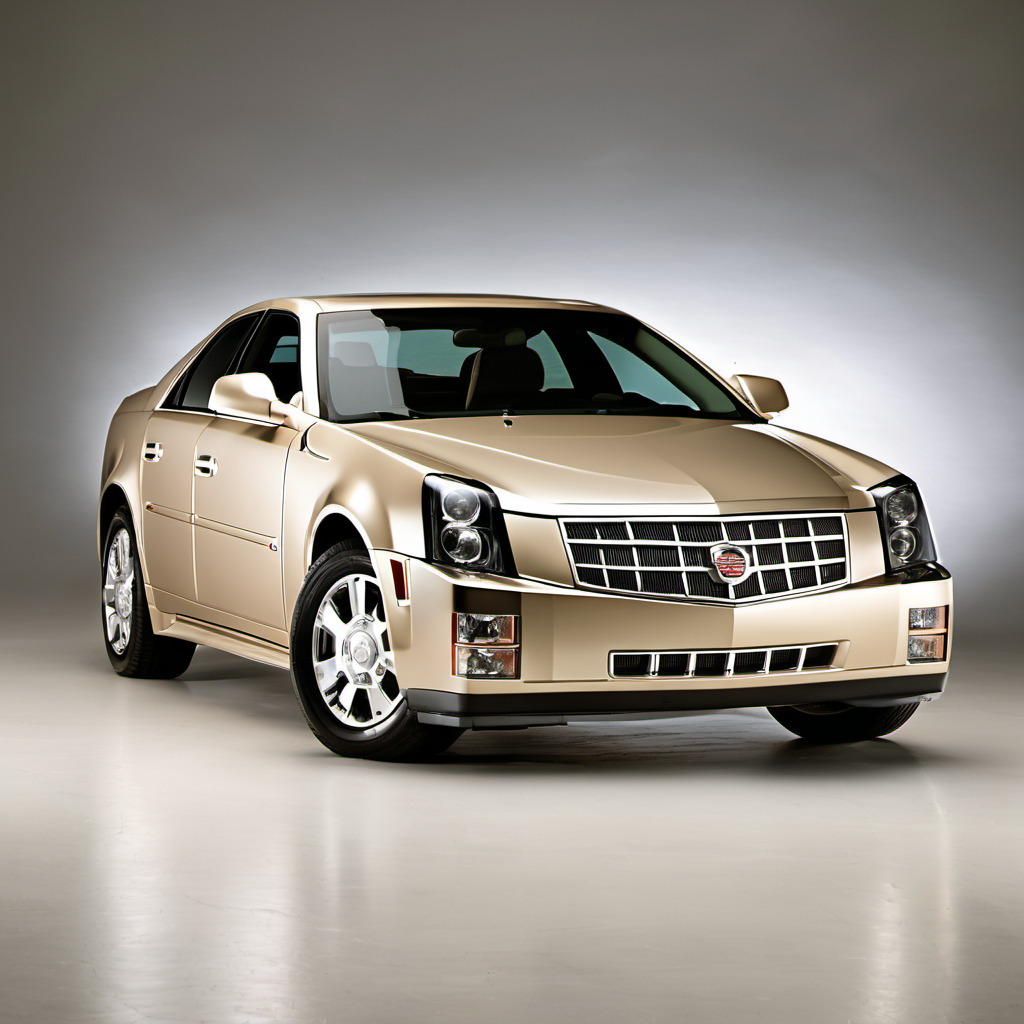
American alternative in the high-performance sedan segment. Supercharged V8, much cheaper parts and labor, but lacks the RS 4's AWD and refinement.
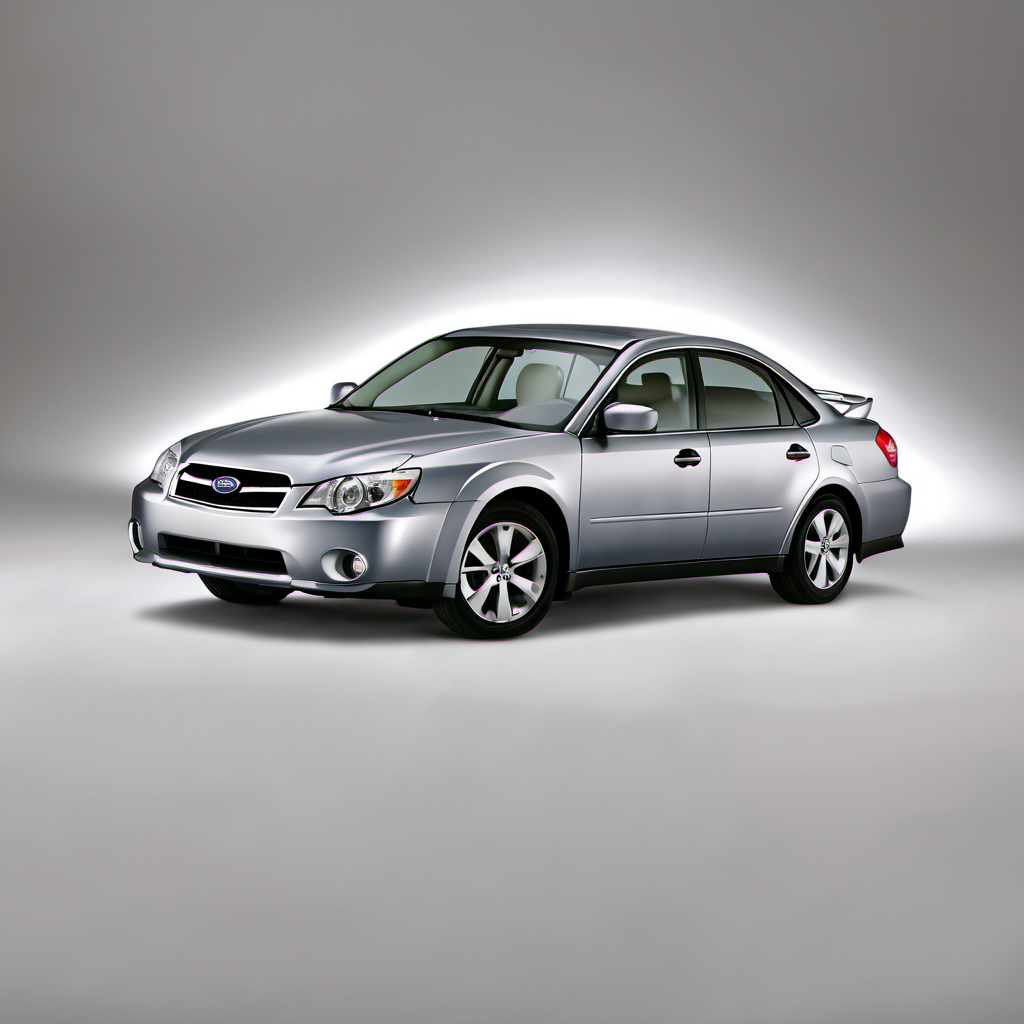
Far more affordable AWD sport sedan for buyers who want all-season performance without the RS 4's running costs. Much less power, but dramatically lower ownership expense.