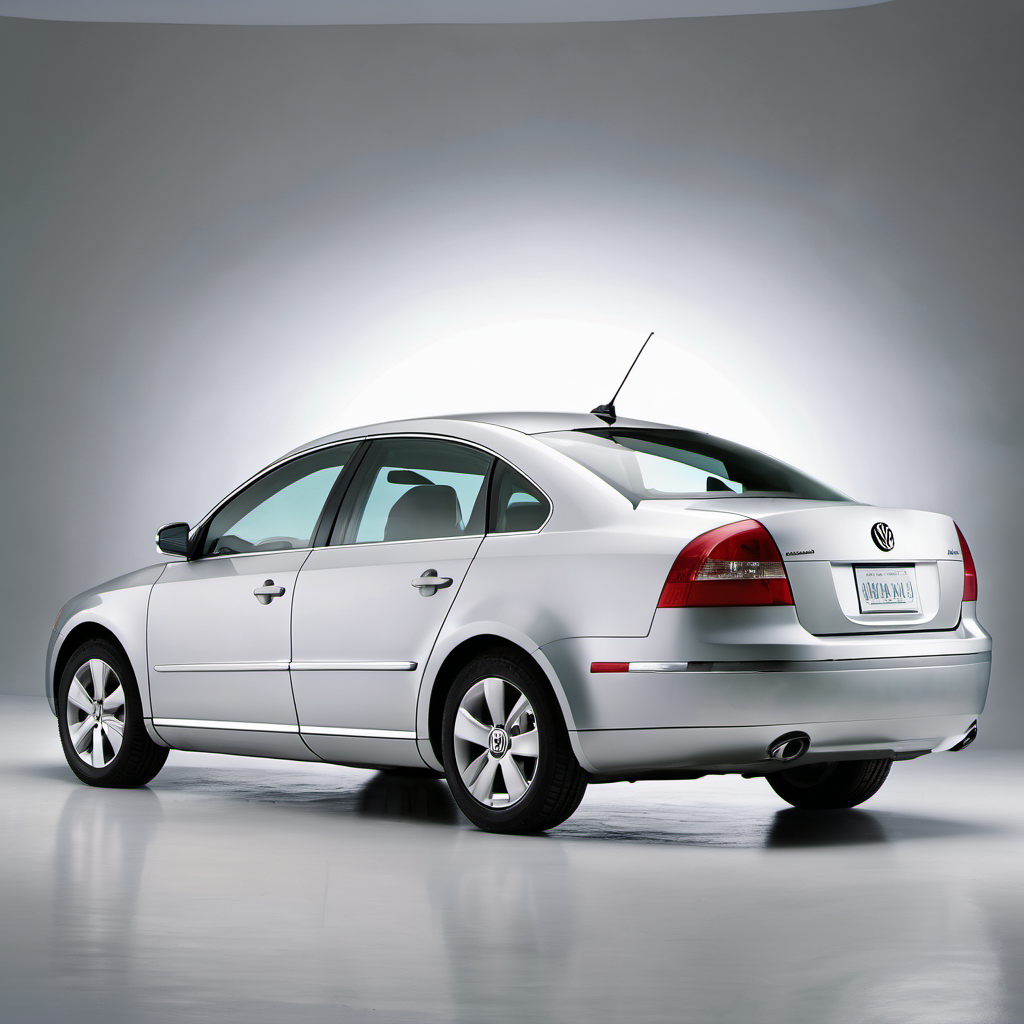
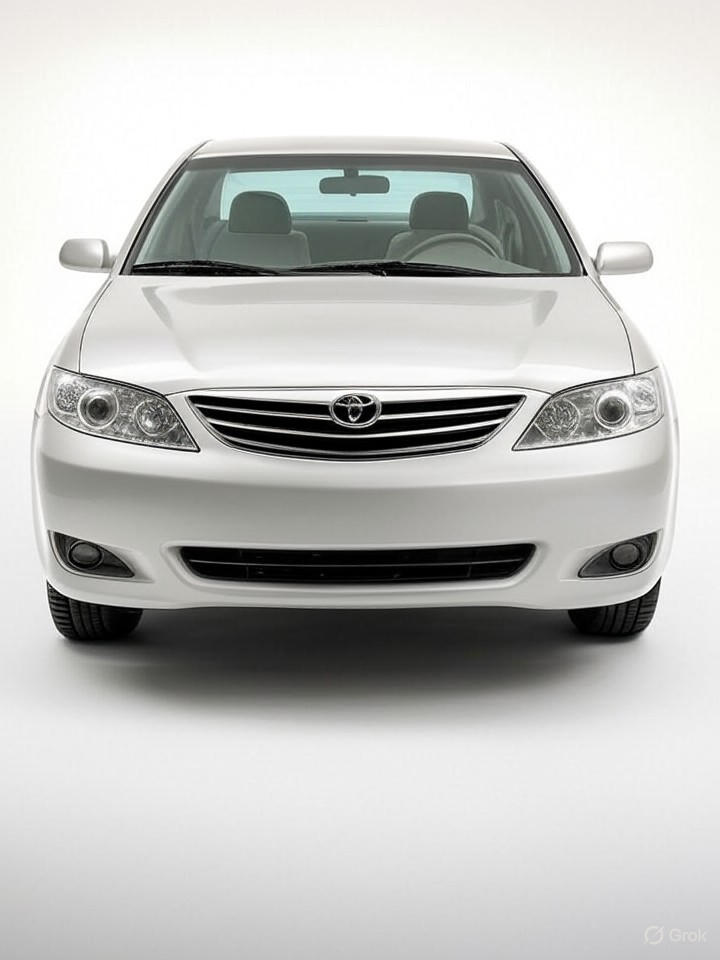
2006 Volkswagen Passat Sedan

2006 Volkswagen

PassatSedan

Sedan

The 2006 Volkswagen Passat is the last model year of the B6 generation, a midsize European sedan that brought genuine premium-car feel to a mainstream price point. Riding on VW's PQ46 platform, it offered a well-damped suspension, a quiet cabin, and a turbocharged four-cylinder that punched above its displacement. It was genuinely competitive with entry-level BMW and Audi at a lower sticker price. The tradeoff is complexity. The 2.0T FSI engine pairs direct injection with a timing chain tensioner and cam phaser system that demands disciplined oil change habits — skip intervals and you'll pay for it with costly VVT and timing chain repairs. Electrical gremlins and pricey module replacements are a recurring theme at higher mileage. For a buyer who keeps up on maintenance and uses the right oil, this Passat is a rewarding daily driver. For someone who wants trouble-free ownership on a budget, the complexity and parts cost will frustrate. At this age (nearly 20 years old), a clean, well-documented example is the only one worth buying.

Reliability
2/5
Verified data
Specs shown for Passat — the most common configuration. Other trims may vary in engine, drivetrain, or fuel economy. Sign in to see your vehicle's exact specs.
Engine
[object Object]
Drivetrain
FWD
Fuel
Premium gasoline
MPG
21 city / 29 hwy / 24 combined
Seats
Doors
Body
Midsize Cars

Overview

AI-curated

The 2006 Volkswagen Passat is the last model year of the B6 generation, a midsize European sedan that brought genuine premium-car feel to a mainstream price point. Riding on VW's PQ46 platform, it offered a well-damped suspension, a quiet cabin, and a turbocharged four-cylinder that punched above its displacement. It was genuinely competitive with entry-level BMW and Audi at a lower sticker price. The tradeoff is complexity. The 2.0T FSI engine pairs direct injection with a timing chain tensioner and cam phaser system that demands disciplined oil change habits — skip intervals and you'll pay for it with costly VVT and timing chain repairs. Electrical gremlins and pricey module replacements are a recurring theme at higher mileage. For a buyer who keeps up on maintenance and uses the right oil, this Passat is a rewarding daily driver. For someone who wants trouble-free ownership on a budget, the complexity and parts cost will frustrate. At this age (nearly 20 years old), a clean, well-documented example is the only one worth buying.

Known for
  • Refined European ride quality and solid build feel
  • Strong 2.0T FSI output (200 hp) for a family sedan
  • Higher-than-average repair costs for the segment
  • Oil sludge and timing chain issues tied to neglected maintenance
  • Premium interior materials above segment average
Best for
  • Drivers who enjoy European driving dynamics
  • Owners with a trusted independent VW specialist
  • Buyers who can verify full maintenance history
  • Someone comfortable with above-average upkeep costs
Watch for
  • Timing chain tensioner failure from infrequent oil changes
  • Cam phaser / VVT solenoid issues (P0012, P0015 codes)
  • Expensive electronic modules (instrument cluster, BCM)
  • High-pressure fuel pump (HPFP) failures on the FSI engine
  • Rust on underbody and subframe — critical concern in Wisconsin

Common issues by mileage

6 known

Timing Chain Tensioner & Cam Phaser Failure

high
Typically appears
60–120k mi
Estimated repair
$1,200 – $2,800

High-Pressure Fuel Pump (HPFP) Failure

high
Typically appears
50–100k mi
Estimated repair
$700 – $1,400

VVT / Cam Phaser Solenoid (Oil Control Valve) Fault

medium
Typically appears
60–130k mi
Estimated repair
$200 – $600

Oxygen Sensor / Heater Circuit Failure

medium
Typically appears
80–140k mi
Estimated repair
$150 – $450

Turbocharger Bypass (Diverter) Valve Failure

medium
Typically appears
70–120k mi
Estimated repair
$150 – $400

Maintenance schedule

  1. 1
    Every 5,000 miles or 6 months — do NOT use the OLM-extended intervals Engine oil & filter change — full synthetic 5W-40 VW 502.00 spec

    The FSI 2.0T timing chain tensioner and cam phasers are lubricated by oil pressure. Old or wrong-spec oil causes sludge that starves these components, leading to $1,500+ repairs. This is the single most important maintenance task on this engine.

  2. 2
    Inspect at 80k mi, replace proactively by 100–120k mi if original Timing chain tensioner & chain inspection

    The factory tensioner is a known failure point. Proactive replacement is far cheaper than a chain that skips a tooth and bends valves.

  3. 3
    Inspect at 60k mi; replace at first sign of hesitation or long cranks High-pressure fuel pump (HPFP) inspection

    HPFP failure on the FSI engine can strand you without warning. Early symptoms include rough cold starts and long crank times.

  4. 4
    Every 40,000 miles Spark plugs (OEM copper-core recommended)

    The FSI combustion chamber runs hot and is sensitive to plug condition. Extended intervals cause misfires that can carbon-load the cylinder head.

  5. 5
    Every 60–80k miles Intake valve carbon cleaning

    Direct injection bypasses intake valves with fuel, so detergents don't clean them. Carbon buildup reduces airflow and causes rough idle, especially on cold mornings.

  6. 6
    Every 40,000 miles for DSG; every 60,000 miles for conventional automatic DSG / automatic transmission service (fluid + filter)

    VW's DSG is smooth but requires specific fluid. Neglected trans fluid leads to shudder and expensive mechatronic repairs.

  7. 7
    Every 2 years regardless of mileage Brake fluid flush

    VW specifies this interval. Wisconsin road salt accelerates caliper corrosion; degraded fluid compounds the problem.

  8. 8
    Every fall before salt season Underbody & subframe rust inspection

    B6 Passats are approaching 20 years old. Wisconsin road salt attacks the subframe, control arm brackets, and fuel/brake lines. Catch rust early before it becomes a safety or totaled-car issue.

Always defer to the manufacturer's service manual for warranty-mandated intervals.

Cost of ownership

Annual maintenance
$900 – $2,200
Fuel
Premium 91+ octane required. At 24 MPG combined and ~15,000 miles/year, budget roughly $2,200–$2,600/year at current Wisconsin pump prices.
Insurance
Typically moderate — midsize sedan with standard safety equipment. Expect $900–$1,400/year for a typical adult driver in Lake Geneva.

This is an above-average-cost car to own. Parts (especially VW-specific sensors, modules, and fuel system components) run 20–40% higher than comparable domestic or Japanese sedans. Labor at an independent VW shop will be more affordable than a dealer but still reflects the complexity of the platform. Owners who stay on top of oil changes and address issues early can keep annual costs in the $900–$1,400 range. Those who defer maintenance often face $2,000+ repair bills. Budget accordingly.
Seasonal care

Lake Geneva, WI
Winter
  • Switch to a full-synthetic 5W-40 oil before temperatures drop below 20°F — the FSI turbo needs fast cold-start lubrication, and thicker oil delays it.
  • Test the battery every October. Cold cranking amps drop sharply in Wisconsin winters; a weak battery will fail when it's -10°F.
  • Use a winter-rated washer fluid rated to at least -20°F — the Passat's washer nozzles freeze and crack with cheap fluid.
  • Inspect and replace wiper blades with winter blades before November; the Passat's flat-blade system can struggle under heavy snow load.
  • Rinse the underbody and wheel wells every 2 weeks during salt season — this car's age makes rust prevention critical.
  • Allow a 60-second idle warm-up on sub-zero mornings before driving to let oil circulate to the turbo and cam phasers.
Summer
  • Check tire pressure monthly — hot pavement raises pressure 4–6 PSI above the cold reading; over-inflation causes uneven wear on the Passat's sport-tuned suspension.
  • Inspect the A/C system including cabin air filter; the Passat's evaporator can grow mildew if the filter is clogged.
  • Watch coolant temperature gauge on hot days with A/C running in stop-and-go — the electric fan relay is a known weak point on this generation.
  • Check the intercooler intake path for debris; road bugs and grass block airflow and raise intake temps, reducing turbo performance.

Comparable vehicles

If you're shopping for one

Red flags
  • Any timing chain noise on cold start — repair cost can exceed the car's value
  • HPFP codes or history of long cranking times — pump replacement is imminent
  • Rust on the subframe or brake lines — structurally unsafe and prohibitively expensive to fix
  • Codeword 'runs great, just needs a little work' with no service records
  • Instrument cluster flickering or odometer resets — indicates cluster failure or tampered mileage
  • Active U-codes (CAN bus faults) without a clear diagnosis — can signal wiring harness issues
What to inspect
  • Pull the oil cap and look for mayo-colored sludge — a hard pass if present
  • Request full oil change history; confirm 5,000-mile or shorter intervals with correct VW-spec oil
  • Cold-start the engine and listen for timing chain rattle in the first 5–10 seconds
  • Scan for live DTCs with a VW-compatible tool (VCDS/OBD11); generic OBD readers miss VW-specific faults
  • Test all electrical features: instrument cluster, windows, sunroof, auto-locking — module failures are expensive
  • Inspect the underbody, subframe mounting points, and fuel/brake lines for rust — non-negotiable in Wisconsin
  • Check for carbon buildup symptoms: rough cold idle, hesitation at low RPM, reduced power
AI profile generated 2 hr ago · claude-sonnet-4-6 · v2.