Head Gasket Failure
high- Typically appears
- 80–130k mi
- Estimated repair
- $1,400 – $2,200
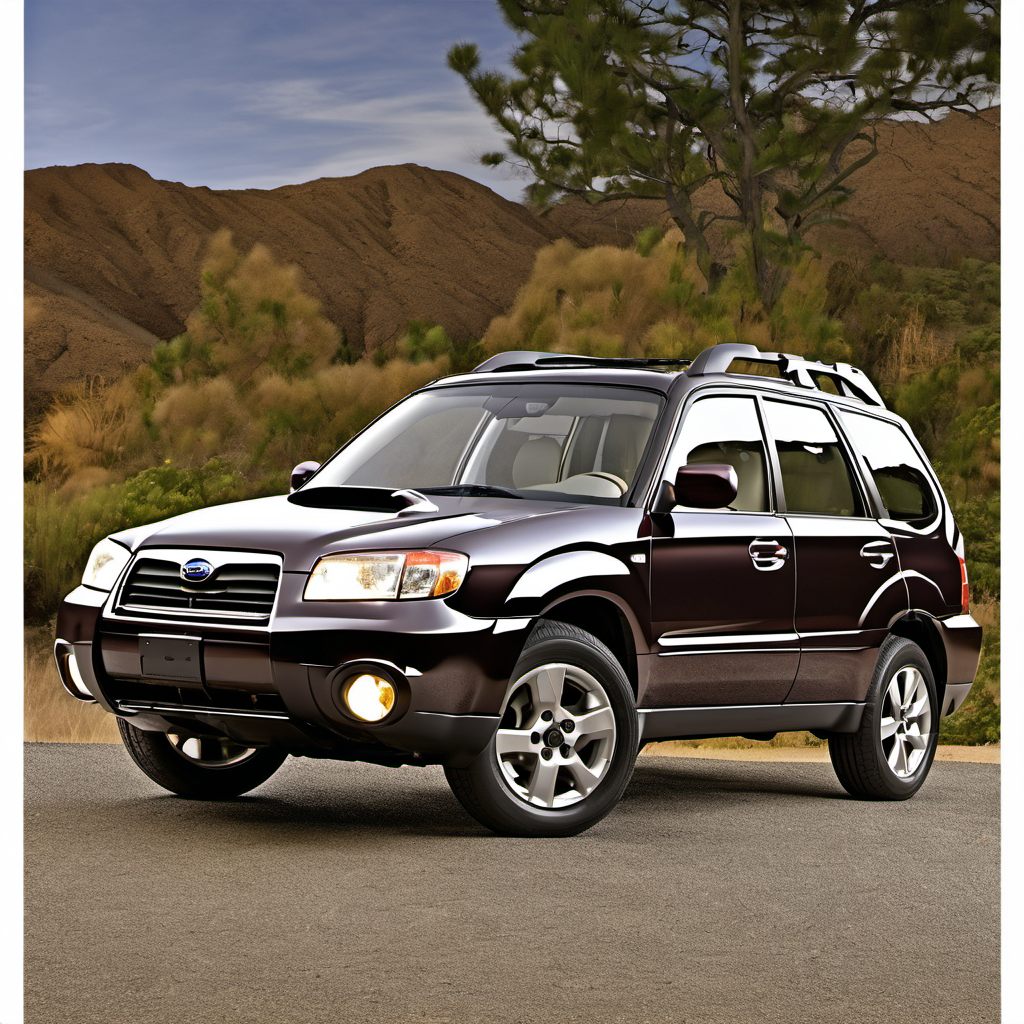
2006 Subaru
SUV
The 2006 Subaru Forester is a compact SUV built on a car platform, giving it car-like handling with genuine all-weather capability. This particular example carries the turbocharged 2.5L engine (the XT trim), which pushes output to 224 hp and makes it the sport variant of the Forester lineup. Symmetrical AWD is standard across all trims, a major reason why Foresters remain popular in Wisconsin and other snow-heavy states. The second-generation Forester (2003–2008) is well-regarded for its roomy interior relative to its footprint, excellent visibility, and practical cargo layout. The XT turbo adds genuine quickness but also raises the maintenance stakes — it demands premium fuel, proper oil change intervals, and turbo cool-down awareness that the naturally aspirated version does not. At this age (18+ years), a used 2006 Forester XT should be evaluated closely for head gasket history, turbo condition, and rust — especially on underbody components from Wisconsin salt exposure. Well-maintained examples can still be solid daily drivers, but deferred maintenance catches up fast on the turbo engine.
The 2006 Subaru Forester is a compact SUV built on a car platform, giving it car-like handling with genuine all-weather capability. This particular example carries the turbocharged 2.5L engine (the XT trim), which pushes output to 224 hp and makes it the sport variant of the Forester lineup. Symmetrical AWD is standard across all trims, a major reason why Foresters remain popular in Wisconsin and other snow-heavy states. The second-generation Forester (2003–2008) is well-regarded for its roomy interior relative to its footprint, excellent visibility, and practical cargo layout. The XT turbo adds genuine quickness but also raises the maintenance stakes — it demands premium fuel, proper oil change intervals, and turbo cool-down awareness that the naturally aspirated version does not. At this age (18+ years), a used 2006 Forester XT should be evaluated closely for head gasket history, turbo condition, and rust — especially on underbody components from Wisconsin salt exposure. Well-maintained examples can still be solid daily drivers, but deferred maintenance catches up fast on the turbo engine.
The EJ255 turbo is sensitive to oil quality and interval. Sludge buildup from extended intervals or conventional oil is a leading cause of turbo failure and accelerated engine wear.
Early head gasket seepage can often be caught before full failure. Catching it early saves thousands.
Subaru's cooling system requires the correct inhibitor package. Mixing coolant types accelerates corrosion and can mask early head gasket seepage.
Many 2006 Foresters reach the shop with original transmission fluid. Dark, burnt fluid accelerates wear in the 5-speed automatic.
The rear differential and center differential require their own fluid. Neglecting these is a common oversight that leads to AWD binding and expensive differential repairs.
Rubber boost hoses crack with age and heat cycling. A cracked hose causes boost leaks, poor performance, and can trigger turbo bypass and timing codes.
Worn plugs on the turbocharged EJ255 cause misfires that can be hard to distinguish from more serious engine issues. Fresh plugs are cheap insurance.
Wisconsin road salt attacks the Forester's unibody and brake lines aggressively. Catching rust perforation or brake line corrosion early prevents safety-critical failures.
Always defer to the manufacturer's service manual for warranty-mandated intervals.
A well-maintained 2006 Forester XT is reasonably affordable to own year-to-year, but the head gasket and turbo are the two wildcard expenses. Budget for a head gasket job if it hasn't been done — that's a $1,400–$2,200 event. If both are already addressed with receipts, routine annual costs are manageable. Premium fuel is a real ongoing cost vs. the naturally aspirated 2.5X trim.
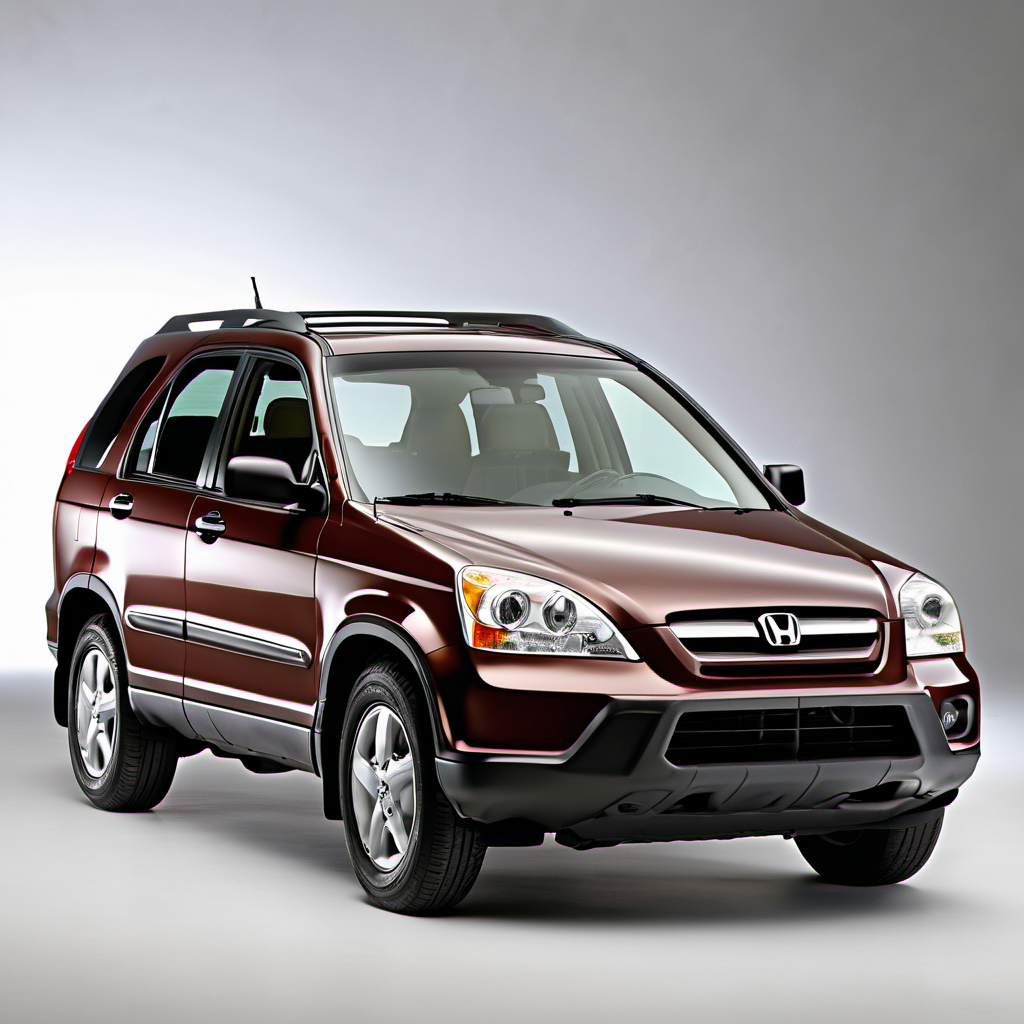
Similar compact SUV footprint with excellent reliability. Lacks the turbo punch and AWD sophistication of the Forester XT, but typically lower maintenance costs at this age.
Turbocharged compact SUV that competes directly on performance and price. Has its own turbo-related reliability concerns but offers a sportier driving feel.
No catalog match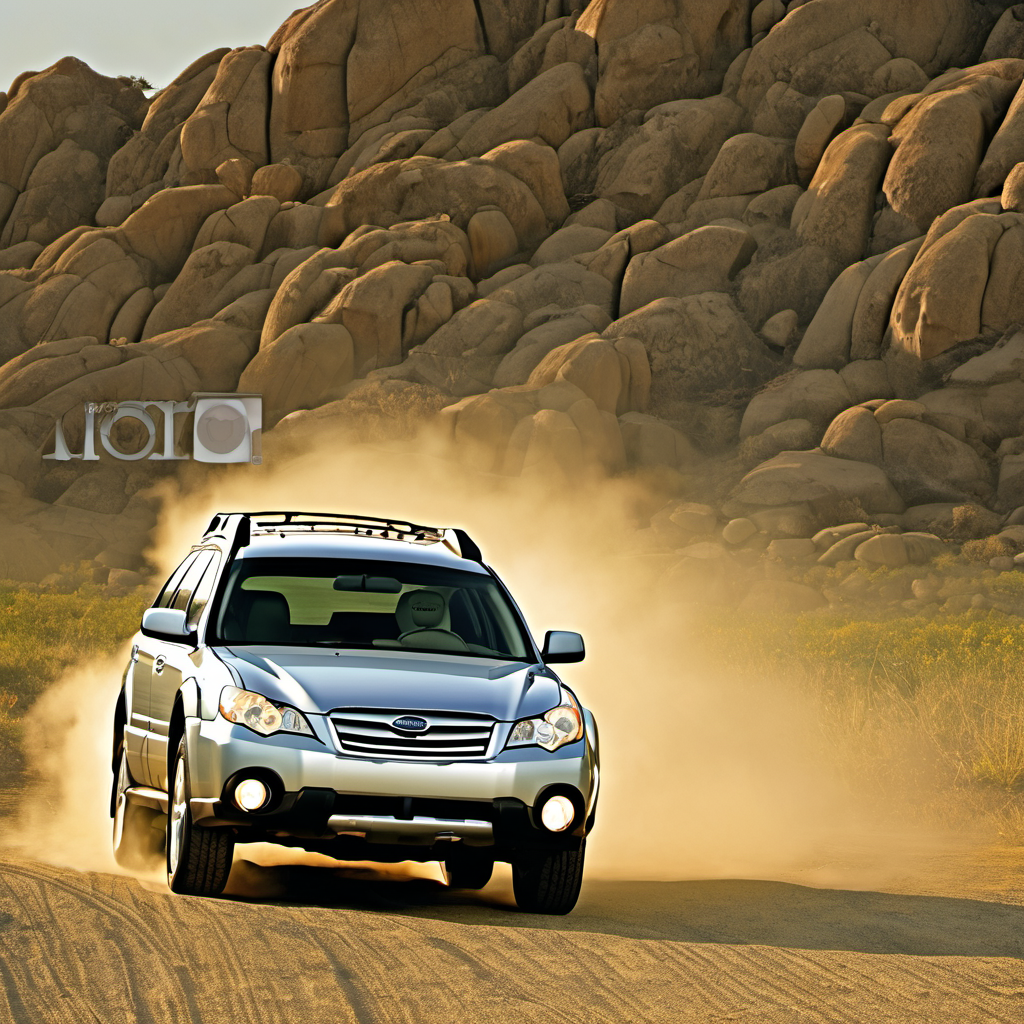
Same AWD platform and 2.5L engine family with more cargo space and a wagon stance. The NA 2.5i Outback avoids the XT's turbo complexity while keeping Subaru AWD.
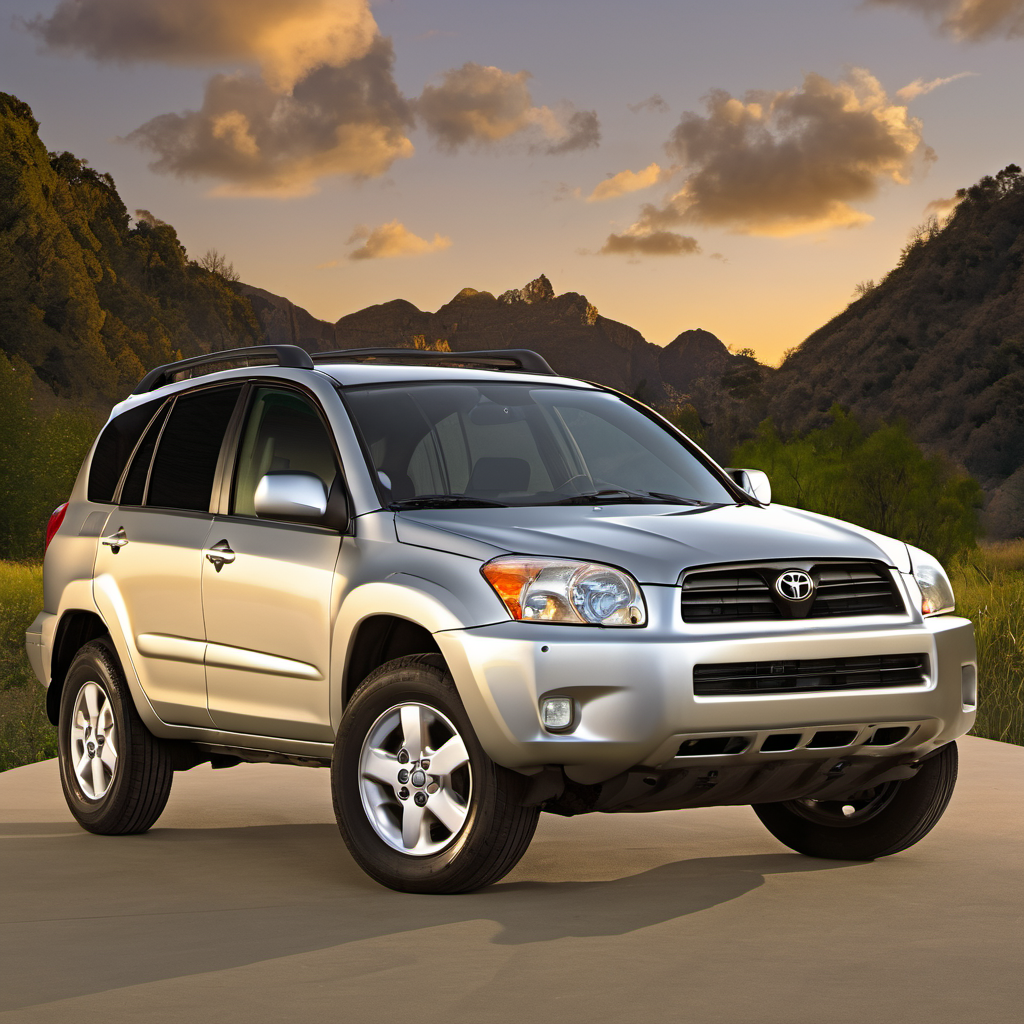
Proven compact SUV with stronger long-term reliability reputation. AWD available, no turbo complexity, and Toyota's parts support remains excellent at this age.