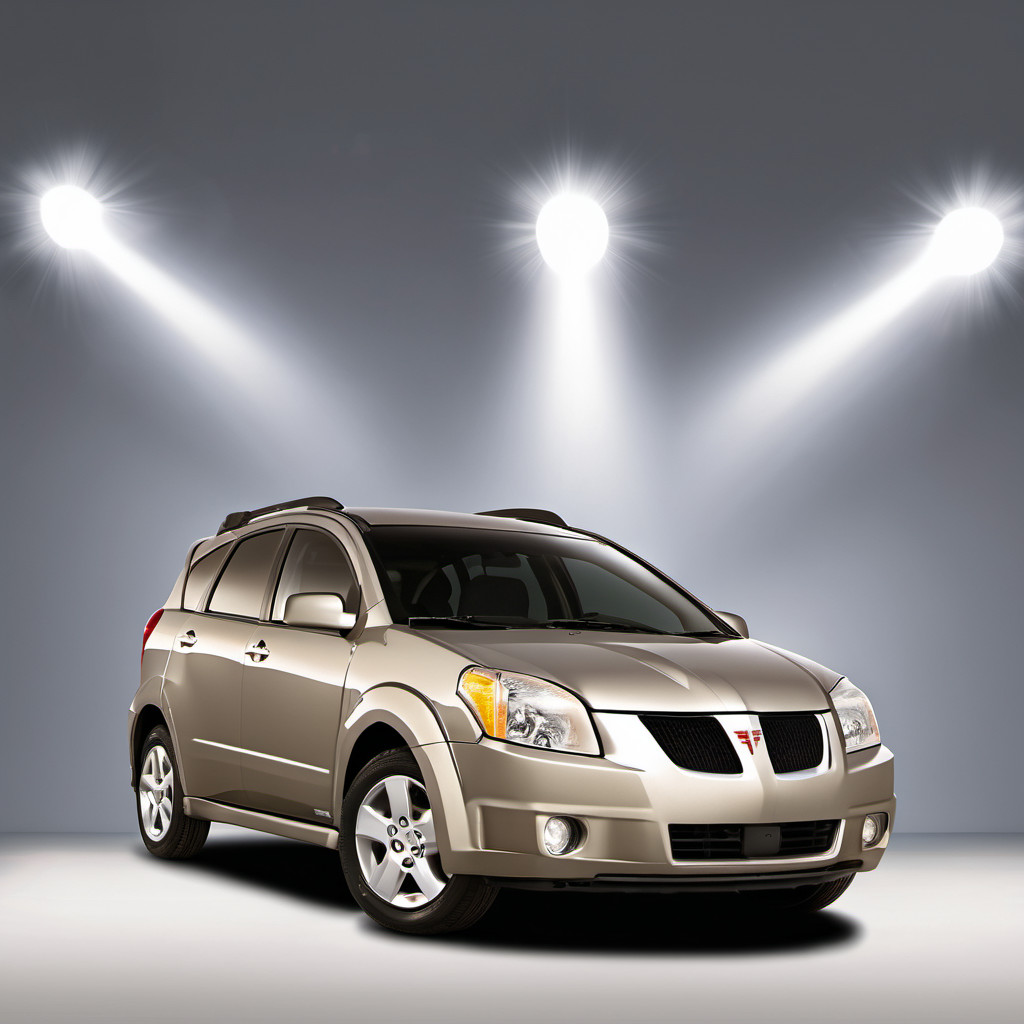
2006 Pontiac Vibe Wagon

2006 Pontiac

VibeWagon

Wagon

The 2006 Pontiac Vibe is a compact wagon built as a joint venture between GM and Toyota, sharing its platform, engine, and most mechanical components with the Toyota Matrix. That Toyota DNA is the Vibe's single biggest selling point — you get a practical, boxy cargo area, decent fuel economy, and a drivetrain proven to last well beyond 200,000 miles when maintained properly. For 2006, the Vibe came standard with a 1.8L four-cylinder making 126 hp, mated to either a 5-speed manual or 4-speed automatic. The interior is basic by modern standards, but the flat-folding rear seats and clever storage make it genuinely useful. An AWD version was offered with a 1.8L VVTL-i engine, though the vast majority sold were FWD. At this age, you're buying a high-mileage commuter or a second car. The good news is that parts are abundant (most are shared with the Matrix and Corolla), and any shop familiar with Toyotas can work on it. The bad news is that rust is a serious concern on upper Midwest examples — more so than mechanical failure.

Reliability
4/5
Verified data
Specs shown for Vibe — the most common configuration. Other trims may vary in engine, drivetrain, or fuel economy. Sign in to see your vehicle's exact specs.
Engine
[object Object]
Drivetrain
FWD
Fuel
Gasoline
MPG
25 city / 31 hwy / 27 combined
Seats
Doors
Body
Small Station Wagons

Overview

AI-curated

The 2006 Pontiac Vibe is a compact wagon built as a joint venture between GM and Toyota, sharing its platform, engine, and most mechanical components with the Toyota Matrix. That Toyota DNA is the Vibe's single biggest selling point — you get a practical, boxy cargo area, decent fuel economy, and a drivetrain proven to last well beyond 200,000 miles when maintained properly. For 2006, the Vibe came standard with a 1.8L four-cylinder making 126 hp, mated to either a 5-speed manual or 4-speed automatic. The interior is basic by modern standards, but the flat-folding rear seats and clever storage make it genuinely useful. An AWD version was offered with a 1.8L VVTL-i engine, though the vast majority sold were FWD. At this age, you're buying a high-mileage commuter or a second car. The good news is that parts are abundant (most are shared with the Matrix and Corolla), and any shop familiar with Toyotas can work on it. The bad news is that rust is a serious concern on upper Midwest examples — more so than mechanical failure.

Known for
  • Toyota Matrix twin — shares engine, transmission, and most mechanical parts
  • Excellent fuel economy for a wagon
  • Flat-folding rear seats with a large, usable cargo area
  • Reliable 1ZZ-FE engine with a long service life
  • Low independent-shop repair costs due to Corolla parts commonality
Best for
  • Budget-conscious commuters needing cargo flexibility
  • DIY-friendly owners comfortable with Toyota service procedures
  • Urban and suburban drivers who prioritize fuel economy over performance
  • Buyers wanting a practical wagon without SUV running costs
Watch for
  • Underbody and rocker panel rust on Wisconsin/salt-belt examples
  • Oil consumption on the 1ZZ-FE engine — check level at every fill-up
  • Worn or leaking valve cover gasket at higher mileage
  • Automatic transmission that is rough when neglected — fluid is often never changed

Common issues by mileage

6 known

Oil consumption — 1ZZ-FE engine burns oil

high
Typically appears
80k–200k+ mi
Estimated repair
$50 – $300

Valve cover gasket leak

high
Typically appears
80k–150k mi
Estimated repair
$80 – $180

VVT-i oil control valve (OCV) sludge / camshaft timing fault

medium
Typically appears
80k–150k mi
Estimated repair
$150 – $450

Oxygen sensor heater circuit failure

medium
Typically appears
100k–180k mi
Estimated repair
$120 – $280

Underbody / rocker panel rust (salt-belt)

high
Typically appears
60k–200k+ mi
Estimated repair
$500 – $3,000

Automatic transmission shudder / delayed engagement from neglected fluid

medium
Typically appears
100k–180k mi
Estimated repair
$100 – $2,500

Maintenance schedule

  1. 1
    Every 5,000 mi or 6 months Engine oil and filter change

    The 1ZZ-FE is prone to oil consumption and sludge if oil changes are stretched. Use a quality 5W-30 and check the level every fill-up — don't wait for the light.

  2. 2
    Every gas fill-up Check and top off engine oil level

    This engine is known to consume oil between changes, especially past 80k miles. Running a quart or more low accelerates ring and cylinder wear.

  3. 3
    Every 30,000 mi on used examples (if unknown history) Automatic transmission fluid change

    Toyota spec says longer intervals, but on a used Vibe with unknown service history, fresh fluid protects the transmission and can clear shudder or sluggish engagement.

  4. 4
    Every 60,000 mi Spark plugs (iridium)

    OEM iridium plugs are the correct spec. Worn plugs worsen the oil consumption problem and hurt fuel economy.

  5. 5
    Every 50,000 mi or 5 years Coolant flush

    The 1ZZ-FE is sensitive to cooling system neglect. Old coolant turns acidic and attacks the water pump and head gasket surfaces.

  6. 6
    Every oil change Inspect valve cover gasket for oil seepage

    The rubber gasket hardens with age and heat. Oil dripping onto the exhaust manifold is a fire risk and a common issue on this engine.

  7. 7
    Every fall (before winter salting begins) Undercarriage rust inspection and treatment

    Wisconsin road salt accelerates rust on subframe, brake lines, and rocker panels. Annual inspection lets you catch problems before they become structural or brake-safety issues.

  8. 8
    Every fall, especially if battery is 3+ years old Battery load test

    A marginal battery that starts fine in September will fail at -10°F in January. Cold cranking capacity drops sharply below freezing; test before winter hits.

Always defer to the manufacturer's service manual for warranty-mandated intervals.

Cost of ownership

Annual maintenance
$350 – $800
Fuel
At 27 combined MPG and ~12,000 miles/year, expect roughly $1,400–$1,700/year at current upper Midwest gas prices. One of the more economical wagons in its class.
Insurance
Generally low — compact wagon, low horsepower, strong safety ratings. Expect $900–$1,400/year for a typical driver in the Lake Geneva area, depending on history and coverage level.

The Vibe is genuinely cheap to own when maintained. Parts are shared with the Corolla and Matrix, so independent shops can source them quickly at reasonable prices. The main budget wildcard on a Wisconsin example is rust repair — if the undercarriage has been neglected, remediation costs can exceed the car's market value. Budget for that inspection before purchase, and set aside $100–$200/year for undercoating or rust treatment if the car is a keeper.
Seasonal care

Lake Geneva, WI
Winter
  • Load-test the battery every fall — the 1ZZ-FE's cold-start demands will expose a weak battery fast at sub-zero temps
  • Switch to a full-synthetic 5W-30 if not already using one; it flows better on cold starts and reduces oil consumption in winter idling
  • Fill the washer reservoir with a fluid rated to at least -20°F; the Vibe's low hood line means the windshield gets salted quickly on wet roads
  • Inspect brake lines and hoses for rust or corrosion before winter — these are a known failure point on salt-belt examples
  • Check tire tread depth and consider dedicated winter tires; the FWD setup helps in snow but relies entirely on front-tire grip for steering and stopping
  • Rinse the undercarriage regularly through winter, especially the rocker panels and wheel wells, to slow salt accumulation
Summer
  • Check tire pressure after the first hot weeks — pressure rises roughly 1 PSI per 10°F increase and the small tires can run overinflated
  • Inspect the A/C system for proper cooling; recharges are common on cars this age and the cabin heats up quickly with the large rear hatch glass
  • Check coolant concentration with a tester — a 50/50 mix handles both Wisconsin winters and summer heat; don't run straight water
  • Inspect the valve cover gasket in warm weather when oil seepage becomes more visible — oil on a hot exhaust manifold is a fire hazard

Comparable vehicles

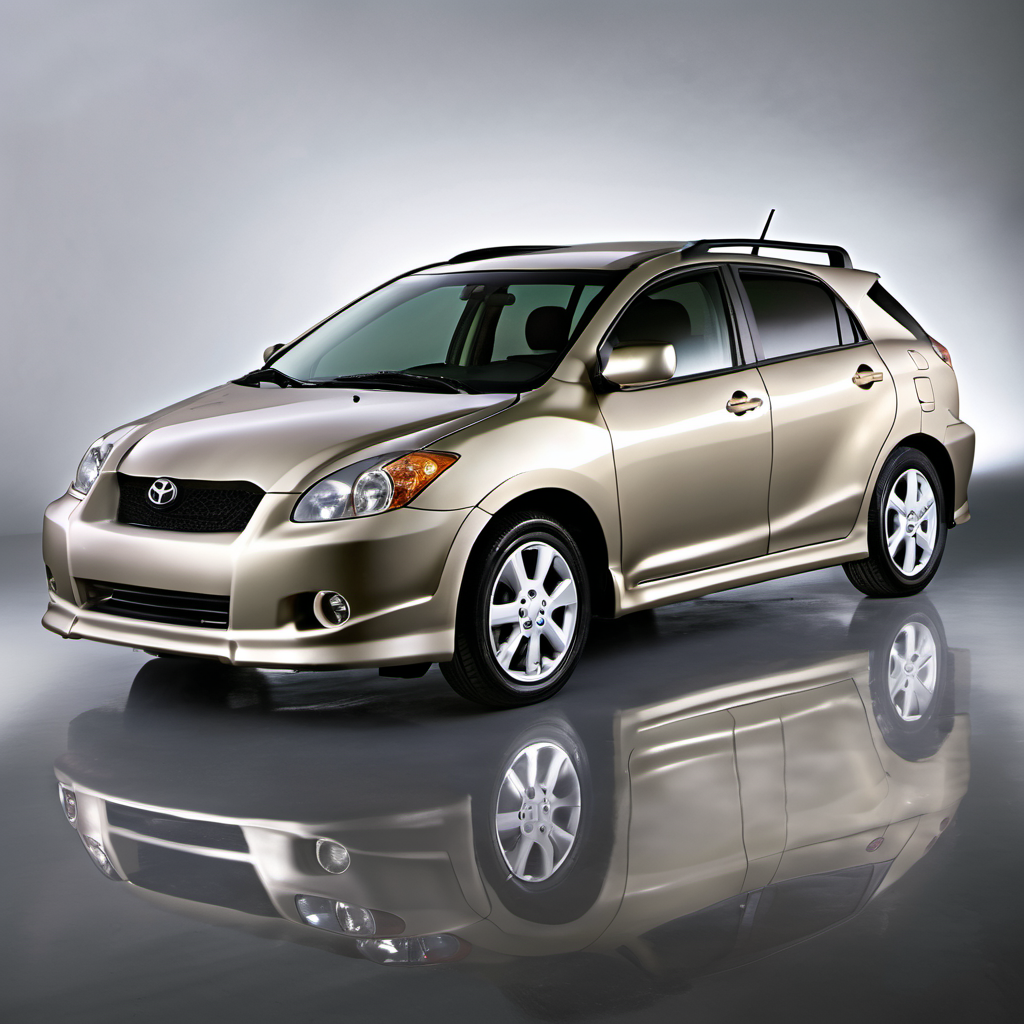
2006 Toyota Matrix
2006 Toyota
Matrix

The Matrix is mechanically identical to the Vibe — same engine, same platform, same parts. If you find one for similar money, it carries the Toyota badge, which can help slightly with resale. Choose whichever example has the better service history and less rust.

2006 Honda
Fit

Smaller footprint but similarly practical interior with Honda reliability. Gets better fuel economy and has a simpler, proven drivetrain. Less cargo volume than the Vibe but easier to park and typically holds up well on the used market.

No catalog match
2006 Mazda
3

The Mazda3 Sport hatchback competes in the same space with a more engaging driving character. Slightly thirstier but more fun, with a strong reliability record. Parts availability is good and independent shops are familiar with them.

No catalog match
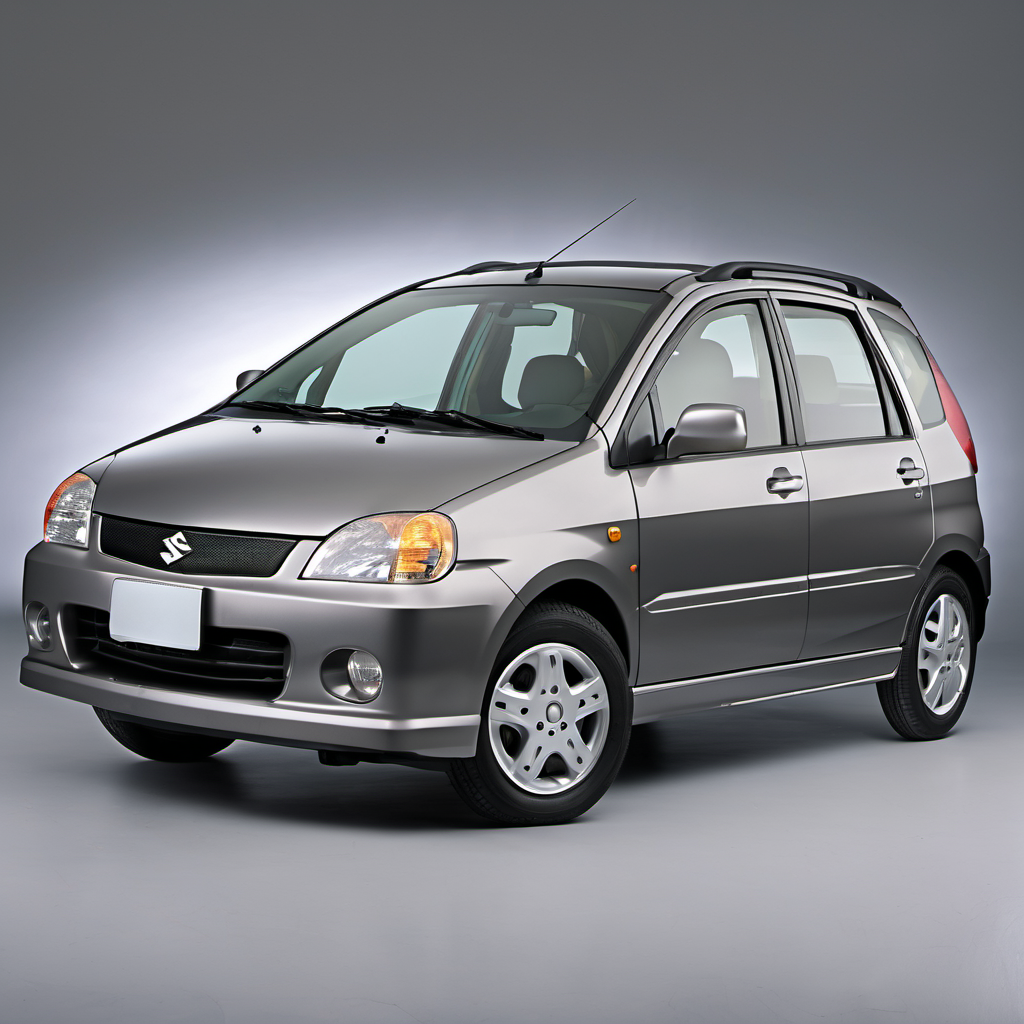
2006 Suzuki Aerio
2006 Suzuki
Aerio

A lesser-known but legitimate comparison: wagon body style, similar size and price, FWD or AWD. Less common means parts can be harder to source locally — factor that in if considering one.

If you're shopping for one

Red flags
  • Structural rust on the subframe or floor — walk away, repair costs will exceed the car's value
  • Blue smoke from the exhaust on startup or acceleration — signals advanced oil consumption or worn rings
  • Check engine light that the seller dismisses as 'just an oxygen sensor' — scan it yourself before buying
  • Coolant that looks rusty or oily — potential head gasket issue on a high-mileage 1ZZ-FE
  • A 4-speed automatic that hesitates, slips, or shudders — fluid-related damage may be done at this mileage
What to inspect
  • Rocker panels, rear wheel arches, and subframe for rust — this is the #1 killer of Wisconsin Vibes
  • Engine oil level and condition — pull the dipstick; milky oil means coolant intrusion, very dark/low oil means neglect or consumption problem
  • Valve cover for oil seepage onto the exhaust manifold
  • Underneath for brake line corrosion — poke the metal lines gently; they should be firm, not flaky
  • Transmission engagement — in an automatic, it should shift smoothly and without hesitation from park to drive; shudder at highway speed suggests fluid neglect
  • All four tires for uneven wear, which can indicate alignment or suspension issues from pothole damage
AI profile generated 7 min ago · claude-sonnet-4-6 · v2.